Healthcare Robotics: Transforming US Hospitals by 2026
Healthcare Robotics: Transforming US Hospitals by 2026
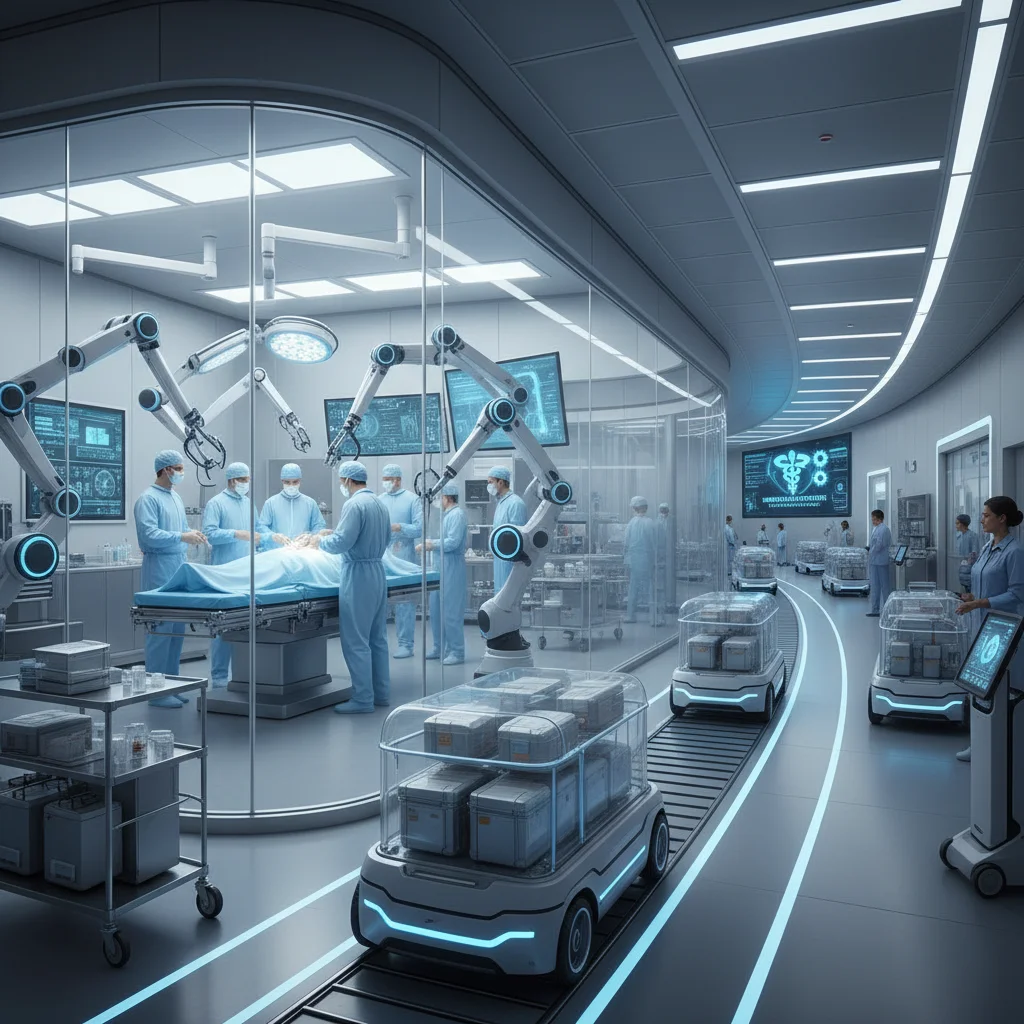
The landscape of healthcare is undergoing a profound transformation, driven by an accelerating pace of technological innovation. Among these advancements, healthcare robotics adoption stands out as a particularly impactful trend, poised to redefine patient care, operational efficiency, and the very structure of medical institutions. Recent projections indicate a significant surge, with an estimated 10% of US hospitals expected to integrate robotic solutions into their operations by 2026. This isn’t merely a fleeting trend; it represents a fundamental shift in how healthcare services are delivered, managed, and improved.
The implications of this widespread healthcare robotics adoption are far-reaching. From sophisticated surgical systems that enhance precision and minimize invasiveness to autonomous robots that handle mundane logistical tasks, these technologies are addressing critical challenges faced by the healthcare sector. These include staffing shortages, the need for increased efficiency, the demand for higher quality patient outcomes, and the constant pressure to reduce costs. As hospitals grapple with these complexities, robotics offers a compelling suite of solutions that promise to alleviate burdens and elevate the standard of care.
This article delves deep into the burgeoning world of healthcare robotics adoption, exploring the diverse applications of these technologies, the driving forces behind their rapid integration, and the significant benefits they bring. We will also examine the challenges that hospitals must navigate as they embark on this technological journey and cast an eye towards the future, envisioning the full potential of a robot-assisted healthcare ecosystem. Understanding this evolution is crucial for healthcare professionals, administrators, policymakers, and indeed, anyone with an interest in the future of medicine.
The Rise of Robotics in Healthcare: A Historical Perspective
While the current wave of healthcare robotics adoption might seem like a recent phenomenon, the roots of medical robotics stretch back several decades. Early iterations focused primarily on industrial applications, but the potential for precision and automation quickly caught the attention of the medical community. The first significant breakthrough came with the introduction of surgical robots, notably the PUMA 2000 in the 1980s, which assisted in delicate neurosurgical procedures. This marked the beginning of a transformative era, demonstrating the feasibility and benefits of robotic assistance in complex medical tasks.
The 2000s saw the emergence of the da Vinci Surgical System, which revolutionized minimally invasive surgery. Its intuitive controls, magnified 3D vision, and wristed instruments allowed surgeons to perform intricate procedures with unprecedented dexterity and control. This system became a flagship example of successful healthcare robotics adoption, proving that robots could not only assist but also enhance human capabilities in the operating room. Its success paved the way for further research and development, leading to a proliferation of robotic solutions across various medical domains.
Beyond surgery, robotics began to find applications in rehabilitation, pharmacy automation, and even patient transport. Each new application underscored the versatility of robotic technology and its potential to address a wider range of healthcare needs. The evolution has been characterized by increasing sophistication, miniaturization, and intelligence, driven by advancements in artificial intelligence, sensor technology, and materials science. Today, we are witnessing an accelerated phase of healthcare robotics adoption, moving beyond niche applications to widespread integration across hospital operations.
Driving Forces Behind Accelerated Healthcare Robotics Adoption
Several converging factors are fueling the rapid healthcare robotics adoption we observe today. Understanding these drivers is key to appreciating the strategic importance of these technologies for hospitals.
Addressing Staffing Shortages and Burnout
One of the most pressing issues in healthcare globally, and particularly in the US, is the chronic shortage of skilled personnel. Nurses, doctors, and support staff are often overworked, leading to burnout and high turnover rates. Robots can alleviate this pressure by taking over repetitive, labor-intensive, or hazardous tasks. For instance, autonomous mobile robots (AMRs) can transport linens, medications, and meals, freeing up nursing staff to focus on direct patient care. This direct impact on workforce management is a primary motivator for increased healthcare robotics adoption.
Enhancing Operational Efficiency and Cost Reduction
Hospitals operate under immense financial pressure. Robotics offers a pathway to significant operational efficiencies and cost savings. Automation of tasks like sterilization, drug dispensing, and inventory management can reduce human error, optimize resource utilization, and streamline workflows. Surgical robots, while a significant upfront investment, can lead to shorter hospital stays, fewer complications, and faster patient recovery, ultimately reducing overall treatment costs. These economic benefits are a powerful incentive for healthcare robotics adoption.
Improving Patient Outcomes and Safety
The ultimate goal of healthcare is to deliver the best possible patient care. Robots contribute to this in multiple ways. Surgical robots provide unparalleled precision, leading to less invasive procedures, reduced blood loss, and quicker recovery times. Pharmacy robots minimize medication errors, a critical safety concern. Rehabilitation robots offer consistent and personalized therapy, accelerating recovery for patients with mobility impairments. By reducing human variability and enhancing accuracy, robotics directly improves patient safety and outcomes, making healthcare robotics adoption a patient-centric strategy.
Advancements in Robotic Technology and AI
The robots themselves are becoming more sophisticated, intelligent, and affordable. Advances in artificial intelligence (AI) enable robots to learn, adapt, and interact more naturally with their environment and with humans. Improved sensor technology grants robots greater awareness and precision. Miniaturization allows for robots to operate in confined spaces or perform highly delicate tasks. These technological leaps make robots more capable and accessible, further accelerating healthcare robotics adoption.
Competitive Advantage and Reputation
Hospitals that embrace cutting-edge technology often gain a competitive edge. Offering advanced robotic surgeries or state-of-the-art rehabilitation programs can attract more patients and highly skilled medical professionals. It also enhances the hospital’s reputation as an innovative and forward-thinking institution. This desire to remain at the forefront of medical innovation is another significant factor driving healthcare robotics adoption.
Key Areas of Healthcare Robotics Adoption by 2026
The projected 10% healthcare robotics adoption by US hospitals by 2026 will manifest across various departments and functions. Here are some of the most prominent areas:
Surgical Robotics
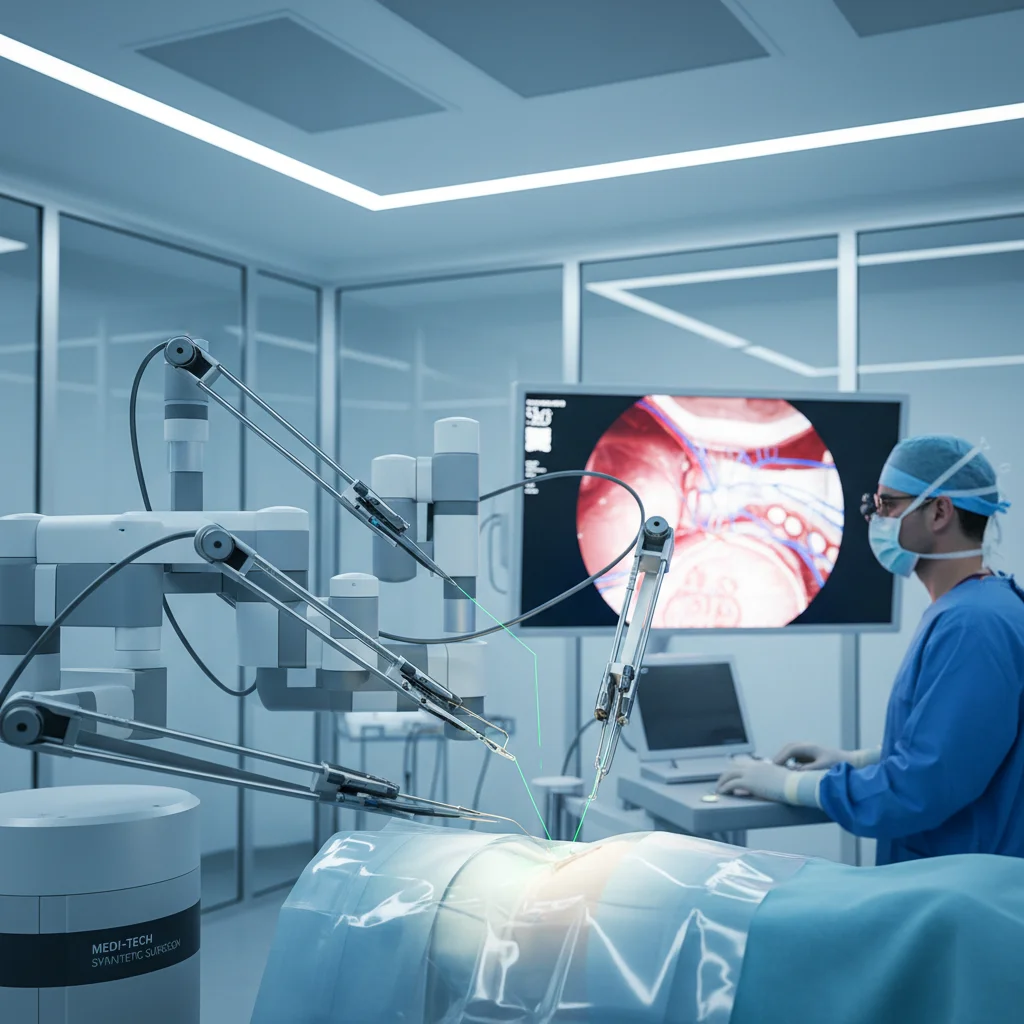
This remains the most established and visible area of healthcare robotics adoption. Systems like the da Vinci are continuously evolving, and new platforms are emerging for specialties ranging from orthopedics and neurosurgery to ophthalmology. These robots enable surgeons to perform complex procedures with greater precision, smaller incisions, and enhanced visualization. The benefits include reduced pain, faster recovery, and fewer complications for patients. As technology advances, surgical robots are becoming more autonomous, assisting in planning, execution, and even post-operative analysis.
Logistics and Pharmacy Automation
Autonomous Mobile Robots (AMRs) are increasingly being deployed to handle the transportation of supplies, specimens, medications, and waste within hospitals. This automates a significant portion of routine, non-clinical tasks, freeing up human staff. In pharmacies, robotic systems are used for dispensing, compounding, and inventory management, significantly reducing errors and improving efficiency. This form of healthcare robotics adoption is crucial for optimizing hospital workflows and reducing operational costs.
Rehabilitation Robotics
Robotics is revolutionizing physical and occupational therapy. Exoskeletons and robotic devices assist patients with neurological injuries (e.g., stroke, spinal cord injury) or orthopedic conditions in regaining mobility and strength. These robots provide repetitive, high-intensity training that would be difficult or impossible with traditional methods, often incorporating gamification to keep patients engaged. The precise data collection by these robots also allows therapists to track progress and tailor treatment plans effectively. This area of healthcare robotics adoption promises improved recovery trajectories for many patients.
Disinfection and Sanitation Robots
Hospital-acquired infections (HAIs) are a serious concern. UV-C light disinfection robots and other automated cleaning systems are being adopted to thoroughly sanitize patient rooms, operating theaters, and common areas. These robots can reach areas that might be missed by manual cleaning, providing an additional layer of protection against pathogens. Their deployment is becoming increasingly common, especially in the wake of global health crises, highlighting a critical aspect of healthcare robotics adoption for public health.
Telepresence and Remote Care Robots
Telepresence robots allow physicians to conduct rounds or consult with patients remotely, especially valuable in situations where specialists are scarce or during infectious disease outbreaks. These robots can navigate hospital corridors, interact with patients and staff via video conferencing, and even carry diagnostic tools. While not performing physical tasks directly, they extend the reach of medical expertise and facilitate remote monitoring, expanding the scope of healthcare robotics adoption into virtual care.
Challenges and Considerations in Healthcare Robotics Adoption
Despite the immense potential, the widespread healthcare robotics adoption is not without its hurdles. Hospitals must carefully consider several factors to ensure successful integration.
High Initial Investment
Robotic systems, especially surgical ones, represent a substantial capital expenditure. Hospitals need to conduct thorough cost-benefit analyses, considering not just the purchase price but also installation, maintenance, training, and potential return on investment (ROI) through improved outcomes and efficiencies. Securing funding and justifying the investment are significant challenges that can slow down healthcare robotics adoption.
Integration with Existing Infrastructure
Modern hospitals are complex ecosystems of interconnected systems. Integrating new robotic technologies with existing IT infrastructure, electronic health records (EHRs), and operational workflows can be challenging. Interoperability issues, data security concerns, and the need for seamless communication between different platforms require careful planning and execution. This technical complexity is a major consideration in healthcare robotics adoption.
Workforce Training and Acceptance
The introduction of robots necessitates significant training for medical staff. Surgeons, nurses, technicians, and even administrative personnel need to learn how to operate, maintain, and interact with these new technologies. Resistance to change, fear of job displacement, and the need for continuous education are real challenges that require effective change management strategies. Successful healthcare robotics adoption hinges on the willingness and ability of the human workforce to adapt.
Ethical and Regulatory Considerations
As robots become more autonomous, ethical questions arise concerning accountability, decision-making in critical situations, and the human-robot interface. Regulatory bodies are also working to keep pace with technological advancements, ensuring the safety, efficacy, and ethical deployment of medical robots. Navigating these evolving legal and ethical frameworks is a crucial aspect of responsible healthcare robotics adoption.
Maintenance and Technical Support
Robotic systems require specialized maintenance and technical support to ensure their continuous operation. Hospitals need to establish robust support contracts, train in-house teams, or rely on external vendors. Downtime due to technical issues can have significant consequences in a healthcare setting, making reliable support a critical component of sustainable healthcare robotics adoption.
The Impact of Healthcare Robotics Adoption on Patient Care and Staff
The projected increase in healthcare robotics adoption by 2026 will have a transformative impact on both the patient experience and the working lives of healthcare professionals.
Enhanced Patient Experience
Patients are likely to benefit from more precise diagnoses, less invasive treatments, faster recovery times, and reduced hospital stays. The automation of logistics means less waiting for medications or supplies, leading to a smoother and more efficient hospital stay. Rehabilitation robots can offer personalized and engaging therapy, improving patient motivation and outcomes. Overall, healthcare robotics adoption contributes to a higher quality of care and a more positive patient journey.
Empowering Healthcare Professionals
Rather than replacing human staff, robots are primarily designed to augment their capabilities and offload tedious or physically demanding tasks. This allows doctors and nurses to focus more on complex decision-making, direct patient interaction, and empathetic care. Surgical robots extend a surgeon’s capabilities, while logistics robots free up nurses from running errands. This shift in workload can lead to reduced burnout, increased job satisfaction, and a more strategic utilization of human expertise. The goal of healthcare robotics adoption is to create a symbiotic relationship between humans and machines.
Data-Driven Healthcare
Many medical robots are equipped with advanced sensors and data collection capabilities. This generates a wealth of information that can be used for continuous improvement in patient care, operational efficiency, and even medical research. Analyzing this data can lead to insights into best practices, identify areas for improvement, and contribute to the development of personalized medicine. This data-driven approach is a significant long-term benefit of widespread healthcare robotics adoption.
The Future Outlook: Beyond 2026 for Healthcare Robotics Adoption
While 10% healthcare robotics adoption by US hospitals by 2026 marks a significant milestone, it is merely a stepping stone towards a more integrated and advanced future. The trajectory of innovation suggests an even more profound impact in the years to come.
Increased Autonomy and AI Integration
Future robots will possess even greater levels of autonomy, performing more complex tasks with less human intervention, particularly in areas like diagnostics, drug discovery, and personalized treatment planning. The integration of advanced AI and machine learning will enable robots to analyze vast amounts of medical data, identify patterns, and provide highly accurate recommendations, further enhancing the capabilities derived from healthcare robotics adoption.
Miniaturization and Nanorobotics
The development of increasingly smaller robots, including nanorobots, holds immense promise for targeted drug delivery, minimally invasive diagnostics, and even performing repairs at a cellular level. While still largely in research phases, these technologies could revolutionize treatment for a host of diseases, pushing the boundaries of what’s possible with healthcare robotics adoption.
Robotics in Home Healthcare and Eldercare
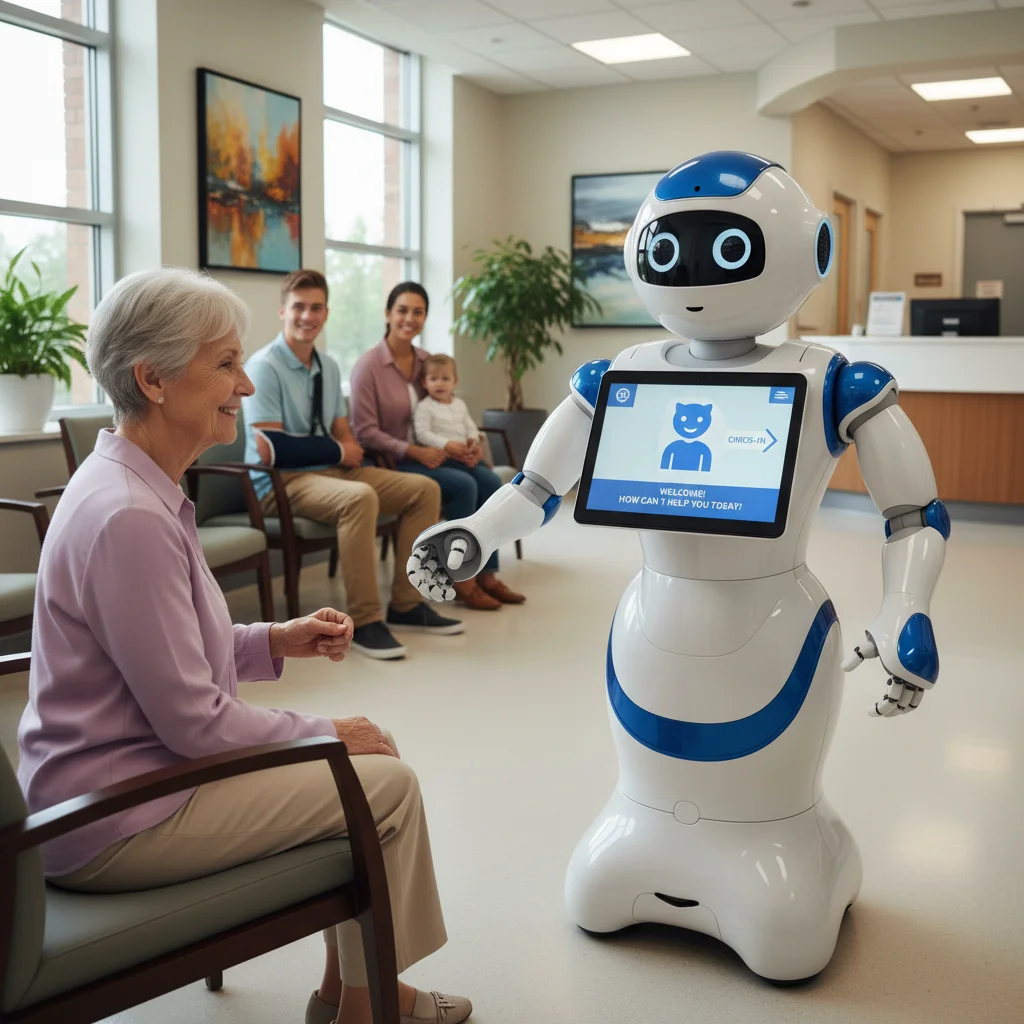
As populations age, the demand for in-home care is surging. Robots are expected to play a crucial role in assisting elderly individuals with daily tasks, monitoring their health, providing companionship, and facilitating communication with caregivers. This expansion of healthcare robotics adoption beyond hospital walls will be critical for managing future healthcare demands.
Personalized and Predictive Medicine
Robots, combined with AI, will contribute significantly to personalized and predictive medicine. By collecting and analyzing real-time patient data, robots can help tailor treatments, predict potential health issues, and offer proactive interventions, moving healthcare from a reactive to a highly preventive model. This sophisticated application will be a hallmark of advanced healthcare robotics adoption.
Ethical Frameworks and Public Trust
As robotics becomes more ingrained in healthcare, the development of robust ethical frameworks and regulatory guidelines will be paramount. Building public trust and ensuring that these technologies are deployed equitably and responsibly will be crucial for sustained healthcare robotics adoption and societal acceptance.
Conclusion: A New Era for Healthcare with Robotics
The projection that 10% of US hospitals will embrace healthcare robotics adoption by 2026 is a clear indicator of a paradigm shift within the medical sector. This isn’t merely about automating tasks; it’s about fundamentally rethinking how healthcare is delivered, making it more efficient, safer, and ultimately, more human-centric. Robots are emerging not as replacements for healthcare professionals but as invaluable partners, extending their reach, enhancing their precision, and freeing them to focus on the essential human elements of care.
While challenges related to investment, integration, and training remain, the benefits offered by robotics – from improved patient outcomes and increased operational efficiency to alleviating staff burnout – are too significant to ignore. Hospitals that strategically invest in and thoughtfully integrate these technologies will be better positioned to navigate the complexities of modern healthcare, deliver superior patient experiences, and remain at the forefront of medical innovation.
The journey of healthcare robotics adoption is still in its relatively early stages, but its trajectory is undeniable. As we move towards 2026 and beyond, we can expect to see an increasingly sophisticated and integrated robotic presence in hospitals, transforming the future of medicine and setting new benchmarks for patient care and operational excellence across the United States and globally. The future of healthcare is undeniably intertwined with the intelligent capabilities of robotics.