Generative AI in Content Creation: A 3-Month Outlook for US Marketing Strategies
The landscape of US marketing is undergoing a seismic shift, driven by the rapid advancements in artificial intelligence. Specifically, Generative AI Marketing is no longer a futuristic concept but a present-day reality, fundamentally reshaping how businesses create, distribute, and optimize their content. This article provides a focused 3-month outlook, examining the immediate impact and strategic imperatives for US marketers looking to harness the power of generative AI in their content creation endeavors.
In an era where content is king, the ability to produce high-quality, relevant, and personalized material at scale is paramount. Traditional content creation processes, often labor-intensive and time-consuming, are struggling to keep pace with consumer demand and the relentless need for fresh, engaging narratives. This is where Generative AI Marketing steps in, offering an unprecedented opportunity to streamline workflows, enhance creativity, and deliver hyper-personalized experiences.
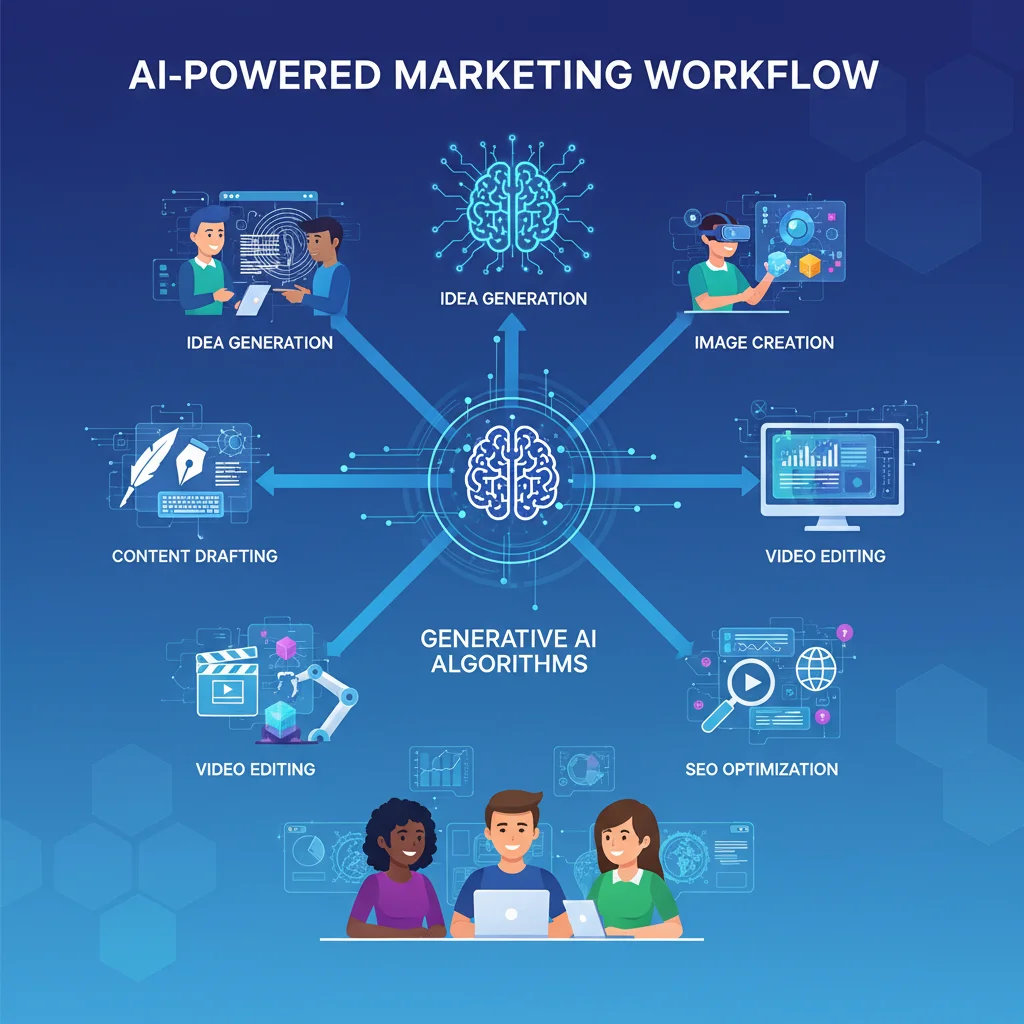
Over the next three months, US marketing teams will not just be experimenting with generative AI; they will be actively integrating it into their core operations. From drafting compelling ad copy and generating diverse visual assets to personalizing email campaigns and optimizing SEO, the applications are vast and growing. Understanding these immediate trends and preparing for their strategic implications is crucial for maintaining a competitive edge.
The Immediate Impact of Generative AI on Content Creation (Month 1-2)
The initial phase of generative AI adoption in US marketing will be characterized by rapid experimentation and integration of tools that offer immediate, tangible benefits. Marketers will primarily focus on leveraging AI for efficiency gains and scaling content production.
Automated Content Generation and Draft Creation
Within the first month, many US marketing teams will significantly increase their reliance on generative AI for drafting various forms of content. This includes:
- Blog Posts and Articles: AI will be used to generate initial drafts, outlines, and even full articles on specific topics, saving countless hours for human writers who can then refine and add their unique voice. The focus will be on leveraging Generative AI Marketing tools to produce a higher volume of informative content quickly.
- Social Media Updates: Crafting engaging social media posts for platforms like Instagram, X (formerly Twitter), Facebook, and LinkedIn will become faster. AI can generate multiple variations of captions, hashtags, and calls to action, tailored to different platforms and audience segments.
- Email Marketing Copy: AI-powered tools will assist in writing compelling subject lines, body copy, and calls to action for email campaigns, optimizing for open rates and conversions. This direct application of Generative AI Marketing will lead to more personalized and effective outreach.
- Product Descriptions: E-commerce businesses will extensively use AI to generate unique and descriptive product descriptions, enhancing SEO and enriching the customer shopping experience.
This initial surge in AI-generated drafts will free up human creative resources to focus on higher-level strategic thinking, content refinement, and brand storytelling. The quality of these AI-generated drafts will improve rapidly as models are fine-tuned with brand-specific data and feedback loops are established.
Visual Content Generation
Beyond text, generative AI’s prowess in creating visual content will become increasingly evident. In the first two months, US marketers will witness:
- Image Generation: AI tools will be used to create custom images for blog posts, social media, and advertisements, reducing reliance on stock photography and providing more brand-specific visuals. This will include generating diverse character representations, abstract concepts, and product mockups.
- Video Scripting and Storyboarding: While full video generation is still evolving, AI will play a crucial role in scripting compelling video content and even generating basic storyboards, accelerating the pre-production phase.
- Infographic Elements: Components of infographics, such as data visualizations and illustrative icons, can be generated by AI, making complex information more digestible and visually appealing.
The ability to generate unique visuals on demand will empower marketers to create more dynamic and engaging campaigns, directly impacting brand perception and recall. The speed and cost-effectiveness of this approach will be a significant draw for businesses of all sizes, making Generative AI Marketing an indispensable tool.
Strategic Integration and Optimization (Month 2-3)
As marketers become more comfortable with the basic functionalities of generative AI, the focus will shift towards more strategic integration and optimization. This phase will involve refining AI outputs, enhancing personalization, and leveraging AI for deeper market insights.
Enhanced Personalization at Scale
The promise of hyper-personalization, once a labor-intensive endeavor, becomes a reality with Generative AI Marketing. Over the next three months, marketers will increasingly use AI to:
- Tailored Content Delivery: AI will analyze user data (browsing history, purchase patterns, demographic information) to generate content specifically tailored to individual preferences. This could mean different versions of a landing page, email, or ad copy for various user segments.
- Dynamic Content Generation: Websites and applications will start featuring dynamic content blocks that are generated in real-time by AI, responding to user behavior and context. This will lead to highly relevant and engaging user journeys.
- Personalized Recommendations: Beyond product recommendations, AI will generate personalized content recommendations, guiding users to articles, videos, or resources that align with their interests, thereby increasing engagement and time spent on platforms.
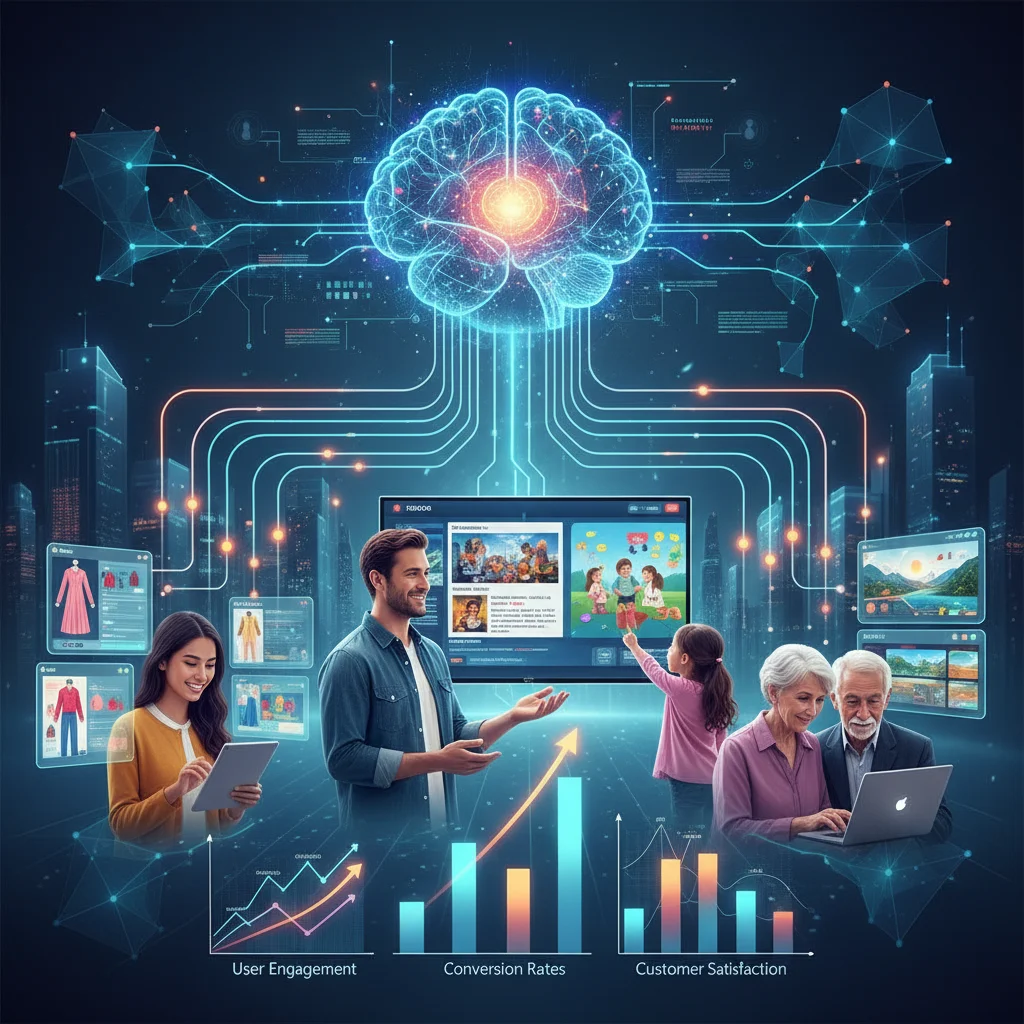
This level of personalization, driven by Generative AI Marketing, will not only improve customer satisfaction but also significantly boost conversion rates and customer loyalty. The ability to speak directly to each customer with relevant content is a game-changer.
SEO and Content Strategy Optimization
Search Engine Optimization (SEO) will also be profoundly impacted. Generative AI will become an invaluable asset for:
- Keyword Research and Analysis: AI tools can quickly identify trending keywords, analyze competitor strategies, and suggest long-tail keywords with high search intent, providing a data-driven foundation for content creation.
- Content Brief Generation: AI can generate comprehensive content briefs, including target keywords, audience insights, competitor analysis, and suggested topics, ensuring that every piece of content is strategically aligned.
- On-Page SEO Optimization: AI can analyze existing content and suggest improvements for on-page SEO elements such as meta descriptions, title tags, internal linking, and content structure, ensuring maximum visibility.
- Content Repurposing: AI will efficiently repurpose long-form content into various formats (e.g., blog post to social media snippets, video script to podcast transcript), maximizing the reach and impact of existing assets with minimal effort. This is a critical aspect of effective Generative AI Marketing.
By leveraging AI for SEO, marketers can ensure their content not only ranks higher but also resonates more deeply with their target audience, driving organic traffic and improving overall digital presence.
Challenges and Considerations for US Marketers
While the opportunities presented by Generative AI Marketing are immense, US marketers must also be cognizant of the challenges and ethical considerations that come with its adoption.
Maintaining Brand Voice and Authenticity
One of the primary concerns is ensuring that AI-generated content maintains a consistent brand voice and authenticity. While AI can mimic styles, true brand voice often stems from human nuances, values, and experiences. Marketers will need to:
- Provide Clear Guidelines: Develop comprehensive style guides and brand voice parameters for AI tools to follow.
- Human Oversight: Implement robust review processes where human editors and writers refine AI-generated content, injecting brand personality and ensuring accuracy.
- Training Data Quality: The quality of the training data fed to generative AI models will directly impact the output. Marketers must ensure this data accurately reflects their brand’s desired tone and messaging.
The goal is not to replace human creativity but to augment it, allowing AI to handle repetitive tasks while humans focus on strategic storytelling and emotional connection. This collaborative approach is key to successful Generative AI Marketing.
Data Privacy and Security
As generative AI models process vast amounts of data, concerns around data privacy and security will intensify. US marketing teams must:
- Comply with Regulations: Adhere strictly to data privacy regulations such as CCPA and other state-specific laws when using AI for personalization and content generation.
- Secure Data Handling: Ensure that any data shared with AI platforms is encrypted and handled securely, protecting sensitive customer information.
- Transparency: Be transparent with customers about how their data is being used to personalize their experiences, building trust and avoiding potential backlash.
Ethical data practices will be non-negotiable for long-term success in Generative AI Marketing.
Bias in AI Models
Generative AI models are trained on existing data, which can sometimes contain biases. If not addressed, these biases can be perpetuated in the generated content, leading to:
- Stereotypical Content: AI might generate content that reinforces stereotypes or excludes certain demographics.
- Inaccurate Information: Biased data can lead to factual inaccuracies or misleading narratives.
Marketers must actively work to identify and mitigate biases in their AI tools and training data, ensuring that their content is inclusive, fair, and accurate. Regular audits and diverse training datasets are crucial for responsible Generative AI Marketing.
The Future of US Marketing: A Human-AI Partnership (Beyond 3 Months)
Looking beyond the initial three months, the trajectory for Generative AI Marketing in the US points towards an increasingly symbiotic relationship between human marketers and AI tools. The future is not about AI replacing humans, but about AI empowering humans to achieve unprecedented levels of creativity, efficiency, and impact.
Advanced Content Ecosystems
We can anticipate the development of more sophisticated content ecosystems where generative AI is seamlessly integrated across all marketing functions. This will involve:
- Predictive Content Creation: AI will not only generate content but also predict which content will perform best with specific audiences, based on historical data and real-time trends.
- Multimodal Content Generation: AI will evolve to generate complex multimodal content, combining text, images, audio, and video into cohesive and engaging narratives with minimal human intervention.
- Adaptive Content: Content will become truly adaptive, dynamically changing in real-time based on user interaction, context, and even emotional responses, offering a truly immersive experience.
This evolution will transform the role of the marketer from a content creator to a content strategist and orchestrator, leveraging AI to execute complex campaigns with precision and speed. The strategic oversight of Generative AI Marketing will become a core competency.
Ethical AI and Trust Building
As AI becomes more pervasive, ethical considerations will move to the forefront. Marketers will need to prioritize:
- Transparency in AI Use: Clearly communicating when AI is used in content creation, especially in sensitive areas like news or health information.
- Accountability: Establishing clear lines of accountability for AI-generated content, ensuring that humans remain responsible for the final output.
- Fairness and Inclusivity: Continuously working to ensure that AI models are trained on diverse and unbiased data, promoting fairness and inclusivity in all marketing communications.
Building trust with consumers in an AI-driven world will be paramount. Brands that prioritize ethical AI practices will gain a significant competitive advantage. Responsible Generative AI Marketing is not just a trend; it’s a necessity.
Practical Recommendations for US Marketers in the Next 3 Months
To effectively navigate this evolving landscape, US marketers should take the following immediate steps:
- Invest in AI Tools and Training: Research and adopt generative AI tools that align with your marketing objectives and budget. Provide comprehensive training to your team on how to effectively use these tools, focusing on prompt engineering and output refinement.
- Establish Clear AI Guidelines: Develop internal guidelines for AI usage, covering aspects like brand voice, ethical considerations, data privacy, and human oversight. Ensure consistency and quality across all AI-generated content.
- Start Small and Iterate: Begin by integrating generative AI into specific, less critical content creation tasks (e.g., drafting internal communications, generating social media post variations) and gradually expand its use as your team gains experience and confidence.
- Monitor Performance and Adapt: Continuously track the performance of AI-generated content. Analyze metrics such as engagement rates, conversion rates, and SEO rankings. Use these insights to refine your AI strategies and optimize outputs.
- Foster a Culture of Experimentation: Encourage your marketing team to experiment with different generative AI applications. The rapid pace of AI development means that new possibilities are constantly emerging. A culture that embraces innovation will be crucial for staying ahead in Generative AI Marketing.
- Focus on Human-AI Collaboration: Emphasize that AI is a co-pilot, not a replacement. Train your team to work effectively with AI, leveraging its speed and scale while contributing their unique human creativity, critical thinking, and emotional intelligence.
- Prioritize Data Governance: Implement robust data governance practices to ensure the ethical and secure handling of data used to train and inform generative AI models. This includes data cleansing, anonymization, and compliance with all relevant privacy regulations.
- Stay Informed on AI Developments: The field of generative AI is moving incredibly fast. Dedicate resources to staying updated on the latest advancements, new tools, and best practices. Industry conferences, webinars, and specialized publications will be vital resources.
- Consider the Customer Journey: Map out your customer journeys and identify specific touchpoints where generative AI can enhance personalization and engagement. From initial awareness to post-purchase support, AI can create more cohesive and relevant experiences.
- Measure ROI: While the benefits of generative AI might seem obvious, it’s crucial to measure the return on investment (ROI) of your AI initiatives. This will help justify further investment and demonstrate the tangible impact of Generative AI Marketing on your business objectives.
Conclusion
The next three months will be a pivotal period for Generative AI Marketing in the US. Marketers who proactively embrace this technology, understand its nuances, and strategically integrate it into their content creation workflows will unlock unprecedented efficiencies, drive deeper personalization, and achieve superior marketing outcomes. The key to success lies in a balanced approach that combines the power of AI with human ingenuity, ensuring that content remains authentic, ethical, and resonant with the target audience. By focusing on smart adoption, continuous learning, and responsible implementation, US marketing teams can confidently navigate this transformative era and emerge as leaders in the AI-driven content revolution.
The shift is not just about using new tools; it’s about fundamentally rethinking how content is conceptualized, produced, and delivered. Those who adapt quickly and strategically will not only survive but thrive in this exciting new chapter of digital marketing, proving that Generative AI Marketing is here to stay and will only continue to evolve.