Bio-Integrated Wearables: Transforming US Health by 2026

The landscape of health and wellness is undergoing a profound transformation, driven by advancements in technology that are increasingly blurring the lines between our bodies and the devices we use. At the forefront of this revolution are bio-integrated wearables, a sophisticated class of health tech that goes beyond simple fitness trackers. These devices are designed to seamlessly integrate with our physiology, offering unprecedented insights into our health in real-time. By December 2026, the impact of bio-integrated wearables on US lifestyles is projected to be nothing short of revolutionary, fundamentally altering how we perceive, monitor, and manage our personal health. This article will delve into six pivotal health tech trends powered by bio-integrated wearables that are set to redefine healthcare in the United States.
The journey from rudimentary activity trackers to sophisticated bio-integrated wearables has been rapid and remarkable. Early wearables, while innovative, often felt like external additions, providing data that required conscious interpretation. Today, and increasingly by 2026, these devices are becoming extensions of ourselves, embedded, discreet, and intuitively responsive to our biological signals. This shift is not merely about convenience; it’s about enabling a proactive, preventative, and highly personalized approach to health that was once the realm of science fiction.
The implications for the US healthcare system are enormous. With rising healthcare costs and an aging population, the ability to continuously monitor health, predict potential issues, and empower individuals with actionable data will be critical. Bio-integrated wearables promise to offload some of the burden from traditional clinical settings, moving a significant portion of health management into the hands of individuals, supported by AI-driven insights and remote medical oversight. This decentralization of health monitoring will foster greater personal accountability and facilitate earlier interventions, ultimately leading to improved health outcomes and a more efficient healthcare ecosystem.
As we explore these trends, it’s essential to understand that the success of bio-integrated wearables hinges on several factors: accuracy of data, user comfort and acceptance, robust data security and privacy protocols, and seamless integration with existing healthcare infrastructure. The technologies discussed herein are not just theoretical constructs; they are already in various stages of development and deployment, poised to scale significantly within the next few years.
1. Continuous and Non-Invasive Glucose Monitoring
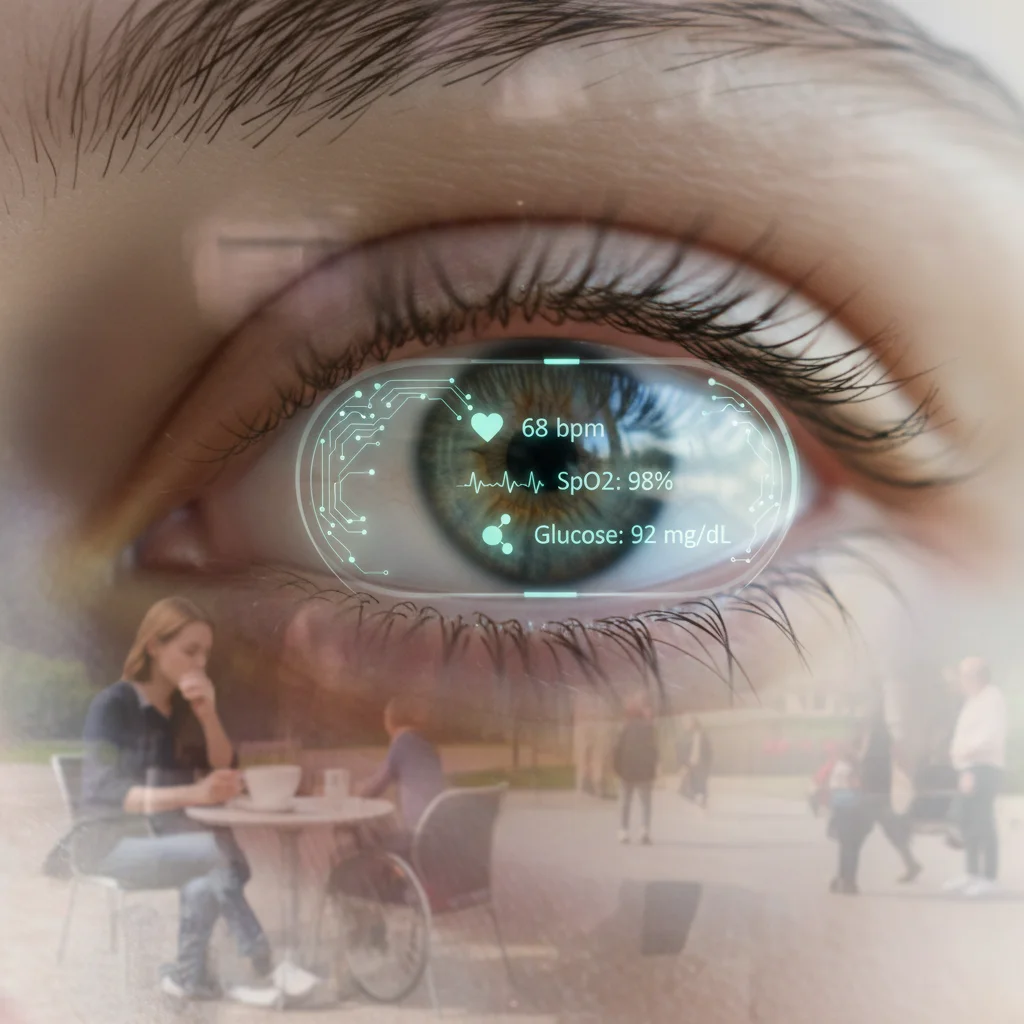
For millions of Americans living with diabetes, the daily ritual of finger-prick blood glucose testing is an unavoidable and often uncomfortable necessity. The advent of continuous glucose monitoring (CGM) devices has already been a game-changer, but the next evolution, driven by bio-integrated wearables, will be truly non-invasive and even more seamless. By December 2026, we can expect to see widespread adoption of devices that can accurately measure blood glucose levels without drawing blood, potentially through advanced optical sensors, sweat analysis, or even smart contact lenses.
Imagine a tiny patch worn discreetly on the skin, or a smart ring that continuously tracks glucose fluctuations, sending real-time data to a smartphone or smartwatch. This constant stream of information empowers individuals to make immediate dietary and activity adjustments, preventing dangerous highs and lows. For healthcare providers, this data offers a comprehensive picture of a patient’s glycemic control, far beyond what sporadic readings can provide. This leads to more precise treatment plans, reduced complications, and a significantly improved quality of life for those managing diabetes. The impact extends beyond diabetes management, too. Non-diabetics are also showing interest in continuous glucose monitoring to optimize their diet, understand energy levels, and improve metabolic health, making this a mainstream health optimization tool.
The development of these non-invasive bio-integrated wearables involves overcoming significant technological hurdles, including sensor accuracy, miniaturization, and power efficiency. However, the rapid pace of innovation in materials science and microelectronics suggests that these challenges are being met. Regulatory approvals will also play a crucial role in their widespread adoption, ensuring safety and efficacy. The convenience and effectiveness of these next-generation CGM devices will undoubtedly transform daily life for people with diabetes, making managing their condition less burdensome and more integrated into their natural routines.
2. Advanced Cardiac Monitoring and Early Detection Systems
Heart disease remains a leading cause of mortality in the US. While traditional ECGs and Holter monitors provide valuable data, they are often episodic or cumbersome. Bio-integrated wearables are set to revolutionize cardiac care by offering continuous, high-fidelity monitoring in a discreet and user-friendly format. By 2026, expect to see more sophisticated smartwatches, patches, and even smart apparel capable of detecting a wider range of cardiac anomalies, from arrhythmias to early signs of heart failure.
These devices will go beyond simple heart rate tracking. They will incorporate advanced sensors to capture detailed electrocardiogram (ECG) data, photoplethysmography (PPG) for blood pressure estimation, and even ballistocardiography (BCG) for measuring the mechanical impulses of the heart. The data collected by these bio-integrated wearables can be analyzed by AI algorithms to identify subtle patterns indicative of impending cardiac events, often before symptoms manifest. This early detection capability is paramount for conditions where timely intervention can be life-saving.
For instance, an individual might receive an alert about an irregular heartbeat, prompting them to consult their doctor. The physician, in turn, would have access to weeks or months of continuous cardiac data, enabling a more accurate diagnosis and personalized treatment plan. This proactive approach not only saves lives but also reduces the burden on emergency services and intensive care units. Furthermore, for individuals recovering from cardiac events, these wearables can provide crucial post-operative monitoring, ensuring adherence to recovery protocols and detecting any complications early. The integration of these systems into remote patient monitoring platforms will further enhance their utility, allowing healthcare providers to oversee large cohorts of patients efficiently.
3. Personalized Drug Delivery and Biometric Feedback Loops
The future of medication isn’t just about taking a pill; it’s about precisely administering the right dose at the right time, tailored to an individual’s real-time physiological needs. Bio-integrated wearables are paving the way for highly personalized drug delivery systems that respond dynamically to biometric feedback. By December 2026, we anticipate significant progress in wearable devices that can autonomously deliver medication based on continuous monitoring of biomarkers.
Consider smart patches that release insulin based on real-time glucose levels, or micro-needles that deliver pain medication only when specific pain biomarkers are detected. These systems represent a significant leap from current fixed-dose regimens. The key innovation lies in the closed-loop system: the bio-integrated wearable monitors a specific physiological parameter, interprets the data, and then triggers the delivery of a therapeutic agent accordingly. This minimizes the risk of under-dosing or over-dosing, optimizes therapeutic efficacy, and reduces side effects.
Beyond chronic disease management, these systems could also play a role in acute care, delivering anti-inflammatory drugs or even adrenaline in emergency situations when a person’s vital signs indicate a critical need. The ethical considerations around autonomous drug delivery are significant and are being actively debated, but the potential for improved patient outcomes, particularly for conditions requiring precise and timely intervention, is undeniable. This trend underscores a move towards truly adaptive and responsive medicine, where the body’s own signals dictate its therapeutic needs. The development of biocompatible materials and highly precise micro-pumps are crucial for the success and safety of these advanced drug delivery bio-integrated wearables.
4. Neuro-Integrated Devices for Mental Health and Cognitive Enhancement
Mental health and cognitive performance are increasingly recognized as critical components of overall well-being. Bio-integrated wearables are emerging as powerful tools in this domain, offering non-invasive ways to monitor brain activity, modulate neural pathways, and provide real-time feedback for improved mental states and cognitive function. By 2026, we expect to see a rise in wearables designed specifically for mental health support and cognitive enhancement.
These devices might include advanced EEG (electroencephalography) headbands or patches that monitor brainwave patterns, providing insights into stress levels, sleep quality, and focus. Coupled with biofeedback mechanisms, these bio-integrated wearables can guide users through meditation exercises, provide gentle neurostimulation to improve concentration, or even offer personalized interventions for anxiety and depression. The goal is not to replace traditional therapy but to augment it with continuous, objective data and personalized support that can be integrated into daily life.
Furthermore, some cutting-edge devices are exploring the potential for targeted neurostimulation to alleviate symptoms of neurological disorders like Parkinson’s or chronic pain. While these are still in earlier stages of development, the promise of non-invasive, personalized neuro-modulation through bio-integrated wearables is immense. The ethical implications surrounding brain activity monitoring and potential manipulation are paramount and require careful consideration and robust regulatory frameworks. However, the potential for these technologies to offer new avenues for mental wellness and cognitive optimization is a significant trend to watch.
5. Smart Textiles and E-Tattoos for Ubiquitous Health Sensing
The future of bio-integrated wearables isn’t just about discrete gadgets; it’s about embedding health monitoring directly into the fabric of our lives – literally. Smart textiles and electronic tattoos (e-tattoos) represent the ultimate in seamless integration, making health sensing ubiquitous and virtually invisible. By December 2026, we anticipate these technologies moving from niche applications to more widespread consumer availability.
Imagine clothing that can monitor your vital signs, track your posture, or even detect early signs of infection through sweat analysis, all without you feeling like you’re wearing a device. Smart textiles weave conductive fibers, sensors, and microelectronics directly into fabrics, creating garments that are comfortable, washable, and constantly collecting health data. These could be athletic wear optimizing performance and preventing injuries, or everyday clothing providing continuous health surveillance for the elderly or those with chronic conditions.
E-tattoos, on the other hand, are ultra-thin, flexible electronic circuits applied directly to the skin like temporary tattoos. These can measure a variety of biomarkers, from hydration levels and temperature to more complex biochemical markers, with high precision and minimal invasiveness. Their discreet nature makes them ideal for long-term monitoring without the bulk or visibility of traditional wearables. The data from these smart textiles and e-tattoos can be wirelessly transmitted to personal devices or healthcare platforms, offering a truly continuous and effortless health monitoring experience. The development of durable, breathable, and aesthetically pleasing smart fabrics, alongside stable and biocompatible e-tattoo materials, are key drivers of this trend.
6. Predictive Analytics and AI-Driven Health Interventions
The true power of bio-integrated wearables lies not just in data collection, but in the intelligent interpretation and application of that data. By 2026, the integration of advanced predictive analytics and artificial intelligence (AI) will transform raw biometric data into actionable health insights and proactive interventions. This trend represents the culmination of all the previous points, turning passive monitoring into active health management.
AI algorithms will analyze vast datasets collected from millions of bio-integrated wearables, identifying subtle correlations and patterns that human eyes might miss. This could lead to the early prediction of disease onset, such as identifying individuals at high risk for a stroke weeks before it might occur, based on changes in their heart rate variability, sleep patterns, and activity levels. For chronic conditions, AI can optimize treatment plans, predict flare-ups, and even suggest personalized lifestyle adjustments to maintain optimal health.
Furthermore, AI-driven health interventions could come in the form of personalized nudges and recommendations delivered through the wearable itself or a connected app. This might include suggestions for hydration based on sweat loss, reminders to take medication, or guided breathing exercises when stress levels are elevated. The goal is to move beyond reactive healthcare to a truly preventative and personalized model, where individuals are empowered to make informed decisions about their health, supported by intelligent systems. The ethical considerations regarding data privacy, algorithmic bias, and the responsibility of AI in healthcare decision-making are critical aspects that must be addressed as these systems become more sophisticated and integrated into our lives.
Challenges and the Path Forward for Bio-Integrated Wearables
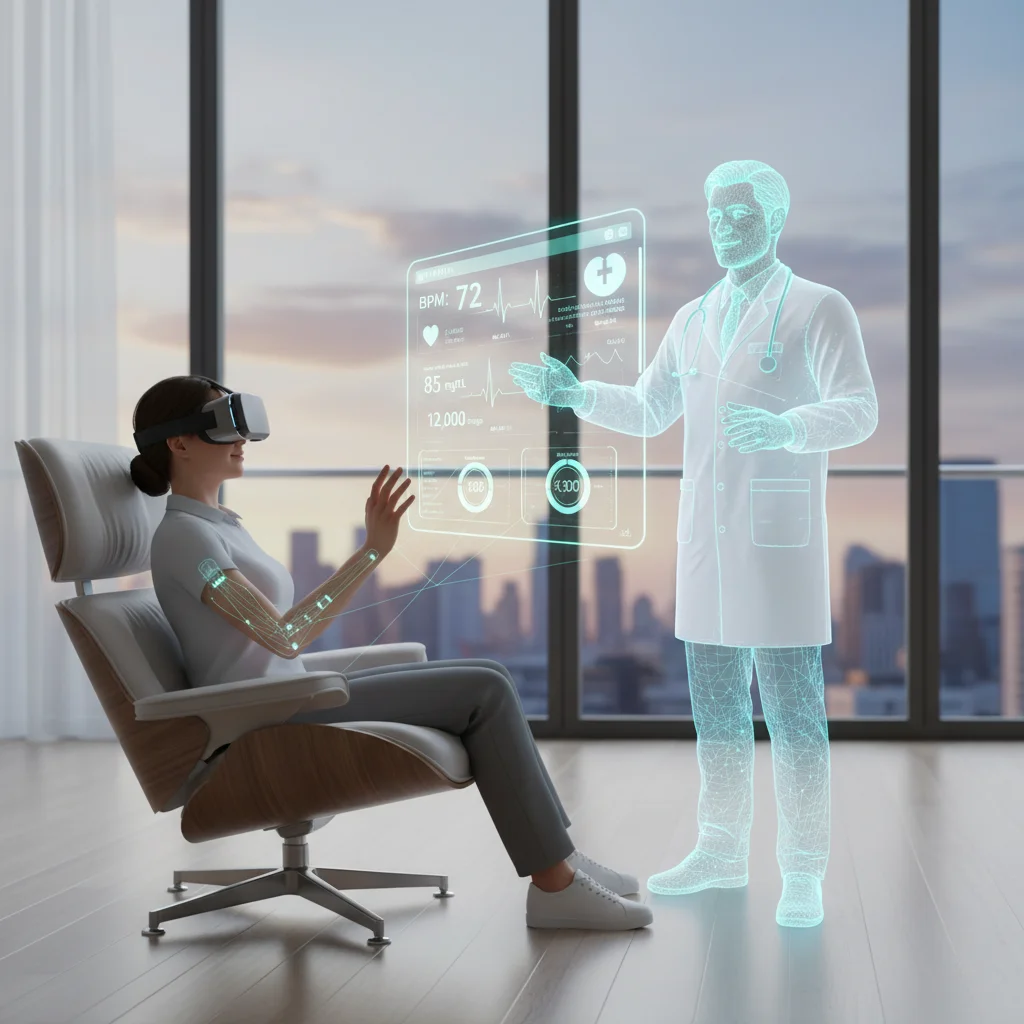
While the promise of bio-integrated wearables is immense, their widespread adoption and full integration into the US healthcare system face several challenges. Data privacy and security are paramount concerns. As these devices collect highly sensitive personal health information, robust encryption, secure storage, and clear consent mechanisms are absolutely critical. Users must trust that their data is protected from breaches and misuse.
Interoperability is another hurdle. For bio-integrated wearables to be truly effective, their data needs to seamlessly integrate with electronic health records (EHRs) and other healthcare platforms. Standardized data formats and communication protocols are essential to avoid fragmented health data and ensure that healthcare providers have a holistic view of their patients’ health. Regulatory frameworks also need to evolve rapidly to keep pace with technological advancements, ensuring the safety, efficacy, and ethical deployment of these innovative devices.
Cost and accessibility are also important considerations. While the initial cost of some advanced bio-integrated wearables might be high, economies of scale and technological advancements are expected to drive prices down. Ensuring equitable access across socio-economic strata will be crucial to prevent widening existing health disparities. Furthermore, user education and acceptance will play a significant role. People need to understand the benefits, feel comfortable using these devices, and trust the data they provide.
Despite these challenges, the trajectory for bio-integrated wearables is overwhelmingly positive. The convergence of miniaturized sensors, advanced materials, artificial intelligence, and cloud computing is creating an ecosystem where continuous, personalized health monitoring is not just possible, but increasingly becoming the norm. The investment from tech giants, pharmaceutical companies, and healthcare providers signals a strong belief in the transformative power of these technologies.
Conclusion: A Healthier Future with Bio-Integrated Wearables
The year 2026 is poised to be a landmark period for health technology in the United States, largely propelled by the rapid evolution and adoption of bio-integrated wearables. From non-invasive glucose monitoring to advanced cardiac detection, personalized drug delivery, neuro-integrated mental health support, smart textiles, and AI-driven predictive analytics, these trends collectively paint a picture of a future where health management is proactive, personalized, and seamlessly integrated into our daily lives.
The shift from reactive treatment to preventative care, empowered by real-time biometric data, holds the potential to significantly improve public health outcomes, reduce healthcare costs, and enhance the quality of life for millions. While challenges in data privacy, interoperability, and regulation remain, the relentless pace of innovation suggests that these hurdles will be overcome. The future of health is undeniably integrated, intelligent, and intimately connected to the remarkable capabilities of bio-integrated wearables.
As these technologies mature and become more ubiquitous, individuals will gain unprecedented control and understanding of their own bodies, fostering a new era of personal wellness and medical empowerment. Healthcare providers will be equipped with richer, more continuous data, enabling more precise diagnoses and tailored treatments. The journey towards a healthier, more technologically advanced US is well underway, and bio-integrated wearables are leading the charge.