U.S. Startups Drive 20% Energy Efficiency Gains by Q3 2026: Sustainable Tech Innovations
U.S. Startups Drive 20% Energy Efficiency Gains by Q3 2026: Sustainable Tech Innovations
The global push for sustainability has never been more urgent, and at the heart of this transformative movement are U.S. startups, pioneering sustainable tech innovations. These agile and visionary companies are not just dreaming of a greener future; they are actively building it, with an ambitious goal: to achieve a remarkable 20% increase in energy efficiency across various sectors by the third quarter of 2026. This target is not merely aspirational; it is a meticulously planned objective, backed by cutting-edge research, bold investments, and a relentless pursuit of technological breakthroughs. The journey towards this milestone is multifaceted, encompassing everything from advanced materials science to sophisticated artificial intelligence, all designed to minimize environmental impact while maximizing productivity.
The landscape of energy consumption is vast and complex, spanning industrial processes, commercial buildings, residential homes, and transportation networks. Each sector presents unique challenges and opportunities for efficiency improvements. U.S. startups are strategically targeting these areas, developing solutions that are not only effective but also scalable and economically viable. Their approach is characterized by a blend of disruptive innovation and practical application, ensuring that these advancements translate into tangible benefits for both the environment and the economy. The urgency of climate change, coupled with a growing demand for sustainable practices, has created a fertile ground for these entrepreneurial ventures to flourish, attracting significant investment and top talent.
This article delves into the core of these efforts, exploring the diverse range of sustainable tech innovations being developed by U.S. startups. We will examine the key technologies, the strategic approaches being employed, and the potential impact of achieving such significant energy efficiency gains. From smart grids and advanced battery storage to AI-powered building management systems and novel manufacturing processes, the scope of innovation is broad and inspiring. Understanding these developments is crucial for anyone interested in the future of energy, environmental sustainability, and the role of technology in shaping a better world. The 20% efficiency target by Q3 2026 is a testament to the power of human ingenuity and collaborative spirit, setting a new benchmark for what is achievable in the realm of green technology.
The Driving Force: Why U.S. Startups Are Leading the Charge in Sustainable Tech Innovations
The United States has long been a hotbed of innovation, and its startup ecosystem is particularly adept at identifying market needs and developing disruptive solutions. In the context of sustainable technology, several factors contribute to the leadership position of U.S. startups. Firstly, a robust venture capital landscape provides essential funding for research, development, and scaling of new technologies. Investors are increasingly recognizing the long-term financial and environmental benefits of sustainable ventures, channeling significant capital into promising green tech companies. This financial backing allows startups to take calculated risks, pursue ambitious projects, and bring their innovations to market faster.
Secondly, a strong foundation of scientific and engineering talent, fueled by world-class universities and research institutions, provides a continuous pipeline of skilled professionals. These experts are crucial for translating complex scientific discoveries into practical, commercially viable products and services. The collaborative environment often found in U.S. tech hubs further accelerates this process, fostering cross-disciplinary collaboration and rapid prototyping.
Thirdly, supportive government policies and incentives play a significant role. Tax credits, grants, and regulatory frameworks designed to encourage renewable energy adoption and energy efficiency improvements create a favorable operating environment for sustainable tech startups. These policies not only reduce the financial burden on emerging companies but also signal a national commitment to environmental stewardship, attracting more talent and investment to the sector. Furthermore, a growing consumer and corporate demand for sustainable products and services provides a powerful market pull. Businesses are increasingly prioritizing ESG (Environmental, Social, and Governance) factors, and consumers are more conscious of their ecological footprint. This demand creates a strong incentive for startups to develop and offer innovative solutions that meet these evolving preferences.
Finally, the inherent agility and adaptability of startups allow them to pivot quickly, respond to emerging challenges, and embrace new technologies with greater ease than larger, more established corporations. This nimbleness is critical in the rapidly evolving field of sustainable technology, where new materials, algorithms, and energy sources are constantly being discovered. The combination of these factors creates a dynamic ecosystem where U.S. startups are uniquely positioned to drive significant progress in sustainable tech innovations, making tangible strides towards the 20% energy efficiency gain by Q3 2026.
Key Technological Fronts: Where Sustainable Tech Innovations Are Making an Impact
The pursuit of a 20% energy efficiency gain by Q3 2026 is being driven by a diverse array of sustainable tech innovations. These breakthroughs are not confined to a single sector but are rather a holistic effort to optimize energy use across the entire economic spectrum. Let’s explore some of the most impactful technological fronts:
Smart Grid Technologies and Energy Management Systems
At the core of modern energy efficiency lies the smart grid. U.S. startups are developing advanced smart grid technologies that enable real-time monitoring, control, and optimization of energy distribution. These systems leverage IoT (Internet of Things) sensors, artificial intelligence, and machine learning algorithms to predict demand, identify inefficiencies, and automatically adjust energy flow. This leads to significant reductions in transmission losses and ensures that energy is used precisely where and when it’s needed.
Beyond the grid, intelligent energy management systems (EMS) for buildings and industrial facilities are revolutionizing consumption patterns. These EMS platforms integrate data from various sources – HVAC systems, lighting, machinery, and occupancy sensors – to create a comprehensive energy profile. AI-driven analytics then identify opportunities for optimization, such as predictive maintenance to prevent energy-intensive breakdowns, dynamic lighting adjustments based on natural light availability, and automated climate control tailored to occupancy levels. Startups like "GridSense AI" and "BuildingOS" are leading the charge, offering solutions that promise substantial energy savings for commercial and industrial clients. Their platforms often include intuitive dashboards and reporting tools, empowering users to understand and manage their energy footprint effectively. The integration of renewable energy sources, such as solar and wind, into these smart grids further enhances their efficiency by intelligently balancing supply and demand, reducing reliance on fossil fuels, and stabilizing grid operations.
Advanced Materials for Enhanced Efficiency
Material science is a quiet but powerful enabler of sustainable tech innovations. Startups are developing new materials that offer superior thermal insulation, improved conductivity, and enhanced durability, all of which contribute to energy efficiency. For instance, advanced insulation materials are being engineered for buildings, reducing heating and cooling demands significantly. These materials often boast higher R-values (thermal resistance) with thinner profiles, allowing for more efficient use of space and construction resources. Aerogels, vacuum insulated panels, and phase-change materials are just a few examples of the innovations making buildings more energy-efficient.
In electronics, new semiconductor materials and manufacturing processes are leading to more energy-efficient microchips and power converters. These innovations reduce the energy lost as heat in electronic devices, from consumer electronics to industrial machinery. Furthermore, the development of lightweight composites and alloys is transforming the transportation sector. Lighter vehicles require less energy to move, translating into better fuel economy for traditional vehicles and extended range for electric vehicles. Startups like "NanoInsulate" and "MetaMaterials Inc." are at the forefront of these advancements, creating materials that are not only energy-efficient but also sustainable in their production and lifecycle. Their work is critical in reducing the embedded energy in products and infrastructure, contributing to a holistic approach to energy conservation.
Next-Generation Energy Storage Solutions
The intermittency of renewable energy sources like solar and wind has historically been a challenge. However, U.S. startups are making significant strides in next-generation energy storage solutions, making renewable energy more reliable and grid-compatible. Beyond traditional lithium-ion batteries, innovations include solid-state batteries, flow batteries, and even thermal energy storage systems. Solid-state batteries promise higher energy density, faster charging times, and enhanced safety, making them ideal for electric vehicles and grid-scale applications. Flow batteries, on the other hand, offer excellent scalability and longer lifespans, suitable for large-scale grid stabilization and industrial energy storage.
Thermal energy storage, which stores energy as heat or cold, is gaining traction for industrial processes and building climate control, providing a cost-effective way to store surplus renewable energy. Startups such as "Form Energy" with their iron-air batteries and "Malta Inc." with their pumped heat energy storage systems are demonstrating the immense potential of these diverse storage technologies. These innovations are crucial for balancing energy supply and demand, integrating more renewables into the grid, and providing backup power during peak demand or outages. By improving the efficiency and accessibility of energy storage, these sustainable tech innovations are directly contributing to the overall 20% energy efficiency target.
Artificial Intelligence and Machine Learning for Optimization
Perhaps one of the most pervasive and impactful sustainable tech innovations is the application of artificial intelligence (AI) and machine learning (ML) across various energy-intensive sectors. AI algorithms can analyze vast datasets from energy consumption, weather patterns, market prices, and equipment performance to identify complex patterns and predict future needs. This predictive capability allows for proactive optimization, preventing energy waste before it occurs. For example, AI-powered predictive maintenance for industrial machinery can schedule repairs before equipment failures lead to inefficient operation or costly downtime.
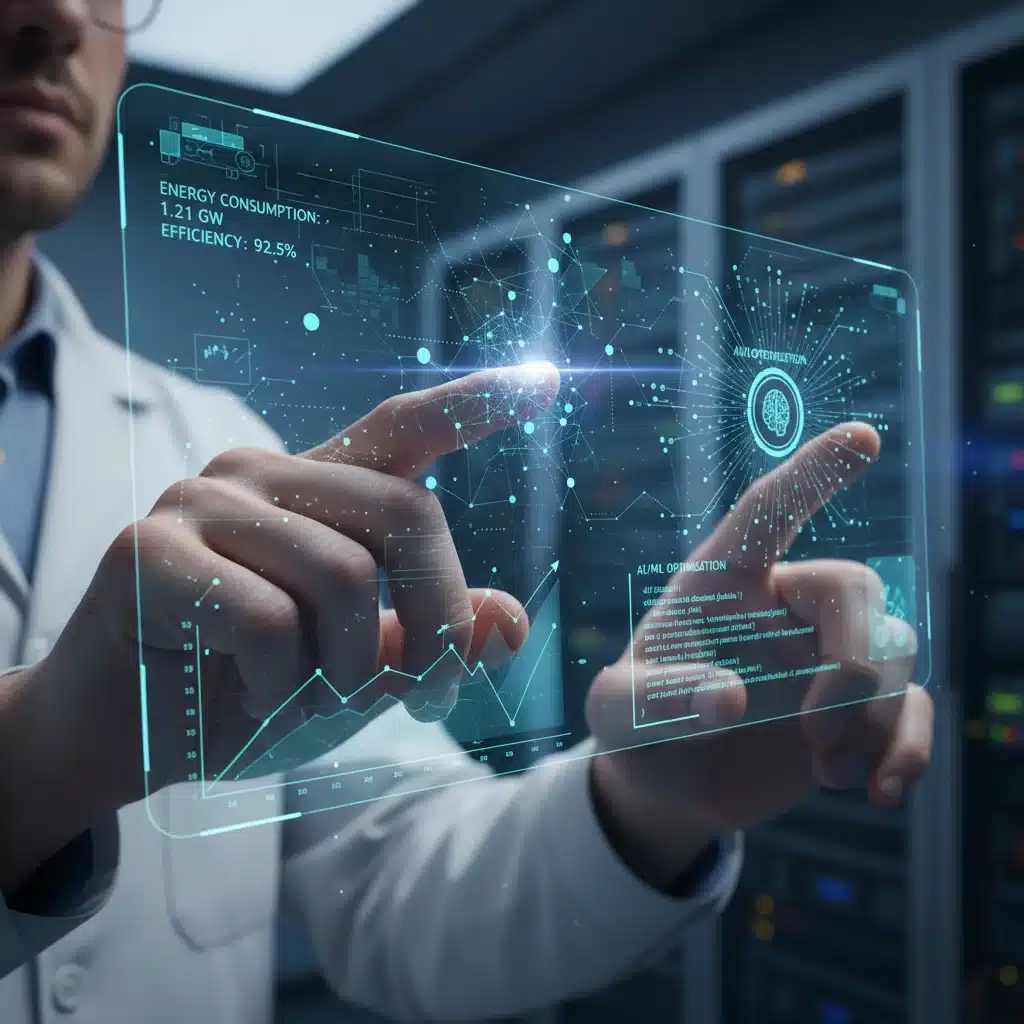
In manufacturing, ML models can optimize production schedules and process parameters to minimize energy consumption without compromising output quality. In logistics and transportation, AI can optimize routes and vehicle loads, reducing fuel consumption and emissions. Even in agriculture, AI is being used to optimize irrigation and fertilization, conserving water and energy. Startups like "Uplight" are using AI to engage consumers in energy-saving behaviors, while "Verdigris" applies AI to monitor and optimize energy use in commercial buildings. The ability of AI to learn, adapt, and make intelligent decisions in real-time is a game-changer for energy efficiency, offering unprecedented levels of optimization that human oversight alone cannot achieve. This widespread application of AI is a cornerstone of the 20% efficiency target.
Circular Economy Principles and Resource Efficiency
While not directly an energy technology, the principles of the circular economy are intrinsically linked to sustainable tech innovations and energy efficiency. By designing products for longevity, reuse, repair, and recycling, startups are significantly reducing the energy required for virgin material extraction and manufacturing. This approach minimizes waste and conserves valuable resources, indirectly leading to substantial energy savings throughout a product’s lifecycle. For example, companies developing advanced recycling technologies can recover high-quality materials from waste streams with far less energy than producing them from scratch. Similarly, platforms facilitating product-as-a-service models or encouraging repair over replacement reduce the overall consumption of new goods and the energy associated with their production.
Startups like "Terracycle" are creating innovative solutions for hard-to-recycle waste, while others are focusing on industrial symbiosis, where waste from one process becomes a raw material for another. This systemic shift towards a circular economy not only conserves resources but also drives the development of new, energy-efficient processes and technologies for material recovery and remanufacturing. The holistic integration of circular economy principles into sustainable tech innovations is a powerful lever for achieving the ambitious energy efficiency goals, demonstrating that efficiency extends beyond just direct energy consumption to the entire resource lifecycle.
Challenges and Opportunities on the Path to 20% Efficiency
Achieving a 20% energy efficiency gain by Q3 2026 is an ambitious goal, and while U.S. startups are making significant progress, they also face a number of challenges. One primary hurdle is the initial capital investment required for deploying many of these advanced sustainable tech innovations. While the long-term savings are substantial, the upfront costs can be prohibitive for some businesses and consumers. Startups are addressing this through innovative financing models, such as energy-as-a-service or performance-based contracts, which shift the financial risk and allow clients to pay for energy savings over time.
Another challenge is the need for widespread adoption and behavioral change. Even the most efficient technologies require users to embrace new practices and integrate them into their daily routines. Educational initiatives and user-friendly interfaces are crucial for overcoming this inertia. Interoperability and standardization are also key concerns. As various smart devices and energy management systems enter the market, ensuring they can communicate and integrate seamlessly is vital for creating truly optimized energy ecosystems. Startups are actively collaborating on open standards and APIs to address this.
Despite these challenges, the opportunities are immense. The global market for sustainable technology is booming, driven by regulatory pressures, corporate sustainability goals, and increasing consumer awareness. This expanding market provides a fertile ground for startups to scale their solutions and achieve significant impact. Furthermore, the continuous advancement in underlying technologies, such as computing power, sensor technology, and material science, continues to open new avenues for innovation. The synergy between different sustainable tech innovations – for example, AI optimizing smart grids that integrate advanced energy storage – creates a powerful multiplier effect, accelerating progress towards the 20% efficiency target.
Case Studies: U.S. Startups Paving the Way
To truly understand the impact of sustainable tech innovations, it’s helpful to look at specific examples of U.S. startups making waves in the sector:
"BrightCharge": Revolutionizing Battery Recycling
BrightCharge, a California-based startup, is tackling the growing challenge of battery waste by developing a proprietary process for efficiently recycling lithium-ion batteries. Their technology can recover up to 95% of valuable materials, including lithium, cobalt, and nickel, with significantly less energy consumption and environmental impact compared to traditional methods. By closing the loop on battery materials, BrightCharge not only reduces the need for virgin mining but also ensures a sustainable supply chain for the rapidly expanding electric vehicle and energy storage markets. Their innovation directly contributes to resource efficiency and reduces the embedded energy in new products.
"AeroTherm Solutions": Advanced Thermal Management
AeroTherm Solutions, based in Massachusetts, specializes in advanced thermal management systems for data centers and industrial processes. Their patented liquid cooling technology can reduce the energy consumption of data center cooling by up to 40% compared to traditional air cooling. This represents a massive energy saving, given that cooling can account for a significant portion of a data center’s total energy footprint. AeroTherm’s sustainable tech innovations are crucial for supporting the burgeoning digital economy while minimizing its environmental impact, directly contributing to overall energy efficiency gains.
"Urban Harvest Robotics": Vertical Farming Energy Optimization
Urban Harvest Robotics, a startup from the Pacific Northwest, is integrating AI and robotics into vertical farming operations to optimize energy use. Their autonomous systems precisely control lighting, temperature, humidity, and nutrient delivery, ensuring optimal plant growth with minimal energy input. By using predictive analytics, their AI can adjust LED lighting schedules and HVAC operations based on real-time plant needs and energy prices, reducing electricity consumption by up to 30% compared to conventional vertical farms. This not only makes food production more sustainable but also brings fresh produce closer to urban centers, reducing transportation energy costs.
"PowerSync Grid": AI-Driven Grid Optimization
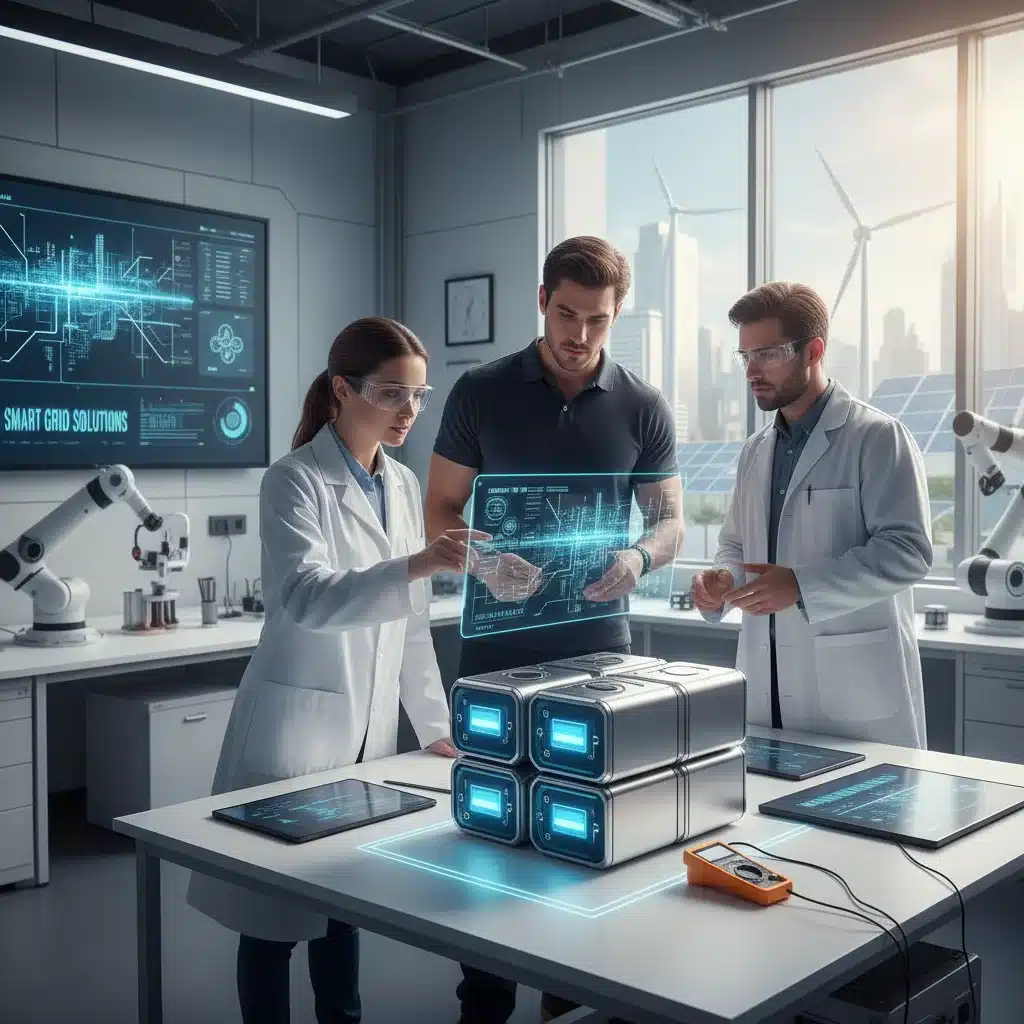
PowerSync Grid, a Texas-based company, is developing AI-powered software solutions that optimize grid operations for utilities. Their platform uses machine learning to forecast energy demand and supply with high accuracy, enabling utilities to better integrate renewable energy sources and reduce reliance on peaker plants, which are often inefficient and carbon-intensive. By intelligently rerouting power and managing distributed energy resources, PowerSync Grid helps prevent energy waste and enhances grid resilience, moving the needle significantly towards the 20% energy efficiency target for the entire energy ecosystem.
The Road Ahead: Sustaining the Momentum
The ambition of U.S. startups to achieve a 20% energy efficiency gain by Q3 2026 through sustainable tech innovations is a powerful testament to their commitment and ingenuity. However, sustaining this momentum requires continued effort and collaboration. Investment in research and development remains paramount, ensuring a continuous pipeline of new technologies and improvements to existing ones. Government support, through consistent policy frameworks and incentives, will be crucial for providing a stable environment for these innovations to thrive and scale. International collaboration and knowledge sharing can also accelerate progress, allowing best practices and technologies to be adopted globally.
Furthermore, fostering a culture of sustainability within businesses and among consumers is essential. Education and awareness campaigns can empower individuals and organizations to make more energy-efficient choices and embrace new technologies. The integration of sustainable practices into corporate strategies, moving beyond mere compliance to genuine commitment, will drive demand for these innovations. As we approach the 2026 deadline, the progress made by U.S. startups will serve as a critical indicator of our collective ability to address climate change and build a more sustainable future. The journey is complex, but with continued innovation, collaboration, and a shared vision, the 20% energy efficiency target is not just achievable but a stepping stone towards a truly sustainable global economy.
Conclusion: A Greener Future Powered by U.S. Sustainable Tech Innovations
The drive by U.S. startups to achieve a 20% energy efficiency gain by Q3 2026 is a beacon of hope in the fight against climate change. Through groundbreaking sustainable tech innovations, these companies are redefining what is possible in energy management, material science, energy storage, and artificial intelligence. Their efforts are not only leading to significant reductions in energy consumption and greenhouse gas emissions but are also creating new economic opportunities and fostering a more resilient and sustainable society. The collaborative spirit, combined with strategic investments and supportive policies, has created a dynamic ecosystem where innovation flourishes.
As we move closer to the target date, the impact of these innovations will become increasingly evident, transforming industries, improving daily lives, and setting a new standard for environmental stewardship. The success of these sustainable tech innovations will undoubtedly inspire further advancements, propelling us towards an even greener and more efficient future. The commitment of U.S. startups to this ambitious goal underscores their pivotal role in shaping a sustainable world, demonstrating that technological progress and environmental responsibility can, and must, go hand in hand.