Decoding American Identity: 5 Recent Cultural Markers Emerging in Early 2026
The tapestry of American identity is perpetually weaving new threads, adapting to technological advancements, global shifts, and evolving societal values. As we navigate the early months of 2026, several American Cultural Markers are emerging, offering profound insights into the collective consciousness of a nation in flux. These markers are not merely fleeting trends; they represent deeper currents shaping how Americans live, work, connect, and perceive themselves in the modern world. Understanding these shifts is crucial for anyone seeking to grasp the nuanced complexities of contemporary American life.
From the increasing embrace of digital citizenship to a renewed emphasis on local communities, from the pervasive influence of the wellness economy to the solidified hybrid work model, and the distinct values championed by emerging generations, each marker tells a story of adaptation, aspiration, and transformation. This article will delve into five such prominent American Cultural Markers, exploring their origins, manifestations, and potential long-term impacts on the nation’s identity.
The Rise of Hyper-Personalized Digital Citizenship
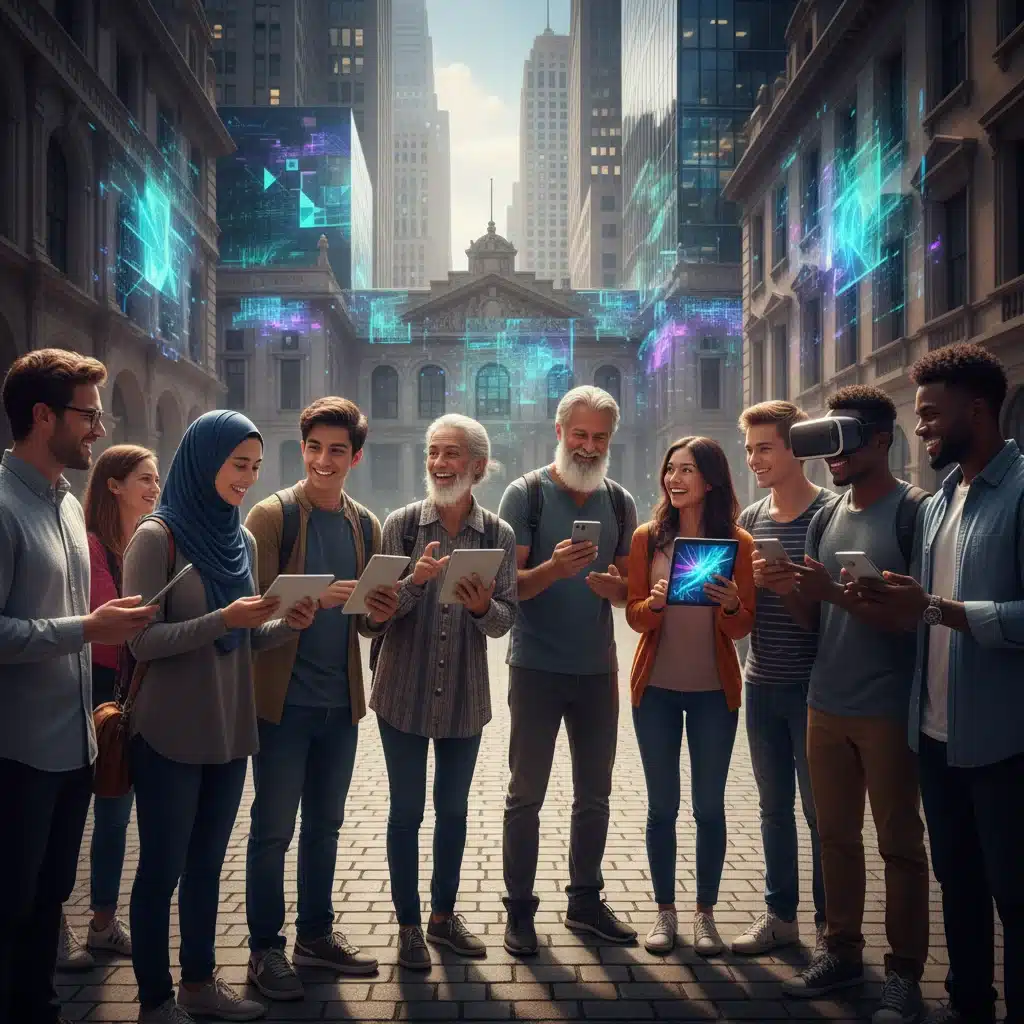
In early 2026, the concept of digital citizenship has evolved beyond mere online etiquette; it has become hyper-personalized. Americans are no longer just passive consumers of digital content but active architects of their online personas and communities. This marker is characterized by a sophisticated engagement with digital platforms, where individuals curate their online experiences with unprecedented precision, seeking spaces that align perfectly with their niche interests, values, and even aesthetic preferences. The generic social media feed is giving way to highly specialized digital enclaves, from bespoke online forums to micro-influencer networks focused on hyper-specific hobbies or causes.
This hyper-personalization extends to political and social engagement. Citizens are leveraging decentralized autonomous organizations (DAOs) and blockchain-based voting systems to participate in governance beyond traditional structures. The digital town square has fractured into countless smaller, more intimate digital communities, each fostering a strong sense of belonging among its members. While this offers unparalleled opportunities for connection and self-expression, it also presents challenges, such as the potential for echo chambers and further societal fragmentation if not managed thoughtfully. The ability to discern credible information amidst a sea of personalized content has become a core competency of the modern American digital citizen.
Furthermore, the development of sophisticated AI tools has enabled individuals to create highly customized digital assistants and personal agents that manage their online interactions, filter information, and even represent them in certain digital spaces. This raises intriguing questions about agency, identity, and the boundaries between human and artificial intelligence in the context of digital interaction. The legal and ethical frameworks surrounding these AI-powered digital extensions are rapidly evolving, reflecting the profound impact this marker is having on the very definition of individual presence and influence online. The push for data sovereignty and digital rights has intensified, with individuals demanding greater control over their personal data and how it is used in these hyper-personalized digital ecosystems. This represents a significant shift from the earlier, more laissez-faire attitudes towards online privacy.
The economic implications are also considerable. The creator economy has matured, with individuals monetizing their unique digital identities and specialized content in innovative ways. From personalized educational modules delivered via VR to bespoke digital art installations, the value of authenticity and niche expertise is soaring. This marker underscores a broader cultural trend: a move away from mass-market appeal towards individualized expression and consumption, both online and offline. Brands and organizations are scrambling to adapt, realizing that a one-size-fits-all digital strategy is no longer effective. Instead, they are investing in highly segmented approaches, leveraging AI to understand and cater to the myriad of hyper-personalized digital identities that constitute the American consumer base. This level of customization, while empowering for individuals, also demands a higher degree of digital literacy and critical thinking to navigate effectively. The educational system is slowly catching up, integrating curricula focused on advanced digital literacy, ethical AI use, and personal data management from an early age, recognizing these as fundamental skills for the modern American citizen.
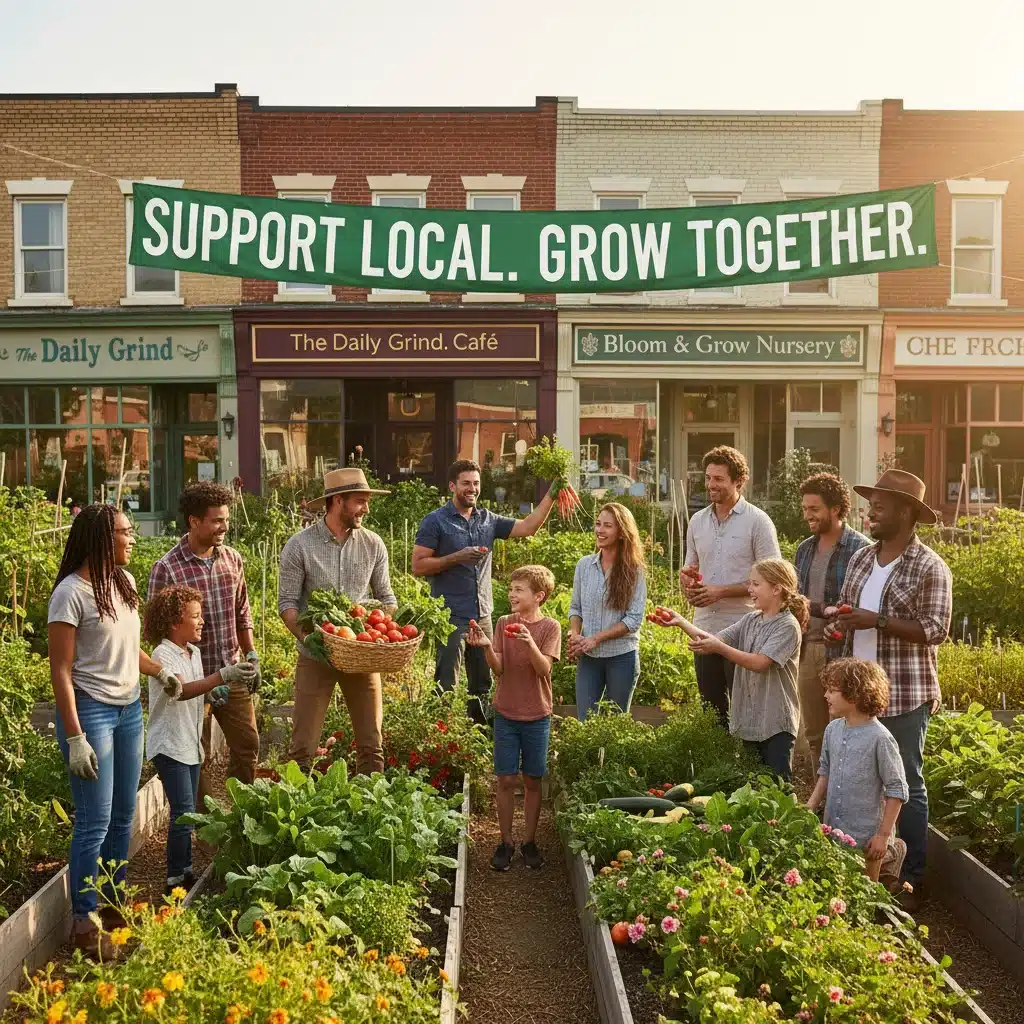
The Resurgence of Localism and Community-Centric Living
While digital citizenship thrives, a powerful counter-current has also emerged: a profound resurgence of localism. This American Cultural Marker signifies a renewed appreciation for immediate surroundings, community bonds, and locally sourced goods and services. Following years of globalized supply chains and increasingly transient populations, Americans are consciously investing in their local communities, seeking authenticity and connection that larger, more anonymous systems often lack.
This localism manifests in various ways. Farmers’ markets are not just places to buy produce; they are vibrant social hubs. Local businesses, especially those with a strong ethical or sustainable mission, are gaining significant traction over national chains. Community gardens are flourishing, fostering shared responsibility and food security. There’s a growing emphasis on local governance, with citizens more actively participating in town hall meetings, neighborhood associations, and grassroots initiatives to improve their immediate environments. This isn’t a rejection of the global, but rather a rebalancing, a recognition that a strong local foundation is essential for individual well-being and societal resilience.
The pandemic, with its forced isolation and supply chain disruptions, undoubtedly accelerated this trend, reminding many of the importance of proximity and mutual support. However, by early 2026, localism has evolved beyond mere necessity into a chosen lifestyle. People are actively seeking to reduce their carbon footprint by consuming locally, supporting local artists and artisans, and building social networks within their geographic communities. This has led to a revitalization of small towns and urban neighborhoods, with a renewed sense of pride and collective identity. The concept of ’15-minute cities’ or ‘walkable neighborhoods’ is gaining significant traction, reflecting a desire for environments where most daily needs can be met without extensive travel, fostering stronger local economies and social ties.
Moreover, localism is influencing educational models, with a greater emphasis on place-based learning and community-integrated curricula. Schools are partnering with local businesses, environmental groups, and historical societies to provide students with hands-on, relevant learning experiences that connect directly to their community’s unique context. This fosters a sense of stewardship and belonging from a young age, further cementing the localist ethos. The rise of community-supported agriculture (CSAs) and local food cooperatives has also seen a significant boom, allowing consumers to directly invest in and benefit from local food production, strengthening the local economy and promoting healthier eating habits. This emphasis on local food systems not only provides fresher, more sustainable options but also builds stronger relationships between producers and consumers, fostering a sense of shared responsibility for the community’s well-being. The architectural movement is also embracing localism, with a focus on using regionally sourced materials and designs that reflect the unique cultural and environmental context of a place, moving away from generic, standardized constructions. This contributes to a distinctive sense of place and reinforces local identity.
The Pervasive Influence of the Holistic Wellness Economy
Wellness, once a niche industry, has transformed into a foundational American Cultural Marker by early 2026, permeating nearly every aspect of daily life. This isn’t just about physical fitness or diet; it’s a holistic approach encompassing mental health, emotional intelligence, spiritual well-being, financial literacy, and even environmental consciousness. The wellness economy has expanded exponentially, offering personalized solutions that integrate seamlessly into work, education, and leisure.
Wearable technology has become incredibly sophisticated, providing real-time biometric data and AI-driven insights into stress levels, sleep patterns, and cognitive function. Mental health apps are now as common as fitness trackers, offering personalized therapy, meditation guides, and cognitive behavioral exercises. Companies are increasingly integrating wellness programs into their employee benefits, recognizing that a healthy workforce is a productive one. Schools are introducing comprehensive emotional intelligence curricula, acknowledging the critical role of mental and emotional well-being in academic success and personal development.
The pursuit of wellness has also led to a re-evaluation of consumption habits. There’s a growing demand for products and services that contribute to overall well-being, from sustainably sourced food to eco-friendly fashion, from mindfulness retreats to digital detox experiences. This marker reflects a cultural shift towards proactive self-care and preventive health, driven by a greater awareness of the interconnectedness of mind, body, and environment. The stigma surrounding mental health issues has significantly diminished, leading to more open conversations and accessible support systems. This societal acceptance is a crucial component of the holistic wellness trend, enabling individuals to seek help without fear of judgment and fostering a culture of empathy and understanding.
Furthermore, the integration of personalized genomics and epigenetics into wellness strategies is becoming more widespread. Individuals are increasingly utilizing genetic testing to understand their predispositions to certain conditions and to tailor their diet, exercise, and lifestyle choices for optimal health outcomes. This highly individualized approach to wellness represents a significant advancement from generic health advice, empowering individuals with data-driven insights to take greater control over their physical and mental vitality. The demand for certified wellness coaches and personalized health navigators has skyrocketed, as people seek expert guidance in interpreting complex data and implementing comprehensive wellness plans. This professionalization of the wellness industry underscores its growing importance as a legitimate and integral part of the American healthcare and lifestyle landscape. Moreover, urban planning is beginning to incorporate wellness principles, with green spaces, accessible walking paths, and community health centers being prioritized in new developments, recognizing the profound impact of environment on well-being. This holistic urban design approach fosters healthier communities by integrating physical activity and mental respite into the daily lives of residents.
The Solidification of the Hybrid Work-Life Model
The hybrid work model, born out of necessity during global crises, has solidified into a permanent American Cultural Marker by early 2026. This isn’t merely about working from home a few days a week; it represents a fundamental redefinition of the relationship between work, life, and physical location. Companies have largely embraced flexible schedules, allowing employees to blend office-based collaboration with remote work, optimizing for both productivity and personal well-being.
This marker has profound implications for urban planning, real estate, and commuting patterns. Commercial office spaces are being redesigned to be more collaborative hubs rather than traditional cubicle farms. Residential areas in suburban and rural locales are experiencing a renaissance as individuals seek more space and a better quality of life, unconstrained by daily commutes to urban centers. The concept of the ‘workation’ has become mainstream, with employees leveraging their remote flexibility to work from different locations, blurring the lines between vacation and professional life.
The hybrid model has also driven innovation in collaboration tools and digital infrastructure, making seamless remote interaction more efficient and engaging. However, it also presents challenges, such as maintaining company culture, ensuring equitable opportunities for remote and in-office employees, and preventing burnout from the constant ‘always-on’ expectation. Companies are investing heavily in strategies to foster connection, mentorship, and mental health support within this flexible framework, recognizing that the long-term success of the hybrid model hinges on its human-centric implementation.
Furthermore, the legal and regulatory landscape surrounding hybrid work is rapidly evolving, addressing issues such as taxation for remote employees in different states, data security protocols for distributed teams, and employee rights concerning remote work setups. This evolving framework aims to provide clarity and fairness for both employers and employees in this new paradigm. The gig economy has also seen a significant boost from the hybrid model, as more professionals opt for project-based work that offers maximum flexibility and autonomy. This trend is fostering a new class of highly skilled independent contractors who can leverage their expertise across multiple organizations, further diversifying the American workforce. Education and training programs are adapting to prepare individuals for a workforce that demands greater self-management, digital proficiency, and adaptability. Universities and vocational schools are offering more online and hybrid learning options, mirroring the flexibility of the professional world and ensuring that the next generation of workers is well-equipped for this evolving landscape.

The Distinct Values of Emerging Generations: Gen Alpha and Early Gen Z
The values and priorities of Gen Alpha and the younger segment of Gen Z are rapidly solidifying into a distinct American Cultural Marker, significantly influencing everything from consumer behavior to political discourse. These generations, who have grown up entirely immersed in a digital world and a period of unprecedented global challenges, exhibit a unique blend of pragmatism, social consciousness, and a demand for authenticity.
Environmental sustainability is not just a concern for them; it’s a non-negotiable. They expect brands and institutions to demonstrate genuine commitment to ecological responsibility, and they are willing to boycott those that don’t. Diversity, equity, and inclusion are also core tenets, shaping their social interactions, media consumption, and career aspirations. They are less tolerant of performative activism and demand systemic change, often leveraging their digital fluency to organize and amplify their voices.
Financial literacy and economic prudence are also surprisingly prominent, perhaps a response to growing up in an era of economic uncertainty. They are savvy about personal finance, investing, and the long-term implications of their economic choices. Furthermore, these generations value mental health and emotional well-being above traditional metrics of success, prioritizing work-life balance and personal fulfillment. They are challenging conventional notions of career progression, seeking purpose-driven work and opportunities for continuous learning and skill development over rigid hierarchical structures.
Their approach to education is also distinct. They are comfortable with self-directed learning, digital resources, and personalized educational pathways. They value practical skills and real-world application over rote memorization, pushing educational institutions to innovate and adapt. This generational marker is not just about youth culture; it represents a powerful force that is already reshaping societal norms, consumer markets, and political landscapes. Businesses and policymakers who fail to understand and engage with these evolving values risk becoming irrelevant in the rapidly changing American context. Their influence is particularly strong in the realm of ethical consumption, driving demand for transparency in supply chains, fair labor practices, and cruelty-free products. This pressure is compelling industries across the board to re-evaluate their operational ethics and environmental impact, leading to a more responsible and accountable corporate landscape. The rise of social entrepreneurship and impact investing is also heavily influenced by these generations, who seek to align their financial decisions with their values, supporting businesses that aim to solve social and environmental problems alongside generating profit. This signals a fundamental shift in the purpose of business, moving towards a more integrated model of value creation that considers both financial returns and societal benefit.
Conclusion: The Dynamic Evolution of American Identity
The five American Cultural Markers discussed – hyper-personalized digital citizenship, the resurgence of localism, the pervasive influence of the holistic wellness economy, the solidification of the hybrid work-life model, and the distinct values of emerging generations – collectively paint a vivid picture of a nation in constant evolution. These markers are not isolated phenomena but rather interconnected threads in the complex fabric of American identity, each influencing and being influenced by the others.
The tension between hyper-individualized digital experiences and a renewed yearning for local community underscores a fundamental human desire for both autonomy and belonging. The comprehensive embrace of wellness reflects a societal pivot towards sustainability and self-preservation in an increasingly demanding world. Meanwhile, the hybrid work model and the value systems of Gen Alpha and early Gen Z are actively redefining the very structures of society, from how we earn a living to what we deem important in life.
As we move further into 2026 and beyond, these American Cultural Markers will continue to deepen and diversify, presenting both opportunities and challenges. Understanding them is not just an academic exercise; it is essential for businesses to innovate, for policymakers to govern effectively, and for individuals to navigate their personal and collective futures. The story of American identity is one of continuous reinvention, and these emerging markers are the latest chapters in that compelling narrative, inviting us to reflect on who we are and who we are becoming as a nation.
The adaptability and resilience demonstrated through these cultural shifts highlight a dynamic capacity for growth and change within American society. While some markers might seem contradictory, they often represent a search for balance – balancing global connectivity with local roots, technological advancement with human well-being, and individual freedom with collective responsibility. This ongoing negotiation shapes the national character and provides rich ground for future sociological study and cultural commentary.
Ultimately, these American Cultural Markers serve as a compass, pointing towards the evolving aspirations and anxieties of a diverse populace. They remind us that culture is not static; it is a living, breathing entity, constantly being shaped by the choices and innovations of its people. To engage with these markers is to engage with the very soul of contemporary America, offering a deeper appreciation for its complexities and its boundless potential for transformation.