DAOs and US Corporate Governance: 2026 Impact Analysis
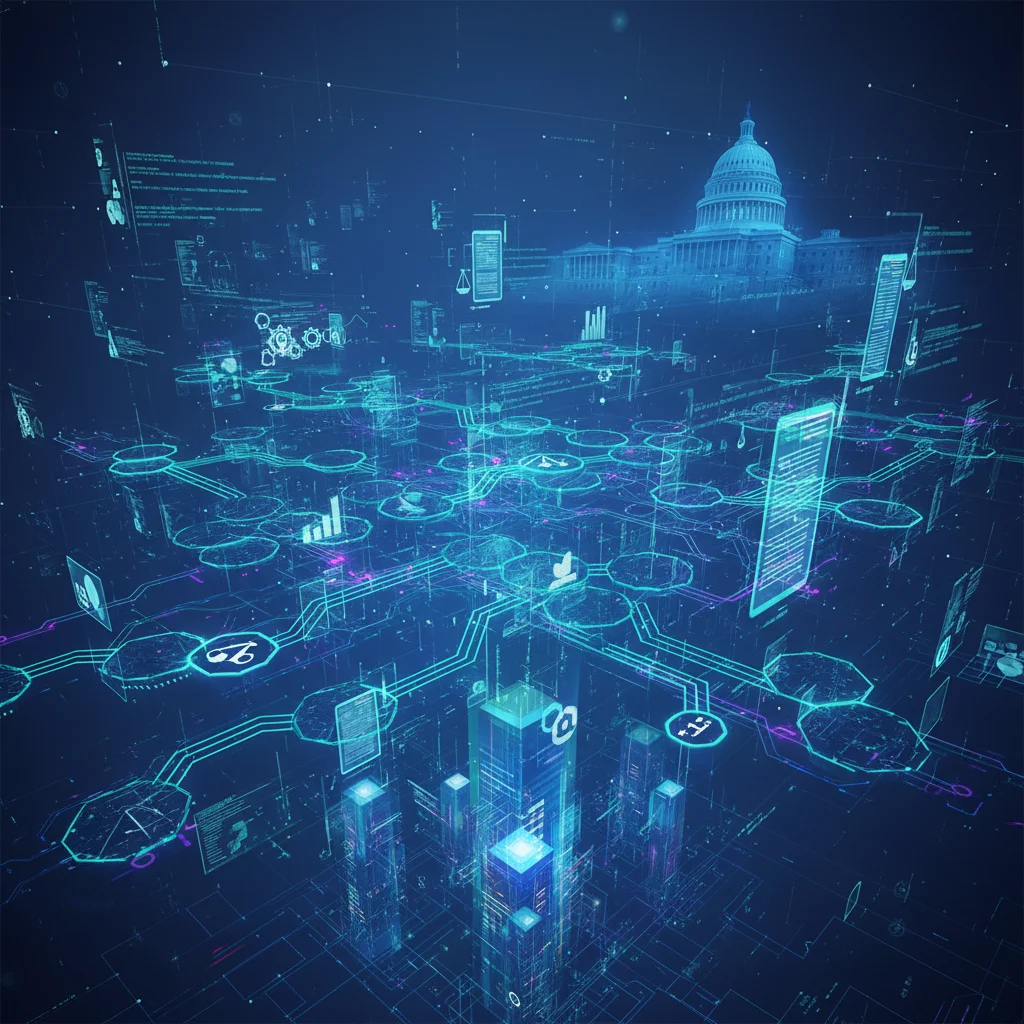
The landscape of corporate governance in the United States is perpetually evolving, shaped by technological advancements, economic shifts, and societal demands. As we inch closer to 2026, one emergent paradigm stands poised to exert substantial influence: Decentralized Autonomous Organizations, or DAOs. These blockchain-native entities represent a radical departure from traditional corporate structures, offering a vision of fully autonomous, transparent, and community-governed organizations. This comprehensive analysis will explore the anticipated impact of Decentralized Autonomous Organizations (DAOs) on US corporate governance by 2026, dissecting their potential to disrupt, innovate, and challenge established legal and operational frameworks. Understanding DAO Corporate Governance is paramount for businesses, legal professionals, and policymakers alike.
Traditional corporations operate under hierarchical structures, with boards of directors, executive officers, and shareholders playing distinct roles in decision-making and oversight. This model, while time-tested, often grapples with issues of transparency, accountability, and the alignment of interests between various stakeholders. DAOs, by contrast, leverage blockchain technology and smart contracts to automate governance rules and execute decisions, theoretically eliminating the need for intermediaries and central authority. This fundamental difference suggests a future where the very definition of a ‘company’ could undergo a profound transformation.
The Rise of DAOs: A Brief Overview
Before delving into their impact, it’s crucial to understand what DAOs are. At their core, DAOs are organizations represented by rules encoded as a transparent computer program, controlled by the organization’s members, and not influenced by a central government. The financial transaction records and program rules of a DAO are maintained on a blockchain. Members typically own governance tokens, which grant them voting rights on proposals related to the DAO’s operations, treasury management, and future development. This mechanism allows for a distributed, collective decision-making process, often in real-time and without geographical constraints.
The concept of DAOs gained significant traction with the advent of Ethereum and its smart contract capabilities. Early examples, such as ‘The DAO’ in 2016, highlighted both the immense potential and the inherent risks of this nascent organizational form. Despite initial setbacks, the underlying technology and governance models have matured considerably. Today, DAOs are actively managing vast treasuries, funding projects, and governing decentralized protocols across various sectors, from finance (DeFi) to art (NFTs) and social impact initiatives. The evolution of DAO Corporate Governance has been rapid and continuous.
Fundamental Differences: DAO vs. Traditional Corporate Governance
The contrast between DAO and traditional corporate governance is stark. In a traditional corporation, shareholders elect a board of directors, who then appoint executives to manage daily operations. Decisions flow top-down, and accountability is often concentrated within a few individuals or a small group. Legal frameworks, such as corporate charters and bylaws, define the structure and operation, with extensive regulatory oversight from bodies like the SEC.
DAOs, conversely, embody a bottom-up approach. Governance is codified in smart contracts, making rules immutable and transparent. Any member holding governance tokens can submit proposals and vote on them, with predefined thresholds for approval. This distributed authority aims to mitigate single points of failure, reduce corruption, and foster greater community engagement. The transparency of on-chain voting and treasury management offers a level of accountability rarely seen in traditional organizations. This radical shift in DAO Corporate Governance is what makes it so compelling yet challenging.
Key differences include:
- Decision-Making: Hierarchical and centralized vs. distributed and algorithmic.
- Transparency: Limited and often opaque vs. public and auditable on-chain.
- Legal Identity: Clearly defined corporate entity vs. often ambiguous or nascent.
- Accountability: Concentrated in individuals/board vs. distributed among token holders and code.
- Intermediaries: Extensive legal, financial, and administrative intermediaries vs. minimized through smart contracts.
Anticipated Impact on US Corporate Governance by 2026
By 2026, the influence of DAOs on US corporate governance will likely be multifaceted, affecting legal frameworks, operational models, and even the very definition of corporate personhood. The ongoing maturation of the blockchain ecosystem, coupled with increasing institutional interest, will accelerate this impact.
1. Regulatory Scrutiny and Legal Recognition
One of the most pressing issues for DAOs is their legal status. Currently, many DAOs operate in a legal gray area in the US. Without clear legal recognition, members face potential personal liability, and DAOs struggle with contractual enforcement and asset ownership. By 2026, we anticipate significant progress in this regard.
States like Wyoming have already taken proactive steps to provide legal clarity by enacting legislation that allows DAOs to register as Limited Liability Companies (LLCs) or unincorporated non-profit associations. This trend is likely to expand, with other states following suit to attract blockchain innovation. Federal regulators, including the SEC and CFTC, will also likely provide more definitive guidance on how DAOs and their governance tokens are classified (e.g., as securities, commodities, or new asset classes). This clarity is essential for mainstream adoption and for integrating DAOs into the existing financial and legal infrastructure. Clear legal frameworks for DAO Corporate Governance are crucial.
The challenge lies in balancing innovation with investor protection and market integrity. Regulators will need to develop nuanced approaches that acknowledge the unique characteristics of DAOs without stifling their growth. This might involve creating new regulatory categories or adapting existing ones to fit the decentralized paradigm.
2. Hybrid Governance Models and Corporate Innovation
While pure DAOs offer a revolutionary vision, many traditional corporations may not fully transition to a decentralized model overnight. Instead, 2026 will likely see the proliferation of hybrid governance models. These models would integrate elements of DAO governance, such as transparent on-chain voting for certain decisions or community-driven funding mechanisms, within existing corporate structures.
For instance, a traditional company might launch a subsidiary DAO to manage a specific project, fund research and development, or engage its customer base in product development decisions. This allows corporations to experiment with decentralized principles, leverage the collective intelligence of a broader community, and enhance transparency without abandoning their established legal and operational frameworks. This evolution of DAO Corporate Governance will be a significant trend.
These hybrid models could offer a pathway for large enterprises to gradually adopt blockchain technology and decentralized governance, fostering innovation while managing risk. It also provides a learning ground for both traditional businesses and DAO communities to understand each other’s strengths and weaknesses.
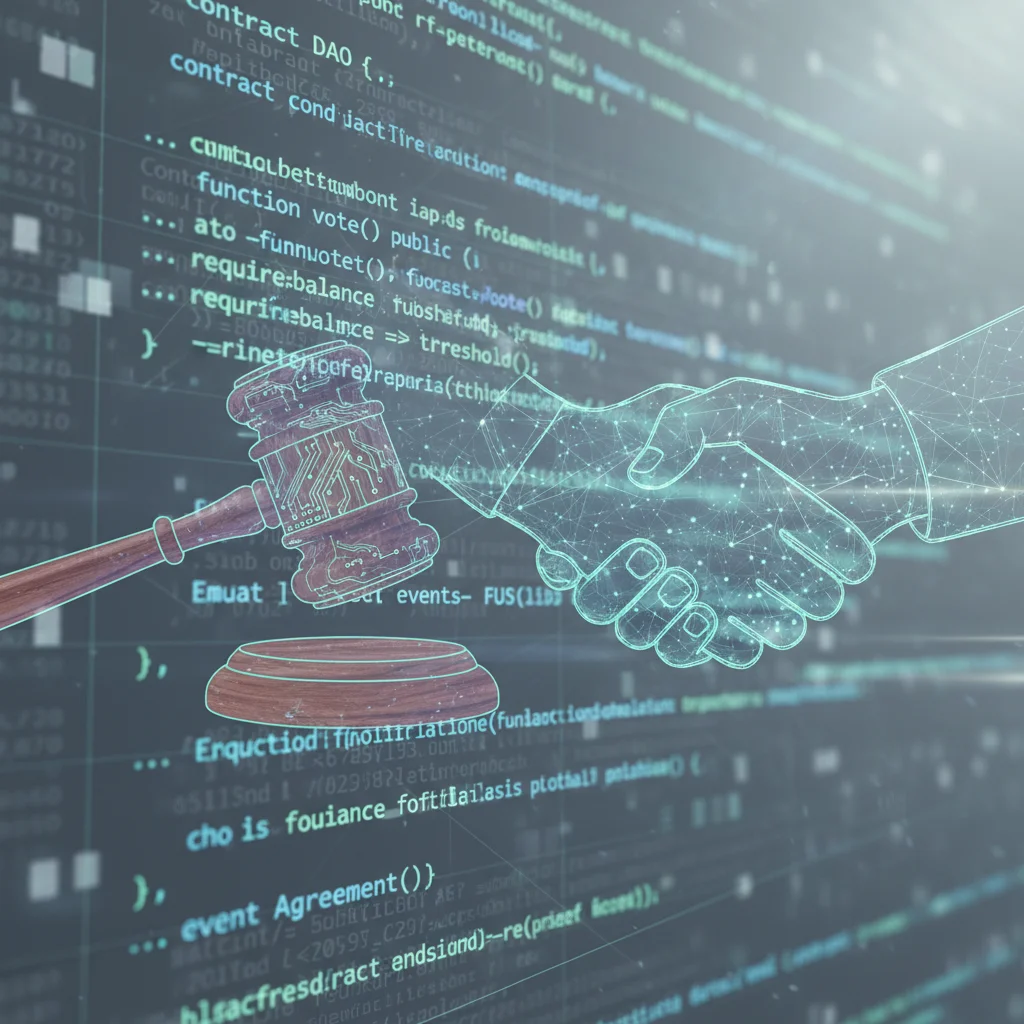
3. Enhanced Stakeholder Engagement and Accountability
DAOs inherently promote greater stakeholder engagement. By issuing governance tokens, DAOs can empower a wider range of participants – not just traditional shareholders – to have a direct say in the organization’s direction. This could include employees, customers, suppliers, and even ecosystem partners, turning them into active contributors and decision-makers.
By 2026, this shift could pressure traditional corporations to rethink their stakeholder engagement strategies. Companies that embrace more inclusive governance models, perhaps inspired by DAO principles, may gain a competitive advantage in terms of brand loyalty, innovation, and talent retention. The transparent nature of DAO decision-making also sets a new bar for corporate accountability. With all votes and treasury movements recorded on a public ledger, the ability to scrutinize an organization’s actions becomes unprecedented. This could lead to increased demand for similar levels of transparency in traditional corporate governance, pushing for more robust reporting and auditing mechanisms.
4. Challenges to Traditional Fiduciary Duties and Liability
The decentralized nature of DAOs poses significant challenges to established legal concepts, particularly fiduciary duties and liability. In traditional corporations, directors and officers owe fiduciary duties to the company and its shareholders, requiring them to act in the organization’s best interest. In a DAO, where decision-making is distributed among numerous token holders, identifying who bears these duties, and how they are enforced, becomes complex.
By 2026, legal systems will be grappling with these questions. New legal precedents or legislative changes may be necessary to define the responsibilities of DAO members, core contributors, and developers. The concept of ‘code is law’ inherent in smart contracts also challenges traditional legal interpretation, where intent and context play crucial roles. This will necessitate a re-evaluation of liability in cases of smart contract bugs, governance attacks, or malicious proposals. The evolution of DAO Corporate Governance will depend on resolving these legal ambiguities.
5. The Impact on Capital Formation and Investment
DAOs introduce novel ways of capital formation, often through token sales or treasury contributions from their members. This enables projects to raise funds directly from a global community without relying on traditional venture capital or public markets. By 2026, this alternative capital formation model will likely become more sophisticated and widely accepted, especially for Web3 and blockchain-native projects.
Traditional investors and venture capitalists are already adapting, creating dedicated funds for DAO investments or participating directly in governance. The ability to directly influence a project’s direction through governance tokens offers a new dimension to investment, moving beyond passive equity ownership. This could democratize access to investment opportunities and foster a more engaged investor base. However, regulatory clarity on token classifications will be essential for broader institutional participation.
Technological and Operational Considerations by 2026
Beyond legal and governance structures, the technological underpinnings of DAOs will also see significant advancements by 2026, further shaping their impact on US corporate governance.
1. Improved Security and Scalability of Blockchain Networks
The security and scalability of the underlying blockchain networks are paramount for the robust operation of DAOs. By 2026, significant progress in layer-2 scaling solutions, sharding, and alternative consensus mechanisms will make blockchain transactions faster, cheaper, and more efficient. This will enable DAOs to handle a larger volume of governance activities and manage more complex operations without being hampered by network congestion or high gas fees. Enhanced security measures will also reduce the risk of exploits and attacks, building greater trust in DAO systems. These technological improvements are vital for the widespread adoption of DAO Corporate Governance.
2. Sophisticated Governance Tooling and Infrastructure
The tools and infrastructure supporting DAO governance are constantly evolving. By 2026, we can expect more user-friendly interfaces for proposal creation and voting, advanced analytics for token holder behavior, and robust treasury management solutions. Specialized platforms will emerge that simplify the creation, management, and participation in DAOs, making them more accessible to a broader audience. These advancements will lower the barrier to entry for individuals and organizations looking to engage with decentralized governance, fostering a more vibrant and diverse DAO ecosystem.
3. Interoperability and Cross-Chain DAOs
Currently, many DAOs operate within the confines of a single blockchain. By 2026, increased interoperability between different blockchain networks will allow for the creation of cross-chain DAOs. These DAOs could manage assets and execute operations across multiple chains, expanding their reach and utility. This would enable more complex and resilient decentralized organizations, capable of interacting with a wider array of protocols and applications. The ability to seamlessly operate across different blockchain environments will unlock new possibilities for DAO Corporate Governance models.
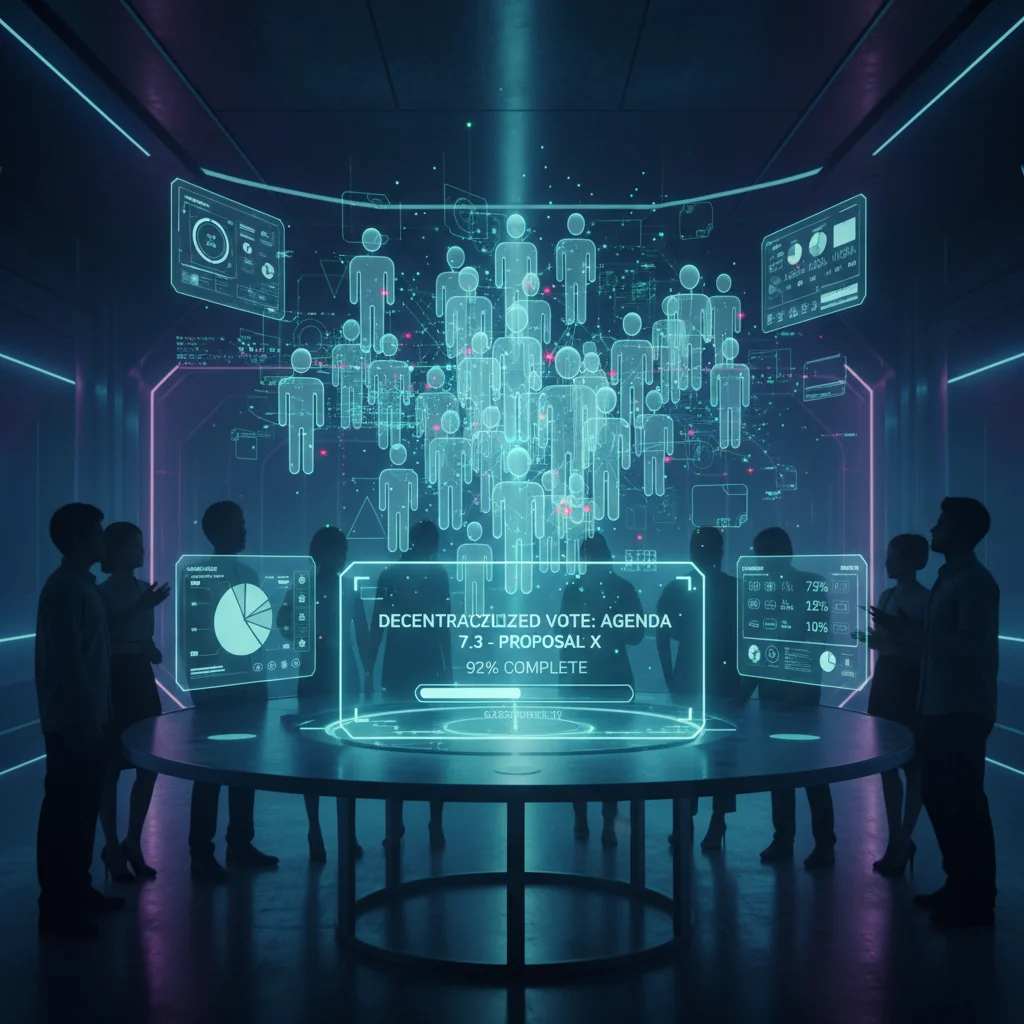
Potential Disruption and Transformation
The rise of DAOs carries the potential for significant disruption across various sectors. By 2026, this disruption will be more evident as DAOs mature and their use cases expand.
1. Reshaping the Financial Industry
Decentralized Finance (DeFi) is already a major proving ground for DAOs. By 2026, many financial services, from lending and borrowing to asset management and insurance, could be governed by DAOs. This could lead to more transparent, efficient, and accessible financial systems, challenging traditional banking and financial institutions. The ability for communities to collectively manage vast treasuries and allocate capital without intermediaries could fundamentally alter how financial services are delivered and regulated. The impact on DAO Corporate Governance within finance will be transformative.
2. The Future of Work and Talent Management
DAOs offer a new paradigm for organizing work, moving away from traditional employer-employee relationships towards a more fluid, project-based, and globally distributed workforce. By 2026, more individuals might choose to work for multiple DAOs simultaneously, contributing their skills to various projects and earning governance tokens or crypto compensation. This could lead to a more meritocratic and flexible work environment, attracting top talent globally. Companies will need to adapt their talent acquisition and management strategies to compete with the allure of decentralized work models.
3. Intellectual Property and Creative Industries
DAOs are also emerging in the creative industries, enabling artists, musicians, and content creators to collectively own, manage, and monetize their intellectual property. By 2026, we could see DAOs playing a significant role in copyright management, royalty distribution, and collaborative content creation. This could empower creators, reduce reliance on traditional intermediaries (like record labels or publishers), and foster more equitable distribution of value within creative ecosystems.
Challenges and Roadblocks Ahead
While the potential of DAOs is immense, several challenges must be overcome by 2026 for them to fully integrate into the US corporate governance landscape.
1. Regulatory Uncertainty and Compliance Burden
As mentioned, the lack of clear and consistent regulatory frameworks remains a significant hurdle. DAOs operating globally face a patchwork of differing legal interpretations, making compliance a complex and costly endeavor. The need for harmonized international regulations or at least clear US federal guidance will be critical to foster responsible innovation and prevent regulatory arbitrage. Navigating this complex regulatory environment is a key aspect of DAO Corporate Governance.
2. Security Risks and Governance Attacks
Despite advancements, DAOs are not immune to security vulnerabilities. Smart contract bugs, governance exploits (e.g., flash loan attacks manipulating voting), and lack of proper security audits can lead to significant financial losses and reputational damage. Ensuring the security and resilience of DAO infrastructure will be an ongoing challenge, requiring continuous innovation in smart contract auditing, formal verification, and robust governance design.
3. Decentralization Dilemmas and Voter Apathy
While DAOs aim for decentralization, achieving true decentralization in practice can be difficult. Concentration of governance tokens in the hands of a few large holders can lead to plutocracy, where decision-making power is skewed. Furthermore, voter apathy, where a significant portion of token holders do not participate in governance, can undermine the democratic ideals of DAOs. Designing effective incentive mechanisms and fostering active community participation will be crucial for the long-term health and legitimacy of DAOs. Addressing these issues is vital for effective DAO Corporate Governance.
4. Operational Efficiency and Decision-Making Speed
The distributed nature of DAO governance can sometimes lead to slower decision-making processes, especially when complex proposals require extensive discussion and multiple rounds of voting. Traditional corporations can make swift executive decisions, which can be a competitive advantage in fast-moving markets. DAOs will need to develop more efficient governance mechanisms, perhaps involving delegated voting, sub-DAOs, or specific roles for expedited decisions on certain operational matters, without compromising decentralization.
Conclusion: The Evolving Face of DAO Corporate Governance
By 2026, Decentralized Autonomous Organizations will undoubtedly have left an indelible mark on US corporate governance. While they may not entirely replace traditional corporate structures, their principles of transparency, distributed decision-making, and enhanced stakeholder engagement will influence how businesses are formed, operated, and regulated. We can expect a legal landscape that is more accommodating to DAOs, a proliferation of hybrid governance models, and increased pressure on traditional corporations to adopt more transparent and inclusive practices.
The journey will not be without its challenges, including ongoing regulatory uncertainty, security risks, and the inherent complexities of decentralized coordination. However, the transformative potential of DAOs to create more equitable, efficient, and resilient organizations is too significant to ignore. As technology continues to advance and legal frameworks adapt, understanding and engaging with the evolving world of DAO Corporate Governance will be essential for anyone looking to navigate the future of business in the United States.