In the whirlwind of daily news cycles, it’s easy to get caught up in the big, splashy headlines. Political dramas, economic fluctuations, and global events often dominate our attention, leaving little room to observe the subtle yet profound shifts happening beneath the surface of American society. However, true understanding of a nation’s pulse requires looking beyond the immediate and delving into the evolving cultural landscape. Over the past three months, a fascinating tapestry of American cultural shifts has been weaving itself, quietly reshaping how we live, work, and interact. These aren’t always front-page stories, but their collective impact is undeniable, pointing towards a future that looks increasingly different from the past.
This article aims to illuminate four such unseen American cultural shifts that have gained significant traction recently. By focusing on these emerging trends, we can gain a more nuanced perspective on the evolving identity of the United States and anticipate future developments. From the way we connect with our communities to our evolving relationship with technology and even our understanding of personal well-being, these shifts reflect a dynamic and adaptable society. Understanding these changes is not just for academics or marketers; it’s for anyone who wishes to comprehend the deeper currents influencing everyday life in America.
The concept of ‘culture’ itself is fluid, constantly adapting to new stimuli, challenges, and opportunities. What might seem like a minor adjustment today can cascade into a widespread societal norm tomorrow. Our exploration will move beyond anecdotal evidence, drawing on observations from various sectors – from technology adoption rates to shifts in consumer behavior and evolving social norms. Prepare to look at American society through a different lens, one that highlights the quiet revolutions shaping our collective experience.
The Quiet Rise of Hyper-Localism and Community Re-engagement
One of the most compelling American cultural shifts observed in the last quarter is the burgeoning trend of hyper-localism and a renewed focus on community re-engagement. For years, the digital age was heralded as the era of global connectivity, often at the expense of local ties. However, recent events and evolving priorities have prompted many Americans to look inward, fostering stronger connections within their immediate geographical areas.
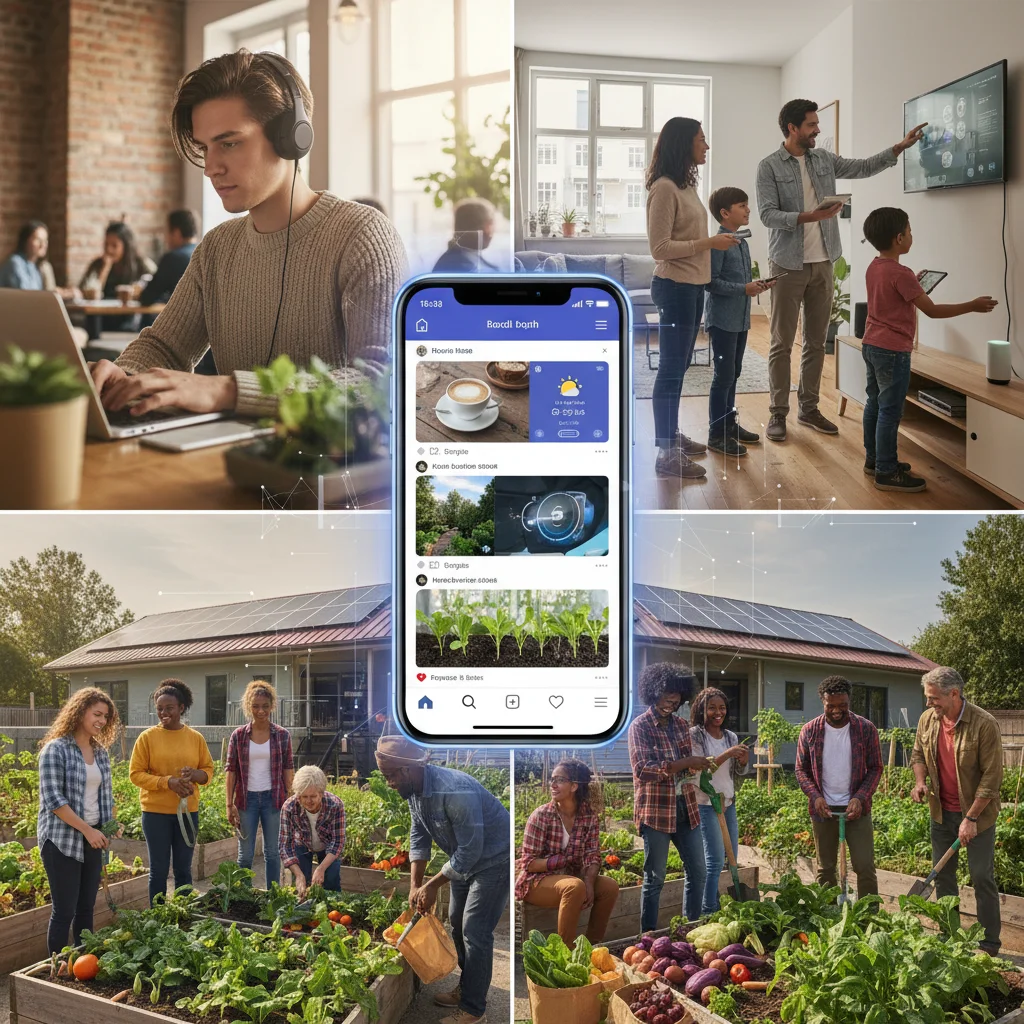
This isn’t merely about ‘buying local’ (though that’s certainly a component); it’s about a deeper investment in one’s neighborhood, town, or city. We’re seeing a significant uptick in participation in local events, support for small businesses, and engagement in neighborhood-level initiatives. Community gardens are flourishing, local farmers’ markets are experiencing renewed popularity, and online neighborhood forums are more active than ever. This shift is partly a response to the perceived fragmentation of broader society and a desire for tangible, supportive networks.
What’s driving this? Several factors contribute. Firstly, the lingering effects of global events have highlighted the importance of resilient local supply chains and support systems. When national or international systems faced disruptions, local communities often stepped up to fill the void, reinforcing their value. Secondly, there’s a growing disillusionment with purely digital connections. While social media offers vast networks, it often lacks the depth and genuine support found in face-to-face interactions. People are craving authenticity and a sense of belonging that digital platforms sometimes struggle to provide.
Moreover, remote and hybrid work models, while offering flexibility, have also meant that many individuals spend more time in their residential communities. This increased presence naturally leads to a greater awareness of and investment in local resources and relationships. Parents are more engaged with local school boards, residents are volunteering for park clean-ups, and neighbors are actively organizing social gatherings. This hyper-local focus is a powerful counter-narrative to the widespread narrative of increasing isolation, demonstrating a resilient human need for collective identity and mutual support.
This shift has significant implications for everything from urban planning to local politics and consumer behavior. Businesses that understand and cater to this hyper-local sensibility are likely to thrive. Municipalities that invest in local infrastructure, parks, and community centers will see greater civic engagement. It’s a re-anchoring, a return to the roots of community, and a vital component of the evolving American cultural shifts we are witnessing.
The Evolving Landscape of Digital Well-being and ‘Tech-Life Balance’
Another profound yet subtle American cultural shift is the burgeoning awareness and active pursuit of ‘tech-life balance’ and digital well-being. For years, the narrative around technology was largely one of unbridled adoption and constant connectivity. However, the last three months have seen a noticeable acceleration in a societal recalibration, as individuals and even institutions begin to grapple with the mental, emotional, and physical toll of constant digital immersion.
This isn’t about rejecting technology outright; it’s about a more mindful and intentional relationship with it. People are increasingly setting boundaries, implementing ‘digital detox’ periods, and seeking out tools and practices that promote healthier online habits. We’re observing a rise in apps designed to limit screen time, features on devices that track usage, and even social movements encouraging people to disconnect regularly. The conversation has shifted from ‘how much can I do with technology?’ to ‘how can technology serve me without overwhelming me?’
This evolving perspective is driven by several factors. A growing body of research highlights the negative impacts of excessive screen time on sleep, attention spans, and mental health. There’s also a generational learning curve; younger generations, having grown up with pervasive digital access, are often the first to experience and vocalize the downsides, leading to a more proactive approach to managing their digital lives. Furthermore, the sheer volume of information and constant notifications can lead to decision fatigue and anxiety, prompting a desire for greater calm and focus.
Businesses are also beginning to respond to this cultural shift. Employers are recognizing the importance of employee well-being, including their digital habits, and some are implementing policies to encourage disconnecting after hours. Tech companies themselves are, albeit slowly, incorporating features that allow for more control over notifications and usage. The mainstream media is also full of articles and discussions about the importance of digital boundaries, reinforcing the legitimacy of this concern.
The pursuit of digital well-being is manifesting in various ways: designated ‘no-phone’ zones in homes, scheduled periods of non-digital activities, and a greater appreciation for offline hobbies and interactions. This isn’t a fleeting trend; it’s a fundamental adjustment to how society integrates omnipresent technology into daily life, striving for a more harmonious coexistence. It represents a mature stage in our relationship with the digital realm, acknowledging its power while actively mitigating its potential drawbacks – a crucial aspect of contemporary American cultural shifts.
The Blurring Lines: Work, Life, and the Home Environment
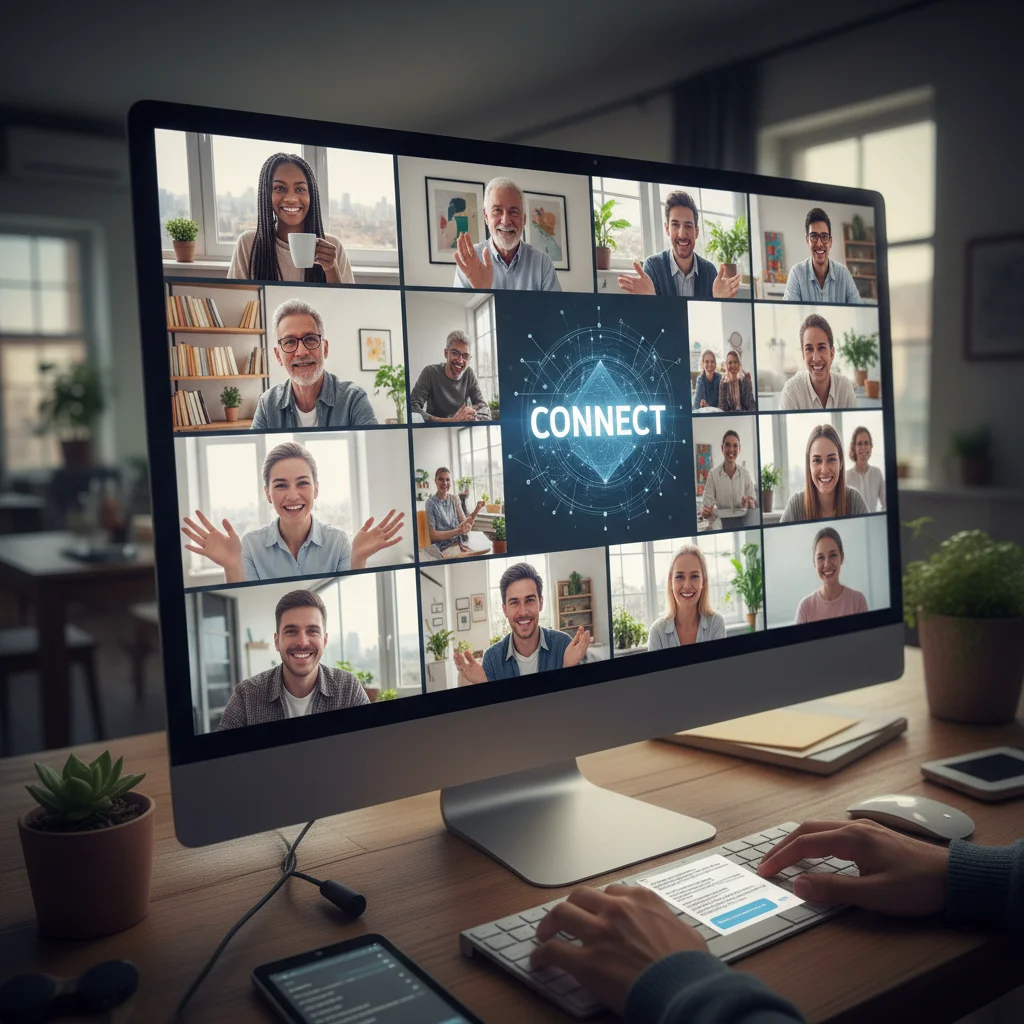
The third significant American cultural shift gaining momentum over the past three months is the further blurring of lines between work, personal life, and the home environment. While the concept of remote work isn’t new, its widespread adoption and the subsequent evolution of its implications are continually reshaping household dynamics and individual routines.
Initially, remote work was often seen as a temporary measure, but it has solidified into a permanent fixture for a significant portion of the American workforce. This has profound consequences. Homes are no longer solely private sanctuaries; they are also offices, gyms, classrooms, and entertainment hubs. This multifaceted role for the home requires constant adaptation and negotiation, both physically and psychologically.
One observable aspect of this shift is the increased investment in home infrastructure. People are upgrading their internet, investing in ergonomic furniture, creating dedicated workspaces, and even renovating homes to better accommodate hybrid living. The ‘home office’ has evolved from a makeshift corner to a thoughtfully designed space, reflecting its permanence in many lives. This also extends to technology; smart home devices that manage climate, lighting, and security are becoming more integral to managing these blended environments efficiently.
Furthermore, the integration of work and life within the same physical space has led to new expectations around flexibility. The traditional 9-to-5 workday is increasingly giving way to more fluid schedules, allowing individuals to integrate personal errands, family responsibilities, or wellness activities throughout the day, rather than confining them to evenings and weekends. While this offers immense benefits in terms of autonomy, it also presents challenges in maintaining boundaries and preventing work from encroaching too much on personal time. The pursuit of ‘work-life integration’ rather than ‘work-life balance’ is a telling indicator of this shift.
This cultural shift also impacts family dynamics. Partners are often navigating shared workspaces, children are more aware of their parents’ professional lives, and pets have become integral ‘co-workers.’ The need for clear communication and shared understanding within households has never been more critical. The very definition of ‘home’ is expanding, becoming a more dynamic and adaptable space that reflects the complex lives of its inhabitants. This transformation in how Americans inhabit and utilize their homes is a subtle yet powerful ongoing American cultural shift.
The Rise of ‘Conscious Consumption’ and Values-Driven Spending
The final, yet equally impactful, American cultural shift we’ve observed in the last three months is the accelerated growth of ‘conscious consumption’ and a stronger emphasis on values-driven spending. Consumers are increasingly scrutinizing the ethical, environmental, and social impact of the products and services they purchase, moving beyond mere price and quality considerations.
This isn’t a completely new phenomenon, but its mainstream adoption has surged. More and more Americans are actively seeking out brands that align with their personal values, whether those values relate to sustainability, fair labor practices, diversity and inclusion, or local sourcing. Disposable consumption is being challenged by a desire for durability, repairability, and products with a lower environmental footprint. This is evident in the growing popularity of second-hand markets, eco-friendly product lines, and companies that transparently report their supply chains and social initiatives.
What’s fueling this intensified focus on conscious consumption? Firstly, increased awareness. Access to information about corporate practices, environmental challenges, and social injustices is more readily available than ever before, empowering consumers to make more informed choices. Social media plays a significant role here, amplifying both positive and negative brand stories.
Secondly, there’s a generational component. Younger consumers, particularly Gen Z and Millennials, are often more vocal and proactive about their values, and they expect brands to reflect those values. Their purchasing power is growing, and businesses are taking notice.
Thirdly, the perceived inadequacies of governmental action on certain issues (like climate change or social equity) have pushed individuals to feel a greater sense of personal responsibility, leading them to use their purchasing power as a form of activism. Spending is increasingly seen as a vote for the kind of world consumers want to live in.
This shift has profound implications for businesses. Brands can no longer merely offer a good product; they must also demonstrate good corporate citizenship. Transparency, authenticity, and genuine commitment to social and environmental causes are becoming prerequisites for consumer loyalty. Companies that fail to adapt to this values-driven marketplace risk alienating a significant and growing segment of consumers. This evolution in consumer behavior is a powerful and enduring aspect of the current American cultural shifts, indicating a deeper societal introspection about the impact of our choices.

Anticipating the Future: The Lingering Impact of These Shifts
The four American cultural shifts discussed – the rise of hyper-localism, the pursuit of digital well-being, the blurring of work-life-home boundaries, and the acceleration of conscious consumption – are not isolated phenomena. They are interconnected threads in a larger tapestry of societal evolution, each influencing and reinforcing the others. Understanding their individual trajectories is important, but recognizing their collective impact is crucial for anyone seeking to comprehend the contemporary American experience.
The increased focus on local communities, for instance, can lead to more resilient local economies and stronger social safety nets, potentially counteracting some of the atomizing effects of digital life. Simultaneously, the quest for digital well-being might free up more time and mental space for engaging in those very local activities. The integration of work and life within the home could foster a greater appreciation for one’s immediate surroundings, further fueling local engagement and conscious choices about household consumption.
Looking ahead, these shifts suggest a future where adaptability and intentionality are paramount. Individuals will continue to navigate complex relationships with technology, striving for balance rather than mere immersion. Communities will likely become more central to personal identity and support systems. The home will remain a multifaceted hub, demanding flexibility and thoughtful design. And consumer choices will increasingly be driven by a blend of personal values and practical needs, pushing businesses towards greater ethical responsibility.
For policymakers, these shifts highlight the need for policies that support local economies, promote digital literacy and well-being, and facilitate flexible work arrangements. For businesses, they underscore the importance of authenticity, ethical practices, and a deep understanding of evolving consumer values. For individuals, they offer opportunities for greater connection, mindfulness, and a more integrated, purpose-driven life.
These unseen American cultural shifts are not just passing trends; they are foundational changes that reflect a society in constant dialogue with itself, adapting to new realities and redefining what it means to live well in the 21st century. By paying attention to these quiet revolutions, we can better understand the present and more effectively shape the future of America.
The Interplay of Technology and Human Connection
It’s fascinating to observe how technology, often blamed for societal fragmentation, is simultaneously being re-evaluated as a tool for fostering these new American cultural shifts. While the pursuit of digital well-being involves setting boundaries, it also acknowledges technology’s role in facilitating remote work, connecting hyper-local communities through online forums, and providing platforms for conscious consumers to research ethical brands. The challenge lies in leveraging technology’s benefits while mitigating its drawbacks, a dance that Americans are continually refining.
For example, local community groups often use social media platforms to organize events or share resources, effectively using digital tools to strengthen offline bonds. Similarly, remote work relies heavily on digital communication, yet the desire for ‘tech-life balance’ is about ensuring that these tools don’t consume one’s entire existence. This nuanced relationship suggests a maturing approach to technology, where it’s seen as a servant rather than a master, a tool to enhance rather than dictate human experience.
Economic Implications of Shifting Values
The economic ramifications of these American cultural shifts are substantial. The emphasis on hyper-localism directs more capital into local economies, potentially creating more robust and resilient small business sectors. Conscious consumption, in turn, drives demand for sustainable, ethically produced goods, pushing industries towards more responsible manufacturing and sourcing practices. This can lead to the growth of new markets and the transformation of existing ones.
Businesses that fail to recognize these shifts risk obsolescence. Those that embrace them, however, can find new avenues for innovation and customer loyalty. The ‘green economy’ and the ‘local-first’ movement are not just buzzwords; they are economic forces powered by changing consumer values. This reorientation of economic priorities reflects a deeper societal desire for impact over mere acquisition, a powerful signal of evolving American priorities.
The Future of Urban and Rural Spaces
These cultural shifts also have significant implications for the future of both urban and rural spaces. Hyper-localism could lead to a revitalization of city neighborhoods and small towns, as residents invest more in their immediate surroundings. The blurring of work and home life might continue to decentralize populations, as the necessity of commuting to a central office diminishes, allowing people more choice in where they live.
This could mean a resurgence for smaller communities that offer a desirable quality of life, access to nature, and strong local ties. Urban centers, in turn, might need to adapt by fostering more vibrant, walkable neighborhoods and community-focused amenities to retain residents who now have more options. The traditional distinctions between urban, suburban, and rural living may become increasingly fluid as these American cultural shifts continue to unfold.
Personal Growth and Societal Resilience
Ultimately, these four unseen American cultural shifts point towards a society that is actively seeking greater personal growth and collective resilience. The move towards digital well-being is a quest for mental clarity and focus. Hyper-localism is a search for stronger, more supportive social structures. The integration of work and life aims for greater personal autonomy and fulfillment. And conscious consumption is a desire for a more ethical and sustainable world.
These are not superficial changes but rather deep-seated movements that reflect a maturing society grappling with the complexities of the modern world. By understanding and adapting to these evolving cultural currents, individuals, communities, and institutions can better navigate the present and collaboratively build a more desirable future for all Americans.