Generational Divide or Cultural Evolution? A 2026 Analysis of American Values Across Ages
Generational Divide or Cultural Evolution? A 2026 Analysis of American Values Across Ages
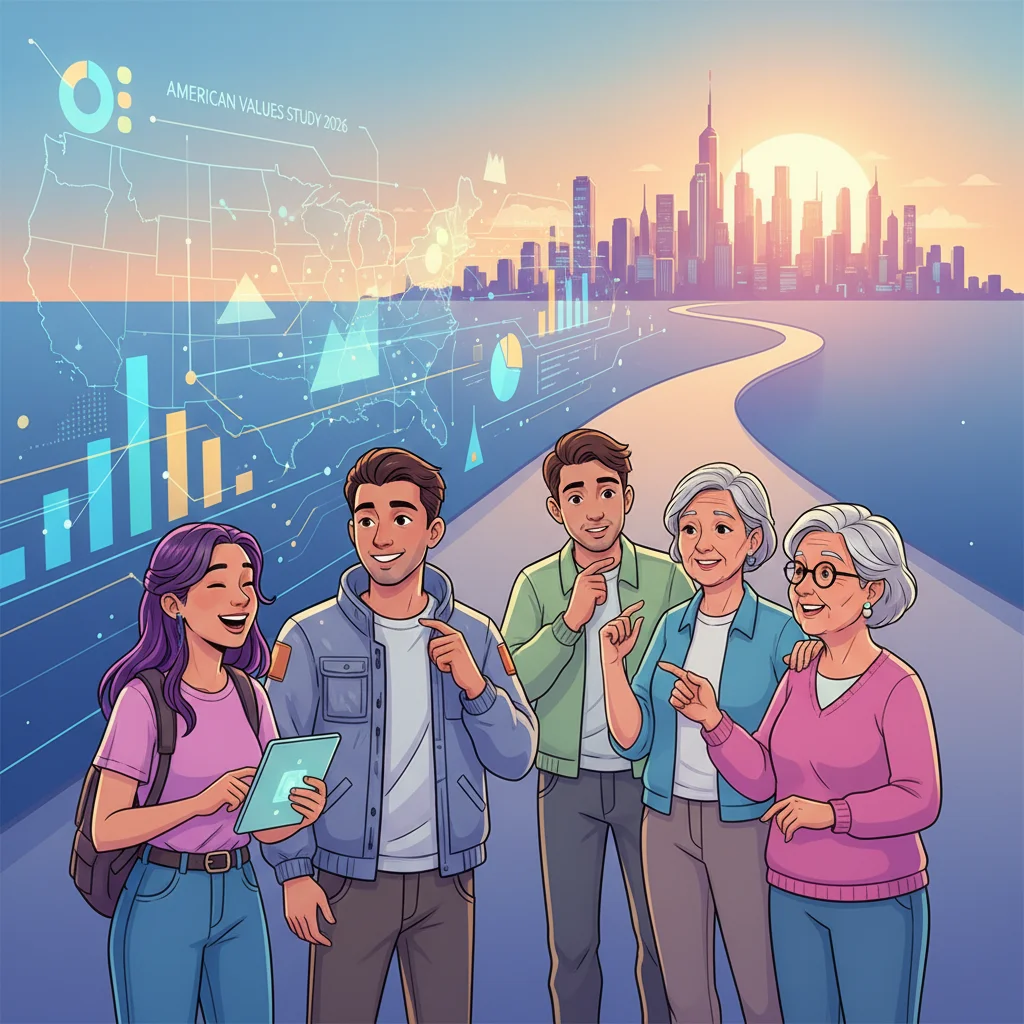
The year 2026 marks a fascinating juncture in American society. As the digital native Gen Z comes into full adulthood, and Baby Boomers continue to redefine retirement, the tapestry of American values is undergoing significant shifts. The perennial question resurfaces: are we witnessing an unprecedented generational divide, or is this simply the natural, albeit sometimes turbulent, rhythm of cultural evolution? This comprehensive analysis delves into the core of American values 2026, examining how different age groups perceive and prioritize the fundamental tenets that shape their lives and the nation.
Understanding the nuances of generational values shifts is crucial for policymakers, businesses, educators, and indeed, every citizen hoping to navigate a rapidly changing world. The discourse often defaults to highlighting differences, painting a picture of stark contrasts between ‘old’ and ‘new’ ways of thinking. However, a deeper dive reveals a more complex reality, one where shared aspirations often underpin diverse expressions, and where evolution might be a more fitting descriptor than outright division.
Defining American Values in 2026: A Shifting Landscape
Before we can analyze the differences, it’s essential to define what constitutes ‘American values’ in the contemporary context. Historically, these have often been associated with concepts like individualism, hard work, freedom, democracy, and community. While these pillars remain, their interpretation and relative importance have undeniably flexed under the pressures of globalization, technological advancement, and a heightened awareness of social inequalities. In 2026, the conversation around core American values is more dynamic than ever.
For many, particularly the older generations, values like patriotism, religious adherence, and traditional family structures hold significant sway. These are often seen as foundational, providing stability and a sense of continuity. Conversely, younger generations, while not necessarily rejecting these entirely, tend to place a greater emphasis on values such as diversity, inclusion, environmental sustainability, mental well-being, and global citizenship. This isn’t a simple either/or scenario; rather, it’s a spectrum of emphasis and interpretation that defines the current state of American societal values.
Consider the concept of ‘freedom.’ For a Baby Boomer, freedom might primarily evoke economic liberty and freedom from government overreach. For a Gen Z individual, freedom might extend to personal expression, identity, and the ability to live authentically without societal prejudice. Both perspectives are valid expressions of freedom, yet they highlight how the same core value can manifest differently across age groups. This nuanced understanding is key to comprehending American values 2026.
The Generational Lens: How Each Cohort Shapes the Narrative
Baby Boomers (Born 1946-1964): The Enduring Influence
Baby Boomers, now largely in their retirement years, continue to exert a powerful influence on American values. Having lived through significant societal upheavals – the Civil Rights Movement, the Vietnam War, the rise of modern feminism – their values are often characterized by a strong work ethic, a belief in institutional stability, and a commitment to civic engagement. For Boomers, financial security, homeownership, and traditional family structures often remain paramount. They tend to be more trusting of established institutions, though this trust has been eroded for some by recent political and economic events.
In 2026, many Boomers are actively involved in their communities, volunteering, and providing care for grandchildren. Their values often reflect a desire for order, respect for authority, and a sense of national pride. While sometimes perceived as resistant to change, many Boomers have also adapted to new technologies and social norms, demonstrating a capacity for evolution within their established value frameworks. Their perspective on American values is deeply rooted in their lived experiences of post-war prosperity and subsequent challenges.
Generation X (Born 1965-1980): The Pragmatic Bridge
Often overlooked, Generation X serves as a crucial bridge between the Boomers and the younger generations. Having grown up in an era of increasing divorce rates and economic uncertainty, Gen Xers are often characterized by their independence, skepticism, and pragmatism. They value self-reliance, work-life balance (often as a reaction to their Boomer parents’ workaholism), and a healthy dose of cynicism towards institutions. They are the original ‘latchkey kids,’ fostering a sense of resilience and adaptability.
In 2026, Gen X is largely in their peak earning and leadership years, holding significant power in corporations and government. Their values often reflect a desire for authenticity, a healthy questioning of authority, and a strong emphasis on family and personal well-being. They are comfortable with technology but remember a pre-internet world, making them uniquely positioned to understand both older and younger perspectives on American values 2026. Their pragmatism often leads them to seek practical solutions to societal problems, eschewing grand ideological battles.
Millennials (Born 1981-1996): The Socially Conscious Innovators
Millennials, the largest generation in the workforce, have profoundly reshaped American values. Coming of age during the rise of the internet, 9/11, and the Great Recession, they are often characterized by their social consciousness, desire for purpose-driven work, and comfort with diversity. They prioritize experiences over material possessions, value collaboration, and are highly connected through digital networks. For Millennials, social justice, environmental responsibility, and mental health awareness are not peripheral issues but central to their worldview.
In 2026, Millennials are raising families, establishing careers, and increasingly entering leadership roles. Their values emphasize community engagement, equity, and a desire for systemic change. They are less trusting of traditional institutions than Boomers and often seek innovative solutions to complex problems. Their approach to American values is distinctly progressive, pushing for a more inclusive and sustainable society. They are also adept at leveraging technology for social good and advocacy.
Generation Z (Born 1997-2012): The Digitally Native Pragmatists
Gen Z, the true digital natives, are the youngest adults shaping American values in 2026. Having grown up with smartphones, social media, and a constant stream of information, they are globally aware, hyper-connected, and deeply concerned about issues like climate change, economic inequality, and mental health. They are often described as pragmatic and financially conservative (due to witnessing economic instability), yet also highly progressive on social issues. Authenticity and transparency are paramount to this generation.
For Gen Z, personal identity and expression are key, often challenging traditional norms around gender, sexuality, and career paths. They value diversity and inclusion not just as ideals, but as fundamental expectations. Their approach to work is often entrepreneurial, seeking flexibility and impact. In 2026, Gen Z is entering the workforce in full force, bringing a fresh perspective that prioritizes purpose, equity, and digital fluency. Their influence on future American values is poised to be transformative, demanding accountability from institutions and leaders.
The ‘Divide’ or ‘Evolution’ Debate: A Deeper Look
Evidence for a Generational Divide
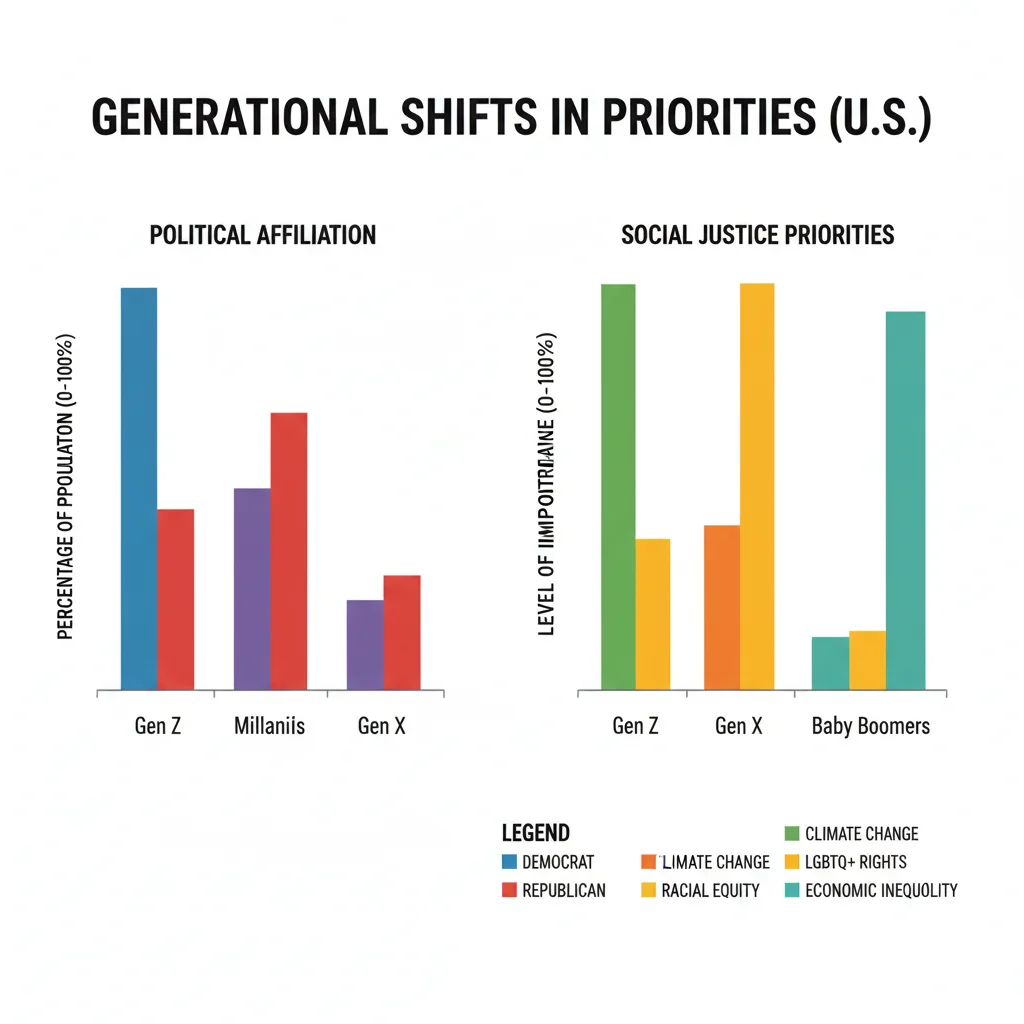
It’s undeniable that significant differences exist. Polling data consistently shows variations in political affiliation, religious observance, and social attitudes across generations. For instance, younger generations are significantly more likely to identify as politically independent, less religious, and more supportive of LGBTQ+ rights and environmental protections than older generations. The ‘culture wars’ often play out along generational lines, fueled by differing media consumption habits and digital echo chambers.
Economic disparities also contribute to a sense of divide. Younger generations face higher student debt, less accessible homeownership, and a more precarious job market than their predecessors, leading to differing economic values and priorities. This can create friction and resentment, with each generation sometimes feeling misunderstood or undervalued by the others. The rapid pace of technological change also creates a gap in digital literacy and comfort, which can feel like a chasm in daily interactions and communication styles. These factors undeniably contribute to what many perceive as a generational divide in America.
Evidence for Cultural Evolution
However, framing these differences solely as a ‘divide’ might be an oversimplification. Many of the shifts observed in younger generations can be seen as a natural evolution of values that have always been present in American society. For example, the pursuit of equality and justice, while perhaps expressed differently, has been a recurring theme throughout American history. Each generation builds upon the progress and struggles of the last.
Values like individualism and achievement remain strong across all generations, though their expression might change. The desire for a better life for one’s children, for example, is a universal value, even if the definition of ‘better’ has expanded to include environmental health and mental well-being alongside financial security. Furthermore, older generations often adopt some of the values and behaviors of younger cohorts, demonstrating a degree of cultural osmosis rather than rigid separation. Grandparents embracing social media to connect with grandchildren is a small but telling example of this cultural evolution of values.
Societal progress itself is a form of evolution. What was once considered radical (e.g., women’s suffrage, civil rights) eventually becomes mainstream, often championed by younger generations who then integrate these new norms into the broader cultural fabric. This ongoing process suggests a continuous adaptation rather than a constant state of conflict. Therefore, while differences are evident, the underlying mechanisms often point towards a dynamic, albeit sometimes challenging, process of American cultural evolution.
Key Areas of Divergence and Convergence in American Values 2026
Work Ethic and Career Aspirations
A significant area of discussion revolves around work. While older generations often equate a strong work ethic with long hours and company loyalty, younger generations prioritize work-life balance, flexibility, and a sense of purpose. This isn’t necessarily a decline in work ethic but a redefinition of what ‘work’ means and how it integrates into a fulfilling life. Gen Z and Millennials are more likely to ‘quiet quit’ or seek roles that align with their personal values, even if it means less traditional career progression. This shift challenges traditional corporate structures and forces businesses to adapt to evolving expectations of workplace values in 2026.
Social Justice and Equity
The emphasis on social justice and equity has intensified dramatically, particularly among Millennials and Gen Z. Issues such as racial justice, gender equality, and LGBTQ+ rights are central to their political and social identities. While older generations may support these causes, their understanding and urgency might differ. This area often highlights the most visible generational friction, as younger generations push for rapid systemic change while older cohorts may advocate for more gradual approaches or question the methods of activism. This is a critical component of understanding American values 2026.
Environmentalism and Sustainability
Climate change and environmental sustainability are paramount concerns for younger generations, who will bear the brunt of future ecological challenges. They are more likely to support policies that prioritize environmental protection over economic growth and to make personal choices (e.g., diet, consumption) based on ecological impact. While older generations have shown increasing awareness, the level of urgency and willingness to sacrifice for environmental goals often varies significantly. This disparity shapes public discourse and policy debates around environmental values in America.
Technology and Digital Life
The role of technology is perhaps the most defining characteristic separating generations. Gen Z and Millennials are digital natives, seamlessly integrating technology into every aspect of their lives – communication, education, work, and social interaction. Older generations have adopted technology to varying degrees, but often view it as a tool rather than an extension of self. This fundamental difference impacts everything from privacy concerns to information consumption, shaping how each generation understands truth, community, and personal connection. The digital landscape significantly influences American values 2026.
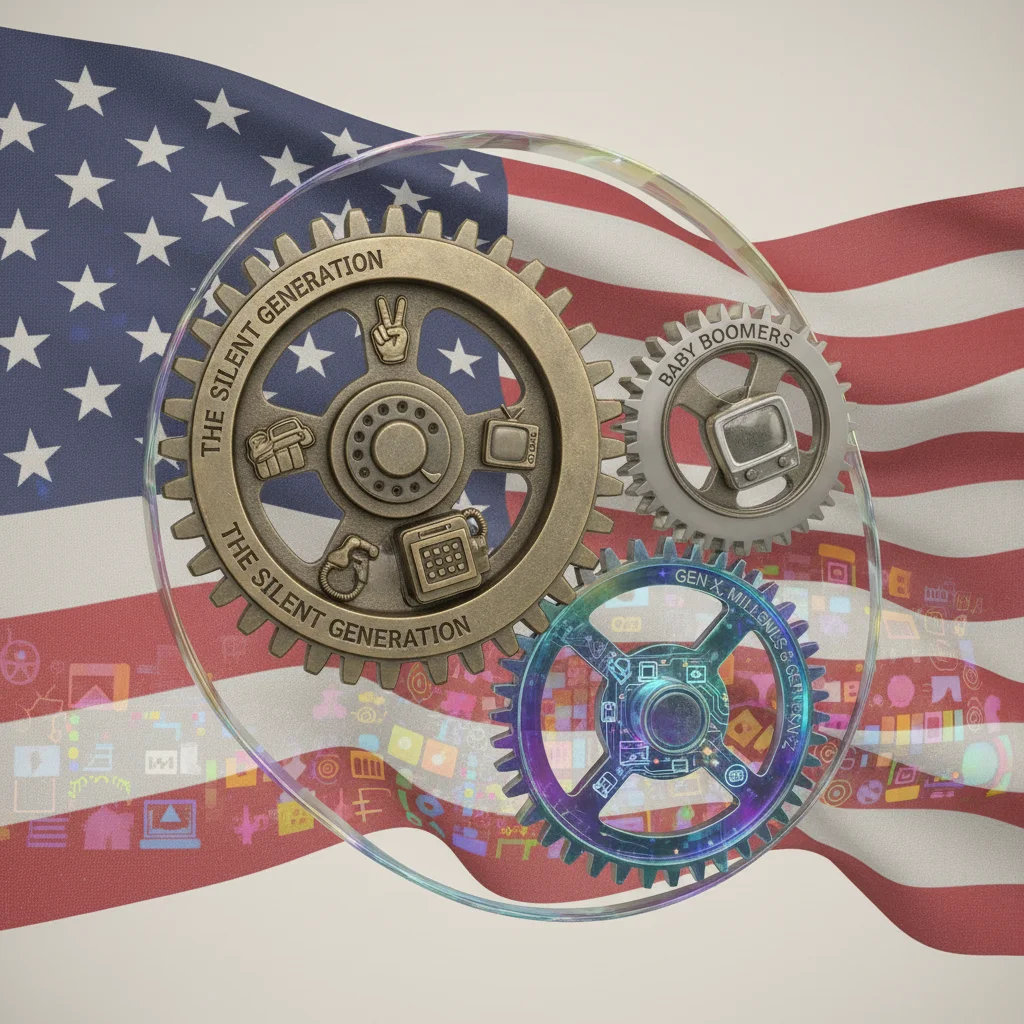
Bridging the Gaps: Fostering Understanding and Collaboration
Regardless of whether one views the current landscape as a divide or an evolution, the imperative remains to foster understanding and collaboration across generations. Acknowledging and respecting differing perspectives is the first step. Here are some strategies for bridging the gaps in American values 2026:
- Intergenerational Dialogue: Creating intentional spaces for people of different ages to share their experiences, values, and concerns can break down stereotypes and build empathy. This could be in workplaces, community centers, or even family settings.
- Focus on Shared Aspirations: While methodologies and priorities may differ, many fundamental aspirations remain universal: a safe community, economic stability, opportunities for future generations, and a sense of belonging. Highlighting these common goals can unite rather than divide.
- Education and Mentorship: Older generations can share their wisdom and experience, while younger generations can offer insights into new technologies and evolving social norms. Reverse mentorship, where younger individuals mentor older ones on digital trends, is proving increasingly valuable.
- Media Literacy: Encouraging critical media consumption across all age groups can help combat misinformation and reduce the impact of echo chambers that exacerbate generational misunderstandings.
- Policy Tailoring: Policymakers must recognize the diverse needs and values of each generation, crafting solutions that address the unique challenges faced by different age cohorts while seeking common ground for collective benefit.
Ultimately, the strength of American society has always resided in its ability to adapt and integrate diverse viewpoints. The current shifts in American values 2026 are not necessarily a sign of weakness but rather a testament to an ongoing societal metabolism, constantly adjusting to new realities. The challenge lies in ensuring that this evolution is guided by principles of mutual respect and a shared commitment to progress.
The Future of American Values: 2026 and Beyond
Looking ahead, the trajectory of American values 2026 suggests a continued emphasis on social equity, environmental stewardship, and personal well-being. The influence of Gen Z and future generations will likely accelerate these trends, pushing for greater accountability from institutions and a more holistic approach to societal progress. The traditional definitions of success and prosperity may continue to broaden, encompassing not just financial wealth but also mental health, community impact, and ecological harmony.
However, this evolution will not be without its tensions. The enduring values of individualism, economic freedom, and national identity will continue to be debated and reinterpreted. The key will be finding a balance where traditional strengths can be preserved while embracing necessary changes. The conversation around evolving American values is a continuous one, reflecting the dynamic nature of a diverse nation.
Understanding these generational distinctions and convergences is not about declaring one set of values superior to another. Instead, it’s about appreciating the rich tapestry of perspectives that defines the American experience. By fostering open dialogue and seeking common ground, society can ensure that the evolution of American values 2026 leads to a more inclusive, resilient, and prosperous future for all.
The journey through 2026 and beyond will require empathy, critical thinking, and a willingness to engage with ideas that may challenge preconceived notions. It is in this engagement that true cultural evolution occurs, strengthening the fabric of the nation rather than tearing it apart. The story of American values 2026 is one of ongoing adaptation, a testament to the enduring spirit of a nation constantly redefining itself.
Conclusion: Navigating the Nuances of American Values 2026
In conclusion, the question of whether we face a generational divide or cultural evolution in American values 2026 is not a simple binary. It is a complex interplay of both. While distinct generational preferences are evident, many of these differences represent a natural progression and reinterpretation of core American ideals in response to changing global and technological landscapes. The challenge – and the opportunity – lies in recognizing these nuances, fostering intergenerational understanding, and harnessing the diverse strengths of each cohort to build a more robust and equitable society.
The insights gained from analyzing American values 2026 provide a crucial roadmap for navigating the complexities of modern society. By understanding where we diverge and where we converge, we can move beyond simplistic labels and work towards a future where American values continue to inspire progress and unity, even amidst ongoing change.