Smart Infrastructure Development: 5 Critical Projects Shaping US Urbanization by 2026
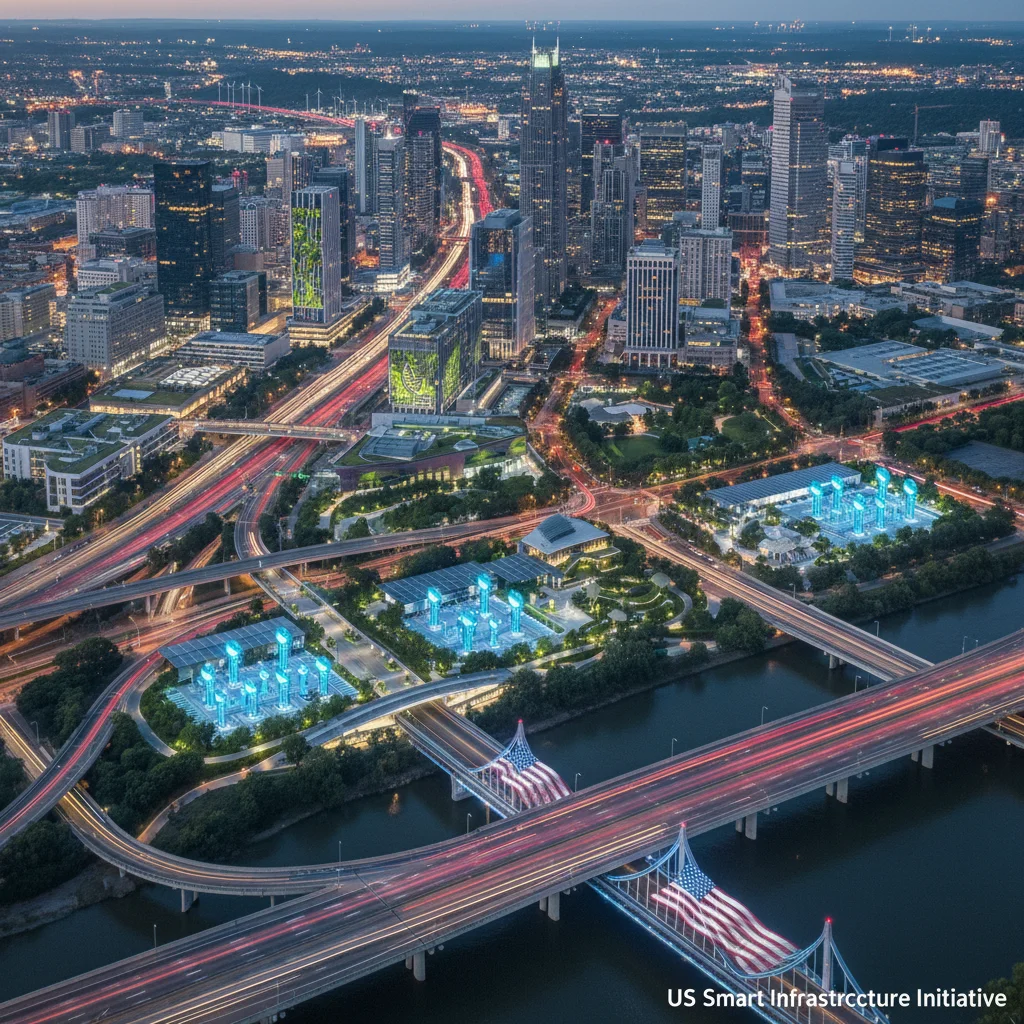
The landscape of urban living in the United States is undergoing a profound transformation, driven by an accelerating wave of technological innovation and a pressing need for sustainable development. This evolution is encapsulated within the concept of Smart Infrastructure Development, a paradigm shift that integrates advanced technologies like IoT, AI, big data, and renewable energy into the very fabric of our cities. As we look towards 2026, several critical projects are not just envisioning but actively building the future of US urbanization. These initiatives promise to redefine efficiency, enhance public services, bolster economic resilience, and significantly improve the quality of life for millions of Americans. Understanding these pivotal projects is key to grasping the trajectory of modern urban evolution.
The imperative for Smart Infrastructure Development stems from a confluence of factors: rapid population growth in urban centers, the escalating impacts of climate change, the aging of existing infrastructure, and the ever-present demand for more efficient and responsive public services. Traditional infrastructure, often characterized by its reactive maintenance and siloed operations, is no longer sufficient to meet these complex challenges. Smart infrastructure, on the other hand, offers a proactive, interconnected, and data-driven approach. It’s about creating systems that can communicate, adapt, and learn, leading to optimized resource allocation, reduced environmental footprints, and safer, more accessible urban environments.
The US, with its vast geographical expanse and diverse urban ecosystems, presents a unique canvas for these ambitious projects. From coastal megacities to burgeoning inland hubs, each region faces distinct challenges and opportunities. The projects highlighted here are not merely engineering marvels; they are comprehensive strategies that integrate policy, technology, and community engagement to foster truly smart and sustainable urban living. They represent significant investments in the nation’s future, promising long-term benefits that extend far beyond their initial implementation.
The Dawn of Smart Transportation Networks
One of the most immediate and impactful areas of Smart Infrastructure Development is in transportation. Congestion, pollution, and inefficient logistics plague many US cities, costing billions annually and significantly impacting public health and productivity. The future, however, is being built on intelligent transportation systems (ITS) that promise to revolutionize how people and goods move. By 2026, several key projects are set to transform urban mobility, making it safer, faster, and more sustainable.
Project 1: Integrated Smart Traffic Management Systems Across Major Metropolitan Areas
Imagine a city where traffic flows seamlessly, where accidents are detected instantly, and where public transport is synchronized to minimize wait times. This vision is becoming a reality through integrated smart traffic management systems. These systems leverage a dense network of sensors, cameras, and real-time data analytics to monitor traffic conditions, predict congestion, and dynamically adjust traffic signals. For example, projects in cities like Los Angeles, New York, and Atlanta are deploying AI-powered platforms that learn traffic patterns and optimize signal timings across vast urban grids. This not only reduces commute times but also cuts down on fuel consumption and emissions, contributing significantly to environmental sustainability.
The core of these projects lies in their ability to collect and interpret vast amounts of data from various sources: vehicle sensors, public transit feeds, ride-sharing services, and even pedestrian movements. This data is then fed into sophisticated algorithms that can identify bottlenecks, reroute traffic, and prioritize emergency vehicles. The benefits extend beyond mere efficiency; they include enhanced safety through quicker response times to incidents and improved predictability for commuters, allowing for better planning and reduced stress. Furthermore, these systems are often designed to integrate with future autonomous vehicle networks, laying the groundwork for even more advanced urban mobility solutions.
Project 2: Expansion of High-Speed Rail Corridors with Smart Logistics Integration
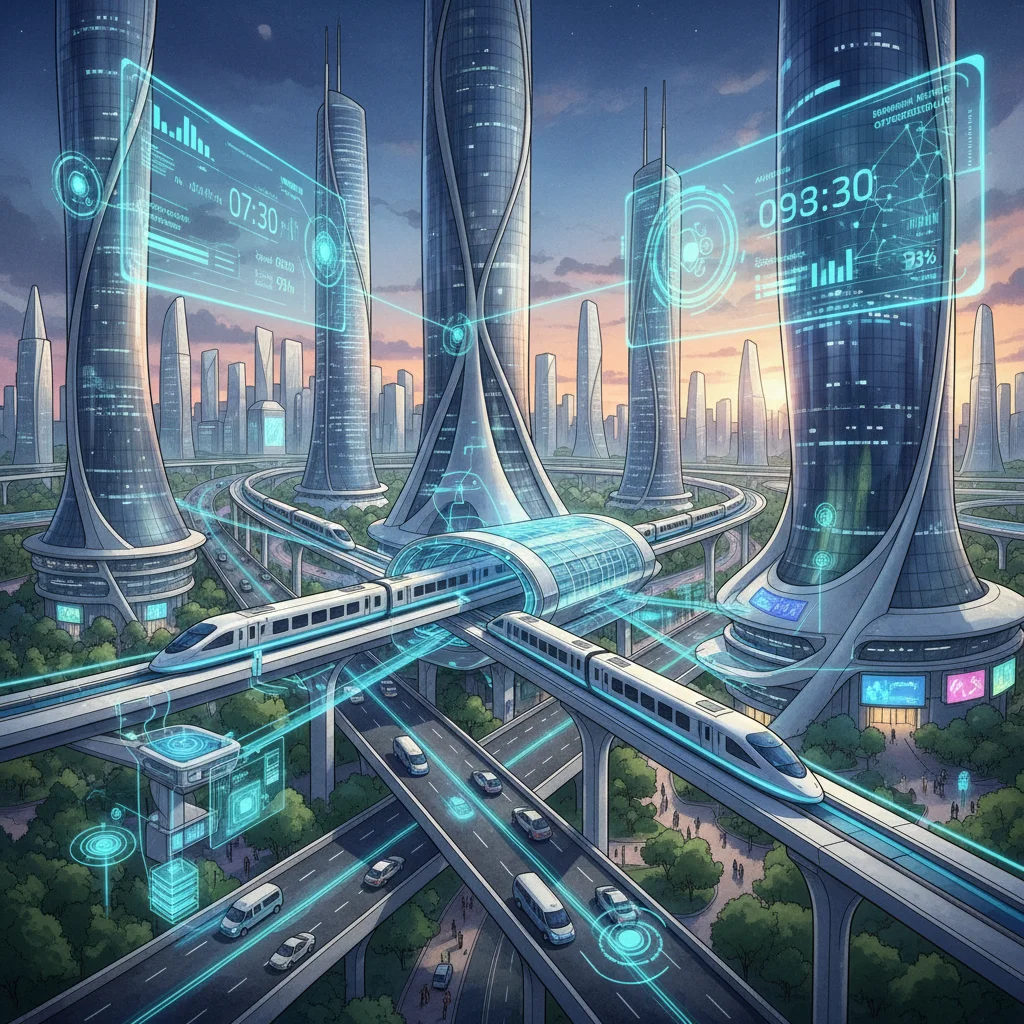
While urban traffic management focuses on intra-city movement, inter-city connectivity is equally crucial for regional economic development and reducing reliance on carbon-intensive air and road travel. The expansion of high-speed rail (HSR) corridors represents a monumental leap in Smart Infrastructure Development. Projects like the California High-Speed Rail and potential new corridors in the Northeast and Pacific Northwest are not just about faster trains; they are about creating intelligent transportation arteries that integrate seamlessly with local transit and logistics networks.
These HSR projects incorporate smart logistics integration, meaning that the rail lines are designed not only for passenger transport but also for efficient freight movement. This involves using IoT sensors to track cargo, AI to optimize loading and unloading processes, and predictive analytics to manage train schedules and maintenance. The goal is to create a multimodal transportation ecosystem where high-speed rail acts as a backbone, connecting major urban centers and facilitating the rapid, eco-friendly movement of both people and goods. This reduces truck traffic on highways, lowers carbon emissions, and creates new economic opportunities along the rail corridors. The advanced signaling and communication systems embedded within these HSR networks also represent a significant step forward in rail safety and operational efficiency.
Smart Energy Grids and Sustainable Utilities
Energy consumption and utility management are at the heart of urban sustainability. As cities grow, so does their demand for power, water, and waste management. Smart Infrastructure Development in this sector focuses on creating resilient, efficient, and environmentally friendly utility networks. By 2026, the US is projected to see significant advancements in smart grids and sustainable utility systems.
Project 3: Widespread Deployment of Smart Grids with Renewable Energy Integration
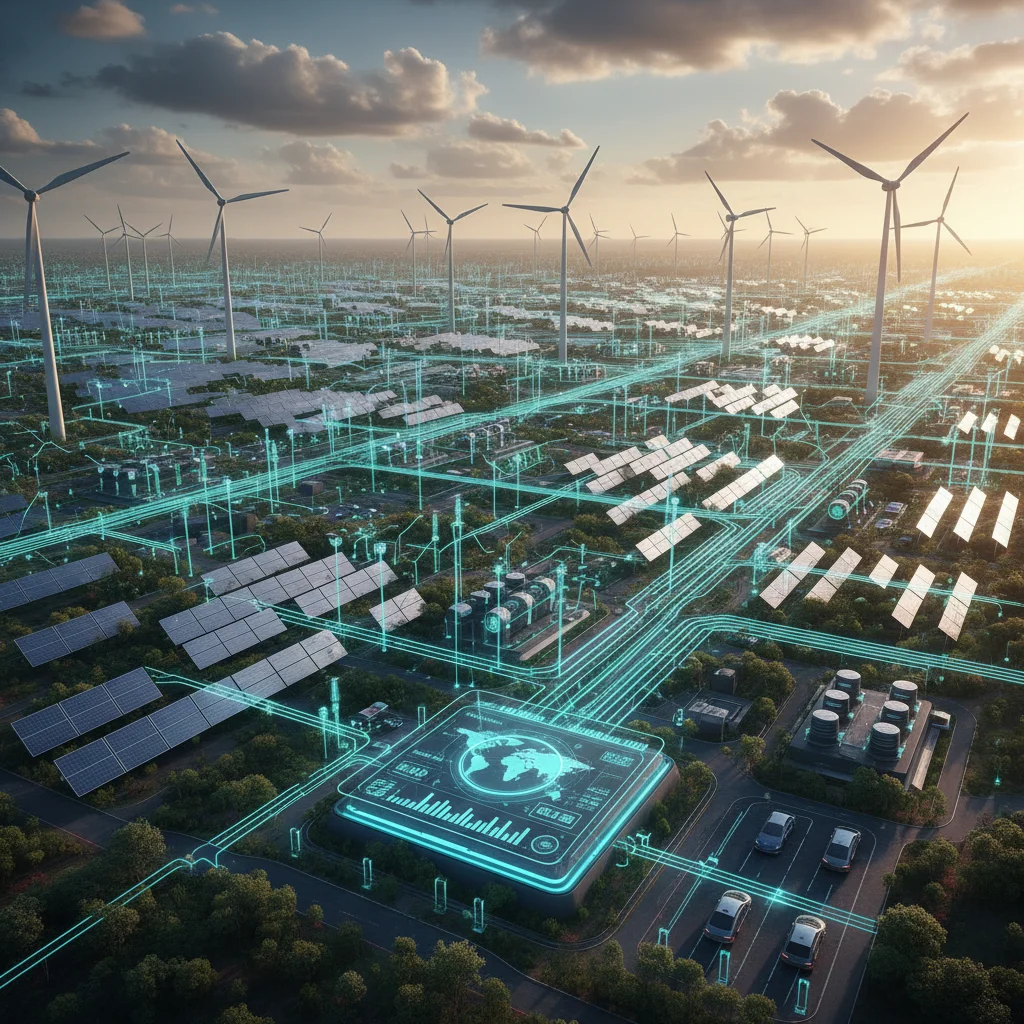
The traditional electrical grid is often characterized by its centralized structure and limited two-way communication, making it vulnerable to outages and inefficient in integrating intermittent renewable energy sources. Smart grids, however, are transforming this landscape. Projects across the US are focusing on widespread deployment of these intelligent networks, which use sensors, smart meters, and advanced communication technologies to monitor and manage electricity flow in real-time. This allows for dynamic load balancing, rapid fault detection, and significantly improved resilience against cyberattacks and natural disasters.
A crucial aspect of these smart grid projects is the seamless integration of renewable energy sources, such as solar and wind power. Through sophisticated algorithms and energy storage solutions (like large-scale battery banks), smart grids can manage the fluctuating output of renewables, ensuring a stable and reliable power supply. This not only reduces reliance on fossil fuels but also empowers consumers with options like demand-response programs, where they can optimize their energy consumption based on real-time pricing and availability. Cities like Boulder, Colorado, and Austin, Texas, are pioneering these efforts, demonstrating how smart grids can lead to cleaner energy, lower costs, and greater energy independence for urban communities.
Project 4: Intelligent Water Management Systems for Conservation and Efficiency
Water scarcity and aging water infrastructure are critical concerns for many US regions. Smart Infrastructure Development is addressing these challenges through intelligent water management systems. These projects utilize IoT sensors embedded in pipelines, reservoirs, and pumping stations to monitor water quality, detect leaks, and predict demand. Advanced analytics help optimize water distribution, reduce waste, and ensure a safe and reliable water supply.
Cities like San Diego and Phoenix, situated in arid regions, are at the forefront of implementing these systems. By employing smart meters, they can provide consumers with real-time feedback on their water usage, encouraging conservation. Furthermore, AI-powered predictive models help forecast water demand based on weather patterns, population changes, and agricultural needs, allowing utilities to proactively manage resources. The integration of wastewater treatment plants with smart monitoring also ensures efficient recycling and reduces environmental impact. These intelligent systems are not just about saving water; they are about building resilient water infrastructure that can withstand the pressures of climate change and population growth, securing a vital resource for future generations.
Connected Communities and Public Safety
Beyond physical infrastructure, the concept of Smart Infrastructure Development extends to creating more connected, safe, and responsive communities. This involves leveraging technology to enhance public services, improve citizen engagement, and bolster safety and security.
Project 5: Urban Data Platforms and IoT-Enabled Public Safety Initiatives
The proliferation of IoT devices and widespread connectivity offers unprecedented opportunities to enhance public safety and improve urban living. Projects across the US are focusing on developing urban data platforms – centralized systems that collect, analyze, and share data from various city services, including public safety, environmental monitoring, and transportation. These platforms act as the digital brain of a smart city, enabling better decision-making and more coordinated responses.
Within this framework, IoT-enabled public safety initiatives are taking center stage. This includes smart streetlights equipped with cameras and sensors that can detect gunshots, monitor air quality, and provide real-time information to emergency services. Predictive policing models, powered by AI, can analyze crime data to identify high-risk areas and deploy resources more effectively. Furthermore, smart emergency response systems can use real-time traffic data to guide first responders to incident sites faster. Cities like Chicago and Louisville are exploring these technologies to create safer environments and improve emergency services, ensuring that urban residents feel more secure and that public resources are used optimally. The ethical implications of data privacy and surveillance are also a critical component of these projects, with significant efforts being made to implement robust data governance frameworks and ensure transparency.
The Economic and Social Impact of Smart Infrastructure Development
The ambitious projects driving Smart Infrastructure Development in the US are poised to deliver a cascade of economic and social benefits. Economically, these investments stimulate job creation in construction, technology, and related industries. They attract new businesses seeking efficient and technologically advanced environments, fostering innovation and economic growth. Reduced congestion, optimized logistics, and reliable utilities translate into lower operational costs for businesses and increased productivity for the workforce. Furthermore, the enhanced resilience of smart infrastructure minimizes economic disruptions caused by natural disasters or system failures, safeguarding investments and livelihoods.
Socially, the impact is equally profound. Improved transportation systems lead to shorter commutes, freeing up valuable time for citizens and reducing stress. Cleaner energy and water management systems contribute to better public health outcomes by reducing pollution and ensuring access to vital resources. Enhanced public safety initiatives create more secure communities, fostering a greater sense of well-being and encouraging social interaction. Digital inclusion, often a byproduct of smart city initiatives, ensures that technology’s benefits are accessible to all segments of the population, bridging the digital divide and promoting equitable access to information and services.
Moreover, Smart Infrastructure Development empowers citizens by providing them with more data and control over their environment. From real-time transit information to personalized energy consumption reports, individuals can make more informed decisions that benefit both themselves and their community. The development of open data platforms also fosters greater transparency in government operations and encourages civic participation, leading to more responsive and accountable urban governance.
Challenges and the Path Forward
While the prospects of Smart Infrastructure Development are incredibly promising, the path forward is not without its challenges. Significant capital investment is required, often necessitating complex public-private partnerships. Cybersecurity threats pose a constant risk to interconnected systems, demanding robust security protocols and continuous vigilance. Data privacy concerns must be carefully addressed to build public trust and ensure ethical data usage. Furthermore, the integration of diverse technologies from multiple vendors requires interoperability standards and skilled technical expertise.
Addressing these challenges requires a multi-faceted approach. Policy frameworks must be developed to facilitate funding, standardize technologies, and protect citizen data. Workforce development programs are crucial to ensure a skilled labor force capable of building, maintaining, and innovating within these new smart ecosystems. Public engagement and education are vital to foster understanding, address concerns, and garner support for these transformative projects. Collaboration between government, industry, academia, and local communities will be paramount to overcome obstacles and realize the full potential of smart infrastructure.
Looking ahead to 2026 and beyond, the ongoing commitment to research and development in areas like advanced AI, quantum computing, and new materials science will further accelerate Smart Infrastructure Development. The continuous evolution of sensor technology, communication networks (such as 5G and beyond), and data analytics capabilities will unlock new possibilities for urban innovation. The focus will increasingly shift towards predictive maintenance, adaptive systems, and hyper-personalized urban services, making cities not just smart, but truly intelligent and responsive to the evolving needs of their inhabitants.
Conclusion: A Smarter, More Sustainable US Urban Future
The journey towards a smarter, more sustainable urban future in the US is well underway, spearheaded by critical projects in transportation, energy, utilities, and public safety. These initiatives represent more than just technological upgrades; they are foundational shifts in how we conceive, build, and manage our urban environments. By 2026, the visible impacts of Smart Infrastructure Development will be evident in more efficient commutes, cleaner air and water, more reliable energy, and safer communities.
The integration of advanced technologies is creating interconnected urban ecosystems that are resilient, responsive, and resource-efficient. These projects are not only addressing current challenges but are also laying the groundwork for future innovations, ensuring that US cities remain competitive, livable, and prosperous in the decades to come. As these critical projects continue to evolve and expand, they will undoubtedly reshape the landscape of US urbanization, fostering a future where technology and sustainability converge to create truly intelligent cities for all.
The vision of a smart city is one where every component, from a traffic light to a water pipe, is part of a larger, intelligent network working in harmony to serve its citizens. The projects discussed here are tangible steps towards realizing that vision, demonstrating the immense potential of strategic investment in Smart Infrastructure Development. The commitment to innovation, sustainability, and community well-being embedded in these initiatives will define the character of American cities for generations, making them not just places to live, but vibrant, dynamic hubs of progress and quality of life.