Smart City Infrastructure: U.S. Federal Funding & Urban Development 2027
Smart City Infrastructure: U.S. Federal Funding Initiatives and Their Impact on Urban Development Through 2027 (Recent Updates)
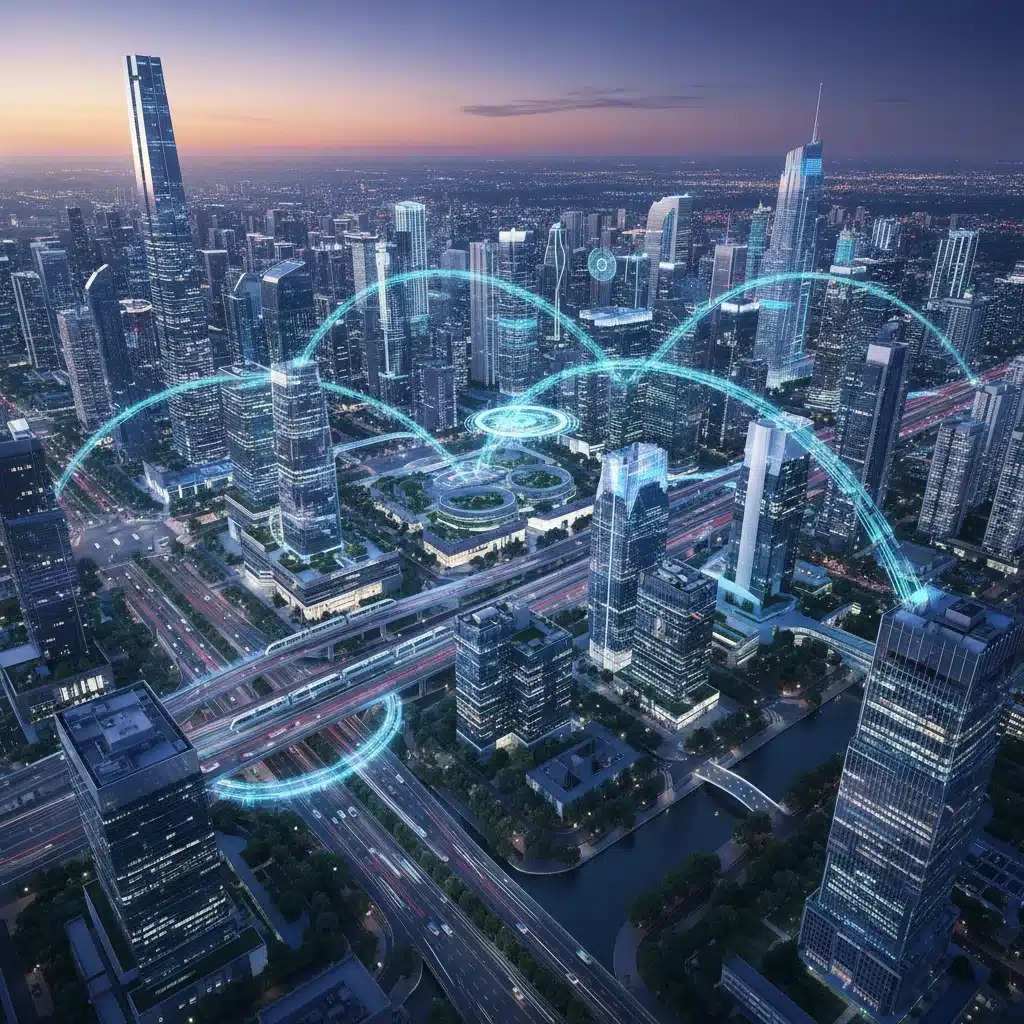
The concept of a ‘smart city’ has evolved from a futuristic vision to a present-day imperative. As urban populations continue to grow, cities worldwide are grappling with challenges ranging from traffic congestion and environmental degradation to inefficient public services and aging infrastructure. The integration of advanced technologies, data analytics, and connectivity offers a powerful solution, transforming how cities operate and how citizens interact with their environment. In the United States, the push towards smarter urban environments is gaining significant momentum, largely driven by substantial U.S. federal funding initiatives designed to catalyze innovation and accelerate the adoption of smart city infrastructure.
Understanding the landscape of smart city funding from federal sources is crucial for municipalities, technology providers, and urban planners. These initiatives are not merely about injecting capital; they represent a strategic investment in the nation’s future, aiming to enhance economic competitiveness, improve quality of life, and foster sustainable development. This comprehensive article delves into the various U.S. federal funding programs, their objectives, the types of projects they support, and their projected impact on urban development through 2027, incorporating recent updates and trends.
The Evolving Landscape of Smart City Infrastructure
Before exploring the funding mechanisms, it’s important to define what constitutes ‘smart city infrastructure.’ It’s a multifaceted concept encompassing a wide array of interconnected systems and technologies. At its core, smart city infrastructure leverages Information and Communication Technologies (ICT) to improve the efficiency of urban services, optimize resource utilization, and enhance the overall quality of life for residents. Key components often include:
- Smart Transportation: Intelligent traffic management systems, connected vehicles, smart parking solutions, and integrated public transit networks.
- Smart Energy: Renewable energy sources, smart grids, energy-efficient buildings, and advanced metering infrastructure.
- Smart Public Safety: Predictive policing, intelligent surveillance, emergency response systems, and disaster preparedness technologies.
- Smart Environment: Air and water quality monitoring, waste management optimization, and sustainable urban planning.
- Smart Governance: Open data platforms, citizen engagement portals, and efficient digital government services.
- Smart Buildings: Automated building management systems, IoT-enabled sensors for energy and space optimization.
The integration of these elements creates a cohesive ecosystem where data flows seamlessly, enabling real-time decision-making and proactive problem-solving. The goal is to create more livable, sustainable, and resilient cities.
The Role of U.S. Federal Funding in Driving Smart City Adoption
The sheer scale and complexity of smart city projects often necessitate significant financial investment, which can be a major barrier for many municipalities. This is where U.S. federal funding plays a pivotal role. Federal programs provide grants, loans, and technical assistance that help cities overcome financial hurdles, reduce risk, and accelerate the implementation of innovative smart city solutions. The federal government recognizes that investing in smart cities yields national benefits, including economic growth, enhanced national security, and improved public health.
Historically, federal support for urban development has been present, but the focus on ‘smart’ technologies has intensified in recent years, particularly with the recognition of the transformative potential of IoT, AI, and big data. The bipartisan infrastructure law, signed in 2021, marked a significant turning point, allocating unprecedented levels of funding towards upgrading and modernizing American infrastructure, with a strong emphasis on technology and innovation.
Key Federal Funding Initiatives for Smart City Infrastructure (Updates through 2027)
Several federal agencies are instrumental in providing smart city funding. Understanding their respective programs is essential for cities seeking to leverage these resources. Here’s a breakdown of some of the most impactful initiatives and their outlook through 2027:
1. The Bipartisan Infrastructure Law (BIL) – Driving Unprecedented Investment
The Infrastructure Investment and Jobs Act (IIJA), commonly known as the Bipartisan Infrastructure Law (BIL), represents the largest long-term investment in American infrastructure in generations. While not exclusively dedicated to smart cities, a substantial portion of its funding can be directly applied to smart city projects. The BIL allocates over $1.2 trillion across various sectors, with significant implications for urban development:
- Department of Transportation (DOT) Programs: The BIL provides billions for improving roads, bridges, public transit, rail, and ports. Many of these funds are accessible through competitive grant programs that prioritize projects incorporating intelligent transportation systems (ITS), connected vehicle technologies, and data-driven traffic management. For example, the Rebuilding American Infrastructure with Sustainability and Equity (RAISE) grants often favor projects with a strong smart city component.
- Grid Modernization and Clean Energy: The Department of Energy (DOE) receives significant funding under BIL for modernizing the electric grid, deploying smart grid technologies, and advancing clean energy solutions. This directly supports smart energy initiatives within cities, promoting resilience and sustainability.
- Broadband Expansion: The BIL includes a historic $65 billion investment to ensure every American has access to affordable, reliable high-speed internet. This is a foundational element for any smart city, enabling connectivity for IoT devices, public Wi-Fi, and digital services.
- Water Infrastructure: Funds for upgrading water pipes, removing lead service lines, and improving wastewater treatment can be leveraged for smart water management systems, including leak detection, remote monitoring, and predictive maintenance.
Through 2027, we anticipate a continuous rollout of these funds, with agencies regularly opening application windows for various grant programs. Cities should actively monitor federal grant opportunities and align their smart city strategies with the objectives of the BIL.
2. Department of Commerce – National Telecommunications and Information Administration (NTIA)
The NTIA, under the Department of Commerce, is a key player in broadband deployment, which is foundational for smart cities. Programs like the Broadband Equity, Access, and Deployment (BEAD) Program, funded by the BIL, are distributing billions to states and territories to expand high-speed internet access. This directly benefits smart city initiatives by providing the necessary digital backbone for connected infrastructure and services.
3. Department of Housing and Urban Development (HUD)
While HUD’s primary focus is on housing and community development, several of its programs can indirectly support smart city initiatives, particularly those aimed at improving quality of life and equitable access to services. Grants for community planning and development can be used to integrate smart technologies into affordable housing projects, public spaces, and neighborhood revitalization efforts. The emphasis through 2027 will likely be on projects that demonstrate clear social equity benefits.
4. National Science Foundation (NSF)
The NSF plays a critical role in fostering innovation and research. Its Smart and Connected Communities (S&CC) program specifically supports fundamental research that will enable the creation of smart and connected communities. While not direct infrastructure funding, NSF grants help develop the underlying technologies and scientific understanding that will drive future smart city solutions. This program is crucial for pushing the boundaries of what’s possible in urban technology.
5. Department of Homeland Security (DHS)
DHS programs, particularly those related to cybersecurity and critical infrastructure protection, are increasingly relevant for smart cities. As cities become more connected, they also become more vulnerable to cyber threats. Federal funding can help cities invest in resilient smart infrastructure and robust cybersecurity measures, ensuring the safety and continuity of essential services. Grants from FEMA (Federal Emergency Management Agency) can also support smart technologies for disaster preparedness and response.
6. Environmental Protection Agency (EPA)
The EPA offers grants and technical assistance for projects that promote environmental sustainability and public health. Smart city initiatives focused on air quality monitoring, waste management, green infrastructure, and water conservation can often find support through EPA programs, aligning with federal goals for a cleaner, healthier environment.
Impact on Urban Development Through 2027
The influx of smart city funding from the federal government is set to have a profound and transformative impact on urban development across the U.S. through 2027 and beyond. This impact can be categorized into several key areas:
Enhanced Efficiency and Sustainability
One of the most immediate impacts will be a significant boost in urban efficiency and sustainability. Smart grids will reduce energy waste, intelligent transportation systems will alleviate congestion and lower emissions, and smart waste management will optimize collection routes and encourage recycling. These improvements translate into lower operational costs for cities and a reduced environmental footprint.
Improved Quality of Life for Residents
Smart city initiatives directly contribute to a better quality of life. Enhanced public safety systems can lead to safer neighborhoods, while improved public transit and smart parking can reduce commuting stress. Access to high-speed internet, facilitated by federal broadband initiatives, opens doors to remote work, telehealth, and online education, bridging digital divides and fostering inclusivity. Public services will become more accessible and responsive, making cities more user-friendly.
Economic Growth and Innovation
Federal investments in smart city infrastructure stimulate economic growth in several ways. They create jobs in technology development, infrastructure construction, and data management. Furthermore, smarter cities become more attractive to businesses and skilled workers, fostering innovation hubs and driving local economies. The development and deployment of new technologies also create a fertile ground for startups and technological advancements.
Increased Resilience and Adaptability
With climate change and other global challenges, urban resilience is more critical than ever. Smart city infrastructure, often incorporating advanced sensors and data analytics, can provide early warning systems for natural disasters, optimize emergency response, and help cities adapt to changing environmental conditions. Intelligent water management systems, for example, can better manage floods and droughts. Federal funding often prioritizes projects that demonstrate enhanced resilience.
Data-Driven Governance and Citizen Engagement
The core of a smart city is data. Federal funding for smart city projects encourages cities to adopt data-driven approaches to governance. This includes developing open data platforms that enhance transparency and enable citizens to participate more actively in urban planning. Real-time data provides city leaders with actionable insights to make informed decisions, leading to more effective and equitable public services. Through 2027, we can expect a significant increase in cities leveraging data for strategic planning.
Challenges and Considerations for Maximizing Federal Funding
While federal funding presents immense opportunities, cities must navigate several challenges to effectively leverage these resources:
- Grant Application Complexity: Federal grant applications can be intricate and highly competitive. Cities need dedicated resources and expertise to prepare compelling proposals that align with federal priorities.
- Interoperability and Standardization: Smart city solutions often involve technologies from multiple vendors. Ensuring interoperability and establishing common standards are critical for creating a cohesive and scalable smart city ecosystem.
- Data Privacy and Security: The collection and utilization of vast amounts of urban data raise significant concerns about privacy and cybersecurity. Cities must implement robust data governance frameworks and security protocols.
- Equity and Digital Inclusion: It’s crucial to ensure that smart city benefits are equitably distributed across all communities, avoiding the creation of new digital divides. Federal programs often emphasize projects that address social equity.
- Long-Term Maintenance and Sustainability: Beyond initial deployment, smart city infrastructure requires ongoing maintenance, upgrades, and operational funding. Cities need sustainable business models to ensure the long-term viability of their smart initiatives.
Recent Updates and Future Outlook

Recent updates in federal policy and funding emphasize a few key areas that cities should be aware of:
- Climate Resilience: There’s a growing emphasis on projects that specifically address climate change mitigation and adaptation, integrating smart technologies for flood control, heat island reduction, and renewable energy.
- Cybersecurity: With increasing cyber threats, federal agencies are pushing for stronger cybersecurity measures in all federally funded infrastructure projects, including smart city components.
- Equity and Access: Programs are increasingly prioritizing projects that demonstrate a clear benefit to underserved communities, ensuring that smart city technologies do not exacerbate existing inequalities.
- Public-Private Partnerships (PPPs): While federal funding provides initial capital, there’s a growing recognition of the need for PPPs to bring in private sector innovation and additional investment, ensuring scalability and long-term sustainability.
Looking ahead to 2027, the trajectory for smart city funding is overwhelmingly positive. The foundational investments made through the Bipartisan Infrastructure Law will continue to mature, and we can expect a greater focus on integrating these diverse projects into cohesive, city-wide smart ecosystems. The emphasis will likely shift from individual technology deployments to holistic urban transformations, driven by data and citizen-centric design.
Case Studies: Federal Funding in Action
To illustrate the impact of federal funding, consider several examples:
- Columbus, Ohio (Smart City Challenge Winner): While the initial DOT Smart City Challenge grant was awarded years ago, its legacy and the subsequent federal and private investments continue to shape Columbus. The city leveraged its initial win to attract further funding for connected vehicles, smart traffic signals, and an open data platform, significantly improving mobility and public services.
- Chattanooga, Tennessee (Broadband & Smart Grid): Leveraging federal grants for broadband expansion, Chattanooga built a municipal fiber network that has not only provided high-speed internet to its residents but also served as the backbone for a highly advanced smart grid, enhancing energy efficiency and reliability.
- Los Angeles, California (Intelligent Transportation Systems): Various federal grants have supported LA’s efforts to deploy intelligent traffic signals, real-time traffic monitoring, and connected vehicle infrastructure, aiming to ease congestion in one of the nation’s most traffic-heavy cities.
These examples demonstrate how federal funding acts as a catalyst, enabling cities to pilot innovative solutions, scale successful programs, and attract additional investment.
Navigating the Application Process: Tips for Municipalities
For cities looking to secure smart city funding, a strategic approach is essential:
- Understand Federal Priorities: Thoroughly research the objectives and eligibility criteria of various federal programs. Tailor proposals to align with these priorities, whether it’s climate resilience, equity, or economic development.
- Form Strong Partnerships: Collaborate with local universities, technology companies, community organizations, and neighboring municipalities. Federal agencies often favor projects that demonstrate strong partnerships and regional impact.
- Develop a Comprehensive Smart City Strategy: Don’t just apply for individual projects. Develop a holistic smart city master plan that outlines your vision, goals, and how individual projects contribute to the larger strategy. This demonstrates foresight and commitment.
- Focus on Data and Metrics: Federal agencies want to see measurable outcomes. Clearly articulate how your project will collect data, what metrics will be used to track progress, and the expected impact.
- Address Equity and Inclusion: Explicitly detail how your smart city initiatives will benefit all segments of the population, particularly underserved communities.
- Plan for Sustainability: Outline a clear plan for the long-term operation, maintenance, and funding of your smart city infrastructure beyond the initial grant period.
- Seek Technical Assistance: Many federal agencies offer technical assistance programs to help cities develop grant proposals and implement projects. Leverage these resources.
The Future is Connected: Smart Cities Beyond 2027

While this article focuses on the period through 2027, the trajectory of smart city development, fueled by federal investment, extends far beyond. We can anticipate:
- Increased Integration of AI and Machine Learning: AI will move beyond specific applications to become an integral part of urban operating systems, enabling more predictive analytics and autonomous city management.
- Hyper-Personalized Urban Services: Data-driven insights will allow for highly customized public services, from personalized transit recommendations to proactive health alerts.
- Advanced Digital Twins: More cities will develop ‘digital twins’ – virtual replicas of their physical environments – to simulate scenarios, test interventions, and optimize urban planning in real-time.
- Enhanced Cybersecurity Frameworks: As smart cities become more complex, the need for robust, nation-level cybersecurity frameworks and protocols will intensify, with federal agencies playing a leading role.
- Focus on Circular Economy Principles: Smart cities will increasingly integrate circular economy principles, using technology to minimize waste, maximize resource efficiency, and promote urban resilience.
The ongoing commitment from the U.S. federal government, coupled with rapid technological advancements, positions American cities at the forefront of this global transformation. The continuous flow of smart city funding will ensure that urban centers evolve into more efficient, sustainable, and equitable places for all residents.
Conclusion
The journey towards smarter, more resilient, and sustainable cities in the United States is significantly bolstered by robust federal funding initiatives. From the expansive investments of the Bipartisan Infrastructure Law to specialized grants from agencies like the DOT, DOE, and NSF, the federal government is actively shaping the urban landscape. Through 2027, these programs will continue to drive the adoption of cutting-edge technologies, fostering innovation, improving quality of life, and enhancing economic competitiveness across the nation.
For municipalities, understanding and strategically pursuing these federal opportunities is paramount. By focusing on comprehensive planning, strong partnerships, and projects that align with federal priorities such as climate resilience, equity, and cybersecurity, cities can effectively leverage smart city funding to build the urban environments of tomorrow. The future of American cities is undoubtedly smart, connected, and increasingly sustainable, thanks in no small part to these critical federal investments.