Decoding the New American Dream: 3 Key Cultural Indicators for 2026
Decoding the New American Dream: 3 Key Cultural Indicators for 2026
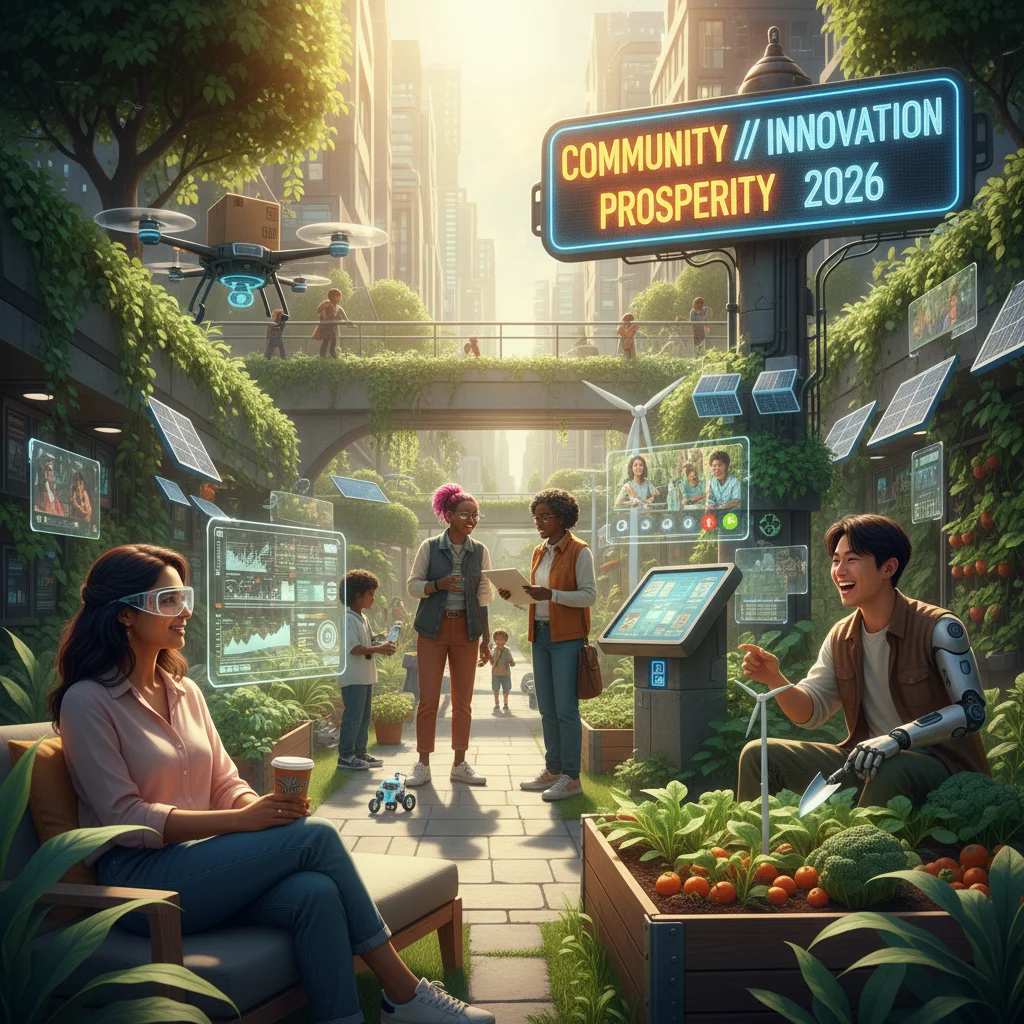
The concept of the American Dream has always been a powerful beacon, guiding generations with the promise of prosperity, opportunity, and a better life. For decades, it was largely synonymous with homeownership, a stable job, a nuclear family, and upward mobility. However, as society evolves, so too do the aspirations that define this elusive dream. We are witnessing a profound transformation, a redefinition shaped by economic shifts, technological advancements, social consciousness, and a globalized world. Understanding this evolving landscape is crucial for individuals, businesses, and policymakers alike. What does the New American Dream look like in 2026 and beyond? This comprehensive exploration will delve into three pivotal cultural indicators that are reshaping what it means to achieve success and fulfillment in contemporary America.
1. The Shift from Wealth Accumulation to Financial Independence and Security
Historically, the American Dream was often measured by the accumulation of wealth and material possessions. A big house, multiple cars, and a hefty retirement fund were the hallmarks of success. While financial stability remains a core component, the nature of that stability has fundamentally shifted. The New American Dream places a greater emphasis on financial independence and security, rather than just raw wealth accumulation. This isn’t just semantics; it’s a profound psychological and practical difference.
The Burden of Debt and the Quest for Freedom
One of the most significant forces driving this shift is the crushing weight of debt. Student loans, credit card debt, and rising housing costs have made traditional wealth accumulation feel unattainable for many. As a result, freedom from debt has become a primary financial aspiration. The ability to live without the constant pressure of loan payments, to have an emergency fund that offers true peace of mind, and to make life choices not dictated by financial constraints—this is the new measure of financial success. This shift is particularly evident among younger generations who have witnessed the volatility of economic markets and the precariousness of traditional employment.
Passive Income and Diversified Portfolios
The pursuit of financial independence also manifests in a growing interest in passive income streams and diversified investment portfolios. The idea of trading time for money, a cornerstone of the traditional working model, is being challenged. Individuals are increasingly seeking ways to generate income that doesn’t require their constant active participation. This includes investments in real estate (often through smaller, more accessible avenues like REITs or crowdfunding), dividend stocks, digital products, and even side hustles that can eventually scale into passive revenue. The goal isn’t necessarily to become a millionaire overnight, but to build a financial ecosystem that provides consistent income, allowing for greater flexibility and control over one’s time and future.
Early Retirement and Lifestyle Design
The FIRE (Financial Independence, Retire Early) movement, once a niche concept, has gained mainstream traction, reflecting a broader desire for early retirement or, more accurately, lifestyle design. The aim isn’t to stop working entirely, but to reach a point where work becomes optional, driven by passion rather than necessity. This allows individuals to pursue personal interests, travel, volunteer, or engage in meaningful projects without the pressure of a traditional 9-to-5 job. This focus on designing a life that aligns with personal values, rather than conforming to societal expectations of a career trajectory, is a powerful indicator of the evolving New American Dream.
Conscious Spending and Minimalism
Accompanying the desire for financial independence is a growing trend towards conscious spending and minimalism. The endless pursuit of more material goods is being questioned. Instead, consumers are prioritizing experiences over possessions, quality over quantity, and sustainability over disposability. This isn’t just about saving money; it’s about aligning spending habits with personal values, reducing environmental impact, and decluttering both physical and mental spaces. This cultural shift directly supports the goal of financial independence by reducing overall expenses and fostering a less consumerist mindset.
2. The Redefinition of Work: From Career Ladders to Work-Life Integration and Purpose
The second major cultural indicator shaping the New American Dream is a radical redefinition of work itself. The old paradigm of a linear career path, climbing a corporate ladder for 40+ years, is rapidly being replaced by a desire for work-life integration, flexibility, and a profound sense of purpose.
Flexibility and Remote Work as the New Standard
The COVID-19 pandemic accelerated a trend that was already underway: the normalization of remote and hybrid work models. What was once considered a perk is now an expectation for many. The ability to work from anywhere, to set one’s own hours, and to integrate professional responsibilities seamlessly with personal life is paramount. This flexibility allows for better childcare arrangements, enhanced personal well-being, and the freedom to live in locations that might not be traditional employment hubs. Companies that fail to adapt to this demand risk losing top talent, as employees prioritize autonomy and work-life balance over traditional office structures.

Purpose-Driven Work and Ethical Employment
Beyond flexibility, there’s a growing demand for purpose-driven work. Employees, particularly younger generations, are no longer content with just a paycheck. They want their work to have meaning, to contribute positively to society, and to align with their personal values. This means seeking out companies with strong ethical practices, sustainable operations, and a clear social mission. The rise of B Corps and socially responsible businesses reflects this trend. Individuals are willing to take lower salaries or make career changes if it means finding work that resonates with their soul, rather than just their bank account. This shift challenges traditional corporate structures to not only focus on profit but also on people and planet.
Entrepreneurship and the Gig Economy
The rise of the gig economy and the increasing accessibility of entrepreneurial ventures are also central to this redefinition of work. The traditional security of a single employer is being replaced by the security of diversified income streams and marketable skills. Many Americans are choosing to become freelancers, consultants, or small business owners, valuing the autonomy and control that comes with being their own boss. This allows for greater creative expression, the ability to pursue multiple passions, and direct control over one’s earning potential. While it comes with its own set of challenges, the allure of building something from the ground up and having direct ownership over one’s professional life is a powerful driver of the New American Dream.
Continuous Learning and Skill Development
In a rapidly changing job market, the emphasis has shifted from static degrees to continuous learning and skill development. The ability to adapt, learn new technologies, and acquire new competencies is more valuable than ever. This embraces a lifelong learning mindset, where individuals are constantly upskilling and reskilling to remain relevant and competitive. Online courses, certifications, and micro-credentials have become popular avenues for professional growth, allowing individuals to pivot careers or enhance their existing skill sets without the need for traditional, lengthy academic programs. This commitment to personal and professional evolution is a defining characteristic of the modern workforce.
3. The Return to Community and Local Connection
While technology has connected us globally, there’s a palpable yearning for deeper, more meaningful local connections. The third significant cultural indicator for the New American Dream is a renewed focus on community, local engagement, and a sense of belonging that extends beyond immediate family.
Rebuilding Local Economies and Supporting Small Businesses
The pandemic highlighted the fragility of global supply chains and the importance of local resilience. This has fueled a movement towards supporting local economies and small businesses. Consumers are increasingly aware of the impact of their purchasing decisions and are actively choosing to spend their money with local entrepreneurs, farmers, and artisans. This isn’t just about economic support; it’s about fostering a sense of shared identity and contributing to the vibrancy of one’s immediate surroundings. Farmers’ markets, local craft fairs, and community-supported agriculture (CSA) programs are thriving, reflecting this desire for direct connection to producers and a more sustainable consumption model.
Civic Engagement and Social Activism
There’s a noticeable uptick in civic engagement and social activism, particularly among younger generations. The desire to make a difference, to advocate for social justice, and to participate in democratic processes is a key part of the New American Dream. This goes beyond simply voting; it includes volunteering, organizing local events, participating in protests, and advocating for policy changes at the local and national levels. This collective action stems from a belief that individual well-being is intrinsically linked to the health and equity of the broader community. The pursuit of a better society, not just a better individual life, is a powerful motivator.
Shared Spaces and Collaborative Living
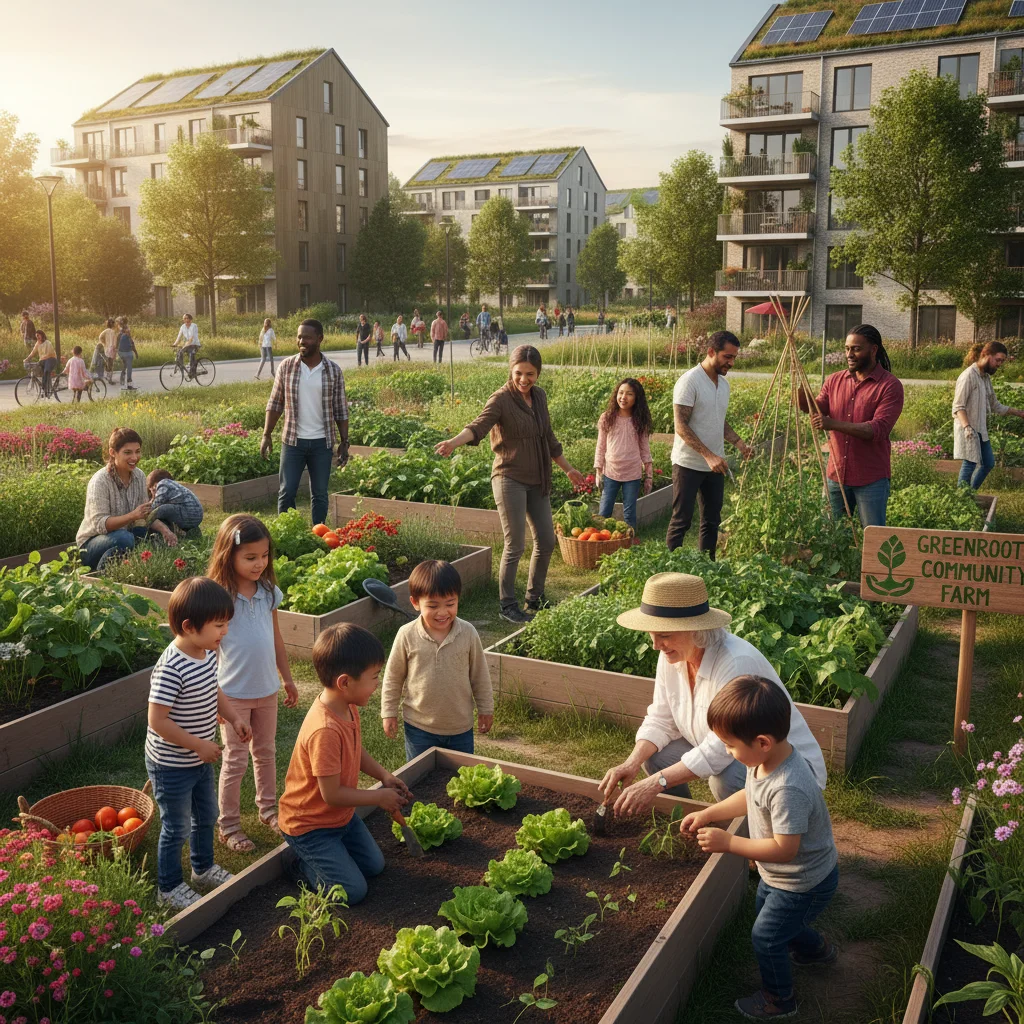
The concept of community is also manifesting in new forms of living arrangements and shared spaces. Co-housing, intentional communities, and collaborative workspaces are gaining popularity. These models prioritize shared resources, mutual support, and a sense of collective responsibility. They offer alternatives to traditional single-family homes and isolated living, fostering environments where people can connect, share skills, and build strong social networks. This trend also extends to urban planning, with a greater emphasis on walkable neighborhoods, public parks, and community centers that encourage interaction and belonging.
Digital Communities and Offline Connection
While the focus is on local connection, digital communities also play a crucial role. Online forums, social media groups, and local apps facilitate the organization of offline events, foster discussions about local issues, and help individuals find like-minded people in their area. The paradox is that digital tools are often used to strengthen real-world bonds. These platforms allow for the rapid dissemination of information about local initiatives, volunteer opportunities, and community needs, bridging the gap between online interaction and tangible impact in the physical world.
The Interconnectedness of the New American Dream Indicators
It’s important to recognize that these three cultural indicators—financial independence, work-life integration, and community focus—are not isolated phenomena. They are deeply interconnected and mutually reinforcing. For example, achieving financial independence often requires a reevaluation of work, leading to more flexible or purpose-driven careers. This flexibility, in turn, allows individuals more time and energy to invest in their local communities. Similarly, strong community ties can provide a support system that enhances both financial security and overall well-being, reducing the pressure to solely rely on individualistic pursuits.
The New American Dream is less about a fixed destination and more about a journey of intentional living. It emphasizes quality of life, personal autonomy, and collective well-being over a purely material definition of success. It’s a dream that is more sustainable, more equitable, and perhaps, more attainable for a broader segment of the population.
Implications for the Future: Businesses and Policy Makers
For businesses, understanding these shifts is critical for talent acquisition, product development, and market positioning. Companies that offer flexible work arrangements, prioritize ethical practices, and demonstrate a commitment to social responsibility will be more attractive to the modern workforce and consumer. Brands that align with values of sustainability, community, and personal well-being will resonate more deeply.
For policymakers, these indicators suggest a need to re-evaluate existing support structures. Policies that address student loan debt, promote affordable housing, encourage local business growth, and invest in community infrastructure will be vital in enabling more Americans to achieve this evolving dream. Furthermore, supporting initiatives that foster work-life balance and provide pathways for continuous skill development will be essential for a resilient and thriving economy.
Conclusion: Embracing the Evolving Dream
The traditional American Dream, while still holding sentimental value for many, is undeniably undergoing a significant metamorphosis. The New American Dream for 2026 and beyond is characterized by a nuanced pursuit of financial independence and security, a profound desire for work-life integration and purpose, and a renewed emphasis on fostering strong, supportive communities. These cultural indicators reflect a deeper societal introspection, a collective yearning for a life that is not just prosperous, but also meaningful, balanced, and connected.
As we navigate the complexities of the 21st century, recognizing and adapting to these evolving aspirations will be key to individual fulfillment and societal progress. The dream is not dead; it’s simply changing, becoming richer, more diverse, and perhaps, more human. It’s an invitation to build a future where success is measured not just by what we own, but by how we live, how we work, and how we connect with the world around us.