Navigating the 2026 American Generational Divide: 3 Key Insights
Navigating the 2026 American Generational Divide: 3 Key Insights into Shifting Values
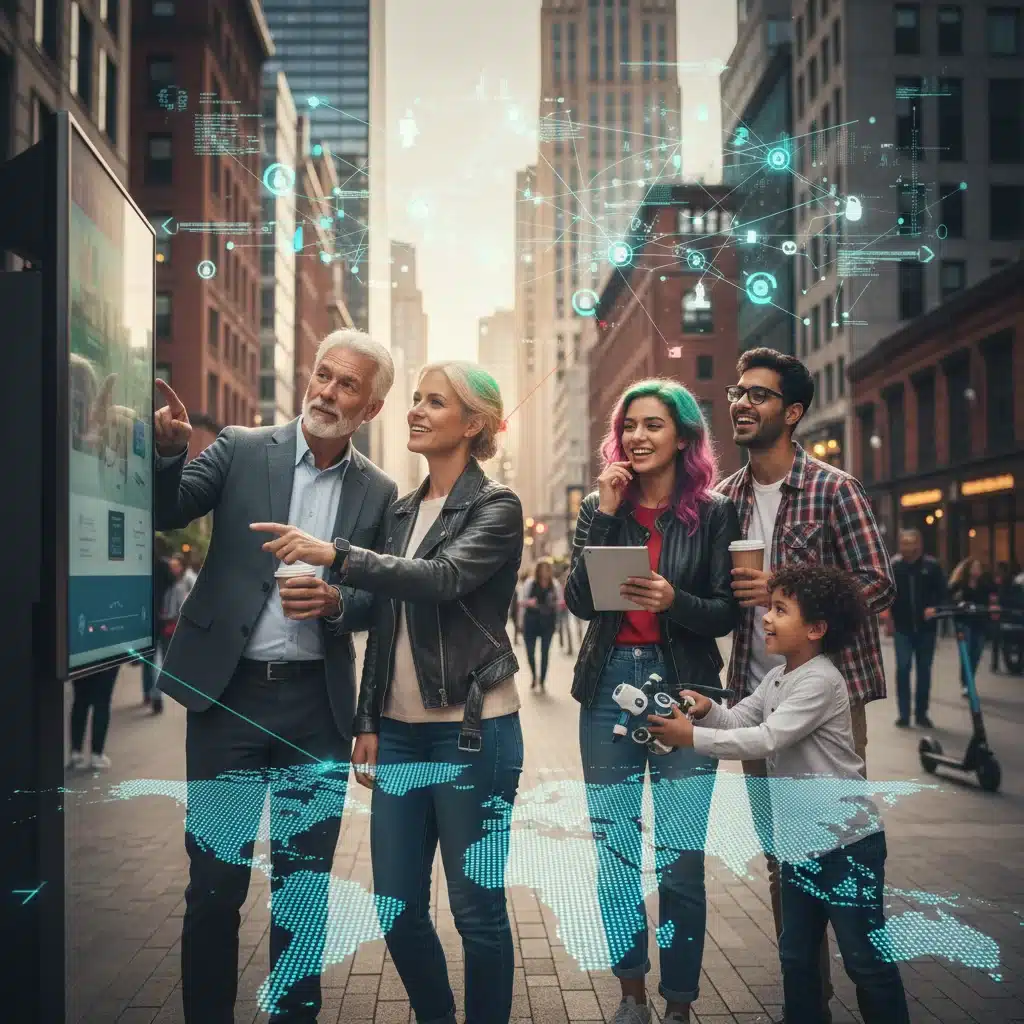
The landscape of American society is in constant flux, shaped by a myriad of factors ranging from technological advancements to global events. As we look towards 2026, one of the most compelling and critical aspects of this evolution is the ongoing American Generational Divide. This isn’t merely about age; it’s about deeply ingrained values, disparate economic realities, and vastly different experiences that shape worldviews. Understanding these divides is not just an academic exercise; it’s essential for policymakers, businesses, educators, and indeed, every citizen striving to build a more cohesive and prosperous future. This article delves into three insider insights that illuminate the evolving nature of the American Generational Divide, offering a comprehensive look at what sets generations apart and what might bring them together.
The Shifting Sands of Core Values Across Generations
One of the most profound aspects of the American Generational Divide in 2026 is the divergence in core values. While certain universal human values persist, the emphasis and interpretation of these values vary significantly from one generation to the next. For instance, Baby Boomers, largely shaped by post-war prosperity and the Civil Rights movement, often prioritize stability, hard work, and loyalty to institutions. Their values were forged in an era of relative economic certainty and a strong sense of national unity, even amidst social upheaval.
Baby Boomers: Legacy and Stability
For many Baby Boomers, the concept of ‘the American Dream’ was intrinsically linked to homeownership, a stable career, and providing a better life for their children. They often value respect for authority, traditional family structures, and community involvement through established organizations. Their political and social views tend to lean towards preserving existing structures, albeit with a recognition of past societal improvements.
Generation X: Pragmatism and Independence
Generation X, often dubbed the ‘latchkey generation,’ grew up in an era of increasing divorce rates, economic uncertainty, and the rise of personal computing. This fostered a sense of self-reliance, skepticism towards authority, and a pragmatic approach to life. Gen Xers value independence, work-life balance, and authenticity. They are less swayed by grand narratives and more focused on practical solutions and personal freedom. Their skepticism often translates into a cautious approach to new trends and a preference for proven methods.
Millennials: Purpose, Flexibility, and Social Justice
Millennials, coming of age during the internet boom, 9/11, and the Great Recession, developed a unique set of values centered around purpose, flexibility, and social justice. They often prioritize meaningful work over high salaries, seek flexible work arrangements, and are deeply concerned with environmental issues, equality, and social responsibility. Unlike previous generations, Millennials are less loyal to traditional corporate structures and more likely to advocate for systemic change. Their values are often expressed through conscious consumerism and active participation in social movements.
Generation Z: Digital Natives and Global Citizens
Generation Z, the true digital natives, have never known a world without the internet or smartphones. This has profoundly shaped their values, emphasizing authenticity, diversity, and global interconnectedness. Gen Zers are highly entrepreneurial, socially conscious, and expect instant access to information and services. They are often more fluid in their identities and challenge traditional norms related to gender, sexuality, and career paths. Their values are driven by a desire for inclusivity, transparency, and a strong sense of individual expression. They are also acutely aware of global issues, from climate change to political unrest, and feel a personal responsibility to contribute to solutions.
Generation Alpha: The Future’s Unfolding Values
While still young, Generation Alpha, born entirely within the 21st century, is already showing signs of distinct value sets. Growing up with AI, pervasive digital interaction, and a world grappling with significant global challenges, they are expected to prioritize adaptability, digital fluency, and collaborative problem-solving. Their values will likely further push the boundaries of traditional structures, emphasizing innovation and a fluid understanding of work, education, and community. The concept of the American Generational Divide will continue to evolve as Alpha matures, bringing new perspectives and challenges.
These shifting values create a complex tapestry of desires and expectations within American society. Understanding these differences is the first step in bridging the divide, allowing for more effective communication and collaboration across age groups.
Economic Disparities and the Widening Wealth Gap
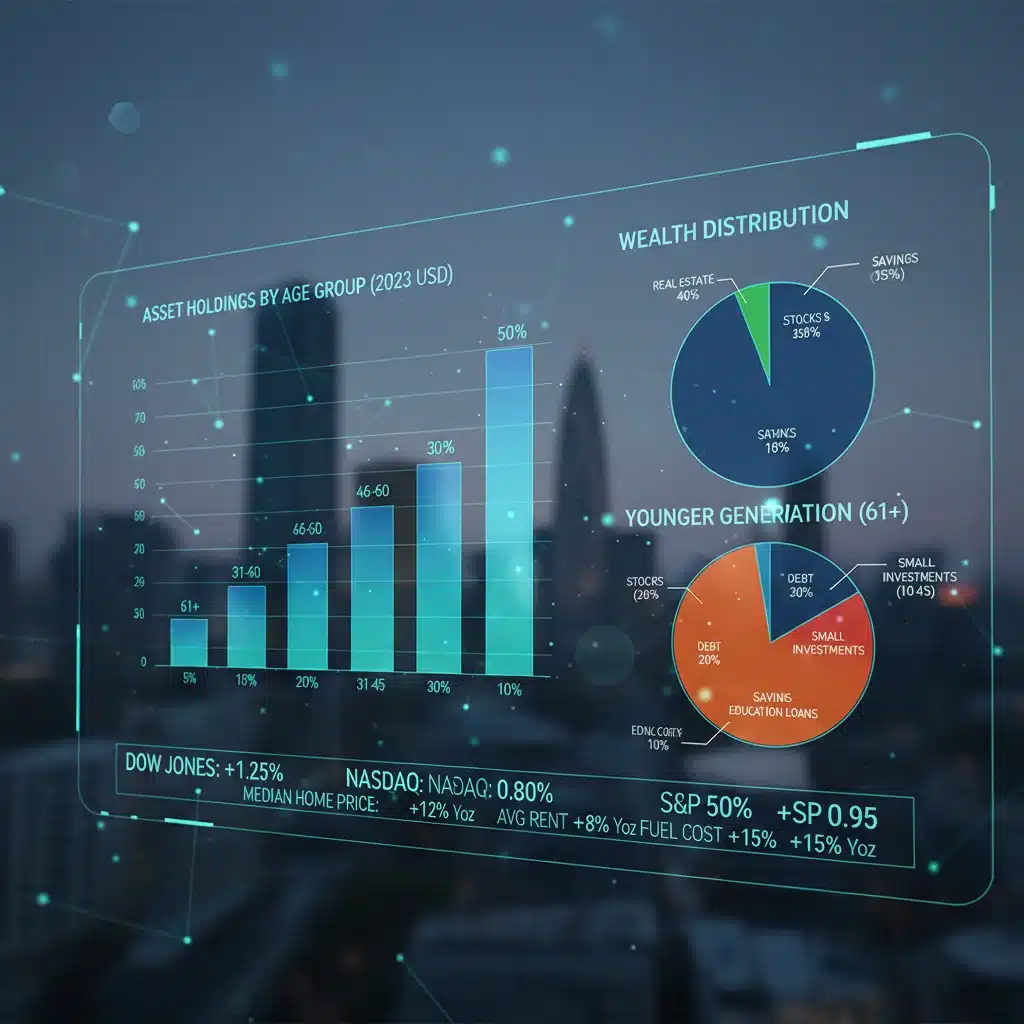
The second critical insight into the American Generational Divide in 2026 pertains to economic realities. The economic landscape has undergone monumental shifts over the past few decades, profoundly impacting the financial well-being and opportunities available to each generation. This has led to significant disparities in wealth accumulation, income stability, and access to resources, exacerbating intergenerational tensions.
Baby Boomers: Peak Wealth and Retirement Challenges
Many Baby Boomers entered the workforce during a period of robust economic growth and enjoyed relatively stable careers, often with defined-benefit pensions. This allowed many to accumulate substantial wealth through homeownership and investments. However, as they move into retirement, many face challenges related to rising healthcare costs, insufficient retirement savings for an extended lifespan, and the burden of supporting adult children and grandchildren. While they hold a significant portion of the nation’s wealth, their financial security is not universally guaranteed, and many are working longer than previous generations.
Generation X: The Squeezed Middle
Generation X often finds itself squeezed between supporting aging parents and launching their own adult children. They experienced economic downturns, including the dot-com bust and the 2008 financial crisis, which impacted their career progression and wealth accumulation. Many are burdened with significant mortgage debt and college expenses for their children, often without the pension benefits enjoyed by Boomers. Their economic trajectory has been one of resilience but also consistent pressure, making them a crucial, yet often overlooked, segment in the American Generational Divide.
Millennials: Student Debt, Stagnant Wages, and Delayed Milestones
Millennials face a unique set of economic hurdles. They entered the job market during the Great Recession, grappling with high unemployment and stagnant wages. This, coupled with soaring student loan debt, has significantly delayed traditional milestones like homeownership, marriage, and starting families. Many Millennials find themselves in precarious employment situations, with less access to benefits and job security than previous generations. The dream of upward mobility often feels out of reach, leading to frustration and a re-evaluation of traditional success metrics. Their economic struggles are a major driver of their political and social activism, as they seek systemic changes to address these imbalances.
Generation Z: Entering a Volatile Economy
Generation Z is entering an economy marked by rapid technological change, automation, and increasing gig work. While many are financially savvy and entrepreneurial, they also face immense competition and the lingering effects of global economic instability. They are highly aware of the financial struggles of Millennials and are often more cautious about debt, exploring alternative education paths and career models. However, they also face the highest cost of living relative to earning potential, making their early economic journey particularly challenging. The economic component of the American Generational Divide is likely to intensify as Gen Z fully enters the workforce.
The Intergenerational Wealth Transfer Dilemma
The anticipated ‘Great Wealth Transfer’ from Baby Boomers to younger generations is often discussed as a solution to economic disparities. However, this transfer is complex. It often benefits those already with some wealth, and many Boomers are living longer, requiring their assets for their own extended care. Furthermore, the wealth transfer is not evenly distributed, with significant portions staying within affluent families. This means the wealth gap within generations, and between them, is likely to persist and even widen without significant policy interventions. Addressing these economic disparities is paramount to fostering social cohesion and reducing the strain of the American Generational Divide.
The Impact of Technology and Digital Fluency
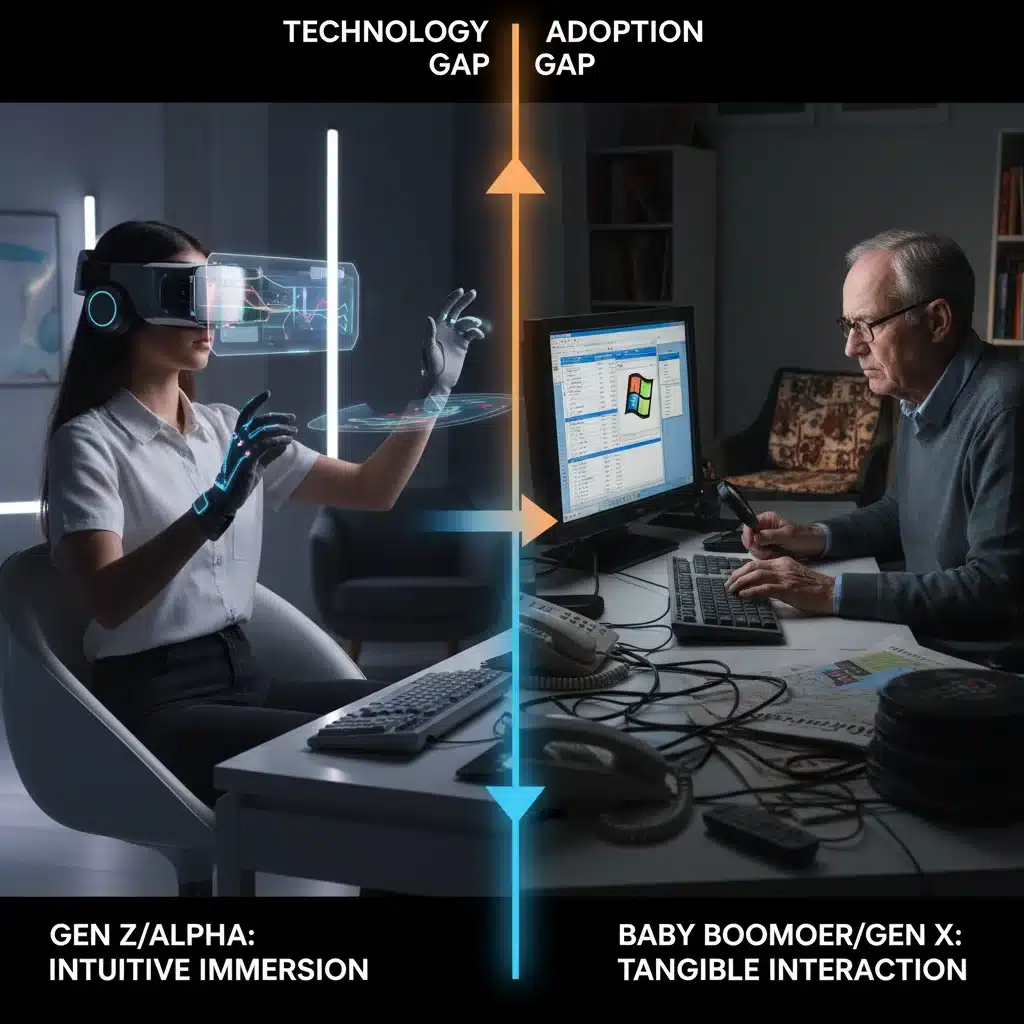
The third crucial insight into the American Generational Divide lies in the pervasive influence of technology and varying levels of digital fluency. Technology has not only changed how we communicate and work but has also fundamentally altered how generations perceive information, engage with society, and even form their identities.
Baby Boomers: Adapting to the Digital World
While many Baby Boomers have embraced technology, particularly smartphones and social media for connecting with family, their adoption often comes with a learning curve. They may prefer traditional media sources and phone calls, while younger generations rely on social media feeds and messaging apps. This disparity can lead to misunderstandings, echo chambers, and challenges in conveying information effectively. Businesses and institutions must adapt their communication strategies to reach all segments of the American Generational Divide, using multi-channel approaches that respect diverse preferences and digital comfort levels.
Generation X: The Digital Bridge
Generation X serves as a bridge generation, having witnessed the birth and rapid evolution of the internet. They are often proficient with technology for work and personal use, adapting well to new platforms and software. However, they may still maintain a distinction between their online and offline lives, a boundary that often blur for younger generations. They understand the power of technology but also its potential pitfalls, often holding a more balanced view.
Millennials: Digital Integrators
Millennials are digital integrators. They grew up as the internet became ubiquitous and have seamlessly woven technology into nearly every aspect of their lives, from work and communication to entertainment and shopping. Social media is a primary channel for news, social interaction, and self-expression. They expect digital convenience and are comfortable navigating complex online ecosystems. Their reliance on technology has shaped their expectations for instant gratification and constant connectivity.
Generation Z: True Digital Natives and Innovators
Generation Z are the first true digital natives, born into a world where the internet and mobile devices were already commonplace. Their relationship with technology is symbiotic; it’s an extension of themselves. They are experts in platforms like TikTok, Instagram, and YouTube, often creating content rather than just consuming it. They use technology for learning, socializing, activism, and entrepreneurship. Their digital fluency means they can quickly adapt to new technologies and often expect highly personalized and interactive digital experiences. This comfort with constant digital interaction and innovation sets them apart within the American Generational Divide.
Generation Alpha: The AI and Metaverse Generation
Generation Alpha is growing up with advanced AI, augmented reality, and the nascent metaverse. Their digital fluency will likely surpass all previous generations, with seamless integration of virtual and physical worlds. They will expect intuitive, voice-activated interfaces and personalized digital environments. This deep immersion in technology will undoubtedly shape their cognitive development, social interactions, and expectations for the future, further widening the technological aspect of the American Generational Divide.
Implications for Communication and Information Consumption
These differing levels of digital fluency have significant implications for how information is consumed and how communication occurs across generations. Older generations might prefer traditional news sources and phone calls, while younger generations rely on social media feeds and messaging apps. This disparity can lead to misunderstandings, echo chambers, and challenges in conveying information effectively. Businesses and institutions must adapt their communication strategies to reach all segments of the American Generational Divide, using multi-channel approaches that respect diverse preferences and digital comfort levels.
Bridging the Divide: Strategies for a Cohesive Future
Understanding the American Generational Divide is only the first step. The real challenge lies in bridging these gaps to foster a more cohesive and collaborative society. This requires intentional effort from individuals, communities, and institutions.
Promoting Intergenerational Dialogue and Empathy
One of the most effective strategies is to create more opportunities for intergenerational dialogue. This means fostering environments where people of different ages can share their experiences, perspectives, and values without judgment. Programs that pair mentors from older generations with mentees from younger ones, or community initiatives that bring diverse age groups together for common goals, can build empathy and mutual understanding. Listening actively to understand the roots of differing values and economic realities is crucial.
Adapting Education and Workforce Development
Educational institutions and employers must adapt to the evolving needs and expectations of each generation. For younger generations, this means incorporating digital literacy, critical thinking skills to navigate online information, and fostering entrepreneurial mindsets. For older generations, it involves providing accessible training in new technologies and reskilling opportunities to remain competitive in a rapidly changing job market. Policies that support lifelong learning and flexible work arrangements can benefit all ages, addressing some of the economic pressures contributing to the American Generational Divide.
Addressing Economic Inequality Through Policy
Policymakers have a critical role in addressing the economic disparities that fuel the generational divide. This includes exploring solutions for student loan debt, ensuring access to affordable housing, strengthening social safety nets, and re-evaluating taxation and wealth distribution policies. Creating a more equitable economic playing field can alleviate much of the financial stress experienced by younger generations and provide greater security for older ones, reducing a significant point of tension in the American Generational Divide.
Leveraging Technology for Connection, Not Division
While technology can create divides, it also offers powerful tools for connection. Developing user-friendly interfaces, creating platforms for intergenerational collaboration, and promoting digital literacy across all age groups can help bridge the technological gap. Educational initiatives focused on media literacy and critical evaluation of online information are vital to ensure that technology serves as a unifying force rather than a source of misinformation and further polarization within the American Generational Divide.
Conclusion: Towards a More Unified American Future
The American Generational Divide in 2026 is a multifaceted phenomenon, characterized by distinct values, economic realities, and technological fluency across Baby Boomers, Generation X, Millennials, Generation Z, and the emerging Generation Alpha. Recognizing these differences is not about creating further separation, but rather about understanding the unique contributions and challenges each generation brings to the national narrative. By fostering empathy, adapting institutions, addressing economic inequalities, and leveraging technology wisely, American society can move towards a future where generational diversity is a source of strength, innovation, and shared progress rather than persistent division. The journey to bridge this divide is ongoing, requiring continuous dialogue, adaptability, and a collective commitment to building a more inclusive and prosperous nation for all its citizens.