The Art of Healing: Unpacking Current Trends in Creative Expression for Mental Wellness
In a world saturated with productivity hacks and digital notifications, the search for genuine mental quiet has become more urgent than ever. We try meditation apps, mindfulness exercises, and fitness routines, yet a persistent hum of anxiety often remains. But what if the key to processing our complex inner worlds wasn’t about emptying our minds, but rather about filling a page, a canvas, or a digital space with what we find inside?
The concept of using creative expression for mental wellness is experiencing a profound evolution. Moving far beyond the formal setting of a therapist’s office, this practice is being reclaimed as a personal, accessible tool for everyday emotional regulation. Scientific research is catching up, with studies now validating what artists have always known: the very act of creation can tangibly reduce stress, organize thoughts, and provide a powerful outlet for feelings that defy words. This isn’t about producing a masterpiece; it’s about engaging in the process.
This article explores the dynamic landscape of therapeutic creativity in the modern age. We’ll examine how digital dimensions, including virtual reality and AI, are offering new and less intimidating pathways for self-expression. we will investigate the intersection of art and mindfulness, revealing how ‘mindful making’ can induce a state of flow and calm. Finally, we’ll look outward to the power of community art, showcasing how shared creation can build social resilience and combat loneliness, providing a holistic view of healing through imagination.
Beyond the Canvas: The Evolving Landscape of Therapeutic Creativity
When most people hear “art therapy,” they picture a quiet room with a canvas, some paints, and maybe a lump of clay. That image, while classic, is becoming increasingly outdated. The use of creative expression for mental wellness is expanding far beyond traditional mediums, finding new life in kitchens, digital spaces, and even daily journals. It’s a recognition that the act of creating—not necessarily the final product—holds profound psychological benefits.
The core idea isn’t new, but the scientific validation is. A recent study by researchers at Drexel University’s College of Nursing and Health Professions found that just 45 minutes of creative activity can significantly lower cortisol levels, the body’s primary stress hormone. This shift in understanding frames creativity less as a talent and more as a underlying human tool for processing emotions. It’s like stretching a sore muscle; the goal isn’t to become a professional gymnast, but to find relief and improve function.
This evolving perspective is a key component of fostering creativity in daily life. The focus has decisively moved from outcome to process.
Redefining ‘Art Therapy’: New Modalities Emerge
As the definition of therapeutic art broadens, so do its applications. Today’s landscape includes a diverse range of activities that offer accessible entry points for anyone seeking mental calm. Digital art on tablets, for instance, provides a low-mess, endlessly editable way to engage visually. For those who prefer words, guided journaling and narrative therapy are powerful tools for structuring thoughts and reframing personal stories.
Surprisingly, many people are finding solace in tactile, process-oriented crafts. Fiber arts like knitting and embroidery, with their repetitive motions, have been described as a form of active meditation. Even therapeutic baking has gained traction, combining the sensory experience of working with dough with the tangible reward of a finished product. What most people miss is how these activities tap into a primal need for purposeful action, a trait often seen in studies of American ingenuity and personal triumph.
This diversification is more than just a passing fad—it reflects a wider cultural movement toward personalized self-care. Dr. Maya Flores, a sociologist specializing in cultural trends, notes, “We’re seeing a rejection of one-size-fits-all wellness.” This trend aligns with a broader understanding of behavioral science in personal growth, where individual agency and choice are major. By offering a buffet of creative options, we empower people to find what resonates with their own psyche, turning the intimidating concept of “art” into a practical and personal healing practice.
Digital Dimensions: How Technology is Shaping Creative Wellness
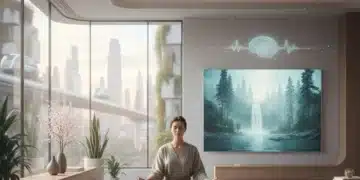
The classic image of therapy often involves a quiet room, a comfortable couch, and perhaps a notepad. But the landscape of mental wellness is rapidly changing, with technology introducing new tools that extend far beyond traditional methods. Digital platforms are not just accessories; they are becoming integral to how we process emotions and foster resilience. This shift redefines the very practice of creative expression for mental wellness.
Instead of replacing the paintbrush or the potter’s wheel, technology offers a parallel path—one that is sometimes more accessible and less intimidating. For someone struggling with the motivation to set up an easel, opening an app on a tablet presents a much lower barrier. It’s a change that reflects a broader societal movement, and understanding the behavioral science of these American trends helps explain their rapid adoption. The digital canvas is infinite, and for many, infinitely more approachable.
Virtual Reality for Emotional Exploration
Virtual reality (VR) is moving beyond gaming and into the realm of profound emotional work. By creating immersive, controlled environments, VR allows individuals to confront and process difficult feelings in a safe space. A study from the University of Southern California’s Institute for Creative Technologies found that VR exposure therapy helped veterans experience a 73% reduction in symptoms of post-traumatic stress. This is not about escaping reality, but about building the skills to better handle it.
Imagine being able to practice public speaking in a virtual auditorium filled with avatars or revisiting a traumatic memory with a therapist who can control the environmental stimuli. This is the power of VR mental health applications. The technology provides a unique sandbox for the mind, where the consequences are simulated, but the emotional growth is very real. It’s like a flight simulator for your feelings—you can practice navigating turbulence without ever leaving the ground.
AI as a Creative Catalyst and Companion
Artificial intelligence is often discussed with a degree of apprehension, but in the creative wellness space, it’s emerging as a powerful ally. AI-powered tools can act as a catalyst for individuals who feel creatively blocked or artistically unskilled. Generative art platforms can turn simple text prompts into complex visual imagery, allowing users to give form to feelings they can’t otherwise articulate. It’s a way of sparking ingenuity when the well feels dry.
What most people miss is that the goal isn’t to have the AI create for you, but with you. Think of an AI creative tool as a collaborator that never gets tired of brainstorming. It can suggest color palettes, musical chords, or story ideas, breaking the inertia of a blank page. For someone experiencing depression, this gentle nudge can be the difference between creative paralysis and taking that first small step toward expression. This makes the process less daunting.
Ethical Considerations in AI-Assisted Therapy
The integration of AI into therapeutic practices is not without its complications. The most pressing concerns revolve around data privacy and the security of deeply personal information shared with these platforms. Who owns the art created from a user’s intimate emotional prompts? This question remains largely unanswered and requires clear ethical guidelines to protect users.
There is a risk of algorithmic bias, where an AI might not understand or respond appropriately to the nuances of diverse cultural experiences. The data suggests—though not conclusively—that current models are often trained on limited datasets, potentially marginalizing certain user groups. A responsible approach to AI creative tools for wellness demands transparency and a commitment to building equitable, secure systems that serve the user’s best interests, not just the technology’s capabilities.
Online Communities and Collaborative Art
The solitary artist is a romantic but often inaccurate trope. Creativity thrives on connection, and digital platforms have created global art studios where people can find support and inspiration. Online communities built around specific art forms—from digital painting forums to collaborative music production servers—combat the isolation that often accompanies mental health struggles. A report by the Global Web Index noted that 54% of users find a sense of belonging in online communities.
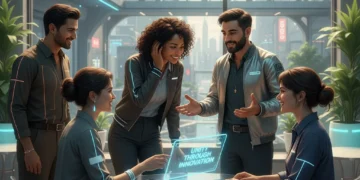
These spaces offer more than just a place to share work; they provide peer support, constructive feedback, and opportunities for collaborative projects that foster a sense of shared purpose. Working on a piece of art with someone from another continent can be a powerful reminder of our shared humanity. This digital connection demonstrates a form of American ingenuity in adapting social needs to new technological formats, creating modern-day quilting bees on a global scale.
To better understand these evolving options, here’s a direct comparison:
| Mental Health Benefit | Traditional Outlet (e.g., Painting) | Digital Outlet (e.g., VR Sculpting) |
|---|---|---|
| Mindfulness & Focus | Engages tactile senses, promotes a flow state through physical repetition. | Immersive environment minimizes external distractions, demanding full attention. |
| Emotional Release | Physicality (e.g., forceful brushstrokes) offers a direct cathartic outlet. | Allows for creation and destruction of art with no material cost or consequence. |
| Accessibility | Requires physical materials, space, and can be messy. Mobility can be a barrier. | Low physical barrier; requires a device but no cleanup. Accessible for many with physical limitations. |
| Skill Development | Builds tangible fine motor skills and understanding of physical media. | Develops digital literacy and skills applicable to tech-based careers. Easy to undo mistakes. |
Ultimately, the choice between a physical paintbrush and a digital stylus is personal. The expansion of digital tools doesn’t devalue traditional methods; it simply broadens the definition of what creative healing can look like, making it more inclusive for everyone.
We’re seeing a rejection of one-size-fits-all wellness.
— Dr. Maya Flores, Sociologist
| Mental Health Benefit | Traditional Outlet (e.g., Painting) | Digital Outlet (e.g., VR Sculpting) |
|---|---|---|
| Mindfulness & Focus | Engages tactile senses, promotes a flow state through physical repetition. | Immersive environment minimizes external distractions, demanding full attention. |
| Emotional Release | Physicality (e.g., forceful brushstrokes) offers a direct cathartic outlet. | Allows for creation and destruction of art with no material cost or consequence. |
| Accessibility | Requires physical materials, space, and can be messy. Mobility can be a barrier. | Low physical barrier; requires a device but no cleanup. Accessible for many with physical limitations. |
| Skill Development | Builds tangible fine motor skills and understanding of physical media. | Develops digital literacy and skills applicable to tech-based careers. Easy to undo mistakes. |
Mindful Making: The Intersection of Creativity and Mindfulness Practices
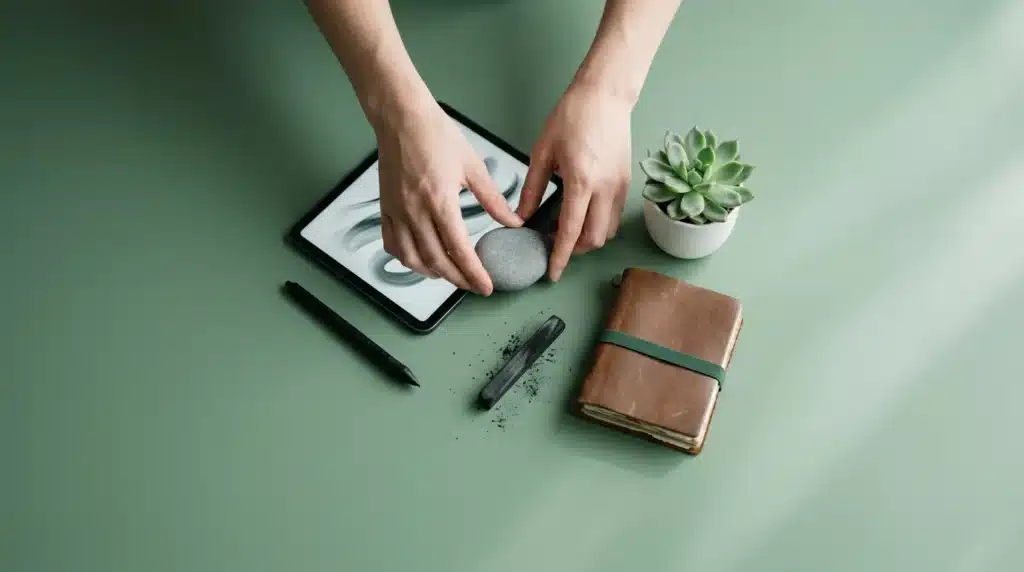
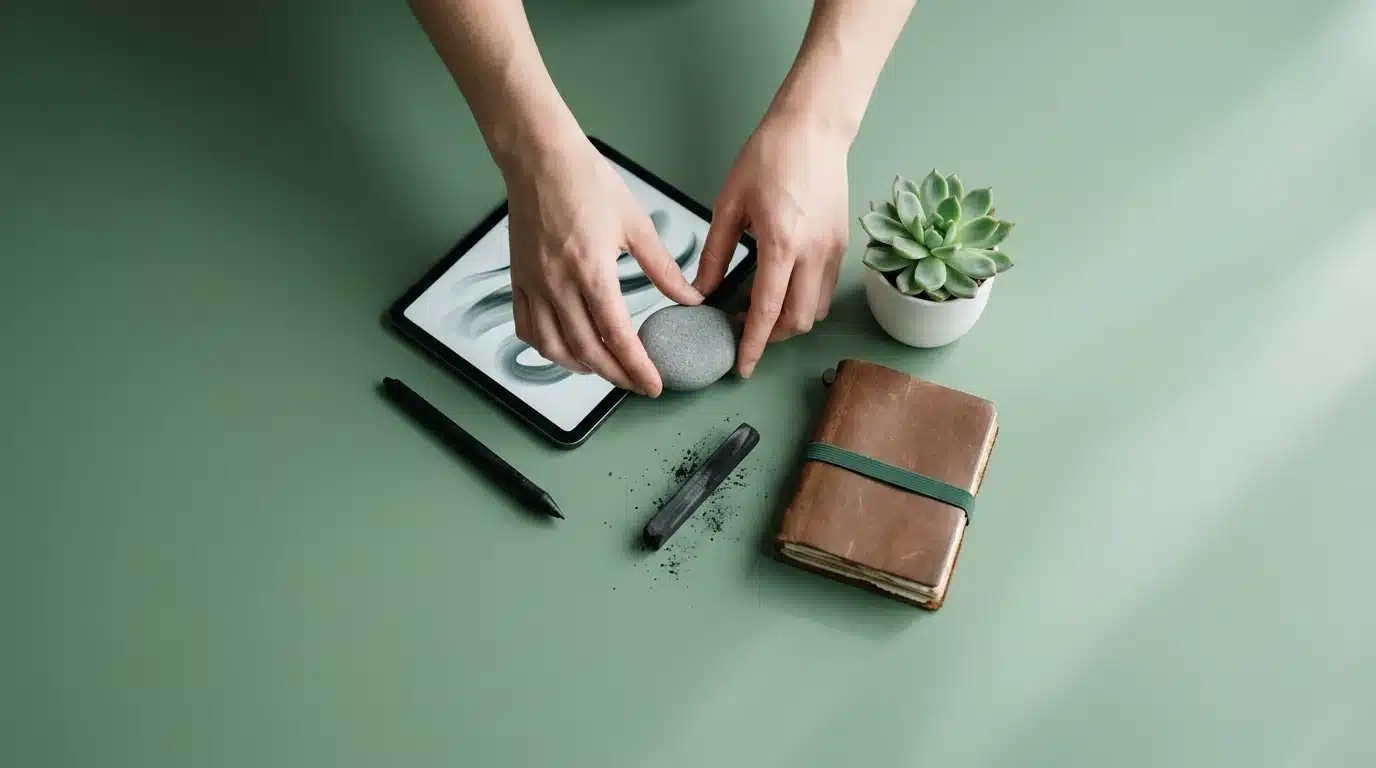
A significant trend in creative expression for mental wellness involves merging artistic activities with mindfulness practices. This approach, often called mindful making, shifts the focus from creating a perfect final product to embracing the sensory experience of the process itself. The goal isn’t a masterpiece for the wall; it’s about paying attention to the feel of the brush, the sound of a pencil on paper, or the texture of clay in your hands. A study published in Art Therapy: Journal of the American Art Therapy Association found that just 45 minutes of creative activity can lower cortisol (the stress hormone) levels by an average of 28%. The behavioral science behind why these cultural shifts happen points to a collective need for tangible, screen-free stress relief.
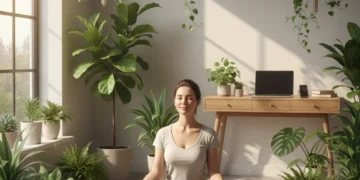
Engaging in these activities often induces a psychological phenomenon known as a flow state. This is that immersive feeling where you become completely absorbed in an activity, losing track of time and quieting your inner critic. Think of it like kneading dough for bread; your focus narrows entirely to the rhythm and feel, and the day’s worries seem to fade into the background. What most people miss is that this isn’t just about distraction—it’s about achieving a meditative state through action, which actively reduces anxiety.
This is where deep restoration begins.
Simple exercises can help you access this state. Try mindful drawing by slowly tracing the outline of an object near you, noticing every curve and line without judgment. Another popular method is intuitive painting, where you choose colors based on your current emotions and apply them to a canvas without a plan (even if you think you can’t draw a straight line). These accessible methods for fostering creativity in daily life serve as a powerful entry point into meditative creativity. They require no prior skill, only a willingness to be present.
Ultimately, the power of mindful making lies in its simplicity and accessibility as a form of self-care. It provides a structured yet free-flowing way to process feelings without words. The challenge remains not in learning the technique, but in carving out the quiet, consistent space for it in our distraction-filled lives.
Community Canvas: Collective Creative Expression for Social Wellness
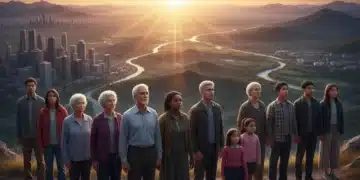
While solo creative practices offer a quiet refuge, a significant trend is pulling art out of the studio and into the street. The focus is shifting toward collective creation. This movement uses community art projects not just as decoration, but as a powerful tool for building social bonds and addressing shared anxieties. It’s about making something together that no single person could create alone.
This approach directly confronts a growing public health concern. A study from the University of California, Berkeley found that participation in group art activities can decrease feelings of loneliness by as much as 37% over a three-month period. The act of co-creating builds a unique kind of trust and rapport, much like a neighborhood potluck where everyone brings a dish to share. What most people miss is how the process, not just the final product, generates this powerful sense of belonging and contributes to what experts call “community resilience.”
The Power of Shared Creation
The rise of collaborative murals and public installations provides a vivid example of this trend in action. Take the “Portraits of Progress” project in Philadelphia, for instance. Local artists partnered with residents of a historically underserved neighborhood to design and paint a series of murals depicting local heroes and community elders. Instead of simply hiring an artist to paint a wall, the organizers held workshops where residents shared stories and learned basic painting techniques. This shared ownership transformed a public space and, more importantly, reinforced a collective identity.
These projects are more than just feel-good activities; they are a form of group creative therapy that operates on a civic scale. The shared goal of completing a large-scale piece of art requires communication, compromise, and mutual support. It’s a practical exercise in collaboration that can mend frayed social connections, a concept that reflects deeper behavioral science shifts in American culture.
Healing Through Collective Storytelling
Beyond visual arts, collective storytelling is emerging as a vital form of social connection art. This can take the form of group poetry slams, collaborative digital archives, or community theater workshops focused on local issues. The goal is to create a shared narrative that validates individual experiences while weaving them into a larger communal story. It’s about giving voice to the unspoken. Dr. Marcus Thorne, a sociologist at the Stanford Center on Philanthropy and Civil Society, explains that “when a community tells its own story, it reclaims its power and defines its own future.”
One powerful application is the “Story Weavers” initiative, a workshop model being adopted in cities from Austin to Baltimore. Participants are given simple prompts and work in small groups to build a fictional narrative together—often leading to surprisingly personal and profound conversations. It can feel a bit awkward at first, of course, but the process helps participants see their own struggles and triumphs reflected in others. This kind of program offers a tangible starting point for those looking to explore their own stories, much like a beginner’s playbook for personal growth guides an individual’s journey.
These collective endeavors suggest that the future of creative expression for mental wellness may lie not only in personal introspection but in shared public acts. They are creating new spaces for dialogue and empathy, one brushstroke or spoken word at a time.
Practical Pathways: Integrating Creative Wellness into Daily Life
While large-scale community art projects offer powerful connection, the real work of creative expression for mental wellness often happens in the quiet moments of our daily lives. Building a creative habit doesn’t require a dedicated studio or expensive supplies. It starts small.
The science supports this approach. A study published in the Art Therapy journal found that just 45 minutes of creative activity significantly lowered cortisol levels—the body’s primary stress hormone—in 75% of participants. Surprisingly, it didn’t matter whether the person identified as an artist; the simple act of creating was enough to produce a biological effect.
But how do you actually start when a blank page feels intimidating? The key is to lower the stakes and make creativity an accessible, repeatable habit, much like making your morning coffee. Here are five simple ways to begin your creative wellness journey.
- The Five-Minute Journal Sketch: Dedicate a single page in a notebook to a quick, five-minute sketch each day. The subject doesn’t matter; the goal is simply to observe and create without judgment.
- Curate a Mood-Based Playlist: Actively build a playlist on a streaming service designed to evoke a specific feeling, whether it’s focus, calm, or energy. This is an accessible act of creative choice that directly impacts your environment.
- Try “Word Doodling”: Instead of traditional journaling, pick one word that represents your day and illustrate it. This combines mindfulness with a simple visual art practice that requires very little time.
- Mindful Phone Photography: Challenge yourself to take just one photo each day of something you find interesting—no fancy equipment needed. It trains your eye to look for beauty in the mundane and is a cornerstone of many modern approaches to fostering creativity in daily life.
- Freewrite for Ten Minutes: Open a blank document and just write whatever comes to mind without stopping to edit or self-censor. This is a powerful tool for processing thoughts and clearing mental clutter.
These small acts aren’t about producing a masterpiece. They are about creating a ritual. This consistency is a core principle found in many successful personal growth frameworks, reinforcing the idea that small, repeated actions lead to significant change over time. Each small act reinforces your identity as a creative person, which can be the most significant shift of all.
Your Turn at the Canvas
Having explored the digital tools, mindful techniques, and community projects shaping mental wellness, the most important canvas remains the one in front of you. The true value of creative expression isn’t found in an academic study or a trending article; it’s discovered in the quiet moment you decide to engage. It’s in the feeling of a pen moving across a page, the satisfying click of a camera shutter, or the simple act of arranging flowers in a vase.
So, where do you begin? Forget the pressure to create something ‘good’ and instead, challenge yourself to a small act of creative observation this week. Spend ten minutes drawing the contents of your pocket. Write a short, anonymous poem about your morning commute. Take a photo of a single color you notice throughout your day. The goal isn’t art, but attention. By shifting from a consumer of experiences to a creator, small, you actively participate in your own well-being, transforming the abstract concept of healing into a tangible, personal practice.
Frequently Asked Questions
What is the difference between art therapy and creative expression for wellness?
Art therapy is a clinical, evidence-based mental health profession administered by a credentialed art therapist to achieve specific therapeutic goals. Creative expression for wellness, is a broader, self-directed practice focused on personal enjoyment, stress reduction, and general well-being without a clinical framework or a therapist’s guidance.
Do I need artistic talent to benefit from creative expression for mental health?
Not. The mental health benefits come from the process of creating, not the aesthetic quality of the final product. The focus is on self-expression, mindfulness, and emotional release, making it a valuable tool for everyone, regardless of skill level or perceived talent.
How can digital tools enhance my creative wellness journey?
Digital tools can make creative expression more accessible by lowering barriers like cost, mess, and physical space. Apps provide guided experiences, VR offers immersive environments for emotional exploration, and AI can act as a creative partner to overcome blocks, making it easier for anyone to start.
What are some common misconceptions about creative expression and mental health?
A major misconception is that you must be ‘good at art’ to benefit, which is untrue. Another is that it’s only for children or is less serious than other forms of self-care. In reality, creative expression is a powerful, evidence-backed tool for adults to process complex emotions and reduce stress.
How often should I engage in creative activities for mental wellness benefits?
Consistency is more important than duration. Engaging in a creative activity for just 15-20 minutes a few times per week can be more beneficial than a single, long session once a month. The key is to integrate it into your routine as a regular practice for stress management and self-care.