Traditional vs. Digital Media: 2026 Cultural Consumption Analysis
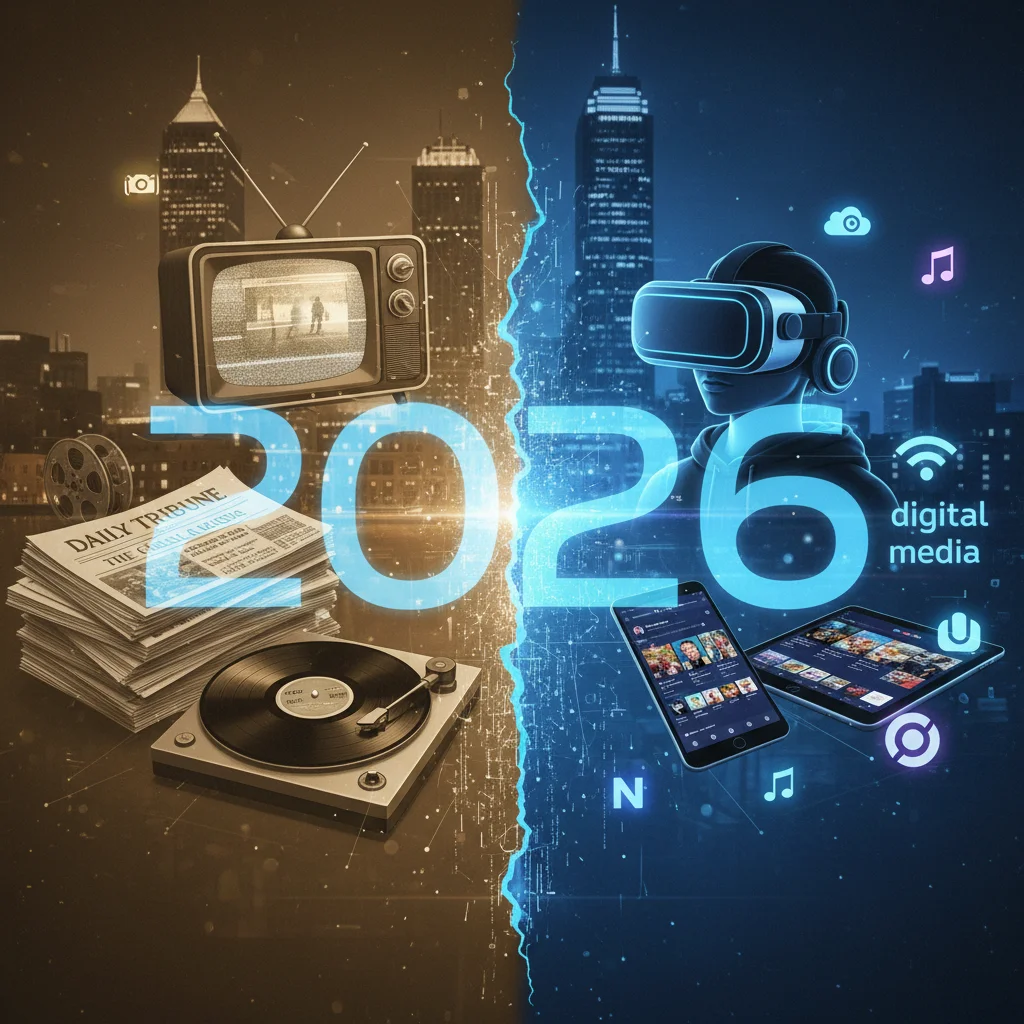
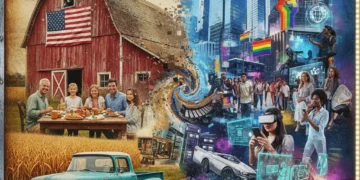
The year is 2026, and the American cultural landscape is a vibrant, ever-shifting tapestry woven from threads of both the past and the future. For decades, traditional media reigned supreme, dictating narratives, shaping opinions, and providing the primary source of entertainment and information. Think newspapers crisp with morning news, radio waves carrying music and stories across states, and television sets glowing in living rooms, uniting families for prime-time shows. These were the titans of cultural consumption, deeply embedded in the American psyche.
However, the advent of the internet and subsequent explosion of digital technologies have ushered in a new era, one defined by unprecedented access, personalization, and interactivity. The rise of streaming platforms, social media, podcasts, and online news outlets has fundamentally altered how Americans consume culture, engage with information, and form their identities. This seismic shift has led to a fascinating dichotomy, where the enduring legacy of traditional media coexists with the pervasive, often disruptive, force of digital innovation. Understanding this dynamic is crucial for comprehending the current and future trajectory of American society.
This comprehensive analysis delves into the intricate comparison of traditional versus digital media in 2026, exploring their respective influences on cultural consumption, audience demographics, economic models, and societal impact. We will examine how each medium continues to carve out its niche, adapt to changing consumer behaviors, and contribute to the rich mosaic of American culture. Our focus will be on providing a detailed, forward-looking perspective, anticipating the trends and challenges that lie ahead in this fascinating media ecosystem. The digital media influence is undeniable, but the resilience of traditional forms should not be underestimated.
The Enduring Power of Traditional Media in 2026
Despite predictions of its demise, traditional media in 2026 continues to hold significant sway, albeit in evolved forms. Newspapers, while facing circulation challenges, have largely embraced digital counterparts, offering hybrid subscriptions that combine print delivery with online access. This allows them to retain a loyal, often older, readership while attempting to capture younger demographics. The credibility and in-depth reporting associated with established journalistic institutions remain a key differentiator in an age rife with misinformation. For many, the tactile experience of reading a physical newspaper or magazine offers a sense of gravitas and an escape from the relentless notifications of the digital world.
Radio, another stalwart, has proven remarkably resilient. Beyond terrestrial broadcasts, a significant portion of its listenership has migrated to digital platforms through streaming apps and podcasts. However, local radio stations still serve as vital community hubs, providing hyper-local news, weather, and traffic updates, as well as a sense of local identity and companionship. The familiar voices of local DJs and the curated music selections offer a comforting alternative to algorithm-driven playlists. The automotive industry, with its continued integration of traditional radio, further ensures its presence in daily life.
Television, particularly broadcast and cable, has adapted by diversifying its content and distribution. While linear viewing has declined among younger audiences, live events like sports, major news broadcasts, and cultural spectacles still draw massive traditional TV audiences. Furthermore, many traditional networks have launched their own successful streaming services, effectively blurring the lines between traditional and digital. This dual strategy allows them to leverage their existing content libraries and production capabilities while tapping into the growing demand for on-demand viewing. The cultural impact of a shared national television experience, such as a Super Bowl or a presidential debate, remains a powerful unifying force.
Books, perhaps the most ancient form of traditional media, continue to thrive. While e-books and audiobooks have gained immense popularity, physical books maintain a strong appeal. The sensory experience of holding a book, turning pages, and displaying a personal library remains a cherished ritual for many. Independent bookstores have experienced a renaissance, becoming cultural centers and community gathering places, offering curated selections and author events that foster intellectual engagement and social connection. The permanence and tangibility of a physical book offer a stark contrast to the ephemeral nature of much digital content, making them valuable cultural artifacts.
The Pervasive Influence of Digital Media
The digital media influence in 2026 is nothing short of transformative, permeating nearly every aspect of American cultural consumption. Streaming services, from video platforms like Netflix, Disney+, and Max, to music services like Spotify and Apple Music, have revolutionized how people consume entertainment. The sheer volume of content available on demand, coupled with personalized recommendations, has created a culture of endless choice and hyper-specific niches. Binge-watching has become a commonplace activity, and the ability to access any song or movie at any time has fundamentally altered expectations regarding media availability. This convenience has reshaped leisure time and entertainment habits for millions.
Social media platforms continue to be central to communication, information dissemination, and cultural trends. Platforms like TikTok, Instagram, X (formerly Twitter), and Facebook are not just for connecting with friends; they are primary sources of news, entertainment, and cultural discourse. Viral trends, memes, and influencer culture originate and propagate rapidly through these channels, shaping fashion, language, and even political movements. The interactive nature of social media allows for immediate feedback and participation, fostering a sense of community and belonging, even if those communities are largely virtual. However, this immediacy also presents challenges, such as the rapid spread of misinformation and the pressures of constant connectivity.
Podcasts have emerged as a dominant force in audio consumption, offering everything from investigative journalism and educational content to fictional narratives and celebrity interviews. Their on-demand nature and portability make them ideal for modern, busy lifestyles, allowing listeners to consume content during commutes, workouts, or household chores. The intimacy of the spoken word and the niche appeal of many podcasts have cultivated highly engaged audiences, creating a new avenue for storytelling and expert commentary. This growth has also led to a diversification of voices and perspectives, offering alternatives to mainstream narratives.
Online news portals and aggregators have become indispensable for staying informed. While traditional news organizations have their digital presences, independent online journalists, citizen reporters, and specialized news sites contribute to a vast and diverse information ecosystem. The ability to access multiple perspectives instantly and to delve into topics of personal interest has empowered consumers to curate their own news feeds. However, this personalization can also lead to echo chambers and filter bubbles, where individuals are primarily exposed to information that confirms their existing beliefs, posing a challenge to informed public discourse.
Audience Demographics and Engagement
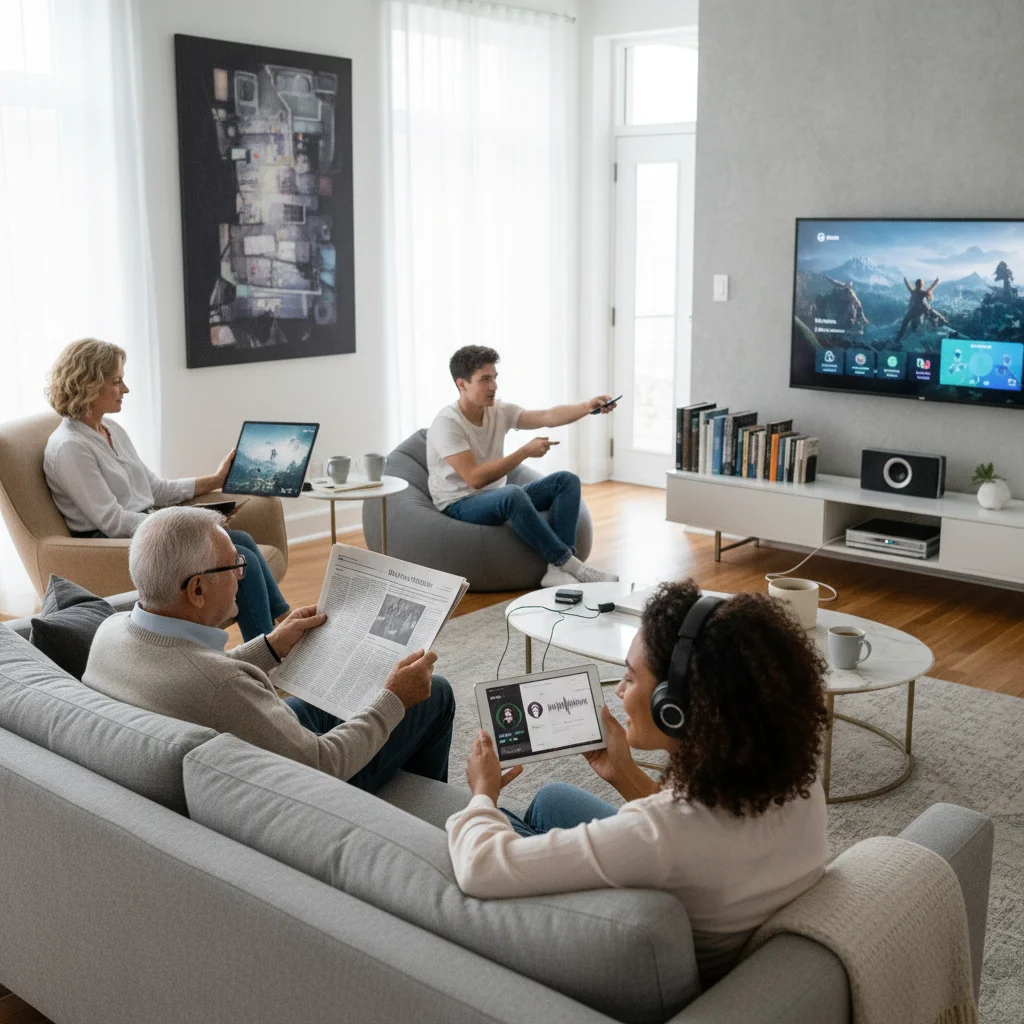
The divide between traditional and digital media often correlates with generational lines, though these are increasingly blurring. In 2026, older demographics (Baby Boomers and early Gen X) tend to retain a stronger preference for traditional media, valuing its familiarity, perceived reliability, and often, its slower pace. They are more likely to subscribe to print newspapers, watch linear television, and listen to terrestrial radio. Their engagement often involves passive consumption, seeking information and entertainment from established sources.
Conversely, younger demographics (Gen Z and Millennials) are almost exclusively digital natives. Their media consumption habits are characterized by multi-platform engagement, on-demand access, and active participation. They prefer streaming services over broadcast TV, get their news from social media and online aggregators, and consume audio content via podcasts and streaming music platforms. Their engagement is often interactive, involving commenting, sharing, and content creation. This generation is also more adept at navigating the vastness of the digital world, curating personalized media diets that reflect their diverse interests and identities.
However, it’s crucial to note the increasing overlap. Many older individuals have adopted digital technologies, using social media to connect with family or streaming services for entertainment. Similarly, younger audiences occasionally engage with traditional media, perhaps through a vinyl record collection or attending a theatrical performance. The rise of hybrid consumption patterns suggests that the future of media is not about one replacing the other, but rather about integration and co-existence. The digital media influence is strong, but traditional forms are finding new ways to connect.
Engagement metrics also differ significantly. Traditional media often measures success through circulation numbers, viewership ratings, and listenership surveys. Digital media, on the other hand, provides a wealth of granular data: click-through rates, time spent on page, shares, likes, comments, and conversion rates. This data-driven approach allows content creators and advertisers to understand audience behavior with unprecedented precision, leading to highly targeted content and advertising strategies. This difference in measurement also influences content creation, with digital platforms often favoring shorter, more shareable, and interactive formats.
Economic Models and Sustainability
The economic models supporting traditional and digital media also diverge considerably. Traditional media historically relied heavily on advertising revenue, subscriptions (print or cable), and direct sales (books, movie tickets). While these models persist, they have been challenged by the fragmentation of audiences and the shift of advertising dollars to digital platforms. Many traditional outlets have struggled to adapt, leading to layoffs, closures, and consolidation within the industry. The cost of producing high-quality journalism or television programming remains high, making sustainable revenue streams a constant concern.
Digital media, conversely, operates on a diverse set of economic models. Subscription services (Netflix, Spotify, Substack) are a dominant force, offering ad-free experiences or premium content for a recurring fee. Advertising remains a cornerstone, but it’s often highly targeted and programmatic, leveraging user data for maximum effectiveness. Freemium models, where basic services are free but advanced features require payment, are also common. Creator economies, driven by platforms like Patreon or YouTube’s monetization, allow individual content creators to earn directly from their audience. This multiplicity of models provides flexibility but also creates intense competition for consumer attention and spending.
The sustainability of both models is deeply intertwined with technological advancements and consumer willingness to pay for content. Traditional media’s survival often depends on successful digital transformation and finding hybrid revenue streams. Digital media faces challenges related to content saturation, subscriber fatigue, and the increasing cost of content acquisition and production. Both sectors are constantly innovating to find new ways to generate revenue and remain relevant in a highly competitive market. The digital media influence also means a constant need to adapt to new technologies and platforms.
Impact on Cultural Identity and Values
The media we consume profoundly shapes our cultural identity and values. Traditional media, with its often centralized and curated approach, historically played a significant role in establishing shared national narratives, common cultural touchstones, and a collective understanding of events. Broadcast news, for example, could unite a nation in times of crisis, while popular TV shows created shared experiences and references across diverse demographics. This shared consumption fostered a sense of national unity and a common cultural vocabulary.
Digital media, while offering unparalleled access to diverse perspectives, has also contributed to a more fragmented cultural landscape. The personalization algorithms of social media and streaming services can lead to echo chambers, where individuals are primarily exposed to content that reinforces their existing beliefs and interests. This can result in a more individualized cultural experience, potentially eroding shared understanding and fostering polarization. However, digital platforms also empower marginalized voices, facilitate global cultural exchange, and allow for the rapid spread of diverse artistic expressions, fostering new forms of cultural identity and community.
The speed at which information and trends spread through digital channels also impacts cultural values. Viral challenges, social justice movements, and fashion trends can emerge and dissipate with unprecedented rapidity, reflecting a culture of constant change and instant gratification. This contrasts with the slower, more deliberate pace of cultural shifts often influenced by traditional media. The digital media influence on identity is complex, offering both unprecedented connection and potential fragmentation.
Furthermore, the line between content consumer and content creator has blurred significantly in the digital age. Anyone with a smartphone can produce and disseminate content, leading to a democratization of cultural production. This empowers individuals and niche communities to share their stories and perspectives, fostering a more inclusive and diverse cultural tapestry. However, it also raises questions about content quality, authenticity, and the spread of misinformation, challenging traditional gatekeepers of cultural production and information.
The Future: Convergence and Co-existence
Looking ahead to 2026 and beyond, the most probable scenario is not the outright victory of one media form over the other, but rather a continued convergence and co-existence. Traditional media outlets will increasingly integrate digital strategies, leveraging their brand recognition and journalistic expertise to thrive in the online space. We already see this with major newspapers offering premium digital subscriptions and TV networks launching their own streaming platforms. The key for traditional media will be to adapt without sacrificing the core values and quality that define them.
Digital platforms, in turn, may increasingly seek to emulate certain aspects of traditional media, such as deeper investigative journalism, long-form storytelling, and curated experiences that offer a respite from the overwhelming choice. The demand for high-quality, trustworthy content will likely drive collaborations and mergers between traditional and digital entities, creating new hybrid media organizations. The digital media influence will continue to push innovation, but the desire for reliable and engaging content remains constant.
Personalization will continue to be a dominant trend, with AI-driven algorithms becoming even more sophisticated in tailoring content recommendations to individual preferences. This will create highly customized media diets, making the concept of a singular ‘mass audience’ increasingly obsolete. However, there will also be a growing appreciation for shared cultural experiences, potentially leading to a resurgence of live events, communal viewing parties, and platforms that facilitate collective engagement.
The regulatory landscape will also play a crucial role. Governments and international bodies are grappling with issues such as data privacy, content moderation, misinformation, and the market dominance of tech giants. Future regulations could significantly impact how digital media operates, potentially leveling the playing field for traditional media and fostering a more equitable and responsible media ecosystem. These policies will shape the boundaries of the digital media influence.
Education will be paramount in navigating this complex media environment. Media literacy, critical thinking skills, and an understanding of algorithmic biases will become essential for citizens to discern credible information, engage thoughtfully with diverse perspectives, and protect their digital well-being. Schools and public institutions will have a vital role in equipping individuals with the tools needed to thrive in a media-saturated world.
Conclusion
In 2026, the American cultural consumption landscape is a testament to evolution and adaptation. While the digital media influence has undeniably reshaped how we consume information and entertainment, traditional media has demonstrated remarkable resilience, finding new ways to connect with audiences and maintain its relevance. The future is likely to be characterized by a dynamic interplay between these two forces, leading to innovative hybrid models, personalized content experiences, and an ongoing redefinition of what constitutes ‘media.’
The challenges of misinformation, polarization, and content overload will persist, requiring individuals and institutions to cultivate media literacy and critical engagement. Yet, the opportunities for diverse storytelling, global connection, and personalized learning are immense. As we move further into the 21st century, the media landscape will continue to be a fascinating arena where technology, culture, and human behavior intersect, shaping the very fabric of American society. Understanding this intricate relationship is key to navigating the cultural currents of today and tomorrow.