2026 American Cultural Shifts: Emerging Norms & Trends Explored
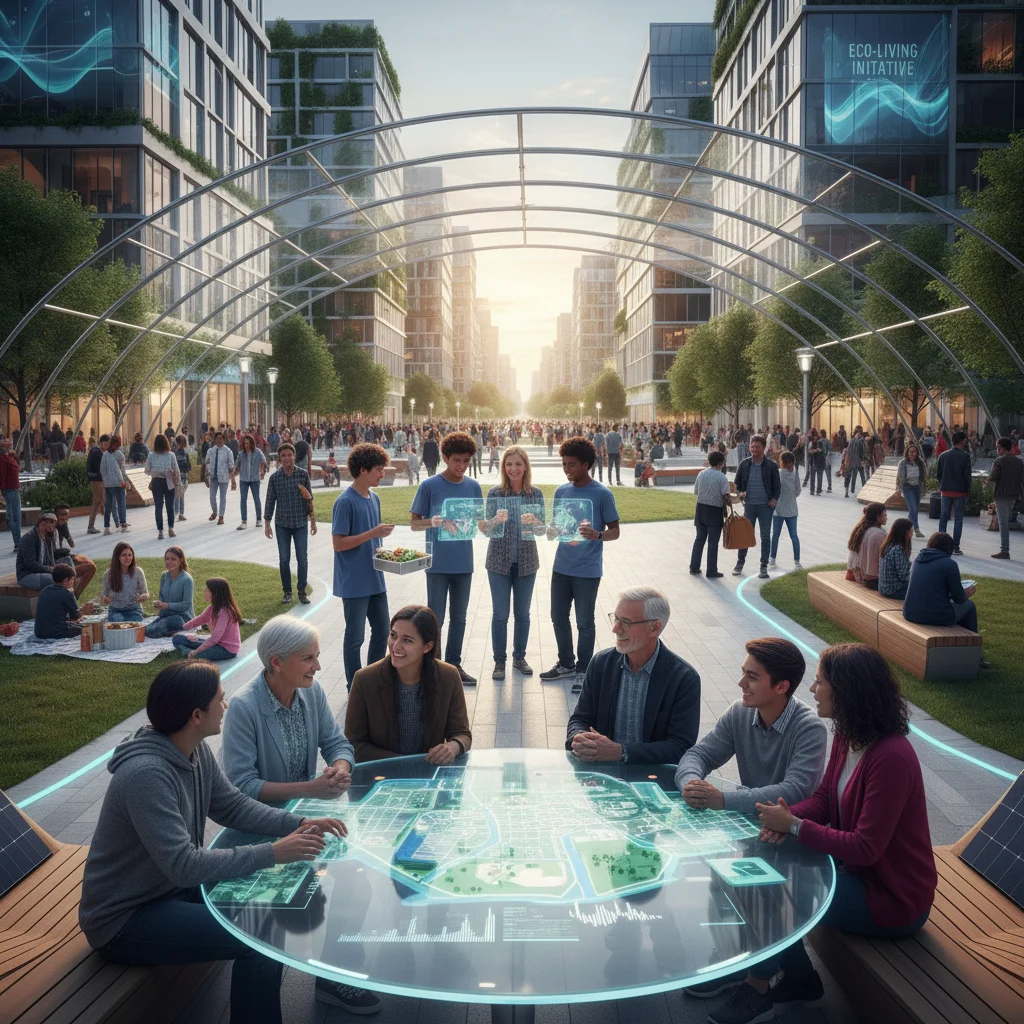
The tapestry of American culture is perpetually reweaving itself, a dynamic process influenced by technological leaps, shifting social values, economic pressures, and global interconnectedness. As we approach 2026, the outlines of new norms and cultural shifts are becoming clearer, suggesting a society in ongoing transformation. Understanding these emerging trends is not merely an academic exercise; it’s crucial for businesses, policymakers, educators, and individuals seeking to navigate and thrive in the evolving landscape. This comprehensive exploration delves into the anticipated cultural shifts that will define 2026 American Culture, offering insights into how our daily lives, interactions, and perceptions are being reshaped.
The Digital Continuum: Technology’s Pervasive Embrace in 2026 American Culture
Technology has always been a powerful catalyst for cultural change, and by 2026, its integration into American life will be more seamless and profound than ever before. We are moving beyond merely using technology to living within a digital continuum where the lines between the physical and virtual blur. This isn’t just about faster internet or new gadgets; it’s about a fundamental shift in how we perceive reality, interact with others, and access information.
Augmented Reality (AR) and Mixed Reality (MR) as Everyday Tools
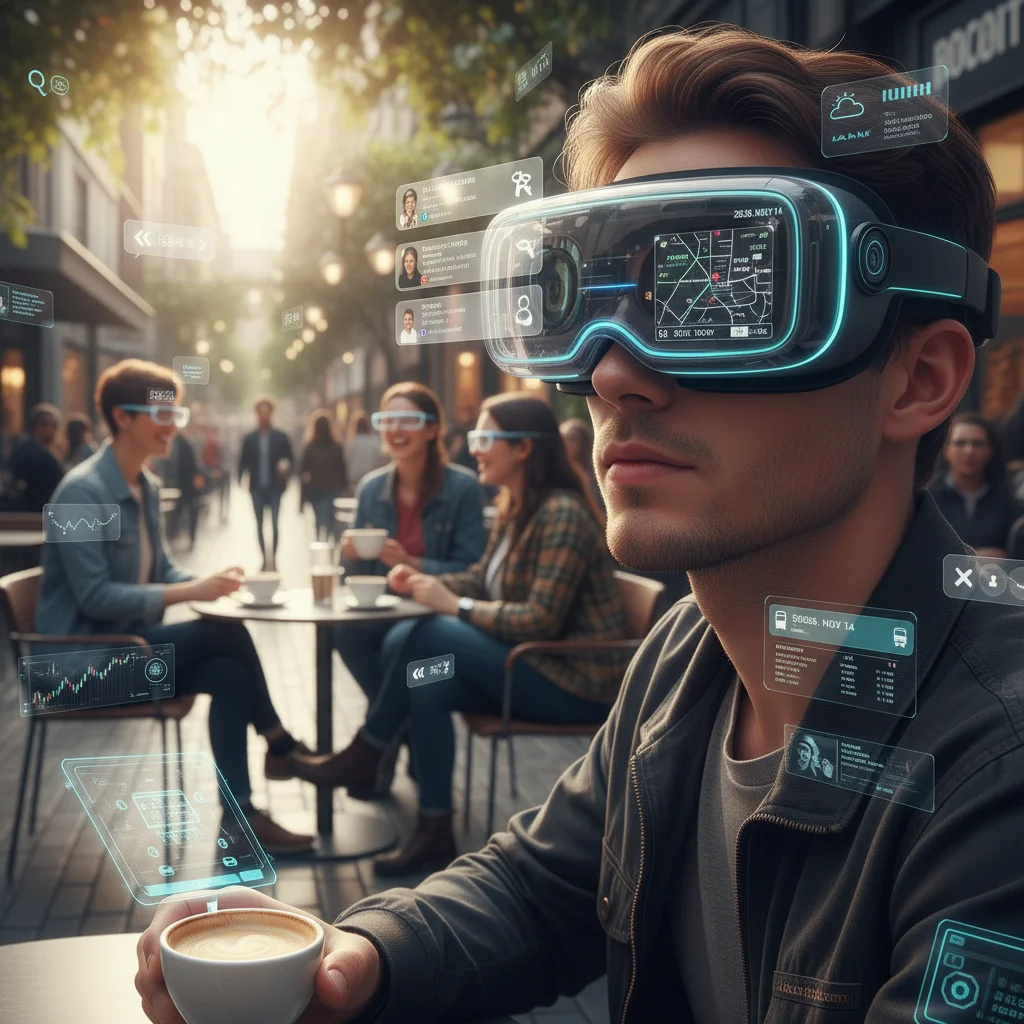
While virtual reality (VR) has captured imaginations, augmented reality (AR) and mixed reality (MR) are poised to become far more ubiquitous in 2026 American Culture. Imagine walking down a street and seeing real-time navigation overlaid on your vision, or collaborating with colleagues on a 3D model that appears to float in your living room. Smart glasses, once a niche product, will likely evolve into sleeker, more comfortable devices, offering a constant stream of contextual information and enhancing everything from shopping to learning. This constant overlay of digital information will alter our perception of space and interaction, making the physical world inherently ‘smarter’ and more responsive.
Hyper-Personalization and AI Integration
Artificial intelligence (AI) will continue its deep integration into our daily routines, moving beyond smart assistants to hyper-personalized experiences across all platforms. From tailored news feeds that anticipate your interests to AI-driven health recommendations and customized educational pathways, the algorithms will know us better than ever. This level of personalization, while convenient, also raises questions about echo chambers, data privacy, and the potential for manipulation. The debate around the ethical implications of pervasive AI will be a central theme in 2026 American Culture.
The Gig Economy and Digital Labor
The gig economy, already a significant force, will mature further by 2026. More Americans will engage in multiple forms of digital labor, from freelancing creative services to participating in distributed autonomous organizations (DAOs) and contributing to decentralized projects. This shift will necessitate new social safety nets, benefits structures, and a re-evaluation of traditional employment models. The concept of a ‘career’ will become even more fluid, emphasizing adaptability, continuous learning, and portfolio-based work.
Social Fabric and Interpersonal Dynamics: Redefining Connection
The ways Americans connect with each other are in constant flux, influenced by digital platforms, demographic shifts, and evolving societal values. 2026 American Culture will see a continued redefinition of community, belonging, and interpersonal relationships.
Fluid Identities and Inclusive Spaces
The conversation around identity, particularly gender, sexuality, and race, will continue to evolve towards greater fluidity and inclusivity. Younger generations, in particular, are challenging traditional categories and demanding more expansive and nuanced understandings of personal identity. This will manifest in cultural products, language, and the design of public and private spaces, with a stronger emphasis on creating environments where diverse identities are not just tolerated but celebrated. Companies and institutions that fail to embrace these inclusive values risk alienating a significant portion of the population.
Digital Communities and Real-World Echoes
While digital platforms often get a bad rap for isolating people, by 2026, we’ll see a more sophisticated understanding of how online and offline communities intertwine. Niche online communities will continue to flourish, offering support and connection around shared interests, identities, and causes. Increasingly, these digital bonds will translate into real-world meetups, collaborative projects, and collective action. The challenge will be to foster healthy digital environments that encourage genuine connection rather than superficial engagement or polarization.
The Re-evaluation of Privacy and Publicness
With ubiquitous surveillance and data collection, the concept of privacy will undergo further re-evaluation. While some will embrace a more public persona, sharing vast amounts of personal data for convenience or connection, others will actively seek out methods for digital anonymity and data sovereignty. This tension between transparency and privacy will shape debates around regulations, technological design, and individual choices in 2026 American Culture. Expect to see a rise in privacy-enhancing technologies and a greater public discourse on data ethics.
Work and Economy: The Evolving American Dream
The traditional pillars of the American Dream – stable jobs, homeownership, and upward mobility – are being re-examined and redefined. Economic pressures, technological advancements, and a generational shift in values are contributing to a new understanding of career success and personal fulfillment in 2026 American Culture.
The Hybrid Work Revolution Solidifies
The pandemic accelerated the adoption of remote and hybrid work models, and by 2026, these will be firmly entrenched as standard practices for many industries. The office will transform from a daily destination to a hub for collaboration, innovation, and social connection. This shift impacts urban planning, transportation, and the demand for flexible living spaces. Companies that offer genuine flexibility and trust their employees will have a significant advantage in attracting and retaining talent.
Skills-Based Hiring and Lifelong Learning
Formal degrees will remain important, but there will be an increased emphasis on demonstrable skills and continuous learning. The rapid pace of technological change means that skills acquired in college can become outdated quickly. Micro-credentials, online courses, and apprenticeships will gain further legitimacy as pathways to career advancement. The concept of the ‘learner-worker’ will become central, with individuals constantly upskilling and reskilling throughout their professional lives. This will foster a culture of adaptability and intellectual curiosity within 2026 American Culture.
Ethical Consumption and Conscious Capitalism
Consumers, particularly younger generations, are increasingly making purchasing decisions based on the ethical practices and social responsibility of companies. By 2026, this trend will be even more pronounced. Brands will face greater scrutiny regarding their supply chains, environmental impact, labor practices, and commitment to social justice. Conscious capitalism, where businesses prioritize purpose alongside profit, will move from a niche concept to a mainstream expectation. Companies that authentically integrate sustainability and social responsibility into their core operations will build stronger brand loyalty and appeal to the evolving values of 2026 American Culture.
Health and Wellness: A Holistic Approach
The understanding of health and wellness in America is expanding beyond the absence of illness to encompass a holistic view of physical, mental, and emotional well-being. This shift will continue to deepen by 2026, influencing personal habits, healthcare systems, and cultural priorities.
Personalized Health and Preventative Care
Advances in genomics, wearable technology, and AI will lead to highly personalized health insights. Individuals will have access to more data about their own bodies, from sleep patterns to genetic predispositions, enabling more proactive and preventative health management. Telemedicine will become a primary mode of initial consultation for many, making healthcare more accessible, though issues of digital equity will persist. The focus will shift from reactive treatment to maintaining optimal health and preventing disease.
Mental Health Destigmatization and Integration
The ongoing efforts to destigmatize mental health will bear significant fruit by 2026. Conversations around mental well-being will become more open and common in workplaces, schools, and homes. This will lead to greater demand for mental health services, integrated care models (where mental and physical health are treated together), and a broader acceptance of therapy, mindfulness, and other well-being practices. Employers and educational institutions will increasingly offer resources and support for mental resilience, recognizing its impact on productivity and overall quality of life.
Nature Connection and Biophilic Design
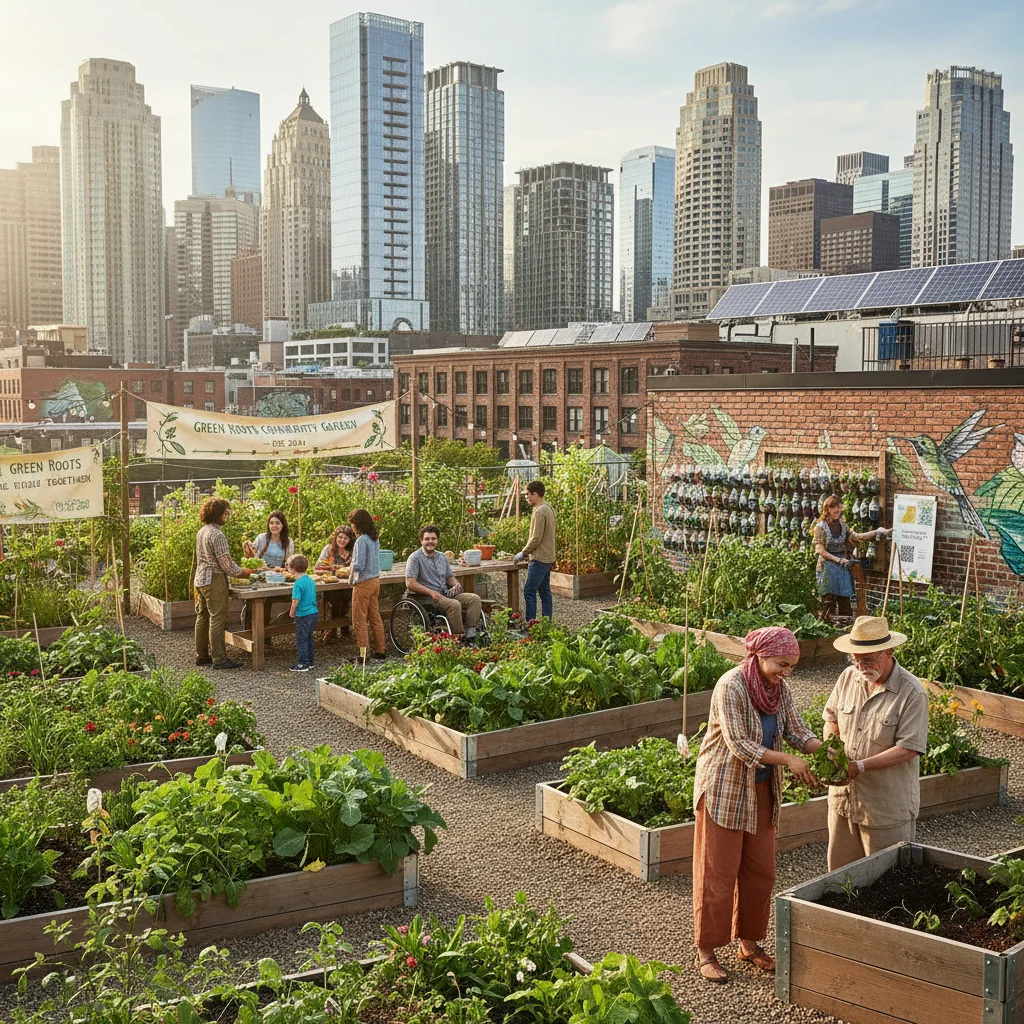
In an increasingly digital world, the importance of connecting with nature for mental and physical well-being will be widely recognized. Biophilic design, which incorporates natural elements into built environments, will become more prevalent in urban planning, architecture, and interior design. Expect to see more green spaces, indoor plants, and natural light in homes, offices, and public areas. This cultural appreciation for nature reflects a desire to counterbalance screen time and reconnect with foundational human needs, shaping the aesthetics and functionality of 2026 American Culture.
Education and Learning: Beyond the Classroom
The traditional model of education is undergoing a radical transformation, driven by technological innovation and the demands of a rapidly changing workforce. By 2026, learning will be less confined to formal institutions and more integrated into the fabric of daily life.
Micro-Learning and Modular Education
The rise of micro-learning, where knowledge is delivered in bite-sized, easily digestible modules, will cater to shorter attention spans and the need for quick skill acquisition. Educational platforms will offer modular courses, allowing individuals to customize their learning pathways and earn credentials for specific skills rather than just broad degrees. This flexibility will be particularly valuable for adult learners and those seeking to pivot careers, making education more accessible and relevant to the immediate needs of the job market.
Experiential and Project-Based Learning
Beyond theoretical knowledge, 2026 American Culture will emphasize experiential and project-based learning. Schools and universities will increasingly partner with industries to offer real-world projects, internships, and simulations, preparing students with practical skills and problem-solving abilities. This hands-on approach fosters critical thinking, collaboration, and creativity, which are highly valued in the modern workforce.
The Role of AI in Personalized Tutoring
AI will revolutionize personalized tutoring, adapting learning materials and methods to individual student needs and paces. AI-powered tools can identify learning gaps, recommend resources, and provide immediate feedback, making education more efficient and effective. While human educators will remain crucial for mentorship and complex problem-solving, AI will augment their capabilities, allowing for more individualized attention and support across all educational levels.
The Shifting Political and Civic Landscape
The political and civic landscape of America is constantly evolving, influenced by demographic shifts, media consumption, and a re-evaluation of democratic institutions. By 2026, several key trends will shape how Americans engage with governance and public life.
Digital Activism and Hyper-Local Engagement
Digital activism will continue to be a powerful force, enabling rapid mobilization and amplifying diverse voices. However, there will also be a growing emphasis on hyper-local engagement. Frustration with national gridlock may drive more citizens to focus on local issues, community organizing, and direct civic participation to effect tangible change. This dual approach – global digital reach combined with local impact – will be a hallmark of civic action in 2026 American Culture.
Information Literacy and Media Scrutiny
The challenges of misinformation and disinformation will remain pressing, leading to a heightened cultural emphasis on information literacy. Educational institutions, media organizations, and even social platforms will invest more in tools and programs to help individuals critically evaluate sources and identify bias. A more discerning public will demand greater transparency and accountability from news outlets and public figures, fostering a culture of media scrutiny.
Generational Political Realignment
Generational differences in political priorities and values will continue to shape the political landscape. Younger generations, often more progressive on social issues and concerned about climate change and economic inequality, will exert increasing influence. This will lead to ongoing debates and potential realignments within major political parties, as they strive to appeal to an electorate with diverse and evolving demands.
Entertainment and Leisure: Immersive Experiences and Ethical Consumption
How Americans spend their free time and consume entertainment will also see significant shifts by 2026, driven by technological advancements and changing values.
Immersive Entertainment and the Metaverse
The concept of the metaverse, while still in its nascent stages, will begin to offer more compelling and immersive entertainment experiences. This could range from virtual concerts and interactive storytelling to sophisticated gaming environments that blur the lines between reality and simulation. The demand for highly engaging, multi-sensory experiences will drive innovation in entertainment technology, creating new forms of leisure and social interaction.
Creator Economy and Decentralized Content
The creator economy will mature, empowering more independent artists, writers, musicians, and filmmakers to connect directly with their audiences. Decentralized platforms, potentially powered by blockchain technology, could offer new models for content creation, distribution, and monetization, giving creators more control and fairer compensation. This will foster a more diverse and democratized entertainment landscape, moving away from traditional gatekeepers.
Sustainable Tourism and Local Exploration
As environmental consciousness grows, sustainable tourism will become a more popular choice. Travelers will seek out eco-friendly accommodations, support local businesses, and prioritize experiences that minimize their environmental footprint. There will also be a renewed appreciation for local exploration, with Americans rediscovering the hidden gems and unique experiences within their own regions, driven by both sustainability concerns and economic factors.
Challenges and Opportunities in 2026 American Culture
While these shifts present exciting opportunities for progress and innovation, they also come with inherent challenges. Issues of digital divide, economic inequality, and social fragmentation will remain critical concerns. The rapid pace of change can also lead to cultural anxiety and a sense of displacement for some segments of the population.
However, the ability of 2026 American Culture to adapt and innovate offers immense potential. By fostering critical thinking, promoting inclusivity, investing in lifelong learning, and prioritizing sustainable practices, America can navigate these transformations successfully. The key lies in proactive engagement with these emerging norms, rather than passive observation.
Conclusion: A Future in Flux
The cultural landscape of 2026 in America will be characterized by a profound interplay of technology, evolving social values, economic pressures, and a renewed focus on well-being and community. From the pervasive integration of AR and AI to the redefinition of work, education, and social connection, the changes are multifaceted and deeply impactful. Understanding these emerging norms is essential for individuals, businesses, and institutions to not only adapt but to actively shape a more equitable, sustainable, and fulfilling future. The silent revolution is underway, and its contours are becoming clearer, inviting us all to participate in the ongoing evolution of 2026 American Culture.