The 2026 Shift: How Recent Cultural Policy Updates Are Reshaping American Identity
The 2026 Shift: How Recent Cultural Policy Updates Are Reshaping American Identity
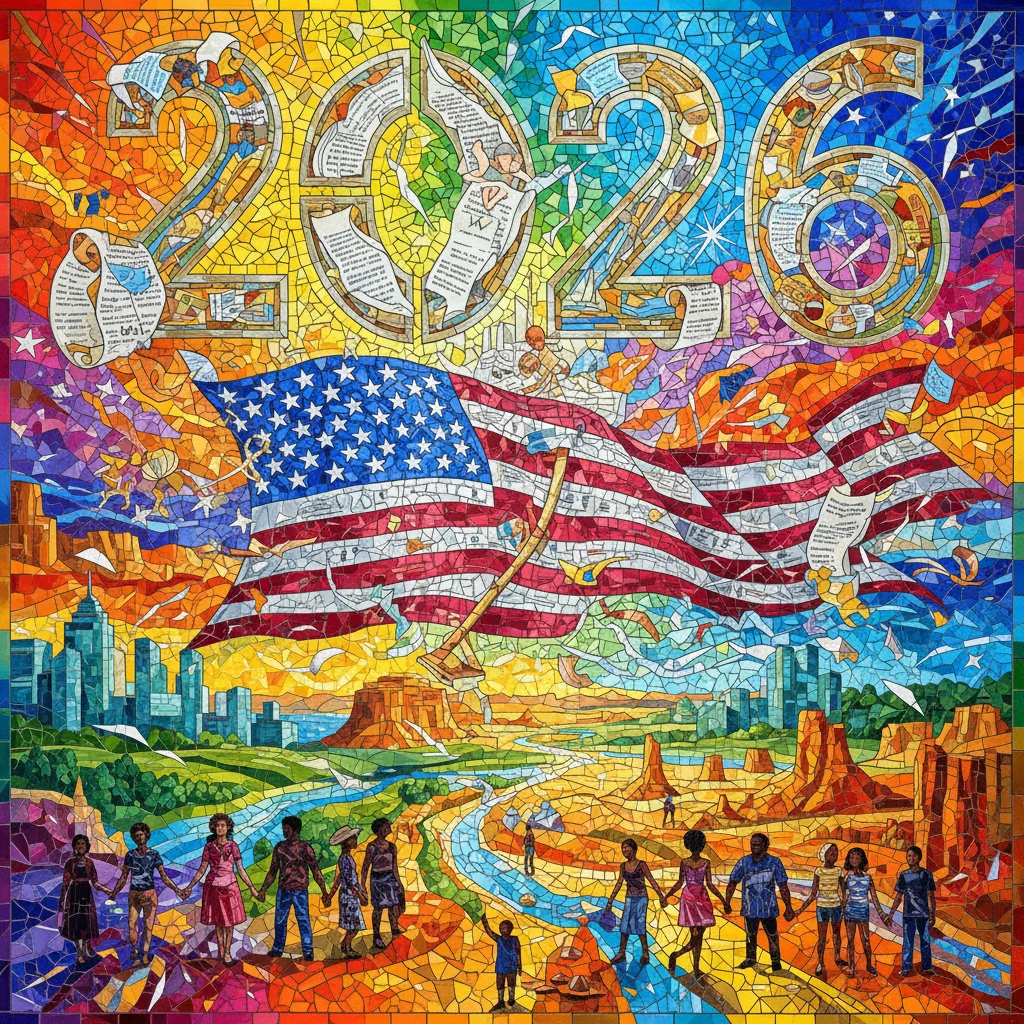
The year 2026 stands as a pivotal moment in the ongoing evolution of American society, not just for its symbolic significance as the nation approaches its 250th anniversary, but more crucially due to the profound impact of recent cultural policy updates. These comprehensive changes, enacted across various federal and state levels, are not merely administrative adjustments; they represent a deliberate and far-reaching effort to redefine, re-evaluate, and ultimately reshape the very fabric of American identity. Understanding the nuances of these changes is essential for anyone interested in the future trajectory of the United States, as they touch upon everything from arts funding and historical preservation to educational curricula and public discourse. The concept of American Cultural Policy has always been a dynamic one, reflecting the nation’s diverse population and ever-changing values. However, the 2026 updates introduce a new paradigm, one that seeks to foster a more inclusive, equitable, and forward-looking national narrative. This article delves deep into these transformative policies, exploring their origins, their immediate consequences, and their long-term implications for how Americans perceive themselves and their place in the world.
The Genesis of the 2026 Cultural Policy Reforms
The journey towards the 2026 cultural policy reforms was neither sudden nor serendipitous. It was the culmination of years of intense debate, academic research, public advocacy, and a growing recognition within governmental circles of the need for a more coherent and responsive cultural framework. The preceding decades had seen a gradual but noticeable shift in demographic patterns, an increased awareness of historical injustices, and a burgeoning demand for cultural representation that accurately reflects the nation’s diversity. These societal pressures created fertile ground for policy innovation. Early discussions often centered on fragmented approaches to cultural funding and a perceived disconnect between official cultural narratives and the lived experiences of many Americans. Think tanks, non-profit organizations, and academic institutions played a crucial role in laying the groundwork, proposing new models for cultural investment and engagement. Reports highlighting the economic benefits of a thriving cultural sector, coupled with arguments for the intrinsic value of arts and humanities in fostering civic engagement and critical thinking, gained traction. The calls for reform were amplified by artists, educators, and community leaders who advocated for policies that would democratize access to cultural resources and empower marginalized voices. This collective momentum eventually led to the formation of cross-sector committees tasked with drafting a new vision for American Cultural Policy. The legislative process, while challenging, ultimately succeeded in synthesizing these diverse perspectives into a comprehensive package of reforms, designed to be both responsive to contemporary needs and resilient for future generations. The 2026 reforms are, therefore, a testament to a concerted national effort to address fundamental questions about identity, belonging, and shared values in a complex and rapidly changing world.
Key Pillars of the New Cultural Policy Framework
The 2026 cultural policy updates are built upon several foundational pillars, each designed to address specific areas of cultural development and national identity. These pillars reflect a holistic approach, recognizing that culture is not a siloed entity but an interconnected web of expressions, histories, and shared experiences. One of the most significant changes is the re-evaluation of funding mechanisms for the arts and humanities. The new policies advocate for a more equitable distribution of resources, with a particular focus on supporting grassroots initiatives, emerging artists, and cultural organizations in underserved communities. This shift aims to democratize access to funding, moving away from a historically centralized model to one that empowers local cultural ecosystems. Additionally, there’s a strong emphasis on digital accessibility and innovation, recognizing the transformative power of technology in disseminating cultural content and fostering global dialogue. Funds are now allocated for digital archiving projects, virtual reality cultural experiences, and online educational platforms, ensuring that American culture is accessible to a wider audience, both domestically and internationally. Another critical pillar involves the re-examination and re-interpretation of historical narratives. The new policies encourage a more nuanced and inclusive approach to history education and public commemoration, acknowledging the multifaceted contributions of all groups to the American story. This includes support for projects that highlight previously marginalized voices, untold stories, and diverse perspectives on historical events. The goal is to foster a more complete and honest understanding of the nation’s past, which is deemed essential for building a more unified and resilient future. Furthermore, the policies introduce new frameworks for international cultural exchange, promoting a more reciprocal and collaborative approach to global cultural diplomacy. This involves supporting artists and cultural practitioners in sharing American culture abroad, while also fostering greater engagement with international cultural expressions within the United States. These key pillars collectively form a robust framework designed to strengthen American Cultural Policy, making it more responsive, inclusive, and forward-looking.
Impact on Arts Funding and Creative Industries
The immediate and visible impact of the 2026 cultural policy updates is most keenly felt within the arts and creative industries. The restructured funding models represent a significant departure from previous allocations, signaling a new era of investment in cultural production. Historically, arts funding has often been concentrated in major metropolitan areas and established institutions. The new policies actively seek to decentralize this, directing a larger proportion of grants and endowments towards regional arts councils, community-based organizations, and individual artists operating outside traditional cultural hubs. This strategic reallocation aims to foster a more geographically equitable cultural landscape, stimulating creative economies in areas that have historically been overlooked. For emerging artists and smaller cultural groups, this means increased opportunities for funding, training, and exposure, potentially leading to a more diverse and vibrant artistic output across the nation. The emphasis on digital innovation also has profound implications for the creative industries. New grants are available for artists and organizations experimenting with digital platforms, virtual reality, augmented reality, and other immersive technologies. This not only opens up new avenues for artistic expression but also creates new economic opportunities, fostering a tech-savvy creative workforce. Furthermore, the policies include provisions for intellectual property protection and fair compensation for artists in the digital age, addressing long-standing concerns within the creative community. The ripple effect extends to related industries such as tourism, hospitality, and local businesses, which often benefit from a thriving arts scene. By investing in a broader spectrum of creative endeavors, the 2026 cultural policy updates are designed to stimulate economic growth, create jobs, and enhance the overall quality of life in communities nationwide. The shift in American Cultural Policy towards a more inclusive and technologically integrated approach is transforming the very ecosystem of the creative industries, promising a more dynamic and accessible future for all.
Reshaping Historical Narratives and Memory
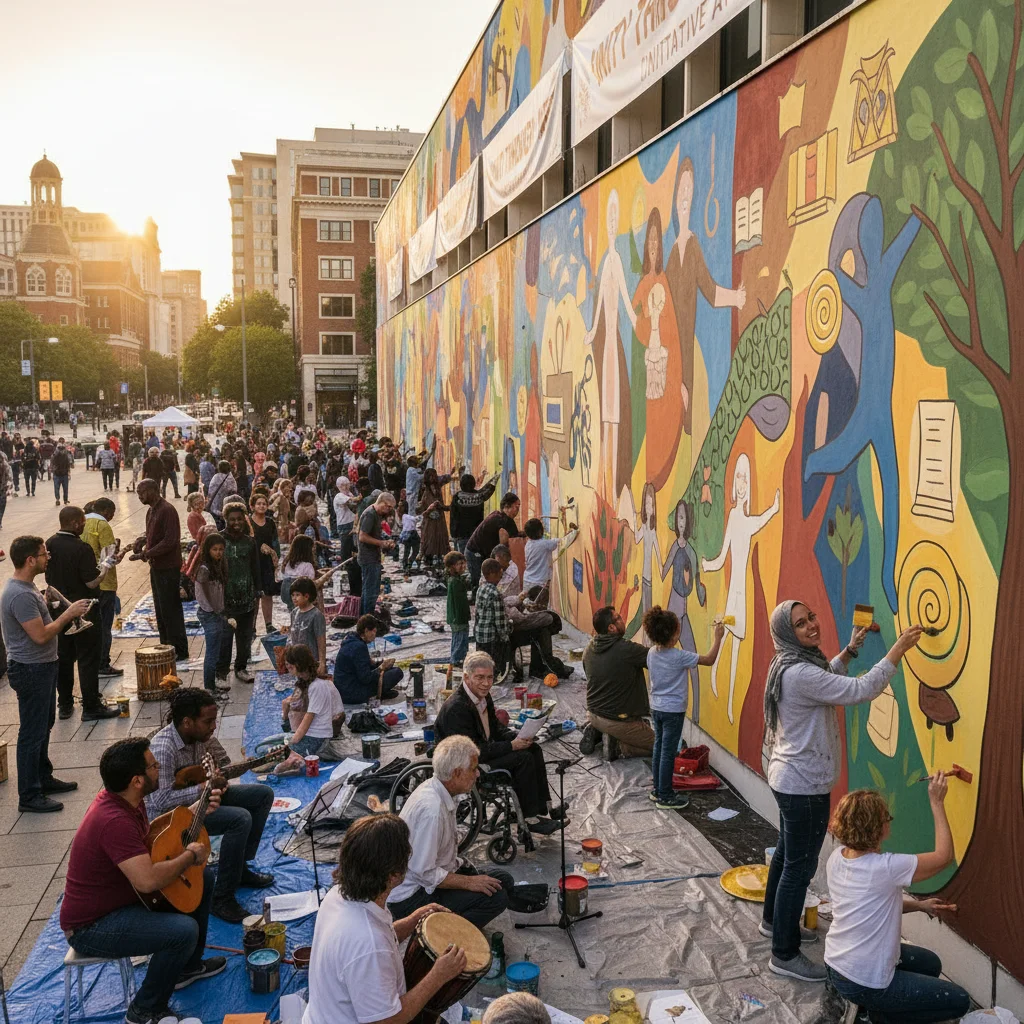
Perhaps one of the most transformative aspects of the 2026 cultural policy updates lies in their deliberate effort to reshape historical narratives and public memory. For generations, the dominant historical discourse in the United States has often focused on a singular, sometimes sanitized, version of events, frequently overlooking the experiences and contributions of minority groups. The new policies directly address this imbalance by promoting initiatives that encourage a more comprehensive, critical, and inclusive understanding of American history. This involves significant investment in historical research projects that delve into previously neglected archives and oral histories, bringing to light the stories of Indigenous peoples, African Americans, Asian Americans, Latino communities, and other marginalized groups. Funding is also being directed towards museums, historical societies, and educational institutions to update their exhibits, curricula, and public programs to reflect these more nuanced perspectives. The goal is not to erase existing narratives but to enrich them, creating a tapestry of American history that is more accurate, complex, and representative of all its people. Furthermore, the policies encourage community-led initiatives for historical commemoration, empowering local groups to interpret their own histories and erect monuments or memorials that reflect their unique heritage. This bottom-up approach to memory-making fosters a sense of ownership and belonging, ensuring that diverse voices contribute to the national memory. Debates surrounding historical monuments and their contested meanings have been prevalent in recent years; the 2026 policies seek to provide frameworks for these discussions, promoting dialogue and reconciliation rather than division. By fostering a more inclusive historical consciousness, the new American Cultural Policy aims to strengthen national unity by acknowledging and celebrating the full spectrum of American experiences, leading to a more resilient and empathetic society. This profound shift in how the nation remembers its past is expected to have long-lasting effects on intergenerational understanding and civic engagement.
The Role of Education and Public Engagement
Education and public engagement are central to the success and long-term impact of the 2026 cultural policy updates. Recognizing that cultural understanding begins in classrooms and extends into public spaces, the new framework places a strong emphasis on integrating cultural literacy into educational systems and fostering widespread public participation in cultural activities. At the educational level, the policies advocate for revised curricula that incorporate diverse cultural perspectives, indigenous knowledge systems, and a broader range of artistic traditions. This includes funding for teacher training programs that equip educators with the tools and resources to teach culturally responsive content. The aim is to cultivate a generation of citizens who are not only knowledgeable about their own cultural heritage but also deeply appreciative of the rich mosaic of global cultures. Beyond formal education, the policies promote extensive public engagement initiatives. This includes support for free or low-cost access to museums, theaters, and cultural events, ensuring that economic barriers do not prevent participation. Community cultural centers are receiving increased funding to serve as hubs for local artistic expression, workshops, and intergenerational learning. There’s also a significant push for digital platforms that offer accessible cultural content, from virtual museum tours to online artistic performances, making culture available to individuals regardless of their geographical location or physical limitations. The goal is to move beyond passive consumption of culture to active participation, encouraging citizens to engage with, interpret, and contribute to their cultural landscape. By fostering a more culturally literate and engaged populace, the 2026 American Cultural Policy seeks to build stronger communities, enhance civic discourse, and ultimately reinforce a more inclusive and dynamic national identity. These educational and engagement strategies are critical for embedding the spirit of the reforms into the everyday lives of Americans.
Challenges and Criticisms of the New Policies
While the 2026 cultural policy updates have been largely met with optimism and support, they are not without their challenges and criticisms. Any sweeping reform of this magnitude inevitably sparks debate and raises concerns from various stakeholders. One of the primary challenges lies in the implementation across a vast and diverse nation. Ensuring equitable distribution of funds and resources to all communities, particularly those in remote or historically underserved areas, requires robust administrative structures and ongoing monitoring. Critics argue that despite the stated intentions, existing power structures within the cultural sector might still favor established institutions, making it difficult for truly grassroots initiatives to gain traction. Another point of contention revolves around the re-interpretation of historical narratives. While many welcome a more inclusive approach, some voices express concern about potential revisionism or the perceived ‘erasure’ of traditional American stories. Navigating these sensitivities requires delicate balancing acts, ensuring that new narratives are introduced without alienating segments of the population who hold strong attachments to existing historical interpretations. The question of what constitutes ‘American identity’ itself remains a complex and often debated topic, and any policy attempting to shape it will face scrutiny from different ideological perspectives. Furthermore, the long-term sustainability of the new funding models is a recurring concern. Economic fluctuations and political shifts could potentially jeopardize the continued investment in cultural programs. Critics also point to the potential for bureaucratic inefficiencies and the challenge of measuring the qualitative impact of cultural policies. Defining success metrics for something as intangible as ‘identity’ or ‘cultural enrichment’ can be elusive. Addressing these challenges will require ongoing dialogue, adaptive strategies, and a willingness to refine the policies based on real-world outcomes. The success of the 2026 American Cultural Policy will ultimately depend on its ability to respond to these criticisms and adapt to the evolving needs and perspectives of the American people.
International Implications and Global Cultural Diplomacy
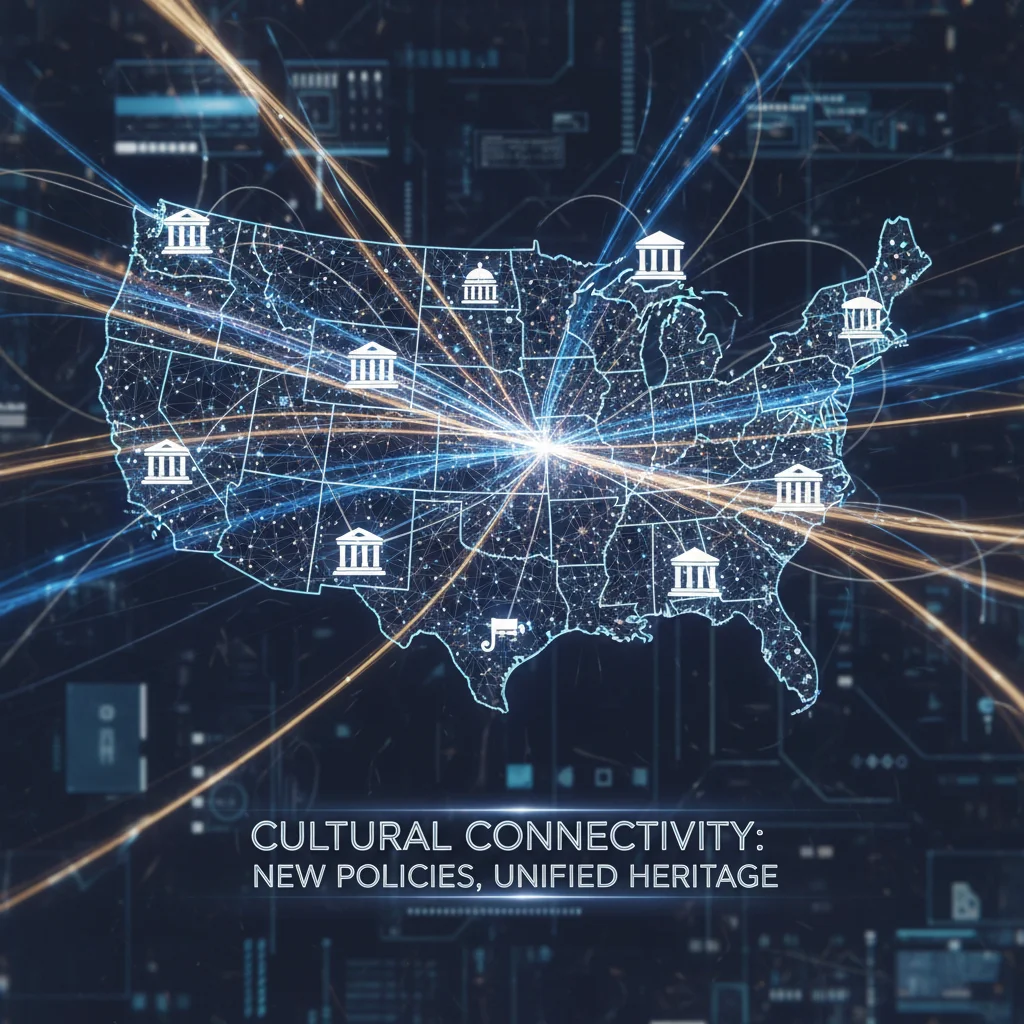
The 2026 cultural policy updates extend their reach beyond domestic borders, significantly influencing America’s role in global cultural diplomacy. By redefining and enriching its internal cultural identity, the United States is simultaneously recalibrating how it presents itself on the international stage. The new policies emphasize a more collaborative and reciprocal approach to international cultural exchange, moving away from a model that sometimes felt unidirectional. Instead of merely exporting American culture, there’s a concerted effort to foster genuine dialogue and mutual understanding through shared cultural experiences. This involves increased funding for programs that bring international artists and scholars to the United States, facilitating cross-cultural learning and collaboration. Conversely, American artists and cultural organizations are being encouraged and supported to engage in global partnerships, presenting a more diverse and nuanced representation of American identity abroad. This shift is particularly crucial in an increasingly interconnected world where cultural soft power plays a vital role in international relations. A more inclusive and honest portrayal of American history and contemporary culture can help to dispel stereotypes, build bridges, and foster stronger diplomatic ties. The policies also support initiatives that address global challenges through cultural lenses, such as promoting peacebuilding through art, fostering environmental awareness through cultural heritage preservation, and advocating for human rights through artistic expression. By leveraging its rich cultural diversity as a diplomatic asset, the United States aims to strengthen its global standing and contribute more effectively to global cultural understanding. The 2026 American Cultural Policy, therefore, is not just about internal transformation; it’s about projecting a more authentic, inclusive, and engaging image of America to the world, fostering a new era of global cultural diplomacy.
The Long-Term Vision for American Identity
Looking beyond the immediate implementation, the 2026 cultural policy updates articulate a clear long-term vision for American identity. This vision is one of a nation that embraces its multifaceted heritage, celebrates its diversity as a source of strength, and continually evolves while staying true to its core democratic values. The architects of these policies envision an American identity that is dynamic, inclusive, and resilient, capable of adapting to future challenges while honoring the past. This means fostering a society where every individual feels seen, heard, and valued within the national narrative. It is a vision where cultural institutions are not just repositories of history but vibrant, interactive spaces that reflect contemporary life and inspire future generations. The emphasis on education and public engagement is designed to cultivate a citizenry that is culturally literate, critically thinking, and actively participating in shaping their shared future. The policies implicitly suggest that a stronger, more cohesive national identity is built not on uniformity, but on the rich interplay of diverse perspectives and experiences. Furthermore, the long-term vision extends to America’s global role, positioning the nation as a leader in cultural understanding and international collaboration. By demonstrating an internal commitment to inclusivity and equity, the United States aims to enhance its credibility and influence on the world stage. The 2026 cultural policy updates are, in essence, an investment in the future of the nation – an investment in its people, its stories, and its capacity for self-renewal. While the path ahead will undoubtedly present new complexities, the foundation laid by these reforms suggests a deliberate and hopeful trajectory towards a more representative and robust American Cultural Policy, ultimately shaping a more unified and vibrant American identity for generations to come.
Conclusion: A New Era for American Culture
The 2026 cultural policy updates represent more than just a series of legislative changes; they signify the dawn of a new era for American culture and identity. From the strategic reallocation of arts funding to the deliberate reshaping of historical narratives, these policies are designed to foster a more inclusive, equitable, and dynamic national consciousness. They acknowledge the complexities of America’s past while laying the groundwork for a future where diversity is celebrated as an intrinsic strength. The emphasis on digital accessibility ensures that cultural resources are no longer confined to physical spaces but are available to a global audience, democratizing access and fostering new forms of engagement. Education and public participation are central to this transformation, cultivating a generation that is not only culturally aware but also actively involved in shaping their shared heritage. While challenges and criticisms are part and parcel of such extensive reforms, the overarching goal remains clear: to forge an American Cultural Policy that truly reflects the entirety of the nation’s rich tapestry. The international implications of these policies are equally significant, projecting a more authentic and collaborative image of America to the world, thereby strengthening global cultural diplomacy. Ultimately, the 2026 shift is about building a more resilient, empathetic, and unified American identity – one that honors all voices, embraces continuous evolution, and stands as a beacon of cultural richness in the 21st century. The journey has just begun, but the direction set by these policies promises a vibrant and transformative future for American culture.