Navigating American Social Fabric 2026: A 5-Step Guide to Practical Solutions

The United States has always been a dynamic nation, a melting pot of cultures, ideas, and aspirations. However, the pace of change in recent years has accelerated, leading to significant shifts in the American social fabric. As we look towards 2026, understanding these evolving dynamics and equipping ourselves with practical solutions to navigate them becomes not just beneficial, but essential. This comprehensive guide will explore the multifaceted nature of these changes and provide a clear, actionable 5-step framework to foster resilience, understanding, and positive societal development.
The concept of the American social fabric refers to the intricate web of relationships, values, norms, and institutions that bind individuals and communities together. It’s the unspoken agreements, the shared histories, the collective aspirations, and the diverse identities that collectively define what it means to be American. This fabric is constantly being rewoven, stretched, and sometimes frayed by a confluence of factors, including technological advancements, demographic shifts, economic pressures, and evolving cultural landscapes. Ignoring these shifts is not an option; instead, proactive engagement and thoughtful strategies are required to ensure a cohesive and thriving society for all.
Understanding the Evolving American Social Fabric: Key Trends for 2026
Before we delve into solutions, it’s crucial to grasp the primary forces shaping the American social fabric. By identifying these trends, we can better anticipate challenges and tailor our responses effectively.
1. The Digital Divide and Information Silos
The proliferation of digital technologies has revolutionized how we communicate, work, and interact. While offering unprecedented connectivity, it has also exacerbated the digital divide, creating disparities in access to information and opportunities. More critically, the rise of personalized algorithms and social media echo chambers has led to the formation of information silos. Individuals are increasingly exposed only to perspectives that align with their existing beliefs, leading to a fragmentation of shared realities and a decline in constructive dialogue across ideological lines. This trend significantly impacts the cohesion of the American social fabric, making it harder to find common ground and build consensus on critical issues.
2. Demographic Shifts and Generational Divides
The United States continues to experience significant demographic transformations. An increasingly diverse population, coupled with the aging of some segments and the rise of younger, more diverse generations, presents both opportunities and challenges. These shifts can lead to new cultural expressions and innovations, but also to intergenerational tensions and misunderstandings if not managed with empathy and intentional effort. Different generations often hold varying values, communication styles, and expectations, which can strain the existing American social fabric if not adequately addressed through inclusive policies and dialogue.
3. Economic Disparities and Inequality
Economic inequality remains a persistent challenge, with widening gaps between the wealthy and the rest of the population. This disparity manifests in access to education, healthcare, housing, and upward mobility, creating significant stress points within the American social fabric. When a substantial portion of the population feels economically marginalized, it can lead to social unrest, diminished trust in institutions, and a sense of disconnection from the broader societal narrative. Addressing these economic imbalances is fundamental to strengthening the bonds that hold society together.
4. Political Polarization and Trust Erosion
Political polarization has deepened, making compromise and bipartisan cooperation increasingly difficult. This is not just about policy differences but also about a growing animosity and distrust between opposing political factions. The erosion of trust extends beyond political institutions to media, science, and even interpersonal relationships. When trust is low, the ability of the American social fabric to withstand external shocks and internal disagreements is severely weakened. Rebuilding trust is paramount for a functioning democracy and a harmonious society.
5. Evolving Cultural Norms and Identity Politics
Cultural norms are constantly evolving, particularly concerning issues of identity, gender, race, and social justice. While these discussions are vital for progress and inclusivity, they can also lead to intense debates and clashes of values. The rise of identity politics, while empowering for many marginalized groups, can sometimes inadvertently create new divisions if not approached with a focus on shared humanity and universal rights. Navigating these cultural shifts requires sensitivity, open-mindedness, and a commitment to fostering an inclusive American social fabric that celebrates diversity while seeking unity.
These trends, while complex, are not insurmountable. They demand a proactive and thoughtful approach from individuals, communities, and institutions alike. The following 5-step guide offers practical solutions to help navigate these evolving dynamics and contribute to a more resilient and cohesive American social fabric.
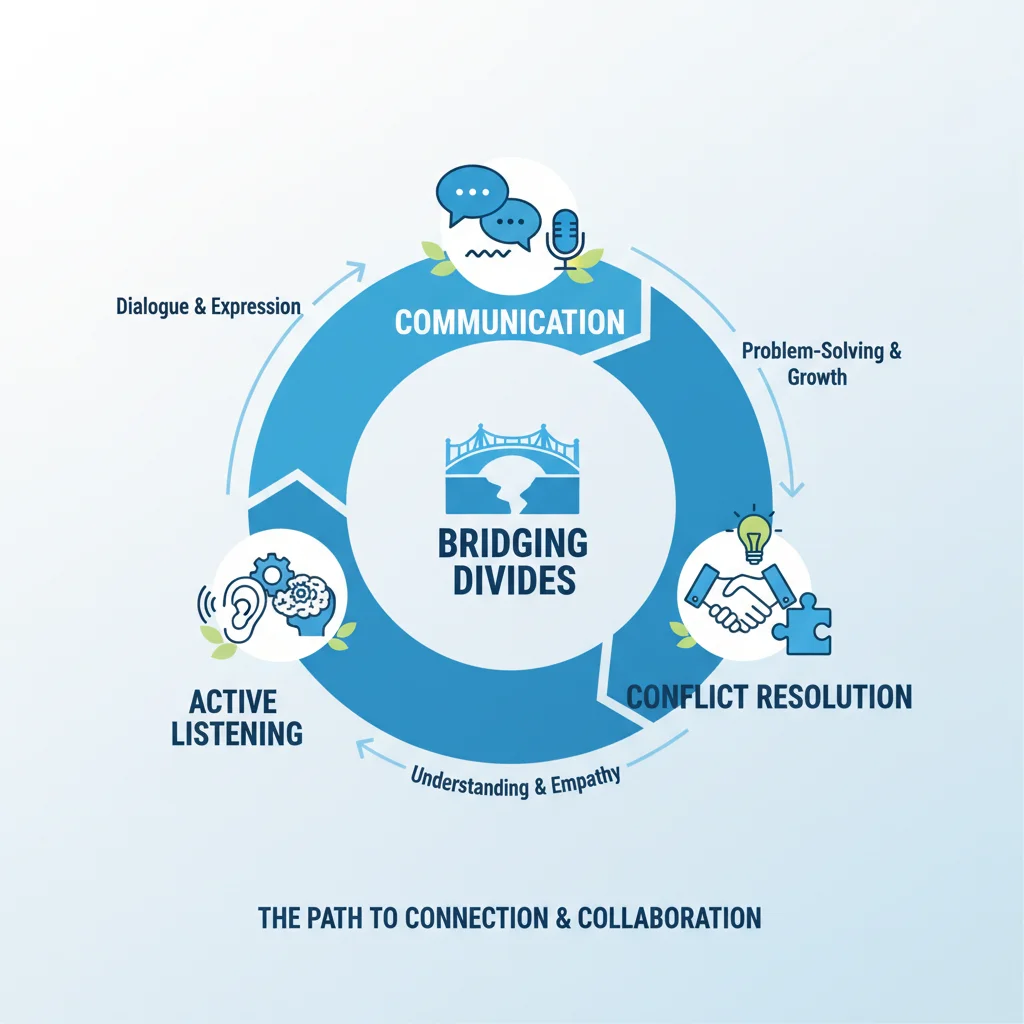
Step 1: Foster Authentic Dialogue and Active Listening
One of the most critical steps to mending and strengthening the American social fabric is to re-learn how to engage in authentic dialogue and practice active listening. In an age of soundbites and instant reactions, genuine conversation often takes a backseat. This step emphasizes creating spaces and developing skills for meaningful interaction.
Practical Solutions:
- Create "Third Places": Actively seek out or establish physical and virtual spaces where people from different backgrounds can gather informally and interact. These "third places" (like community centers, local cafes, parks, or online forums moderated for respectful discourse) are crucial for serendipitous encounters and the building of casual relationships that can bridge divides.
- Practice Empathetic Communication: Encourage and teach skills in empathetic communication. This involves not just hearing words but trying to understand the emotions, experiences, and perspectives behind them. Role-playing exercises, workshops, and guided discussions can help individuals develop this crucial skill. When people feel heard and understood, even if disagreements persist, the foundation for mutual respect is strengthened, bolstering the American social fabric.
- Engage in Structured Dialogue Programs: Participate in or organize programs designed for structured dialogue across differences. Initiatives like Braver Angels, Living Room Conversations, or local community forums provide frameworks for people with opposing viewpoints to engage respectfully, share personal stories, and identify areas of commonality. These programs explicitly aim to reduce polarization and enhance understanding.
- Support Local Journalism and Community Media: A robust local media landscape can provide a shared informational baseline and highlight community-specific issues that transcend national political divides. Supporting local newspapers, radio stations, and online news outlets helps foster a sense of shared community identity and can create common topics for discussion, reinforcing the local American social fabric.
Step 2: Invest in Community Building and Local Engagement
While national issues often dominate headlines, the strength of the American social fabric is fundamentally built from the ground up, within local communities. Investing in local engagement and fostering a strong sense of community belonging can act as a powerful antidote to broader societal fragmentation.
Practical Solutions:
- Volunteer Locally: Encourage and facilitate volunteering opportunities that bring diverse groups of people together for a common cause. Whether it’s cleaning up a park, helping at a food bank, or mentoring youth, shared action can build bonds and break down preconceived notions. These shared experiences are invaluable for knitting together the American social fabric at a grassroots level.
- Support Local Businesses and Initiatives: Patronizing local businesses and participating in local events strengthens the economic and social ties within a community. Farmers’ markets, local festivals, and neighborhood watch programs all contribute to a sense of shared ownership and collective well-being.
- Develop Community-Oriented Programs: Fund and promote programs that focus on intergenerational activities, cultural exchange, and skill-sharing. Examples include community gardens, adult education classes, neighborhood potlucks, or mentoring programs that connect seniors with youth. These initiatives create natural opportunities for interaction and relationship building, fortifying the American social fabric.
- Reinvigorate Civic Associations: Encourage participation in local civic associations, homeowners’ associations, and parent-teacher organizations. These groups, often overlooked, are vital for addressing local concerns and fostering collective problem-solving. Active participation ensures that the voices of diverse community members are heard and considered.
Step 3: Promote Media Literacy and Critical Thinking
In an information-saturated world, the ability to critically evaluate information and discern truth from misinformation is paramount. The erosion of trust in institutions is often fueled by the spread of false narratives. Strengthening media literacy is crucial for a healthy American social fabric.
Practical Solutions:
- Integrate Media Literacy into Education: Advocate for comprehensive media literacy education from an early age through adulthood. This includes teaching students how to identify biased sources, recognize logical fallacies, understand the role of algorithms, and critically analyze news and social media content. Equipping citizens with these skills empowers them to navigate complex information landscapes.
- Support Fact-Checking Initiatives: Promote and utilize independent fact-checking organizations. Understanding the work of these organizations and sharing their findings can help counteract the spread of misinformation and encourage a more evidence-based public discourse.
- Encourage Diverse Information Consumption: Challenge individuals to intentionally consume news and information from a variety of sources, including those with different perspectives. Breaking out of echo chambers is a conscious effort but essential for developing a more nuanced understanding of complex issues and strengthening the overall American social fabric.
- Host Workshops on Digital Citizenship: Organize community workshops focused on responsible digital citizenship, including topics like identifying deepfakes, understanding data privacy, and engaging respectfully online. These workshops can help individuals become more discerning consumers and producers of digital content.
Step 4: Cultivate Empathy and Understanding Across Differences
Empathy – the ability to understand and share the feelings of another – is the bedrock of a compassionate society. Cultivating empathy and understanding across different racial, ethnic, religious, political, and socio-economic lines is vital for a robust American social fabric.
Practical Solutions:
- Promote Cross-Cultural Exchange: Encourage and create opportunities for people to learn about and experience cultures different from their own. This could involve supporting cultural festivals, exchange programs, or even simply encouraging individuals to explore diverse neighborhoods and engage with their residents. Direct exposure helps break down stereotypes and builds bridges of understanding.
- Share Personal Narratives: Facilitate platforms for individuals to share their personal stories and experiences. When people hear narratives from those with different backgrounds, it humanizes "the other" and can foster a deeper sense of connection and shared humanity. Storytelling initiatives, whether in person or through digital platforms, are powerful tools for building empathy and strengthening the American social fabric.
- Support Diversity, Equity, and Inclusion (DEI) Efforts: Advocate for and participate in DEI initiatives in workplaces, schools, and community organizations. Effective DEI programs go beyond mere representation; they aim to create truly inclusive environments where all voices are valued and respected, leading to a more equitable and harmonious society.
- Engage in "Perspective-Taking" Exercises: Encourage activities that challenge individuals to imagine themselves in another person’s shoes. This could be through reading diverse literature, watching films from different cultural perspectives, or participating in simulations that highlight different life experiences.
Step 5: Advocate for Inclusive Policies and Equitable Systems
While individual actions are crucial, systemic change is often necessary to address deeply entrenched issues that impact the American social fabric. Advocating for policies and systems that promote equity, justice, and inclusion can create a more just and cohesive society for all.
Practical Solutions:
- Support Policies Addressing Economic Inequality: Advocate for policies that promote economic fairness, such as livable wages, affordable housing, equitable access to quality education, and robust social safety nets. Reducing economic disparities directly contributes to a more stable and harmonious American social fabric.
- Champion Fair Representation and Voting Rights: Support efforts to ensure fair electoral processes, protect voting rights, and promote diverse representation in all levels of government. When all citizens feel their voices are heard and their votes count, trust in democratic institutions is reinforced.
- Promote Restorative Justice Practices: Advocate for and implement restorative justice approaches in legal and educational systems. These practices focus on repairing harm and rebuilding relationships rather than solely on punishment, fostering healing and reconciliation within communities.
- Invest in Mental Health and Well-being: Recognize that mental health is a crucial component of individual and societal well-being. Advocate for increased access to affordable mental healthcare services and reduce the stigma associated with mental illness. A mentally healthy population is better equipped to engage constructively and contribute positively to the American social fabric.
- Foster Civic Education and Engagement: Reinvigorate civic education in schools and communities, teaching not just the mechanics of government, but also the principles of democratic citizenship, rights, and responsibilities. Encourage active participation in local governance and public discourse.
Conclusion: Weaving a Stronger American Social Fabric Together
The American social fabric is a living, breathing entity, constantly shaped by the actions and inactions of its members. The challenges we face as a society are significant, but they are not insurmountable. By embracing authentic dialogue, investing in local communities, promoting critical thinking, cultivating empathy, and advocating for inclusive policies, we can collectively weave a stronger, more resilient, and more equitable society for 2026 and beyond.
Each of us has a role to play in this ongoing process. It requires courage to engage with differing viewpoints, patience to build understanding, and a commitment to the shared values that underpin our nation. As we navigate the complexities of the evolving American social fabric, let us remember that our collective strength lies in our diversity, and our future depends on our ability to come together, listen to one another, and work towards a common good. The practical solutions outlined in this guide are not quick fixes, but rather a blueprint for sustained effort and intentional collaboration – efforts that will ultimately lead to a more harmonious and prosperous America for all.