Web3 & Digital Ownership: 5 IP Trends for US in 2026
The digital landscape is undergoing a profound transformation, driven by the emergence of Web3 technologies. This new iteration of the internet, built on decentralized networks, blockchain, and tokenization, is fundamentally reshaping our understanding of ownership, particularly in the realm of intellectual property (IP). For businesses, creators, and legal professionals in the United States, comprehending the impact of these shifts is not merely an academic exercise but an urgent necessity. As we look towards 2026, the convergence of Web3 digital ownership and US intellectual property law presents both unprecedented opportunities and complex challenges. This article delves into five critical emerging trends that will define this evolving landscape, offering a forward-thinking perspective on how to navigate the future of digital assets and their legal protections.
Web3 and Digital Ownership: 5 Emerging Trends for US Intellectual Property in 2026
The internet, as we know it, is evolving. From the static web pages of Web1 to the interactive social platforms of Web2, we are now entering the era of Web3 – a decentralized, blockchain-powered internet where users have greater control over their data and digital assets. This paradigm shift holds immense implications for intellectual property (IP), particularly concerning Web3 digital ownership in the United States. By 2026, these trends will not just be nascent ideas; they will be shaping legal frameworks, business models, and creative endeavors across various sectors. Understanding these shifts is crucial for anyone looking to protect their digital creations and investments in the coming years.
The concept of ownership in the digital realm has always been somewhat nebulous. Unlike physical assets, digital files can be copied infinitely, leading to complex questions about authenticity, scarcity, and rights. Web3 technologies, through mechanisms like non-fungible tokens (NFTs) and decentralized autonomous organizations (DAOs), offer novel solutions to these long-standing challenges. However, these solutions also introduce new legal complexities that require careful consideration and adaptation by the US intellectual property system. The lines between physical and digital ownership are blurring, and with that, the traditional approaches to copyright, trademark, and patent law are being tested.
This article aims to provide a comprehensive overview of the five most significant trends impacting Web3 digital ownership and US intellectual property by 2026. We will explore how these trends are redefining asset ownership, challenging existing legal precedents, and creating new avenues for value creation and protection. From the burgeoning market of NFTs to the rise of decentralized finance (DeFi) and the immersive experiences of the metaverse, each trend brings its own set of opportunities and regulatory hurdles. Prepare to navigate a future where your digital footprint is not just data, but a portfolio of valuable, tokenized assets.
1. The Proliferation and Legal Maturation of NFTs as Unique Digital Assets
Non-fungible tokens (NFTs) exploded onto the scene in the early 2020s, transforming how we perceive and transact digital art, collectibles, and even real estate. By 2026, their presence will be even more pervasive, and their legal standing will have undergone significant maturation within the US intellectual property framework. NFTs, by their very nature, represent a unique form of Web3 digital ownership. Each NFT is a unique, verifiable record on a blockchain, proving ownership of a specific digital (or sometimes physical) asset.
While the initial hype around NFTs often focused on speculative art sales, their true potential lies in their ability to confer verifiable ownership and manage rights for a vast array of digital content. This includes music, videos, software licenses, gaming assets, and even digital identities. For creators, NFTs offer a new revenue stream and a direct connection with their audience, bypassing traditional intermediaries. They can embed royalty clauses into smart contracts, ensuring they receive a percentage of future sales – a revolutionary concept for artists who traditionally lose control of their work after the initial sale.
However, the legal landscape surrounding NFTs is still in its nascent stages. Key questions persist: What exactly does an NFT confer ownership of? Is it the underlying digital asset itself, or merely a tokenized representation of a license to that asset? How do existing copyright and trademark laws apply to NFTs, especially when the creator of the NFT is not the original copyright holder of the underlying content? The US Patent and Trademark Office (USPTO) and the US Copyright Office are actively grappling with these issues, and by 2026, we can expect clearer guidelines and possibly new legislation.
We anticipate a rise in litigation related to NFT authenticity, intellectual property infringement, and contractual disputes. This will force courts to define the boundaries of Web3 digital ownership in a way that respects both traditional IP principles and the unique characteristics of blockchain technology. Furthermore, the concept of fractionalized NFTs, where ownership of a single high-value digital asset is split among multiple holders, will introduce additional complexities regarding governance and shared rights. Businesses will need robust legal strategies to navigate these waters, ensuring their NFT projects are legally sound and their IP is protected.
2. Decentralized Autonomous Organizations (DAOs) and Collective IP Management
Decentralized Autonomous Organizations (DAOs) represent a revolutionary approach to governance and collaboration, operating on blockchain technology without a central authority. By 2026, DAOs are set to play a pivotal role in shaping Web3 digital ownership, particularly concerning the collective management and creation of intellectual property. Imagine a group of artists, developers, or researchers pooling resources and expertise within a DAO to create new works, where ownership and profits are distributed algorithmically based on contributions and agreed-upon rules encoded in smart contracts.
This model challenges traditional corporate structures and IP ownership models. In a DAO, members collectively own and govern the IP generated. Decisions regarding licensing, monetization, and enforcement of IP rights are made through token-based voting, offering a transparent and democratic approach. This has profound implications for open-source projects, collaborative content creation, and even scientific research, where collective ownership can foster innovation and equitable distribution of benefits.
However, the legal recognition and liability of DAOs in the US are still evolving. States like Wyoming have begun to offer legal frameworks for DAOs as limited liability companies (LLCs), providing a pathway for them to operate within existing legal structures. By 2026, more states are expected to follow suit, offering clearer legal definitions and operational guidelines for DAOs. This will be crucial for establishing how DAOs can hold, manage, and defend intellectual property rights in a legally enforceable manner.
The challenge lies in attributing liability and responsibility within a decentralized structure. If a DAO infringes on existing IP, who is held accountable? How are disputes resolved when there’s no central entity to sue? These questions will drive significant legal debate and innovation. Furthermore, the creation of new IP within DAOs will necessitate clear internal agreements on ownership, usage rights, and revenue sharing among members. The trend towards collective Web3 digital ownership through DAOs demands a re-evaluation of how IP is created, owned, and governed.
3. The Metaverse: New Frontiers for Virtual IP and Brand Protection
The metaverse, a persistent, interconnected set of virtual spaces, is rapidly becoming a significant frontier for Web3 digital ownership and intellectual property. As virtual worlds become more immersive and economically significant, the creation, ownership, and protection of IP within these digital environments will become paramount by 2026. Brands are already investing heavily in establishing a presence in the metaverse, creating virtual goods, experiences, and even entire digital storefronts.
This presents a new dimension for trademark law. How do brands protect their trademarks from infringement in a virtual world where user-generated content is abundant? Can a virtual product copy a real-world design without infringing on copyright? The concept of ‘virtual goods’ – digital items that exist only within the metaverse – gives rise to unique IP challenges. These goods, ranging from avatar clothing to virtual real estate, have real economic value and are increasingly being bought, sold, and traded using cryptocurrencies and NFTs.
The metaverse also amplifies issues related to copyright and creative works. Users can create and share their own content, from digital art to interactive experiences. Determining ownership and preventing unauthorized use of copyrighted material within these dynamic environments will require sophisticated digital rights management (DRM) solutions, potentially leveraging blockchain technology. Furthermore, the deep integration of AI-generated content within the metaverse will add another layer of complexity to IP ownership, raising questions about who owns the IP generated by algorithms.
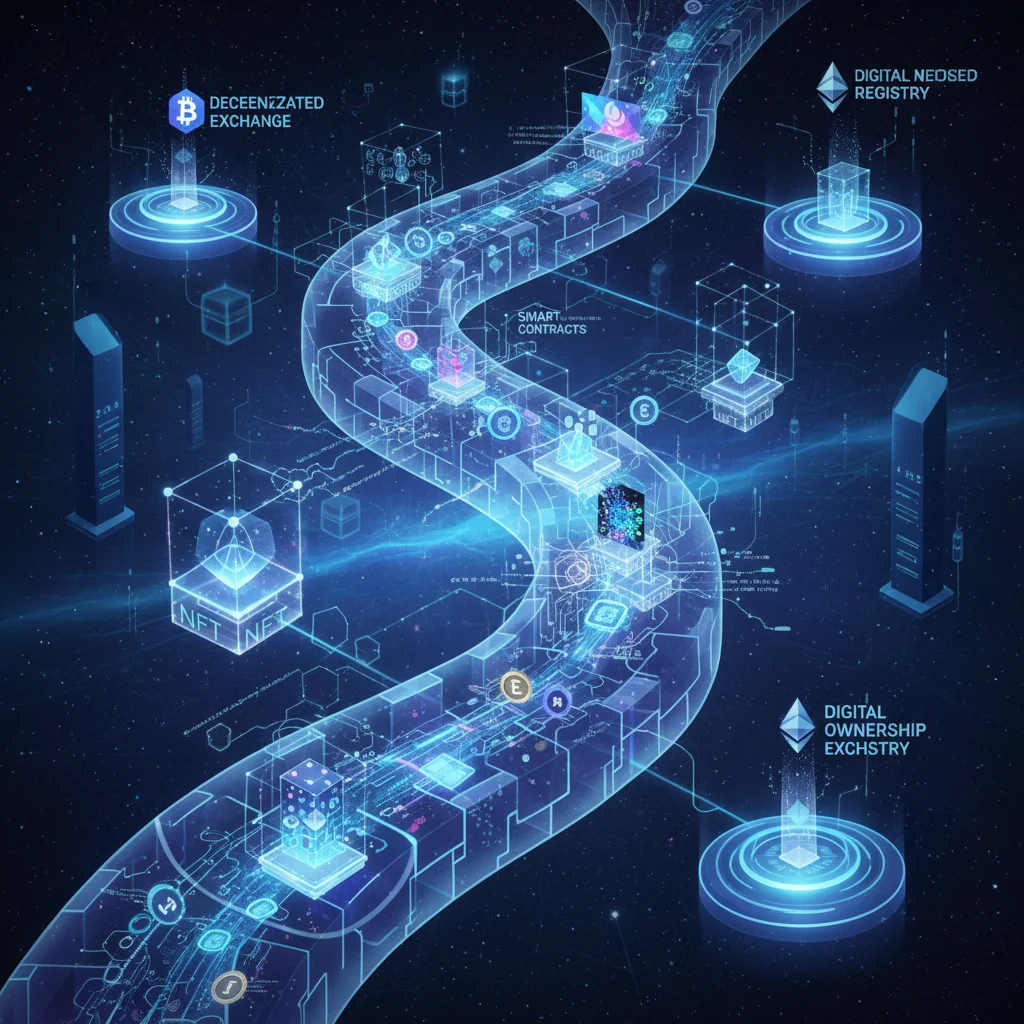
By 2026, we expect to see established brands aggressively pursuing IP protection for their virtual assets and identities within the metaverse. This will involve registering virtual trademarks, filing patents for metaverse-specific technologies, and engaging in litigation against virtual counterfeiters. The legal system will need to adapt to define the scope of IP rights in these nascent virtual economies, ensuring fair play and fostering innovation. The metaverse is not just a game; it’s a new economy with its own unique set of Web3 digital ownership and IP challenges.
4. Decentralized Finance (DeFi) and Tokenized IP as Collateral
Decentralized Finance (DeFi) platforms, built on blockchain technology, are revolutionizing traditional financial services by offering peer-to-peer lending, borrowing, and trading without intermediaries. By 2026, a significant trend will be the increasing use of tokenized intellectual property as collateral within DeFi protocols, profoundly impacting Web3 digital ownership and its financial implications.
Imagine a musician tokenizing the future royalties of their songs as an NFT, and then using that NFT as collateral to secure a loan on a DeFi platform. Or a pharmaceutical company tokenizing a patent as an asset, which can then be used to raise capital or participate in liquidity pools. This concept transforms intangible assets, which are traditionally difficult to value and collateralize, into liquid and verifiable digital assets. This unlocks immense capital for creators and innovators who might otherwise struggle to access traditional financing based on their IP.
The legal and regulatory challenges here are substantial. Valuing IP for collateral purposes is inherently complex, and doing so in a volatile crypto market adds another layer of risk. Furthermore, what happens if a loan defaults? How does a DeFi protocol legally seize and liquidate a tokenized patent or copyright? The legal enforceability of smart contracts that govern these collateralized assets will be rigorously tested. US financial regulators, such as the SEC and CFTC, will undoubtedly increase their scrutiny of these activities, seeking to define securities laws and consumer protection in this new frontier of finance.
By 2026, we can anticipate the development of specialized legal frameworks and standardized valuation methodologies for tokenized IP. This will involve collaboration between legal experts, financial institutions, and blockchain developers to create robust and compliant systems. The ability to leverage IP as liquid collateral will empower creators and businesses, fostering innovation and accelerating the growth of the creator economy. However, it will also demand a sophisticated understanding of both intellectual property law and the intricacies of decentralized finance to mitigate risks and ensure legal compliance in the realm of Web3 digital ownership.
5. Evolving Regulatory Frameworks and International Harmonization of Web3 IP Law
The rapid pace of Web3 innovation has consistently outstripped the ability of existing legal and regulatory frameworks to keep up. By 2026, a major trend will be the accelerated evolution of US regulatory frameworks specifically designed to address Web3 digital ownership and intellectual property. This will not only involve domestic legislation but also increasing efforts towards international harmonization to create a more consistent global legal environment for blockchain-based assets.
Currently, the application of existing IP laws (copyright, trademark, patent) to Web3 assets is often a square-peg-in-a-round-hole scenario. Regulators are grappling with questions such as: Are NFTs securities? How do you enforce copyright infringement across borders when the infringing asset is a globally accessible token? What jurisdiction applies when a digital asset is created in one country, owned by someone in another, and used in a third?
We can expect to see more specific guidance from government bodies like the USPTO, the US Copyright Office, and potentially new agencies or task forces dedicated to digital assets. This guidance will likely address key areas such as the legal nature of NFTs, the liabilities of DAO participants, and the IP implications of metaverse activities. Legislation may emerge to create new categories of digital property rights or to explicitly adapt existing laws to the unique characteristics of blockchain technology.
Furthermore, the inherently global nature of Web3 means that domestic regulations alone will not suffice. By 2026, there will be a growing imperative for international cooperation and harmonization of Web3 IP laws. This could involve treaties, bilateral agreements, or the development of international best practices to address issues like cross-border IP enforcement, digital asset recovery, and consistent definitions of Web3 digital ownership. Companies operating in the Web3 space will need to monitor not only US regulations but also global developments to ensure compliance and effective IP protection. The legal landscape of Web3 is a moving target, and staying informed will be key to success.
Navigating the Future of Web3 Digital Ownership and US IP
The convergence of Web3 technologies and intellectual property in the US by 2026 promises a dynamic and transformative era. The five trends discussed – the maturation of NFTs, the rise of DAOs, the expansion of the metaverse, the financialization of IP through DeFi, and the evolution of regulatory frameworks – are not isolated phenomena. They are interconnected forces that collectively redefine the very fabric of Web3 digital ownership.
For creators, this future offers unprecedented opportunities to monetize their work, establish direct relationships with their audience, and retain greater control over their intellectual property. NFTs provide verifiable scarcity and new revenue models, while DAOs enable collective creation and shared ownership. However, these opportunities come with the responsibility of understanding the underlying legal complexities and ensuring their creative endeavors are built on a solid legal foundation.
For businesses, the implications are equally profound. Brands must adapt their IP strategies to protect their assets in virtual worlds and blockchain-based ecosystems. This includes registering virtual trademarks, exploring patenting new Web3 technologies, and actively combating digital counterfeiting. The ability to leverage tokenized IP as collateral in DeFi also opens new avenues for capital formation and financial innovation, but requires careful risk assessment and legal compliance.
Legal professionals, meanwhile, face the challenge and excitement of shaping this new legal frontier. They will be instrumental in advising clients on complex IP rights in decentralized environments, navigating evolving regulatory landscapes, and litigating novel disputes that arise from Web3 digital ownership. The need for legal expertise that bridges traditional IP law with blockchain technology will be in high demand.
The path forward requires proactive engagement, continuous learning, and a willingness to adapt. Stakeholders across all sectors must collaborate to develop robust legal frameworks that foster innovation while protecting rights. The future of Web3 digital ownership in the US is not just about technology; it’s about establishing a fair, secure, and prosperous digital economy where intellectual property can thrive. By understanding and anticipating these trends, individuals and organizations can position themselves to not only survive but excel in the rapidly approaching Web3 era.
As we move closer to 2026, the foundational concepts of ownership, creation, and value are being rewritten. The decentralized nature of Web3 empowers individuals and communities, but also demands a new level of legal literacy and strategic foresight. Embracing these changes, rather than resisting them, will be the key to unlocking the full potential of Web3 digital ownership and ensuring a robust and equitable intellectual property landscape for the United States.
The journey into Web3 is just beginning, and its impact on intellectual property will be one of the most defining legal and economic narratives of the decade. Prepare to innovate, adapt, and secure your place in this exciting new digital frontier.