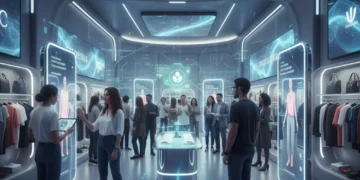
Metaverse Economy: US Brands Boost Revenue 15% by 2026 with Virtual Experiences
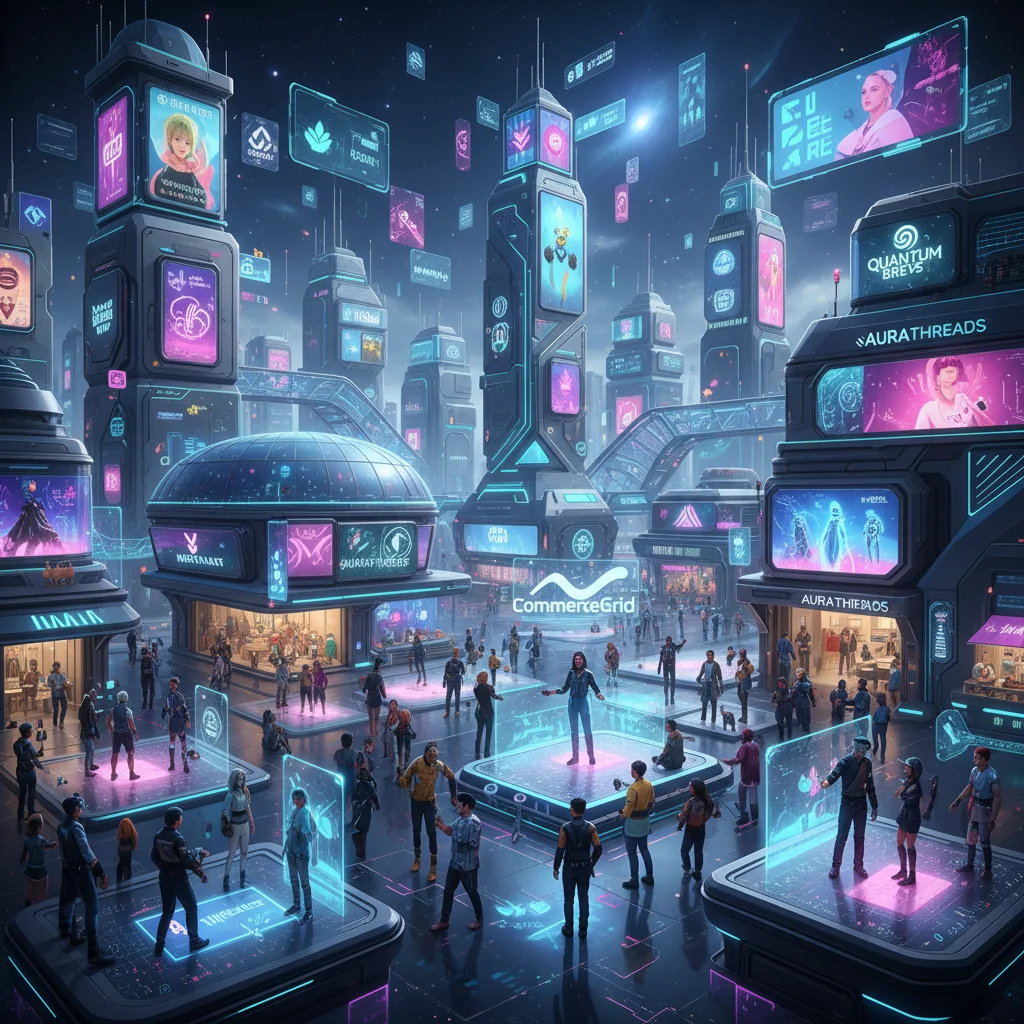
The digital landscape is undergoing a monumental shift, and at its epicenter lies the burgeoning metaverse. For US brands, this isn’t just a futuristic concept; it’s a tangible economic frontier promising unprecedented growth. Industry projections indicate that US brands are poised to generate an additional 15% in revenue by 2026, primarily driven by their strategic embrace of virtual experiences within the metaverse economy brands are now actively shaping. This isn’t merely about creating digital twins of physical products; it’s about pioneering entirely new forms of interaction, commerce, and brand loyalty.
The metaverse, a persistent, interconnected network of 3D virtual worlds, offers a rich tapestry for brands to weave their narratives, engage consumers in novel ways, and unlock significant economic value. From virtual storefronts and immersive product launches to digital collectibles and branded entertainment, the opportunities are vast and rapidly evolving. This comprehensive exploration delves into how US brands are navigating this new paradigm, the strategies they are employing, the challenges they face, and the immense potential that lies ahead in the metaverse economy brands are increasingly investing in.
Understanding the Metaverse Economy: A New Frontier for Brands
Before diving into specific brand strategies, it’s crucial to grasp the fundamental nature of the metaverse economy brands are exploring. Unlike traditional e-commerce, which primarily facilitates transactions, the metaverse fosters immersive experiences. It’s a place where users can work, play, socialize, and shop in a persistent digital environment. This persistence, combined with interoperability (the ability to move assets and identities across different virtual worlds), is what truly distinguishes the metaverse and creates its unique economic potential.
The metaverse economy is multifaceted, encompassing:
- Digital Goods and Services: From virtual clothing and accessories for avatars to NFTs (Non-Fungible Tokens) representing ownership of digital art, land, or experiences.
- Virtual Real Estate: Brands are acquiring and developing virtual land to build their presence, host events, and create unique consumer destinations.
- Experience Monetization: Charging for access to exclusive virtual events, concerts, games, or personalized brand interactions.
- Advertising and Sponsorship: New forms of advertising within virtual worlds, from dynamic billboards to sponsored quests and branded content.
- Creator Economy: Empowering users and independent creators to design and sell their own digital assets and experiences, often with brands facilitating or collaborating.
This ecosystem is powered by technologies like blockchain for secure ownership and transactions, artificial intelligence for dynamic interactions, and advanced graphics for immersive visuals. For US brands, understanding these foundational elements is the first step towards effectively capitalizing on the opportunities within the metaverse economy brands are eager to dominate.
Why US Brands are Investing in Virtual Experiences
The projected 15% revenue increase by 2026 isn’t a speculative fantasy; it’s a calculated outcome based on several compelling drivers pushing US brands into the metaverse. These drivers extend beyond mere technological novelty, touching upon core business objectives:
Enhanced Customer Engagement and Loyalty
Traditional marketing often struggles to capture and sustain attention. Virtual experiences offer an unparalleled level of immersion and interactivity. Brands can create virtual environments where consumers don’t just view products but actively interact with them, personalize them, and even co-create them. This deep engagement fosters stronger emotional connections and significantly boosts brand loyalty. Imagine a luxury fashion brand hosting a virtual runway show where attendees can instantly ‘try on’ digital versions of new collections, or an automotive brand offering virtual test drives of upcoming models in a hyper-realistic digital landscape. These are the kinds of experiences that build lasting relationships and differentiate brands in a crowded market.
New Revenue Streams and Monetization Models
The metaverse unlocks entirely new ways to generate revenue. Beyond traditional product sales, brands can monetize digital assets (NFTs), create subscription-based access to exclusive virtual content, or charge for premium virtual experiences. For instance, Nike has successfully launched digital sneakers as NFTs, selling millions of dollars worth of virtual footwear. Gucci has created virtual spaces and digital fashion items within platforms like Roblox, generating significant revenue from a younger, digitally native audience. These new revenue streams complement existing business models and provide a buffer against market fluctuations in the physical world. The expansion into the metaverse economy brands are undergoing is about diversification and future-proofing.
Global Reach and Accessibility
The metaverse transcends geographical boundaries. A brand can launch a product in a virtual world and instantly make it accessible to a global audience, regardless of their physical location. This dramatically expands market reach and reduces the logistical complexities and costs associated with international expansion in the physical world. A virtual store can be open 24/7, accessible from anywhere with an internet connection, allowing brands to cater to diverse time zones and demographics with unprecedented ease. This global accessibility is a key factor in the projected revenue growth for metaverse economy brands.
Data Collection and Insights
Interactions within the metaverse generate a wealth of data on consumer behavior, preferences, and engagement patterns. Brands can leverage this data to gain deeper insights into their target audience, inform product development, personalize marketing efforts, and optimize virtual experiences. Understanding how users navigate a virtual store, what digital items they interact with most, or how long they spend in a branded experience provides invaluable intelligence that is often harder to obtain in traditional retail environments. This data-driven approach allows metaverse economy brands to refine their strategies continuously.
Innovation and Brand Differentiation
Early adopters of metaverse strategies gain a significant competitive advantage. By experimenting with new technologies and crafting innovative virtual experiences, brands can position themselves as forward-thinking leaders, attracting tech-savvy consumers and differentiating themselves from competitors. This innovative edge is crucial for maintaining relevance in a rapidly evolving digital landscape. The ability to push the boundaries of creativity and technology within the metaverse economy brands embrace is a powerful tool for brand building.
Key Strategies for US Brands in the Metaverse
Achieving a 15% revenue boost requires a well-defined strategy. US brands are employing a variety of tactics to maximize their impact within the metaverse:
1. Building Immersive Brand Environments
Instead of just creating a digital ad, brands are building entire virtual worlds or dedicated spaces within existing metaverse platforms (like Decentraland, The Sandbox, Roblox, or Fortnite). These spaces serve as interactive showrooms, event venues, or social hubs where users can explore, play, and connect with the brand. For example, Hyundai created a ‘Mobility Adventure’ on Roblox, allowing users to experience its vehicles and future mobility solutions in a gamified environment. These immersive environments go beyond simple marketing; they become destinations that foster a sense of community and belonging around the brand. Investing in these digital spaces is fundamental for metaverse economy brands.
2. Developing Digital Collectibles and NFTs
NFTs have emerged as a powerful tool for brand engagement and monetization. Brands are creating unique digital collectibles, limited-edition virtual items, and even membership tokens that grant access to exclusive experiences or content. These NFTs not only generate direct revenue but also create a sense of ownership and exclusivity for consumers, fostering a deeper connection with the brand. Luxury brands like Louis Vuitton and Tiffany & Co. have successfully launched NFT collections, leveraging the scarcity and verifiable ownership inherent in blockchain technology. This strategy is proving highly effective for metaverse economy brands looking to tap into new consumer desires.

3. Hosting Virtual Events and Experiences
From virtual concerts and fashion shows to product launches and interactive games, brands are leveraging the metaverse to host events that are global, inclusive, and highly engaging. These events can attract massive audiences, generate significant buzz, and provide unique opportunities for direct consumer interaction. Travis Scott’s concert in Fortnite, for instance, drew over 12 million concurrent viewers, demonstrating the immense potential of virtual entertainment. Brands are also using the metaverse for internal events, training, and collaborative workspaces, proving the versatility of this platform for metaverse economy brands.
4. Collaborating with Metaverse Platforms and Creators
Rather than building everything from scratch, many brands are partnering with established metaverse platforms and experienced creators. This allows them to tap into existing user bases, leverage proven technologies, and benefit from the expertise of those already deeply embedded in the virtual world ecosystem. Collaborations with popular metaverse influencers or digital artists can also amplify a brand’s reach and authenticity within these digital communities. Strategic partnerships are key for metaverse economy brands seeking rapid entry and impact.
5. Integrating Physical and Digital Experiences (Phygital)
The most successful metaverse strategies often blend the physical and digital worlds. This ‘phygital’ approach involves creating seamless transitions between online and offline experiences. For example, a brand might sell a physical product that comes with a corresponding digital twin or an NFT that unlocks exclusive content in the metaverse. Conversely, engagement in a virtual experience could lead to discounts or early access to physical products. This integration enhances the overall customer journey and reinforces brand presence across all touchpoints, a sophisticated approach for metaverse economy brands.
Challenges and Considerations for US Brands
While the opportunities are vast, navigating the metaverse economy isn’t without its challenges. US brands must be mindful of several critical factors:
Technological Barriers and Accessibility
Access to the full potential of the metaverse often requires high-end hardware (VR headsets, powerful PCs) and robust internet connectivity. This can create a barrier to entry for some consumers, limiting the reach of highly immersive experiences. Brands must consider designing experiences that are accessible across a range of devices, from mobile phones to advanced VR setups, to ensure broad participation. This focus on accessibility is vital for metaverse economy brands aiming for widespread adoption.
User Experience and Design Complexity
Creating compelling and intuitive virtual experiences requires specialized skills in 3D design, game development, and user interface (UI)/user experience (UX) design. Poorly designed metaverse experiences can lead to user frustration and disengagement. Brands need to invest in skilled talent or partner with agencies that understand the nuances of virtual world development to ensure their offerings are engaging and user-friendly. The quality of the virtual experience directly impacts the success of metaverse economy brands.
Data Privacy and Security
The collection of vast amounts of user data within the metaverse raises significant privacy concerns. Brands must adhere to strict data protection regulations (like GDPR and CCPA) and implement robust security measures to protect user information. Building trust through transparent data practices is paramount for long-term success in the metaverse. Addressing these concerns is a non-negotiable for responsible metaverse economy brands.
Brand Reputation and Moderation
Open and decentralized metaverse platforms can be challenging to moderate, potentially exposing brands to inappropriate content or user behavior. Brands need to establish clear guidelines, implement moderation tools, and actively monitor their virtual spaces to protect their reputation and ensure a safe environment for their audience. Maintaining brand integrity in a dynamic virtual space is a key challenge for metaverse economy brands.
Interoperability and Standardization
The metaverse is currently fragmented, with many different platforms operating independently. Lack of true interoperability – the ability to seamlessly move avatars, digital assets, and identities between different virtual worlds – can hinder a truly unified experience. Brands must strategize how to manage their presence across multiple platforms and advocate for greater standardization within the industry. This evolving landscape presents both opportunities and complexities for metaverse economy brands.

Future Outlook: The Expanding Metaverse Economy for Brands
The projected 15% revenue increase by 2026 is likely just the beginning. As technology advances and user adoption grows, the metaverse economy brands are building will become an even more integral part of global commerce. Several trends are expected to accelerate this growth:
Hyper-Personalization at Scale
AI and machine learning will enable brands to offer hyper-personalized experiences within the metaverse, tailoring content, product recommendations, and even virtual environments to individual user preferences and behaviors. This level of personalization will drive deeper engagement and higher conversion rates.
Increased Integration with AI and Haptic Feedback
The integration of advanced AI will make virtual interactions more natural and intelligent. Haptic feedback technology will evolve to provide tactile sensations, making virtual product interactions (e.g., feeling the texture of a digital fabric) even more realistic and compelling, blurring the line between the physical and digital. These technological advancements will further enhance the offerings of metaverse economy brands.
Ubiquitous Access through AR/VR Devices
As AR (Augmented Reality) and VR (Virtual Reality) devices become more affordable, lighter, and more powerful, access to the metaverse will become more ubiquitous. This will significantly expand the potential user base for brands’ virtual experiences, transitioning from niche early adopters to mainstream consumers.
The Rise of the ‘Metaverse Native’ Generation
Younger generations are growing up with virtual worlds as a natural part of their social and recreational lives. These ‘metaverse natives’ will expect brands to have a strong and authentic presence in these digital spaces, making metaverse engagement a prerequisite for future brand relevance. Understanding this demographic shift is crucial for metaverse economy brands.
Decentralization and Web3 Principles
The ongoing shift towards Web3 principles, emphasizing decentralization, user ownership, and blockchain technology, will further empower consumers and creators within the metaverse. Brands that embrace these principles, offering transparent and fair interactions, will build stronger trust and loyalty within these communities.
Conclusion: Seizing the Metaverse Opportunity
The metaverse economy brands are currently navigating represents an unparalleled opportunity for growth, innovation, and deeper consumer connection. The projected 15% revenue increase for US brands by 2026 is a testament to the transformative power of virtual experiences. Brands that proactively invest in understanding this new frontier, developing compelling virtual offerings, and addressing the inherent challenges will be the ones that thrive in the coming years.
It’s no longer a question of if brands should enter the metaverse, but how and when. The early movers are already reaping the rewards, establishing their presence, and learning valuable lessons that will shape the future of digital commerce. By focusing on authentic engagement, innovative experiences, and strategic partnerships, US brands can not only achieve but potentially exceed the ambitious revenue targets set for the metaverse economy brands are so eagerly embracing. The future of brand-consumer interaction is virtual, immersive, and incredibly lucrative.