Phygital Retail: Merging Digital & Physical for US Consumers 2026
The Phygital Retail Experience: Merging Physical and Digital for US Consumers by 2026
The retail landscape is in a constant state of flux, driven by technological advancements and ever-evolving consumer expectations. What was once a clear distinction between brick-and-mortar and e-commerce has blurred into a continuum, giving rise to what is now widely known as the phygital retail experience. By 2026, this concept will not just be a trend but the dominant paradigm for US consumers, redefining how they interact with brands, discover products, and make purchasing decisions.
The term ‘phygital’ itself is a portmanteau of ‘physical’ and ‘digital,’ encapsulating the seamless integration of online and offline touchpoints to create a holistic and immersive customer journey. It’s about leveraging the best of both worlds: the tangibility and human connection of physical stores combined with the convenience, personalization, and data-driven insights of digital platforms. For US consumers, this means a more engaging, efficient, and ultimately, more satisfying shopping experience.
This article delves deep into the multifaceted nature of the phygital retail experience, exploring its core components, the drivers behind its rapid adoption, the benefits it offers to both consumers and retailers, and the challenges that must be overcome. We will also cast our gaze towards 2026, predicting how this transformative approach will manifest and reshape the retail environment across the United States.
Understanding the Core of the Phygital Retail Experience
At its heart, the phygital retail experience is about eliminating friction and creating a unified brand presence across all channels. It’s not simply about having an online store and a physical store; it’s about making them work in concert, providing a consistent and personalized journey regardless of where or how a customer chooses to engage. Think of it as an orchestra where each instrument – digital or physical – plays in perfect harmony to deliver a symphony of service and satisfaction.
Key pillars of the phygital approach include:
- Seamless Transitions: Customers should be able to move effortlessly between online and offline interactions. For example, starting a shopping cart online and completing the purchase in-store, or browsing in-store and having items delivered to their home.
- Personalization at Scale: Leveraging data from both digital and physical interactions to offer tailored recommendations, promotions, and experiences. This could involve recognizing a customer when they enter a store and providing personalized offers based on their online browsing history.
- Immersive Engagement: Utilizing technology like Augmented Reality (AR), Virtual Reality (VR), and interactive displays to enhance the physical store experience, making it more entertaining and informative.
- Convenience and Efficiency: Offering options like ‘buy online, pick up in-store’ (BOPIS), ‘click and collect,’ and same-day delivery, all designed to save customers time and effort.
- Data-Driven Insights: Collecting and analyzing data from every touchpoint to understand customer behavior, optimize operations, and predict future trends.
The traditional retail model often created silos, with online and offline operating as separate entities. The phygital retail experience breaks down these barriers, recognizing that consumers don’t think in terms of channels; they think in terms of their needs and desires. By 2026, retailers who fail to embrace this integrated approach risk falling behind, as consumer expectations for a fluid and intelligent shopping journey will only intensify.
Drivers Behind the Phygital Revolution in the US
Several significant factors are accelerating the adoption of the phygital retail experience in the US:
Technological Advancements
The rapid evolution of technology is perhaps the most significant driver. High-speed internet, widespread smartphone adoption, advanced analytics, artificial intelligence (AI), machine learning (ML), and increasingly accessible AR/VR tools are making complex phygital integrations not just possible but practical. These technologies empower retailers to create dynamic and responsive environments that can adapt to individual customer preferences in real-time.
Evolving Consumer Expectations
US consumers, particularly younger generations, have grown up with technology deeply embedded in their daily lives. They expect instant gratification, personalized experiences, and the flexibility to engage with brands on their own terms, across any device or location. The pandemic further accelerated this shift, making digital convenience a necessity rather than a luxury. By 2026, these expectations will be firmly entrenched, demanding a sophisticated phygital retail experience from all brands.
The Need for Differentiation
In a crowded marketplace, providing a superior customer experience is a key differentiator. Phygital retail allows brands to stand out by offering unique, memorable, and highly personalized interactions that e-commerce alone cannot fully replicate, nor can traditional brick-and-mortar without digital enhancements. It’s about creating a ‘wow’ factor that fosters loyalty and advocacy.
Data-Driven Optimization
The ability to collect and analyze data from both online and offline interactions provides an unprecedented level of insight into customer behavior. This data can be used to optimize inventory, personalize marketing campaigns, improve store layouts, and even inform product development. For retailers, this means more efficient operations and better decision-making, leading to increased profitability.
Components of a Successful Phygital Retail Experience
Building a robust phygital retail experience requires a strategic combination of various elements:
Smart Stores and Interactive Displays
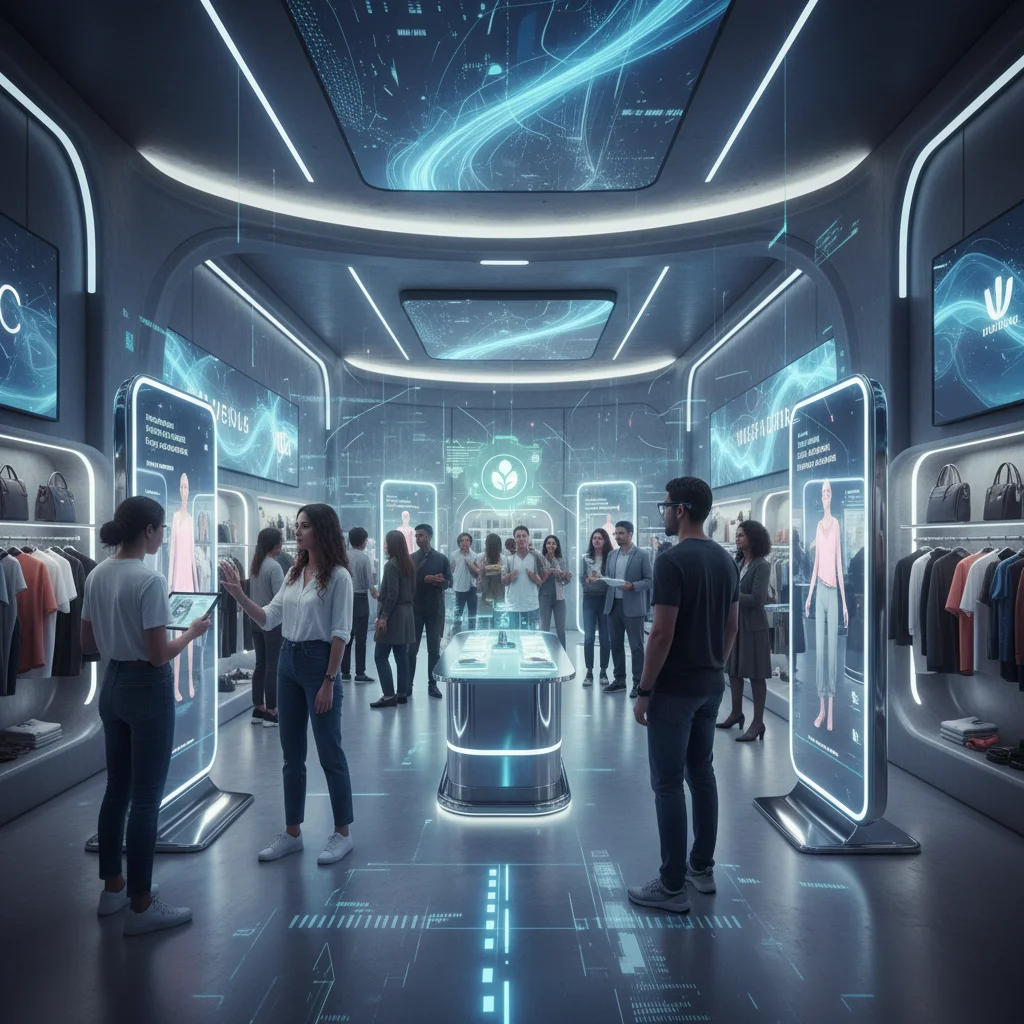
Physical stores are no longer just places to display products; they are becoming experiential hubs. Interactive screens, digital signage, and smart mirrors allow customers to explore product details, visualize items in different contexts, and even virtually try on clothing. These tools bridge the information gap often found in traditional retail, bringing the richness of online content into the physical space.

Personalized Mobile Integration
The smartphone is the ultimate phygital tool. Retailer apps can offer in-store navigation, personalized promotions based on location, loyalty program access, and mobile payment options. QR codes can link physical products to rich digital content, reviews, and purchasing options. By 2026, consumers will expect their mobile devices to be an integral part of their in-store journey, enhancing rather than distracting from the experience.
Click and Collect (BOPIS) & Curbside Pickup
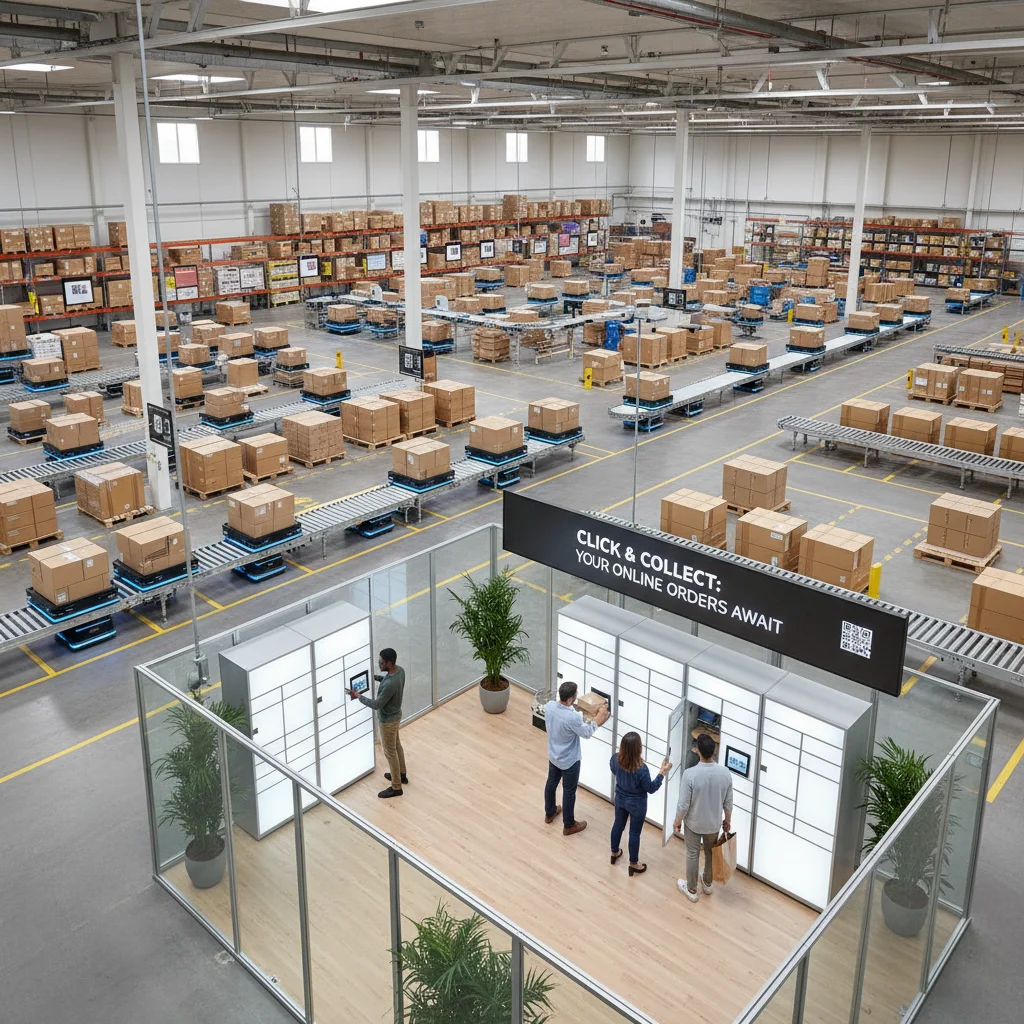
These services exemplify the convenience of phygital retail. Customers can browse and purchase online, then pick up their items at a physical location, often within hours. This not only offers speed and flexibility but also drives foot traffic to stores, where customers may make additional impulse purchases. The efficiency and reliability of these services will be paramount by 2026, with seamless execution becoming a standard expectation.
Augmented Reality (AR) and Virtual Reality (VR)
AR allows customers to visualize products in their own environment (e.g., seeing how a piece of furniture looks in their living room) or to virtually try on clothes. VR can transport customers to immersive brand experiences, allowing them to explore products or even entire virtual stores. These technologies enhance engagement and reduce purchase uncertainty, making the shopping process more interactive and fun.
Endless Aisle and Inventory Visibility
Physical stores often have limited inventory. The ‘endless aisle’ concept uses digital displays to showcase a retailer’s entire online catalog, allowing customers to order items not physically present in the store for home delivery or later pickup. Real-time inventory visibility, accessible via apps or in-store kiosks, reduces frustration and improves the overall shopping experience.
AI-Powered Personalization and Customer Service
AI plays a crucial role in delivering personalized experiences. Chatbots can provide instant customer support online, while AI-driven analytics can inform store associates about a customer’s preferences as they enter a store. This allows for proactive, tailored assistance, elevating the human element of retail with digital intelligence.
Benefits for US Consumers and Retailers by 2026
The widespread adoption of the phygital retail experience offers substantial advantages for both sides of the retail equation.
For Consumers:
- Enhanced Convenience: The ability to shop anytime, anywhere, and choose preferred delivery or pickup methods.
- Personalized Journeys: Tailored recommendations, offers, and interactions that make shopping feel more relevant and less overwhelming.
- Richer Experiences: Immersive technologies and interactive elements make shopping more engaging and entertaining.
- Informed Decisions: Access to comprehensive product information, reviews, and visualizations, reducing buyer’s remorse.
- Seamless Service: Consistent support and assistance across all touchpoints, from browsing to post-purchase.
For Retailers:
- Increased Sales and Conversion Rates: A frictionless shopping journey and personalized interactions often lead to higher conversion rates and larger basket sizes.
- Improved Customer Loyalty: Satisfied customers are more likely to return and become brand advocates.
- Deeper Customer Insights: Comprehensive data collection across channels provides a 360-degree view of customer behavior, enabling better strategic decisions.
- Optimized Inventory Management: Better understanding of demand across channels leads to more efficient stock levels and reduced waste.
- Stronger Brand Identity: A consistent and innovative phygital retail experience reinforces brand values and differentiates retailers from competitors.
- Operational Efficiencies: Streamlined processes between online and offline channels can lead to cost savings and improved productivity.
Challenges and Considerations for 2026
While the promise of the phygital retail experience is immense, its implementation is not without challenges. Retailers looking to thrive in 2026 must address these proactively:
Integration Complexities
Merging disparate online and offline systems (POS, CRM, inventory management, e-commerce platforms) can be technologically complex and costly. A unified data infrastructure is essential to ensure seamless data flow and a single view of the customer.
Data Privacy and Security
Collecting vast amounts of customer data necessitates robust privacy policies and secure systems. Consumers are increasingly concerned about how their data is used, and retailers must build trust through transparency and strong security measures to protect sensitive information.
Staff Training and Empowerment
Store associates need to be trained not just in traditional sales but also in leveraging digital tools, assisting with online orders, and providing tech-enabled customer service. Empowering employees with the right tools and knowledge is critical for delivering a consistent phygital retail experience.
Measuring ROI
Quantifying the return on investment for phygital initiatives can be challenging, as the benefits often span across multiple channels and touchpoints. Retailers need sophisticated analytics to track the impact of their integrated strategies accurately.
Maintaining the Human Touch
While technology enhances the experience, it should not overshadow the importance of human interaction. The phygital retail experience should augment, not replace, the personal connection that many consumers still value in physical retail. Balancing automation with genuine human engagement will be key.
The Phygital Retail Experience in Action: Examples by 2026
Imagine a typical shopping day for a US consumer in 2026:
Sarah is looking for a new pair of running shoes. She starts her journey on a brand’s app, browsing the latest models. The app, powered by AI, suggests shoes based on her past purchases, running style (derived from her fitness tracker data linked to her profile), and current trends. She finds a pair she likes and uses the AR feature to virtually ‘try them on’ within her home, checking colors and styles.
She then sees that her chosen size is available at a nearby store. Instead of ordering online, she opts for ‘in-store pickup.’ As she approaches the store, her phone receives a notification with a personalized greeting and directions to the designated pickup locker. Inside, she might interact with a smart kiosk that displays additional accessories matching her new shoes, or a digital screen showing reviews from other runners.
If she decides she wants to try on other shoes, a store associate, equipped with a tablet, can instantly access her online browsing history and preferences, offering informed recommendations. The associate can also check real-time inventory for other sizes or styles, even if not physically present, and arrange for home delivery. Payment is swift via her mobile wallet, and she leaves feeling satisfied, having experienced the best of both digital convenience and physical interaction.
This seamless flow, where online and offline blur into one cohesive journey, is the essence of the phygital retail experience that will be commonplace for US consumers by 2026. Retailers are investing heavily in these integrations, recognizing that the future of commerce lies in meeting customers wherever they are and providing a consistent, high-quality experience.
Future Outlook: Beyond 2026
The evolution of the phygital retail experience won’t stop at 2026. We can anticipate even more sophisticated integrations:
- Hyper-Personalization: AI will enable even deeper levels of personalization, predicting needs before customers even realize them.
- Metaverse Integration: As the metaverse evolves, retailers will likely create immersive virtual storefronts that can seamlessly connect to physical purchasing and delivery.
- Sustainable Phygital: A focus on sustainable practices will integrate into phygital experiences, offering transparency on product origins, repair services, and recycling options.
- Experiential Retail Dominance: Physical stores will become even more focused on unique experiences, workshops, and community building, leveraging digital tools to amplify these interactions.
- Voice Commerce Integration: Seamless integration of voice assistants for hands-free shopping and information retrieval across both physical and digital touchpoints.
The lines between shopping, entertainment, and social interaction will continue to blur, with the phygital retail experience acting as the connective tissue. Retailers who embrace innovation, prioritize customer needs, and strategically integrate technology will be the ones that thrive in this dynamic future.
Conclusion
The phygital retail experience is not merely a passing trend but a fundamental shift in how commerce operates. For US consumers by 2026, it will represent the new standard of shopping – one characterized by unparalleled convenience, deep personalization, and immersive engagement. Retailers who successfully navigate the complexities of integration, data management, and talent development will be well-positioned to capture market share and foster enduring customer loyalty.
The future of retail is collaborative, intelligent, and fluid. It demands a holistic approach that recognizes the interconnectedness of all touchpoints in the customer journey. By bridging the gap between the physical and digital worlds, retailers can unlock new opportunities for growth, innovation, and ultimately, create a more enriching and satisfying experience for every consumer.
Embracing the phygital retail experience now is not just about staying competitive; it’s about shaping the future of retail itself, ensuring that brands remain relevant, responsive, and resilient in an ever-changing landscape.