Reclaiming American Social Connection: Practical Solutions for 2026
In an increasingly interconnected yet paradoxically isolated world, the concept of social connection has taken on new urgency. The fabric of American society, once characterized by robust community ties and frequent face-to-face interactions, appears to be fraying. From the rise of digital communication replacing genuine dialogue to the decline of civic engagement, the signs of a diminishing sense of belonging are all around us. This erosion of social capital has profound implications for individual well-being, public health, and the very stability of democratic institutions. But what if we could turn the tide? What if, by 2026, we could significantly improve and reclaim American social connection?
This article aims to explore the multifaceted challenges contributing to this decline and, more importantly, to propose six practical, actionable solutions designed to foster genuine human interaction and rebuild community bonds. Our goal is not merely to identify the problem but to empower individuals, communities, and policymakers with strategies to actively reclaim social connection. From fostering intentional in-person gatherings to leveraging technology for good, we will delve into methods that can help us bridge the digital divide and strengthen the real-world relationships that are essential for a thriving society. By focusing on tangible steps and measurable outcomes, we can work together to create a more connected, resilient, and compassionate America.
The Silent Epidemic: Understanding the Decline in Social Connection
Before we can effectively reclaim social connection, it’s crucial to understand the forces that have contributed to its decline. Decades of research have painted a stark picture: Americans report fewer close friends, less participation in community groups, and a pervasive sense of loneliness. This isn’t just a subjective feeling; it’s a public health crisis. Studies have linked social isolation to increased risks of heart disease, stroke, dementia, and premature death, rivaling the health risks of smoking and obesity. The Surgeon General of the United States has even issued an advisory on the epidemic of loneliness and isolation, underscoring its severity and widespread impact.
Several factors are at play. The exponential growth of digital technologies, while offering unprecedented connectivity, often substitutes superficial interactions for deep, meaningful ones. Social media algorithms are designed to maximize engagement, often at the expense of genuine human empathy and understanding. Moreover, changes in work patterns, increased mobility, and the decline of traditional institutions like churches and civic organizations have eroded the organic opportunities for connection that once characterized American life. The rise of single-person households and the geographic dispersion of families further exacerbate this trend. Understanding these root causes is the first step toward developing effective strategies to reclaim social connection and foster a more integrated society.
Solution 1: Championing Local Community Hubs
One of the most effective ways to reclaim social connection is by revitalizing and creating local community hubs. These are physical spaces where people can gather, interact, and collaborate, fostering a sense of belonging and shared purpose. Think beyond traditional community centers; consider innovative models like co-working spaces with communal areas, shared workshops for hobbies (e.g., woodworking, pottery), or even enhanced public libraries that offer more than just books – perhaps cooking classes, language exchange groups, or tech workshops. The key is to make these spaces accessible, inviting, and programming them with diverse activities that appeal to a wide range of ages and interests.
Imagine a neighborhood where the local coffee shop doubles as a community bulletin board and a venue for open mic nights, or a park that hosts regular farmers’ markets, outdoor movie screenings, and fitness classes. These hubs serve as organic meeting points, encouraging spontaneous interactions and allowing relationships to blossom naturally. Local governments, non-profits, and even private businesses can play a pivotal role in establishing and sustaining these hubs. Funding initiatives, providing grants for community-led projects, and offering tax incentives for businesses that dedicate space to public engagement can significantly bolster this effort. By investing in these foundational community spaces, we lay the groundwork for a more connected future, making it easier for individuals to find their place and contribute to the collective good. This approach emphasizes the power of proximity and shared experience to genuinely reclaim social connection.
Solution 2: Implementing Digital Detox & Mindful Tech Use Programs
While technology is not inherently bad, its omnipresence can hinder genuine social connection. A crucial solution to reclaim social connection involves implementing widespread digital detox and mindful tech use programs. These initiatives should aim to educate individuals, particularly younger generations, about the psychological and social impacts of excessive screen time and provide practical strategies for a healthier digital-life balance. This isn’t about abandoning technology but about using it intentionally and consciously, ensuring it serves as a tool for connection rather than a barrier.
Programs could include workshops in schools and workplaces on setting screen time limits, understanding social media’s effects on mental health, and cultivating ‘device-free’ zones and times. For instance, families could implement ‘no-phone dinner rules,’ and communities could organize ‘digital-free days’ where people are encouraged to engage in real-world activities. Companies could offer incentives for employees to take digital breaks, promoting well-being and in-person interaction during work hours. The goal is to shift societal norms around technology, encouraging people to prioritize face-to-face interactions and real-world experiences. By fostering a culture of mindful tech use, we empower individuals to disengage from the digital noise and actively seek out opportunities to reclaim social connection in their immediate environments. This deliberate effort to reduce digital dependency can free up valuable time and mental space for authentic human engagement.

Solution 3: Fostering Intergenerational Mentorship Programs
Bridging generational divides is another powerful way to reclaim social connection. Intergenerational mentorship programs offer a unique solution by pairing older adults with younger individuals, creating mutually beneficial relationships that combat isolation at both ends of the age spectrum. Seniors often possess a wealth of knowledge, experience, and wisdom that can be invaluable to younger generations navigating career paths, personal challenges, or simply seeking guidance. Conversely, younger individuals can offer fresh perspectives, digital literacy skills, and companionship to older adults who might otherwise feel disconnected.
These programs can be structured in various settings: schools, community centers, libraries, or even online platforms designed for safe and supervised interactions. Examples include retired professionals mentoring high school students, seniors teaching traditional crafts to children, or young adults assisting older neighbors with technology. The benefits extend beyond the direct participants; these programs strengthen community ties by fostering empathy, understanding, and respect across age groups. They create a sense of shared responsibility and belonging, reminding us that every individual, regardless of age, has something valuable to contribute. By intentionally cultivating these cross-generational bonds, we can significantly help to reclaim social connection, enriching the lives of all involved and building a more cohesive society for 2026 and beyond.
Solution 4: Promoting & Funding Grassroots ‘Connection’ Events
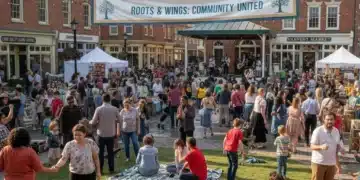
Sometimes, the simplest solutions are the most effective. Actively promoting and funding grassroots ‘connection’ events can significantly help to reclaim social connection at the neighborhood level. These are informal, community-driven gatherings that prioritize interaction and shared experience over structured agendas. Think block parties, potlucks in local parks, neighborhood clean-up days followed by a communal meal, or even ‘front porch’ gatherings where neighbors are encouraged to simply sit outside and chat.
Local governments, community foundations, and even private citizens can play a vital role by providing small grants, logistical support, or simply publicizing these events. The key is to remove barriers to participation and make it easy for people to organize and attend. Imagine a city initiative that provides a ‘block party kit’ (tables, chairs, sound system) to any neighborhood group that wants to host an event, or a community fund that offers micro-grants for local art walks or storytelling nights. These events create low-pressure environments for people to meet new neighbors, deepen existing friendships, and discover common interests. They rebuild the social infrastructure from the ground up, fostering a sense of collective ownership and pride in one’s community. By empowering and enabling these organic gatherings, we create countless opportunities to reclaim social connection, one conversation and one shared laugh at a time. The cumulative effect of these small, frequent interactions can be transformative for a community’s social health.
Solution 5: Integrating Social Connection into Urban Planning
The physical environment plays a profound role in shaping social interactions. To truly reclaim social connection, we must integrate social connection as a core principle in urban planning and architectural design. This means moving beyond car-centric infrastructure and creating spaces that prioritize pedestrians, cyclists, and public gathering. Think about ‘walkable communities’ with mixed-use developments where homes, shops, and services are within easy reach, encouraging serendipitous encounters.
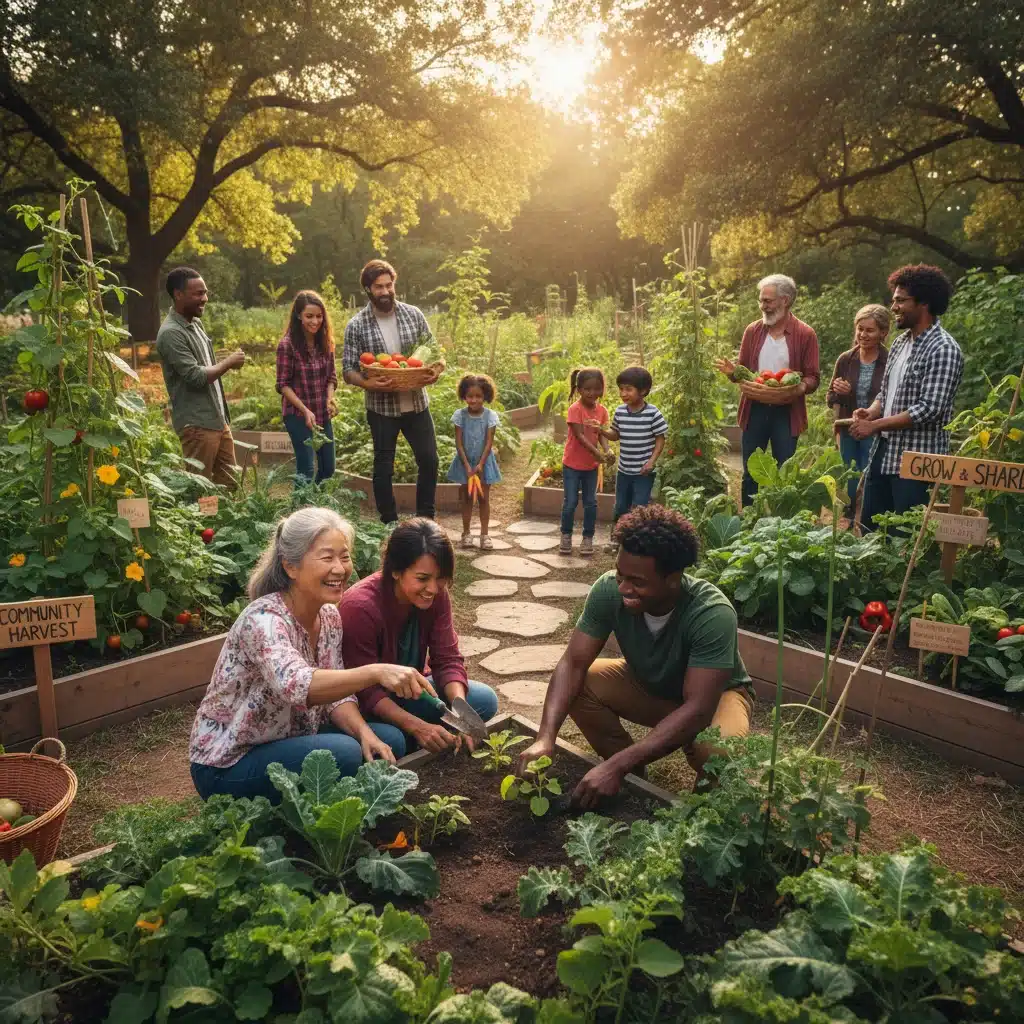
Key elements include designing public parks with ample seating and activity areas, creating vibrant town squares, ensuring accessible public transportation that encourages shared experiences, and even incorporating ‘third spaces’ like community gardens, outdoor cafes, and pop-up markets. Urban planners should actively seek community input to understand local needs and preferences, ensuring that new developments foster rather than hinder social interaction. Policies that encourage smaller, more diverse housing options can also lead to more integrated neighborhoods. By consciously designing our cities and towns to be more human-centric and conducive to interaction, we can create environments where social connection is not just possible, but actively encouraged and facilitated. This forward-thinking approach to urban development can fundamentally alter how Americans interact daily, making it easier and more natural to reclaim social connection in our everyday lives.
Solution 6: Promoting Empathy and Active Listening Education
At the heart of social connection lies the ability to understand and relate to others. Therefore, a crucial solution to reclaim social connection involves promoting widespread education in empathy and active listening. These are not innate skills for everyone; they can be taught, practiced, and honed. In an age of rapid-fire communication and polarized discourse, the capacity to truly listen and understand another’s perspective is more vital than ever.
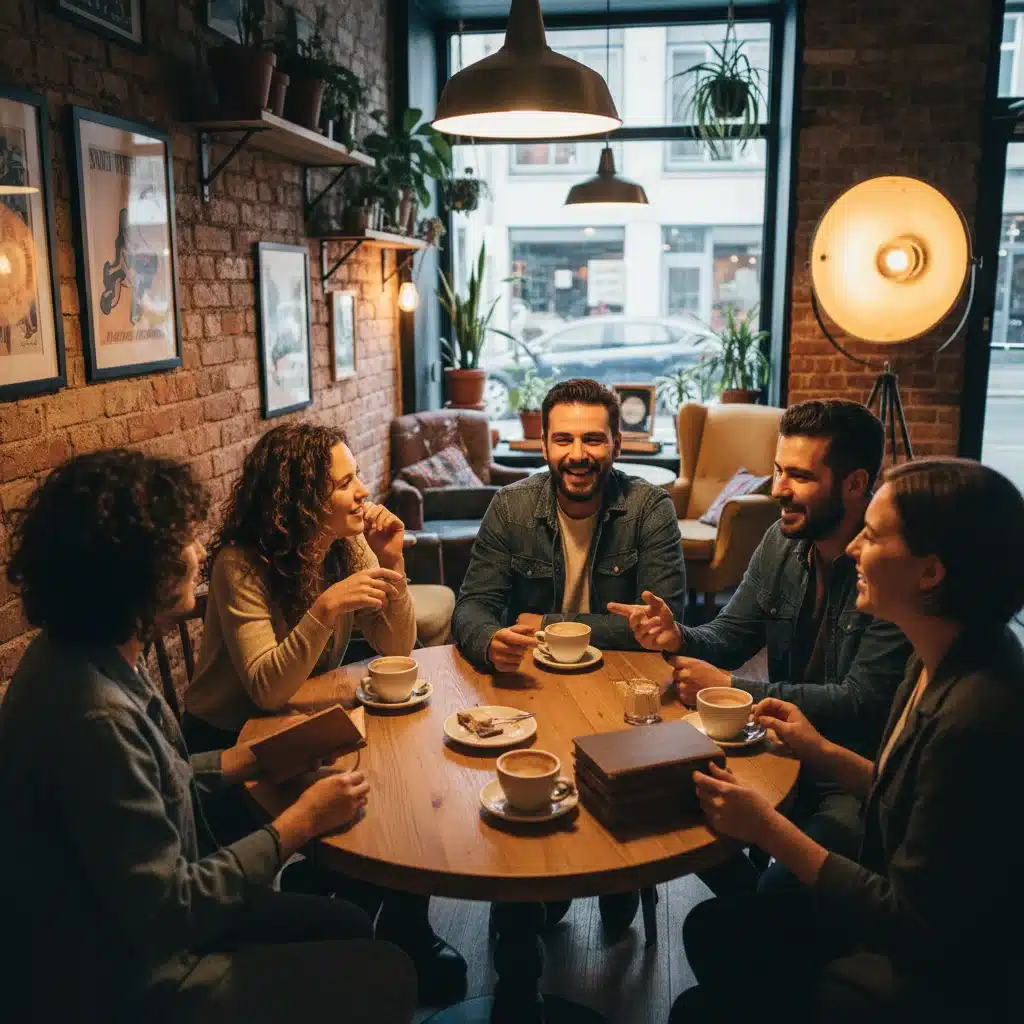
Educational programs, starting in schools and extending into workplaces and community groups, can focus on techniques for active listening, perspective-taking, and non-violent communication. Role-playing exercises, group discussions, and guided reflections can help individuals develop these critical interpersonal skills. Imagine curricula that teach children how to express their feelings constructively and how to genuinely hear what their peers are saying. Or workshops for adults that equip them with tools to navigate disagreements respectfully and build bridges across differences. When individuals are better equipped to empathize and listen, they are more likely to form deeper, more resilient connections. This foundational shift in communication practices can transform how we interact with our families, friends, neighbors, and colleagues, ultimately helping us to reclaim social connection on a profound and sustainable level. By investing in these fundamental human skills, we invest in a more understanding and connected society.
The Path Forward: A Call to Action for 2026
The decline in social connection is not an insurmountable problem. It is a challenge that requires collective effort, intentional strategies, and a renewed commitment to the human element of our existence. The six practical solutions outlined – championing local community hubs, implementing digital detox programs, fostering intergenerational mentorship, promoting grassroots connection events, integrating social connection into urban planning, and educating on empathy and active listening – offer a comprehensive roadmap to reclaim social connection by 2026.
Each solution, while distinct, reinforces the others, creating a synergistic effect that can gradually but powerfully rebuild the social fabric of America. This isn’t just about reducing loneliness; it’s about fostering resilience, enhancing mental and physical health, strengthening democratic participation, and ultimately, creating a more compassionate and vibrant society. The responsibility lies with all of us: individuals making conscious choices, communities organizing and supporting local initiatives, and policymakers enacting supportive legislation and urban planning strategies. Let us envision a 2026 where genuine human connection is not a rarity but a cherished and pervasive aspect of daily life, where communities thrive, and individuals feel deeply rooted and valued. By taking these practical steps, we can collectively work to reclaim social connection and forge a brighter, more connected future for all Americans.