Future of Creative Education: 5 Trends for US Art Schools by 2026
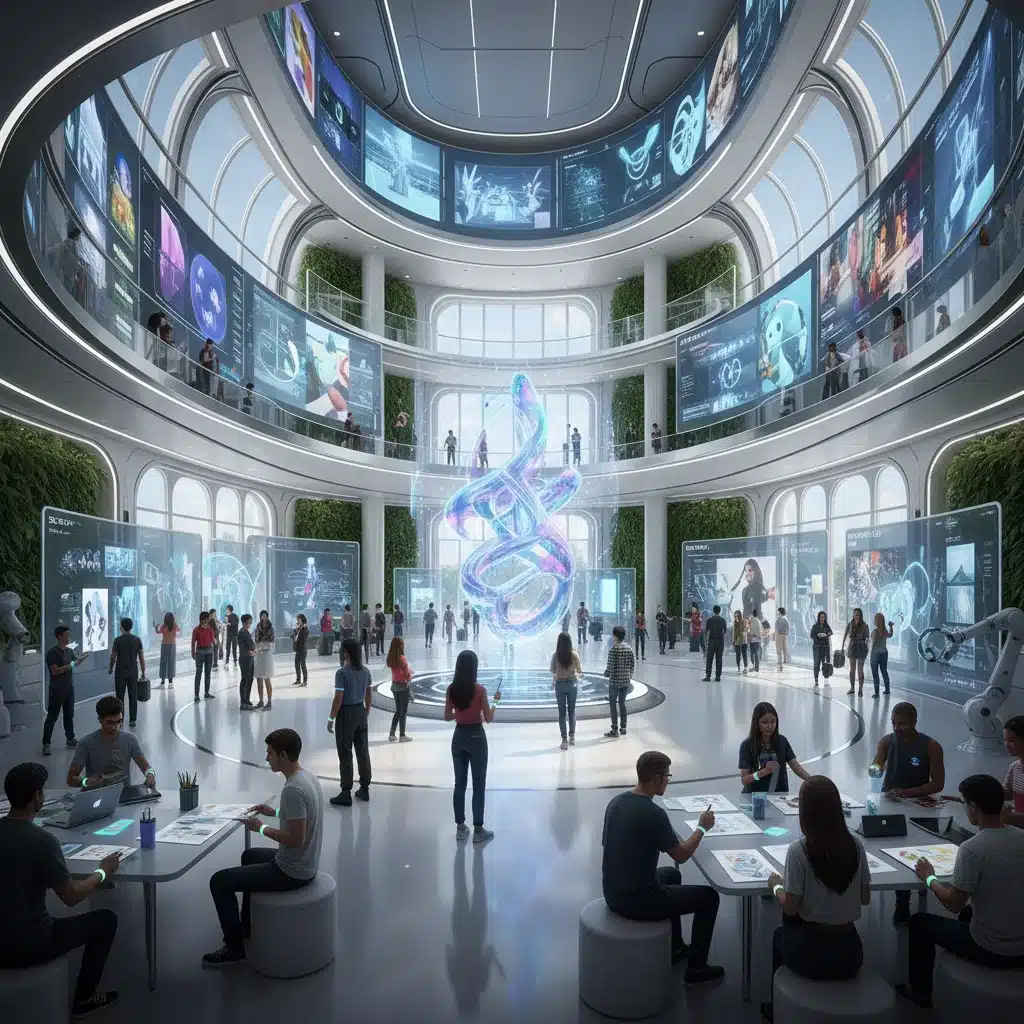
The Future of Creative Education: 5 Emerging Trends for US Art Schools by 2026
The world of art and design is in a perpetual state of flux, driven by technological advancements, evolving societal needs, and a globalized perspective. As we approach 2026, US art schools are at the forefront of adapting to these changes, redefining what it means to be a creative professional in the 21st century. The future of creative education is not just about mastering techniques; it’s about fostering adaptability, critical thinking, and interdisciplinary collaboration. This article delves into five pivotal emerging trends that are shaping how art and design are taught and learned across the United States.
From the integration of artificial intelligence into artistic practice to the burgeoning focus on sustainability and social impact, these trends are preparing a new generation of artists, designers, and innovators for a world that demands both creative vision and practical problem-solving. Understanding these shifts is crucial for prospective students, educators, and industry professionals alike. Let’s explore the dynamic landscape that is defining the creative education future.
1. The Rise of AI and Computational Creativity in Art Curricula
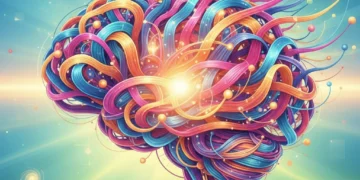
Artificial Intelligence (AI) is no longer a futuristic concept; it’s a present-day reality rapidly integrating into various sectors, and creative industries are no exception. For US art schools, this means a significant shift in curriculum design to incorporate AI and computational creativity. By 2026, AI won’t just be a tool for automation but a creative partner, challenging traditional notions of authorship and artistic process. The creative education future will increasingly involve students learning to prompt AI art generators, develop algorithms for generative art, and understand the ethical implications of AI in creative work.
Redefining Artistic Tools and Processes
Historically, art education has focused on mastering traditional mediums like paint, clay, and charcoal, alongside digital tools such as Photoshop and Illustrator. The advent of AI introduces a new layer of complexity and opportunity. Students are now learning to use AI not just for image manipulation, but for concept generation, style transfer, and even creating entirely new visual languages. This involves understanding machine learning principles, data sets, and how AI interprets and generates creative outputs. Art schools are introducing courses on AI ethics, prompt engineering for visual arts, and computational design, ensuring students are not just users but informed creators within this new paradigm.
AI as a Collaborative Partner
One of the most exciting aspects of AI in art education is its potential as a collaborative partner. Artists can use AI to explore ideas they might not have conceived on their own, push the boundaries of their style, or even generate entire preliminary concepts for review. This collaboration fosters a new kind of creative thinking, where human intuition and machine processing merge. The creative education future will see more projects where students work alongside AI, learning to guide its outputs and integrate them seamlessly into their artistic vision. This requires a different skill set than traditional art-making, emphasizing critical evaluation, curation, and the ability to articulate complex ideas to a non-human entity.
Ethical Considerations and the Future of Authorship
As AI becomes more sophisticated, questions about authorship, intellectual property, and bias in algorithms become paramount. Art schools are integrating discussions and practical exercises around these ethical dilemmas. Students are encouraged to critically analyze the data used to train AI models, understand how biases can be perpetuated, and develop their own ethical frameworks for using AI in their practice. This critical engagement is vital for responsible innovation in the arts and ensures that the next generation of creatives is not just technically proficient but also ethically aware. The role of the artist is evolving from sole creator to curator, director, and ethical steward of AI-generated content.
2. Immersive Technologies: VR, AR, and the Metaverse in Creative Learning
The boundary between the physical and digital worlds is blurring, and immersive technologies like Virtual Reality (VR), Augmented Reality (AR), and the emerging Metaverse are profoundly impacting creative education. US art schools are rapidly adopting these technologies to create new learning environments, artistic mediums, and platforms for exhibition and collaboration. By 2026, these tools will be integral to how students learn, create, and interact with art.
New Mediums for Artistic Expression
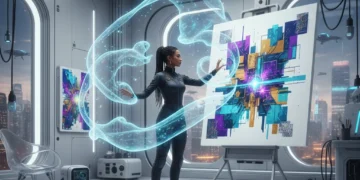
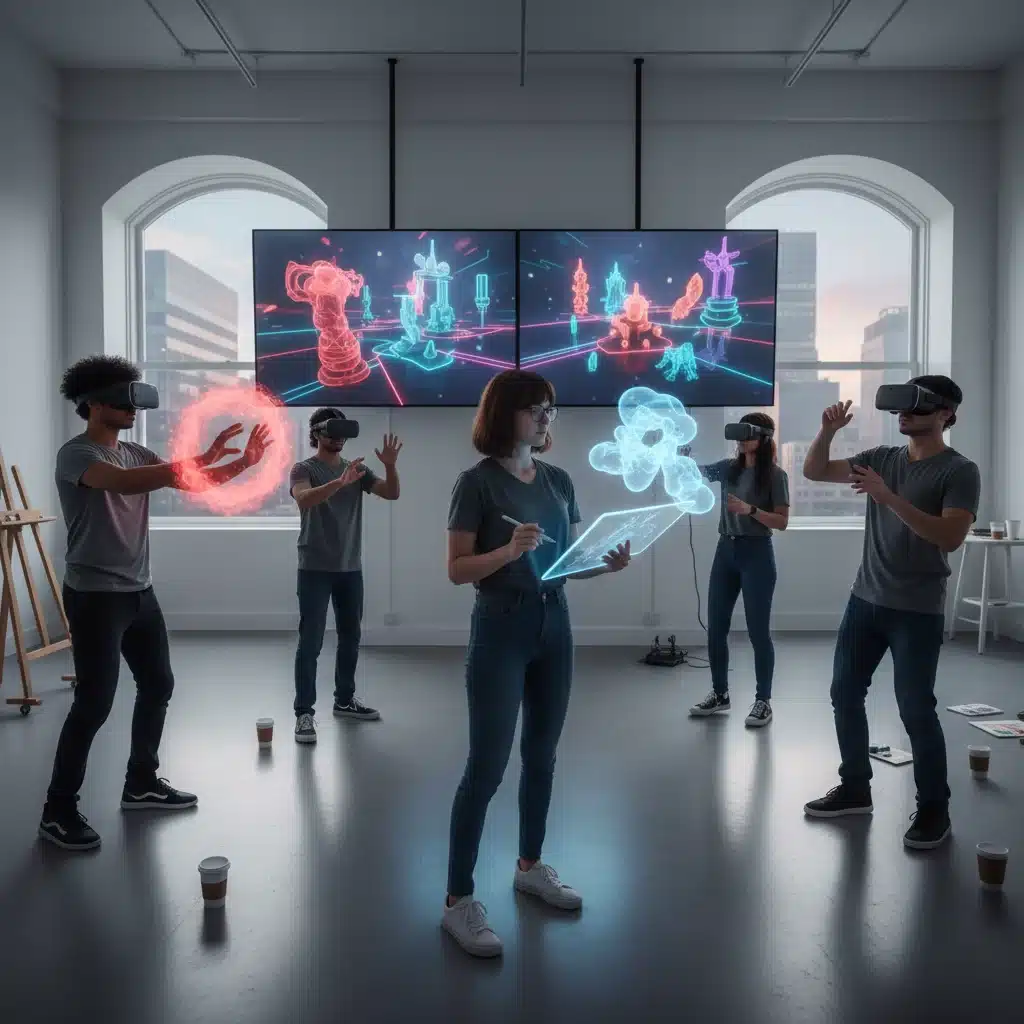
VR and AR offer unprecedented opportunities for artistic expression. Students are no longer confined to 2D canvases or physical sculptures; they can create entire immersive worlds, interactive installations, and digital performances. Art schools are investing in VR labs, AR development kits, and specialized software that allows students to sculpt in 3D space, design interactive experiences, and build virtual environments. This expansion of mediums demands new technical skills, including 3D modeling, game engine proficiency, and user experience (UX) design, all of which are becoming standard offerings in a cutting-edge creative education future.
Virtual Studios and Global Collaboration
The Metaverse, while still in its nascent stages, promises to revolutionize how art students collaborate and learn. Virtual studios can transcend geographical boundaries, allowing students from different institutions or even different countries to work together in real-time on shared projects. This fosters a global perspective and exposes students to diverse creative approaches and cultural contexts. Imagine a ceramics student in New York collaborating with a digital sculptor in Tokyo within a shared virtual workspace – this is the reality art schools are building towards. Virtual exhibitions and galleries also provide new avenues for showcasing student work to a global audience, democratizing access to art and fostering broader engagement.
Experiential Learning and Skill Development
Immersive technologies also enhance experiential learning. Students can virtually visit historical art sites, dissect complex architectural structures in 3D, or even practice performance art in a safe, simulated environment. This hands-on, interactive approach deepens understanding and accelerates skill development. Furthermore, proficiency in VR/AR development is a highly sought-after skill in industries beyond fine art, including gaming, architecture, healthcare, and entertainment, making graduates with these skills exceptionally versatile and employable in the evolving job market. This practical application solidifies the importance of these technologies in the creative education future.
3. Interdisciplinary Approaches and Hybrid Practices
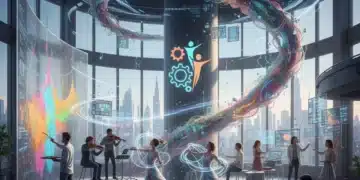
The traditional silos between artistic disciplines are crumbling. The creative education future is increasingly interdisciplinary, encouraging students to draw connections between seemingly disparate fields and to develop hybrid practices that combine elements from various art forms, sciences, and humanities. US art schools are actively dismantling departmental barriers to foster a more holistic and innovative approach to creativity.
Breaking Down Disciplinary Boundaries
No longer are students expected to specialize solely in painting, sculpture, or graphic design. Instead, curricula are being designed to encourage cross-pollination. A student might combine textile design with electronic engineering to create wearable tech, or blend animation with scientific visualization to communicate complex data. This approach mirrors the real-world demands of the creative industries, where projects often require diverse skill sets and collaborative problem-solving across disciplines. Art schools are creating flexible degree programs, joint majors, and collaborative studio spaces that facilitate these hybrid practices, ensuring students are well-equipped for multifaceted careers.
Art as a Catalyst for Innovation in Other Fields
The value of artistic thinking extends far beyond the art world itself. Art schools are increasingly positioning themselves as hubs for innovation, collaborating with engineering departments, business schools, and science faculties. Design thinking, a methodology rooted in creative problem-solving, is being applied to challenges in healthcare, urban planning, and environmental sustainability. Students are learning to leverage their creative skills to address real-world problems, positioning art as a critical component of societal advancement. This interdisciplinary mindset is crucial for the creative education future, producing graduates who can contribute meaningfully to a wide array of sectors.
The Rise of New Hybrid Majors and Minors
To support this trend, art schools are introducing new hybrid majors and minors that reflect the evolving landscape of creative work. Examples include Bio-Art, Computational Design, Experience Design, Social Practice Art, and Creative Technology. These programs are designed to equip students with a broad toolkit, enabling them to navigate complex projects that require skills in both traditional art-making and emerging technologies or scientific principles. The emphasis is on adaptability and the ability to synthesize information and techniques from multiple domains, preparing graduates for roles that may not even exist yet.
4. Sustainability, Social Impact, and Ethical Design
As global challenges like climate change, social inequality, and ethical consumption become more pressing, the role of art and design in addressing these issues is gaining prominence. The creative education future places a strong emphasis on sustainability, social impact, and ethical design principles, integrating these values into every aspect of the curriculum.
Eco-Conscious Creative Practices
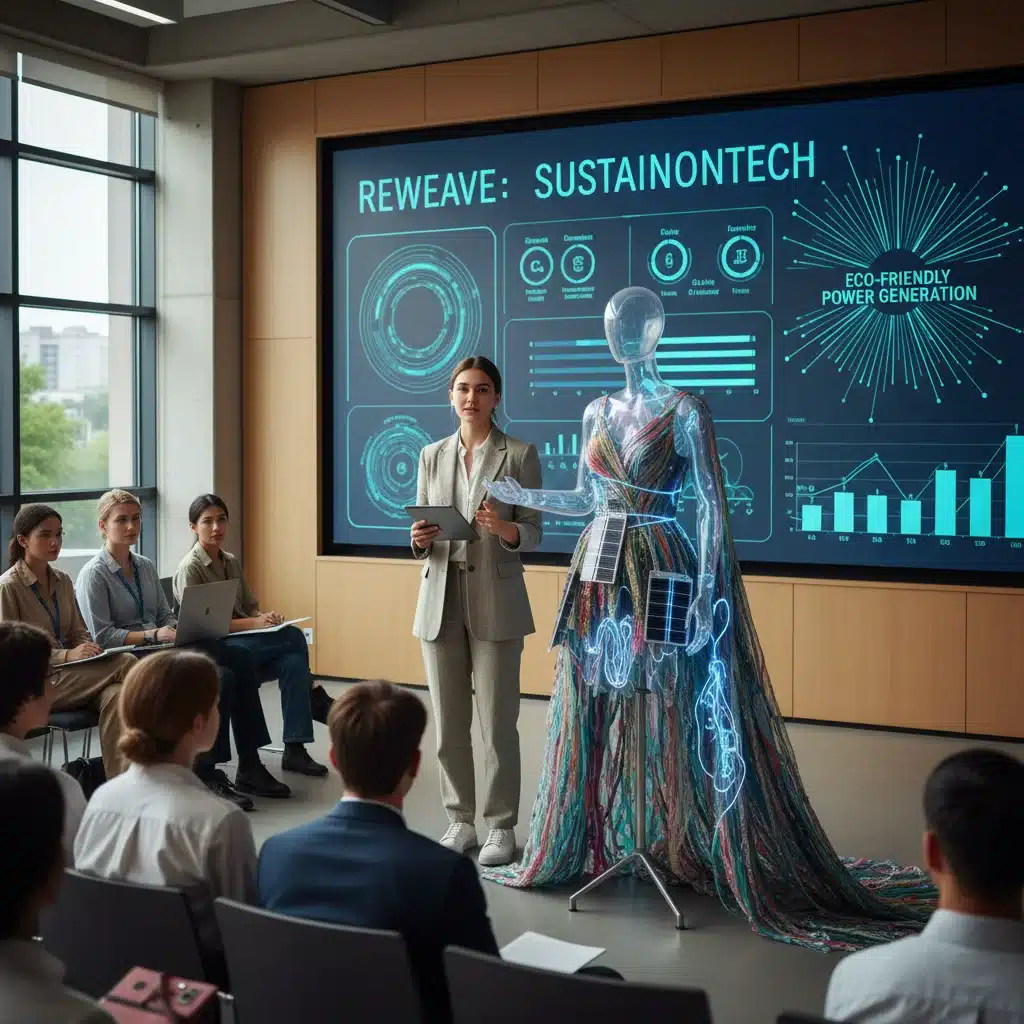
Art schools are leading the charge in promoting sustainable practices within the creative process. This includes teaching students about eco-friendly materials and techniques, encouraging responsible sourcing, and exploring ways to minimize waste in production. From sustainable fashion design that utilizes recycled materials and ethical supply chains to architecture that incorporates green building principles, environmental consciousness is becoming a core component of creative education. Students are challenged to think about the life cycle of their creations and their broader ecological footprint, fostering a generation of environmentally responsible creatives.
Design for Social Good
Beyond environmental concerns, art schools are increasingly focusing on how design can be a powerful tool for social change. Courses in social impact design, community-engaged art, and design for public good are becoming more prevalent. Students learn to apply their creative problem-solving skills to address issues such as accessibility, public health, education, and social justice. This often involves collaborating with local communities, NGOs, and non-profit organizations to develop solutions that are both aesthetically compelling and functionally impactful. The goal is to cultivate artists and designers who are not only skilled craftspeople but also empathetic innovators committed to making a positive difference in the world.
Ethical Considerations in Design and Art
Ethical design is another critical pillar of this trend. This involves teaching students to consider the broader implications of their work, including data privacy, algorithmic bias, cultural appropriation, and responsible representation. In an increasingly digital and interconnected world, the ethical responsibilities of creators are magnified. Art schools are equipping students with the critical thinking skills to navigate these complex ethical landscapes, ensuring they create work that is not only innovative but also just and equitable. This focus on ethical practice is fundamental to shaping a responsible creative education future.
5. Personalized Learning Pathways and Entrepreneurial Mindsets
The traditional one-size-fits-all model of education is giving way to more personalized learning pathways, especially in creative fields where individual expression and unique visions are paramount. Concurrently, art schools are increasingly fostering entrepreneurial mindsets, recognizing that many creative careers today require self-starting, business acumen, and adaptability.
Tailored Educational Experiences
Art schools are moving towards more flexible curricula that allow students to customize their educational journey based on their interests, strengths, and career aspirations. This can involve modular courses, interdepartmental minors, independent study opportunities, and mentorship programs that connect students with industry professionals. The goal is to empower students to build a unique portfolio of skills and experiences that truly reflects their individual creative identity and prepares them for a niche within the vast creative economy. This personalization ensures that each student can maximize their potential within the evolving creative education future.
Fostering the Entrepreneurial Artist
In today’s creative landscape, artists and designers are often expected to be more than just practitioners; they need to be entrepreneurs. This means understanding marketing, branding, intellectual property, financial management, and how to build a sustainable creative business. Art schools are responding by integrating entrepreneurship courses, workshops on portfolio development and self-promotion, and incubators for student-led creative ventures. Guest speakers from successful creative startups and independent artists provide real-world insights into navigating the business side of art. This shift is crucial for equipping graduates with the tools to not only create compelling work but also to build successful and sustainable careers.
Lifelong Learning and Adaptability
The pace of change in creative industries means that learning doesn’t stop after graduation. Art schools are instilling in students the importance of lifelong learning and adaptability. This includes teaching them how to continuously acquire new skills, stay abreast of emerging technologies, and pivot their practices as market demands and personal interests evolve. By fostering a mindset of continuous growth and resilience, art schools are preparing graduates not just for their first job, but for a dynamic and fulfilling career that may span decades and multiple transformations. This emphasis on future-proofing is a hallmark of the modern creative education future.
Conclusion: Navigating the Evolving Landscape of Creative Education
The future of creative education in US art schools by 2026 is dynamic, challenging, and incredibly exciting. The five emerging trends – the rise of AI and computational creativity, the integration of immersive technologies, interdisciplinary approaches, a strong focus on sustainability and social impact, and personalized learning with an entrepreneurial mindset – are collectively reshaping how we conceive of art, design, and creative practice. These shifts reflect a broader understanding of the role of creativity in society: not just as an aesthetic pursuit, but as a powerful force for innovation, problem-solving, and positive change.
For students considering a creative path, these trends highlight the importance of developing a diverse skill set, embracing new technologies, thinking critically about ethical implications, and cultivating an adaptable, entrepreneurial spirit. For educators, it calls for continuous curriculum innovation, cross-departmental collaboration, and a commitment to preparing students for a world that demands both artistic vision and practical ingenuity. The creative education future is bright for those willing to embrace its complexities and opportunities, promising a generation of artists and designers who are not only masters of their craft but also catalysts for a better future.