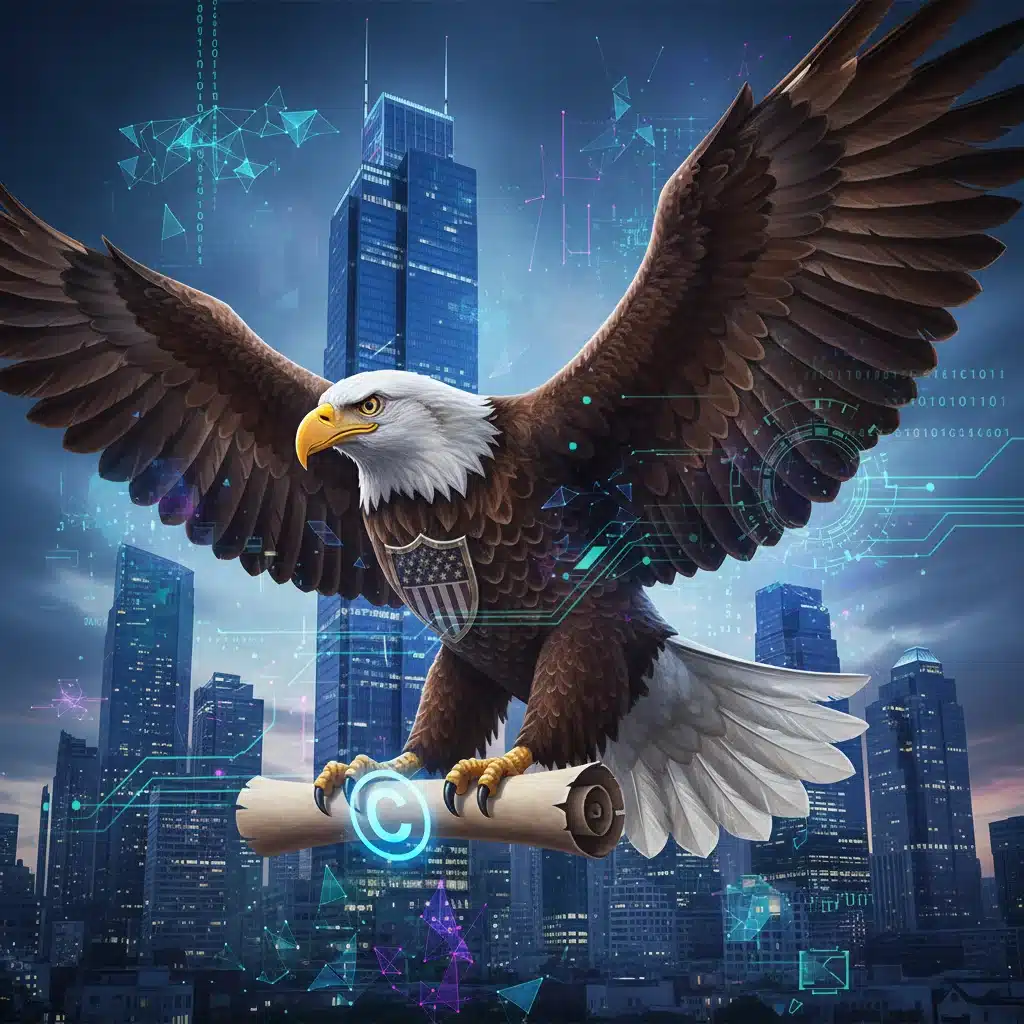
Navigating the Future: Understanding Updated US Copyright Laws for Artists in 2026
For every artist, creator, and innovator, understanding the legal framework that protects your work is not just beneficial, it’s essential. The landscape of intellectual property is constantly evolving, and with significant updates to US copyright laws slated for 2026, it’s more critical than ever for artists to be informed. These changes promise to reshape how creative works are protected, enforced, and monetized in an increasingly digital world. This comprehensive guide aims to demystify these upcoming revisions, providing artists with the knowledge and tools to safeguard their invaluable contributions.
The digital age has brought unprecedented opportunities for creators, allowing art to reach global audiences instantly. However, it has also introduced complex challenges, particularly concerning copyright infringement and the unauthorized use of creative content. Recognizing these evolving dynamics, the United States Copyright Office, in conjunction with legislative bodies, has been diligently working to modernize existing US copyright laws. The forthcoming 2026 updates represent a significant effort to address these contemporary issues, ensuring that the legal protections for artists remain robust and relevant.
From painters and sculptors to digital artists, musicians, writers, and photographers, virtually every creative professional will be impacted by these changes. Ignoring these updates could lead to missed opportunities for protection or, worse, unintended legal vulnerabilities. Therefore, a proactive approach to understanding these revisions is paramount. This article will delve into the specific amendments, discuss their implications, and offer practical advice on how artists can adapt their practices to align with the new legal environment.
The Core of the 2026 US Copyright Laws Updates: What’s Changing?
The 2026 updates to US copyright laws are not merely minor tweaks; they encompass several significant areas designed to enhance clarity, improve enforcement, and better address the complexities of digital creation and distribution. While the full scope of the changes is extensive, some core themes emerge as particularly relevant to artists.
Clarification of Digital Rights and Licensing
One of the most anticipated aspects of the 2026 revisions is the enhanced clarification of digital rights. As art increasingly moves online, the lines between what constitutes fair use, licensed use, and infringement can become blurred. The new laws aim to provide clearer guidelines on how digital works can be used, shared, and licensed. This includes more precise definitions for various forms of digital content, from NFTs (Non-Fungible Tokens) and AI-generated art to streaming media and online publications.
For artists, this means a better understanding of their rights when their work appears on social media platforms, online galleries, or is incorporated into other digital projects. It also implies a more structured approach to digital licensing, potentially simplifying the process for artists to grant permissions for their work while maintaining control over its usage. The goal is to empower artists with greater agency over their digital footprint and ensure they are appropriately compensated for their creations.
Streamlined Registration and Enforcement Processes
Historically, the process of registering a copyright could be perceived as cumbersome, especially for independent artists with limited legal resources. The 2026 updates seek to streamline the copyright registration process, making it more accessible and efficient. This could involve simplified online submission portals, clearer instructions, and potentially reduced fees for certain types of registrations. A more user-friendly registration system is crucial because official registration is a prerequisite for filing a copyright infringement lawsuit in the US and provides significant legal advantages.
Furthermore, the updates are expected to strengthen enforcement mechanisms. This might include provisions that make it easier for artists to pursue legal action against infringers, particularly those operating across state or international borders. There could also be increased penalties for repeat infringers or those engaging in large-scale commercial exploitation of copyrighted works without permission. These enhanced enforcement tools are designed to act as a stronger deterrent against piracy and unauthorized use, offering artists more effective recourse when their rights are violated.
Addressing AI-Generated Content
The rapid advancements in artificial intelligence have introduced a novel challenge to existing US copyright laws. Questions abound regarding who owns the copyright to art generated by AI, especially when AI models are trained on vast datasets of existing copyrighted works. The 2026 updates are expected to begin addressing these complex issues, providing initial frameworks for how AI-generated content will be treated under copyright law. This could involve defining the level of human input required for a work to be considered copyrightable, or establishing new categories for AI-assisted creations.
For artists, this is a double-edged sword. While AI tools can enhance creative processes, the potential for AI to replicate or derive from existing styles and works raises concerns about originality and attribution. The new laws will likely aim to strike a balance, fostering innovation while protecting the rights of human creators. Understanding these nuances will be vital for artists who either utilize AI in their practice or are concerned about AI’s impact on their market and intellectual property.
Practical Steps for Artists to Prepare for the 2026 Updates
While the full implementation of the 2026 US copyright laws is still some time away, artists can and should begin taking proactive steps now to ensure they are well-prepared. Being informed and organized will be key to leveraging the new protections and navigating any potential challenges.
Review and Document Your Existing Work
One of the most fundamental steps is to meticulously review and document all your existing creative works. This includes maintaining clear records of creation dates, drafts, sketches, and any other evidence that demonstrates your authorship. For digital artists, this might involve saving metadata, version histories, and timestamps. For physical artists, photographs of works in progress, studio logs, and sales records can be invaluable. This documentation serves as crucial evidence of originality and ownership, which will be vital under the updated US copyright laws.
Consider creating a centralized system for organizing your work and associated documentation. This could be a cloud-based storage solution, an external hard drive, or a dedicated software application. The easier it is to access proof of your creation, the stronger your position will be if a dispute arises.
Familiarize Yourself with Copyright Registration
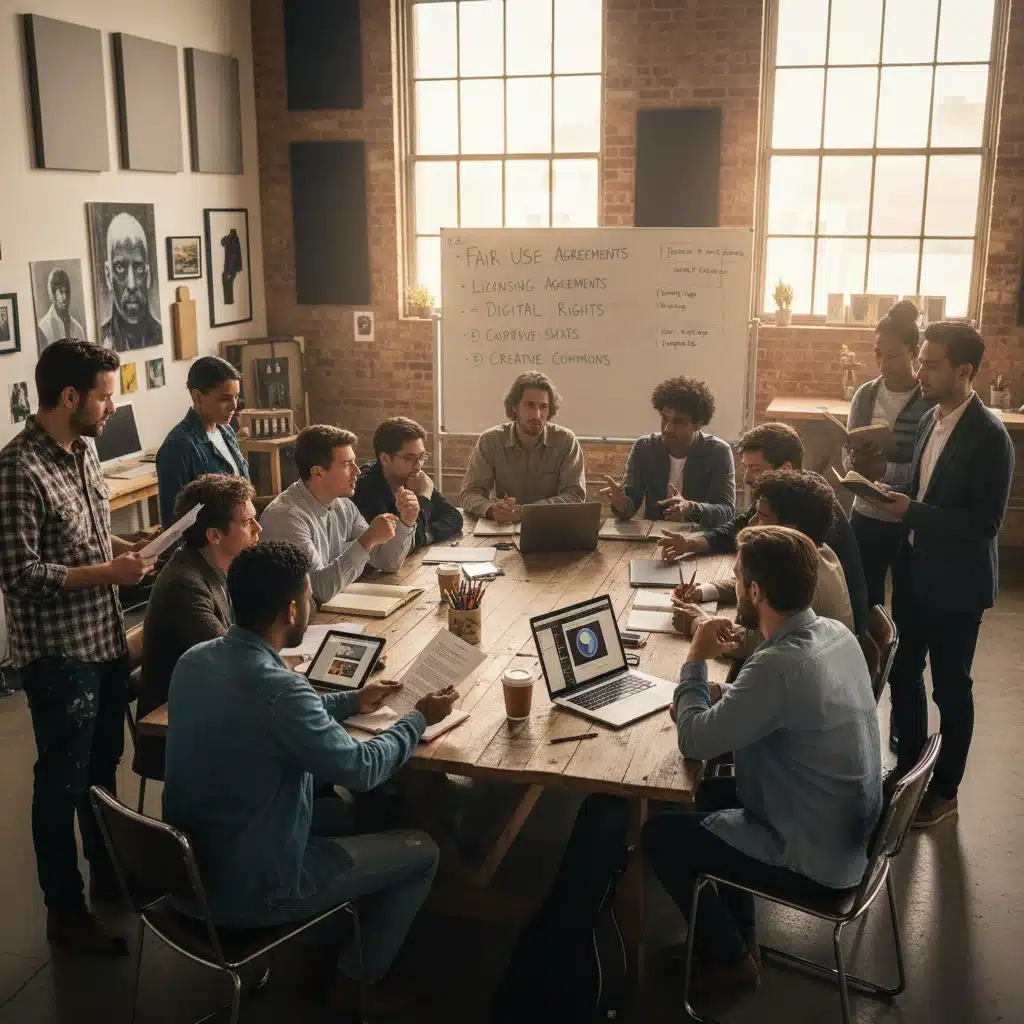
Even before the 2026 updates fully kick in, it is highly advisable to register your most significant works with the U.S. Copyright Office. While copyright technically exists from the moment of creation, registration provides powerful legal advantages, including the ability to sue for infringement in federal court and to seek statutory damages and attorney’s fees. As the registration process is expected to become more streamlined, familiarizing yourself with the current system will make adapting to the new one even easier.
Pay attention to the different types of registration available (e.g., single work, group of works, series of works) and determine which best suits your creative output. Regularly registering new works as they are completed or as a collection can provide continuous protection.
Understand Licensing and Contracts
With clearer guidelines on digital rights and licensing expected, artists should take this opportunity to thoroughly understand how licensing agreements work. Whether you’re licensing your music for a film, your artwork for merchandise, or your photographs for a publication, a well-drafted contract is your best defense. The 2026 updates may introduce new standard clauses or best practices for digital licensing, so staying informed will be crucial.
Consider consulting with legal professionals specializing in intellectual property to review your standard contracts or to draft new ones that align with the forthcoming laws. Understanding the terms of use for platforms where you share your work (e.g., social media, stock photo sites) is also paramount, as these often involve granting broad licenses to the platform itself.
Stay Informed and Seek Expert Advice
The legal landscape is dynamic, and while this article provides a comprehensive overview, specific situations may require tailored advice. Regularly check the U.S. Copyright Office website for official announcements and detailed guidance regarding the 2026 updates. Follow reputable legal blogs and organizations that focus on intellectual property law for artists.
For complex issues, or if you find yourself in a situation involving potential infringement, do not hesitate to seek legal counsel. An attorney specializing in intellectual property can provide personalized advice, help you navigate the updated US copyright laws, and represent your interests effectively.
The Impact on Different Artistic Disciplines
While the 2026 US copyright laws will have a broad impact, certain artistic disciplines may experience more pronounced changes due to the nature of their work and how it interacts with digital technologies.
Digital Artists and Illustrators
Digital artists and illustrators are at the forefront of the digital rights discussion. The ease with which digital images can be copied, modified, and shared online makes them particularly vulnerable to infringement. The new laws’ focus on digital rights clarification and enhanced enforcement will be especially beneficial. Artists in this field should pay close attention to provisions related to metadata, digital watermarking, and the legal standing of works posted on social media and other online platforms. Understanding the specific legal definitions of derivative works in the digital realm will also be critical.
Musicians and Composers
For musicians and composers, the updates could bring significant changes to how streaming royalties are calculated and distributed, as well as how samples and remixes are treated under copyright. The clarification of digital licensing will be particularly relevant for those whose music is streamed, downloaded, or used in multimedia projects. The laws may also address issues related to AI-generated music and the use of copyrighted material in training AI models. Ensuring proper registration of both compositions and sound recordings will remain a top priority.
Writers and Authors
Writers and authors, particularly those publishing online or through e-books, will benefit from clearer guidelines on digital distribution and fair use in the digital context. The new laws may offer enhanced protections against plagiarism in online content and provide more robust mechanisms for enforcing rights against unauthorized reproduction of literary works. The treatment of text-based AI generation, where AI models are trained on vast corpora of copyrighted texts, will also be a key area of interest.
Photographers and Videographers
Photographers and videographers often face challenges with unauthorized use of their images and footage online. The 2026 updates are expected to strengthen their ability to protect and monetize their visual content in the digital sphere. This includes clearer rules on embedding, sharing, and commercial use of photographic and video works. The ability to track and enforce rights against infringers who remove watermarks or metadata will also be a significant benefit.
International Considerations and Global Reach
While these updates pertain specifically to US copyright laws, it’s important for artists to remember that creative works often transcend national borders. The digital nature of art means that an infringement might occur in one country even if the artist resides in another. The US is a signatory to several international copyright treaties, such as the Berne Convention, which dictates that works copyrighted in one member country receive similar protection in other member countries.
The 2026 updates may also seek to align certain aspects of US copyright laws with international standards, particularly in areas like digital rights management and cross-border enforcement. For artists with a global audience or those who collaborate internationally, understanding these international implications will be crucial. While the US laws provide a strong foundation, artists should also be aware of the copyright laws in countries where their work is extensively consumed or where potential infringements might occur.
The Role of Technology in Copyright Protection
Beyond legal frameworks, technology itself plays an increasingly vital role in copyright protection. The 2026 updates acknowledge this by potentially encouraging or mandating the use of certain digital rights management (DRM) technologies or metadata standards. Artists can leverage various technological tools to help protect their work:
- Digital Watermarking: Embedding invisible or visible watermarks into digital images, audio, or video can help identify the creator and deter unauthorized use.
- Metadata: Including copyright information, creator details, and usage rights within the metadata of digital files makes it easier to track ownership and enforce rights.
- Blockchain and NFTs: For digital artists, NFTs (Non-Fungible Tokens) on blockchain technology offer a new way to establish verifiable ownership and provenance for unique digital assets. The legal standing of NFTs under updated US copyright laws is still evolving but is an area of active consideration.
- Content ID Systems: Platforms like YouTube utilize Content ID systems to automatically detect and manage copyrighted material, offering creators tools to monetize or remove unauthorized uses of their work.
- Monitoring Services: Various online services exist that can scan the internet for unauthorized uses of your creative work, providing alerts and evidence for potential legal action.
Integrating these technological safeguards into your creative workflow can significantly enhance your ability to protect your intellectual property, complementing the legal protections offered by the updated US copyright laws.
Conclusion: Empowering Artists in a New Legal Era
The upcoming 2026 updates to US copyright laws represent a pivotal moment for artists across all disciplines. These revisions are designed to bring intellectual property law into the 21st century, addressing the unique challenges and opportunities presented by the digital age and emerging technologies like AI. For artists, this means both new responsibilities and enhanced protections.
By proactively understanding these changes, meticulously documenting your work, engaging with the copyright registration process, and staying informed about digital rights and licensing, you can empower yourself to thrive in this evolving legal landscape. Your creative work is your livelihood and your legacy; the updated US copyright laws aim to provide a stronger foundation for its protection. Embrace the opportunity to learn, adapt, and continue creating with confidence, knowing that your rights are better safeguarded than ever before.
Remember, while this article provides a comprehensive overview, it is not a substitute for legal advice. For specific questions or concerns regarding your unique situation, always consult with a qualified intellectual property attorney.