Farm to Table 2026: American Culinary Movements & Cultural Impact
From Farm to Table: 2026’s Top 4 American Culinary Movements and Their Cultural Significance
The American culinary landscape is a vibrant, ever-evolving tapestry, constantly adapting to new influences, technologies, and societal values. As we navigate through 2026, several American culinary movements are not just defining how we eat but also profoundly shaping our culture, economy, and even our relationship with the environment. These movements are more than fleeting trends; they represent fundamental shifts in consumer preferences, ethical considerations, and a renewed appreciation for the journey of food from its origin to our plates. Understanding these shifts is crucial for anyone interested in food, culture, and the future of dining.
From the enduring appeal of hyper-local sourcing to the innovative blends of global fusion, and from the ethical imperative of sustainable dining to the health-conscious rise of plant-forward cuisine, these movements reflect a complex interplay of factors. They are driven by a desire for authenticity, a commitment to health, an awareness of environmental impact, and an insatiable curiosity for new flavors and experiences. In this comprehensive exploration, we will delve into the top four American culinary movements of 2026, examining their core tenets, their cultural significance, and their lasting impact on the American palate and identity.
Join us as we uncover the stories behind these transformative culinary trends, exploring how they are redefining dining experiences, influencing food production, and ultimately, shaping the very fabric of American society. This is not just about what’s on our plates; it’s about what our food choices say about us as a nation, our values, and our vision for the future.
1. The Enduring Power of Hyper-Local Sourcing and the Farm-to-Table Ethos
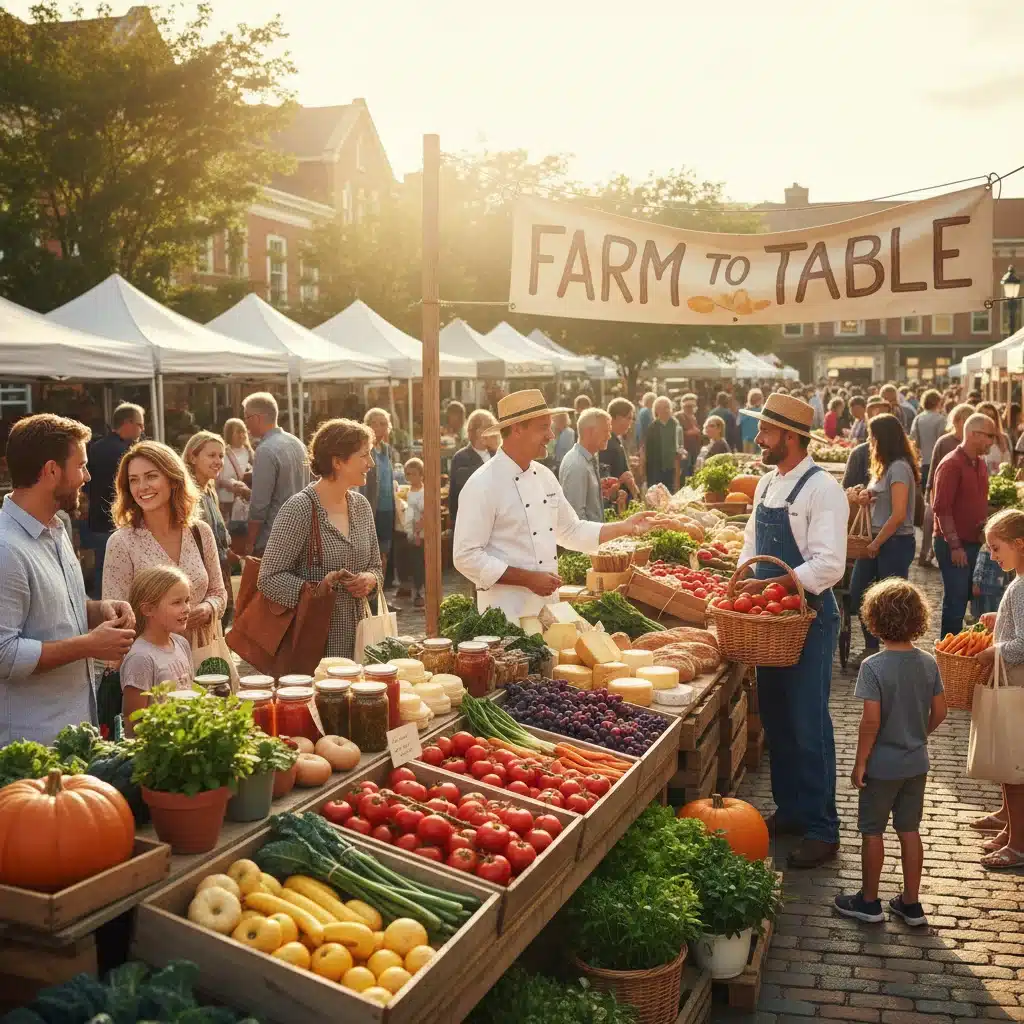
The farm-to-table movement, once considered a niche trend, has solidified its position as a cornerstone of American culinary movements in 2026. Its evolution into hyper-local sourcing emphasizes not just knowing where your food comes from, but knowing the specific farm, the farmer, and the story behind each ingredient. This movement is a direct response to a growing consumer demand for transparency, freshness, and a deeper connection to the food system.
The Philosophy Behind Hyper-Local
Hyper-local sourcing goes beyond simply buying local; it’s about building direct relationships between chefs, consumers, and producers within a very close geographical proximity. This often means ingredients travel mere miles, not hundreds or thousands, from their origin to the kitchen. The benefits are manifold: unparalleled freshness, reduced carbon footprint, support for local economies, and the preservation of agricultural diversity.
For chefs, hyper-local sourcing offers an exciting challenge and a unique opportunity. It necessitates a more seasonal and creative approach to menu development, as ingredients are dictated by what’s available from nearby farms. This often leads to innovative dishes that highlight the peak flavors of ingredients, fostering a sense of culinary adventure and authenticity. Restaurants proudly display the names of their farming partners, transforming meals into narratives of community and collaboration.
Cultural Significance: Reconnecting with Our Roots
The cultural impact of hyper-local sourcing is profound. In an increasingly globalized and industrialized food system, this movement offers a vital reconnection to the land and the origins of our sustenance. It fosters a sense of community, as farmers markets become hubs of social interaction and education. Consumers gain a greater understanding of agricultural practices, the challenges faced by farmers, and the true value of high-quality, sustainably produced food.
Moreover, hyper-localism is intrinsically linked to food sovereignty and resilience. By strengthening local food systems, communities become less reliant on distant supply chains, which can be vulnerable to disruptions. This focus on local production also encourages the cultivation of heirloom varieties and traditional crops, preserving biodiversity and culinary heritage that might otherwise be lost. It’s a movement that celebrates regional identity and the unique flavors that specific microclimates and soils can produce.
The farm-to-table ethos, amplified by hyper-local sourcing, is not just about eating; it’s about making conscious choices that support ethical practices, environmental stewardship, and the vitality of local communities. It’s a culinary movement that champions quality over quantity, connection over convenience, and sustainability over industrial efficiency, making it one of the most impactful American culinary movements of our time.
2. The Dynamic Evolution of Global Fusion Cuisine
American cuisine has always been a melting pot of cultures, but in 2026, global fusion has evolved beyond simple mash-ups to become a sophisticated and intentional art form. This movement is characterized by a deep respect for diverse culinary traditions, a thoughtful approach to combining flavors and techniques, and a desire to create truly innovative and harmonious dishes. It’s one of the most exciting American culinary movements, reflecting the nation’s diverse demographics and an increasingly interconnected world.
Beyond the Basics: Intentional Fusion
Modern global fusion is far more nuanced than its predecessors. Instead of merely throwing disparate ingredients together, today’s chefs are culinary anthropologists, studying the historical, cultural, and scientific aspects of different foodways. They seek to understand the core principles of various cuisines – the balance of sweet, sour, salty, bitter, and umami; the interplay of textures; the traditional cooking methods – and then creatively blend them.
Examples abound: a perfectly executed Korean BBQ taco that marries the savory depth of gochujang-marinated meats with the crisp freshness of Mexican salsa; an Italian pasta dish infused with Japanese umami through miso or dashi; or a classic American burger reimagined with Middle Eastern spices and a tahini-yogurt sauce. The key is not to erase identities but to create new, compelling dialogues between them. This requires skill, sensitivity, and a profound understanding of flavor profiles.
Cultural Significance: A Culinary Dialogue
The cultural impact of global fusion cuisine is immense. It serves as a powerful metaphor for America itself – a nation built on immigration and the blending of diverse cultures. Food, in this context, becomes a universal language, allowing people to explore and appreciate different traditions without leaving their local community. It breaks down culinary barriers and fosters a sense of global citizenship.
Global fusion also plays a crucial role in validating and celebrating immigrant cultures. When traditional dishes from various countries are elevated and creatively integrated into mainstream dining, it signals acceptance and appreciation. It provides a platform for chefs from diverse backgrounds to showcase their heritage in innovative ways, contributing to a richer and more inclusive culinary narrative. This movement encourages diners to be adventurous, to step outside their comfort zones, and to experience the world through their taste buds, making it a truly transformative force among American culinary movements.
3. The Rise of Sustainable Dining and Zero-Waste Practices
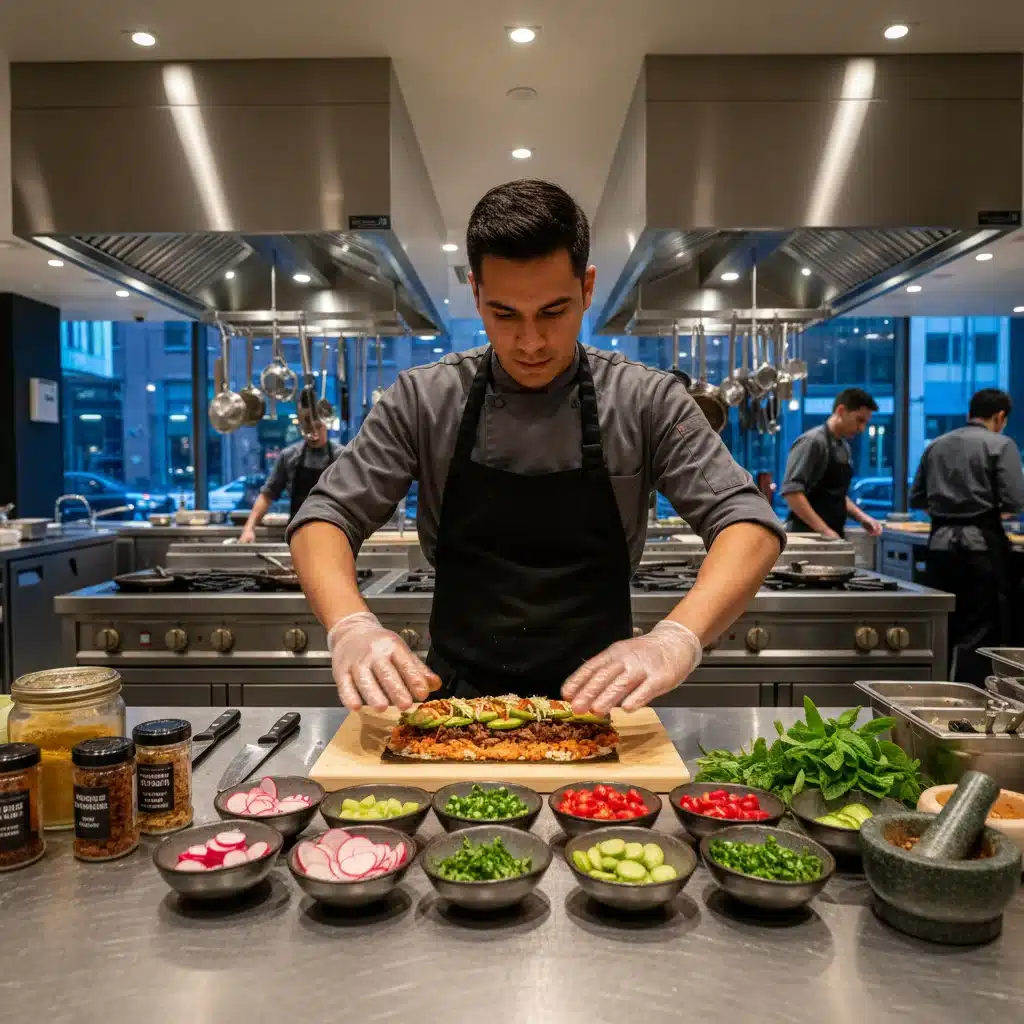
Sustainability is no longer a buzzword; it’s an imperative for the American culinary movements of 2026. This movement encompasses a holistic approach to food, from responsible sourcing to waste reduction, aiming to minimize environmental impact and promote ethical practices across the entire food chain. Zero-waste kitchens, once a radical concept, are becoming the gold standard, reflecting a deep commitment to planetary health.
From Plate to Planet: A Holistic Approach
Sustainable dining involves a multitude of practices. It begins with sourcing ingredients that are not only local and seasonal (as discussed in hyper-local sourcing) but also produced using environmentally friendly methods, such as organic farming, regenerative agriculture, and ethical animal husbandry. Restaurants are increasingly scrutinizing their supply chains to ensure fair labor practices and minimize ecological damage.
The concept of a zero-waste kitchen is central to this movement. Chefs are rethinking every aspect of food preparation to maximize ingredient utility and minimize what ends up in landfills. This includes creative uses for typically discarded parts of vegetables (e.g., broccoli stems in pesto, carrot tops in chimichurri), making stocks and sauces from trimmings, and even fermenting scraps to create new flavor components. Composting food waste, recycling packaging, and reducing water and energy consumption are also integral components.
Beyond the kitchen, sustainable dining extends to the front of the house, with efforts to reduce single-use plastics, offer filtered tap water instead of bottled, and even design dining spaces with recycled or sustainably sourced materials. Consumer education is also key, with menus often highlighting sustainable practices and ingredient origins, empowering diners to make informed choices.
Cultural Significance: Environmental Stewardship on the Menu
The cultural significance of sustainable dining cannot be overstated. It represents a collective shift in consciousness, recognizing that our food choices have far-reaching consequences beyond our immediate health. It instills a sense of environmental stewardship, encouraging diners and industry professionals alike to consider the ecological footprint of their meals.
This movement is also driving innovation in food technology and agricultural practices. It fosters a demand for plant-based proteins, alternative seafood options, and lab-grown meats, all designed to offer more sustainable alternatives to traditional animal agriculture. By prioritizing sustainability, these American culinary movements are not just changing what we eat, but how we think about our planet and our role in its preservation. It’s about creating a food system that is resilient, equitable, and nourishing for both people and the earth.
4. The Flourishing World of Plant-Forward Cuisine
Plant-forward cuisine has moved far beyond its vegetarian and vegan roots to become a dominant force in American culinary movements in 2026. This approach emphasizes plants – fruits, vegetables, grains, legumes, nuts, and seeds – as the stars of the plate, with animal products playing a secondary or entirely absent role. It’s driven by a confluence of health consciousness, environmental concerns, and a growing appreciation for the diverse flavors and textures that the plant kingdom offers.
Beyond Substitutes: Celebrating Plants
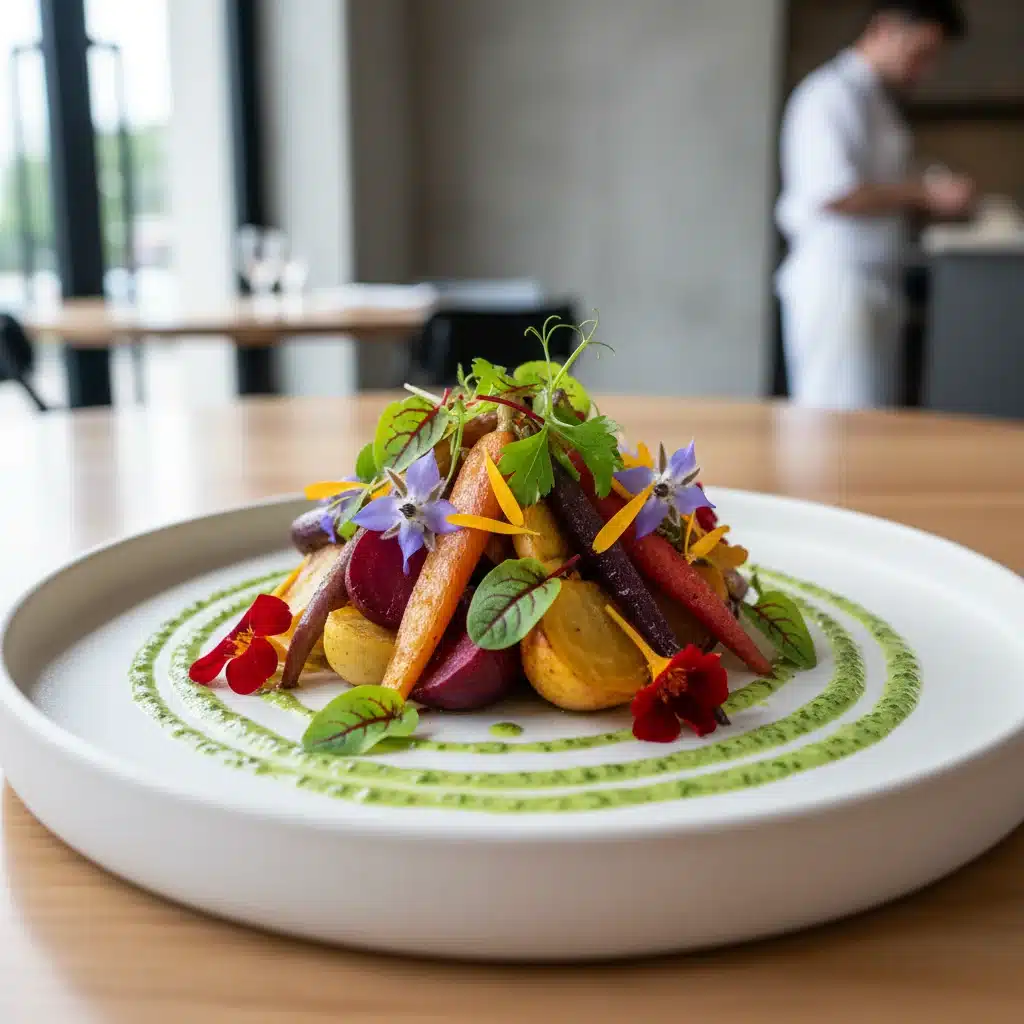
Unlike earlier iterations of plant-based eating that often focused on replicating meat dishes with substitutes, modern plant-forward cuisine celebrates the inherent deliciousness and versatility of vegetables, fruits, and grains. Chefs are employing sophisticated culinary techniques to elevate plant ingredients, transforming them into dishes that are rich in umami, texture, and visual appeal.
Think roasted cauliflower steaks with complex spice blends, mushroom ‘scallops’ seared to perfection, innovative grain bowls bursting with fresh herbs and fermented vegetables, or desserts crafted from fruits and nuts without relying on dairy or eggs. The focus is on creativity and flavor development, showcasing how plants can be incredibly satisfying and gourmet in their own right. This movement is also fueling the innovation in plant-based proteins, with a new generation of products that are more delicious, nutritious, and sustainable than ever before.
Cultural Significance: Health, Ethics, and Innovation
The cultural significance of plant-forward cuisine is multifaceted. On a health front, it aligns with growing scientific evidence touting the benefits of a diet rich in plants for preventing chronic diseases and promoting longevity. As Americans become more health-conscious, plant-forward options provide delicious and accessible ways to improve dietary habits.
Ethically, this movement resonates with consumers concerned about animal welfare and the environmental impact of industrial animal agriculture. By reducing reliance on meat and dairy, plant-forward dining offers a tangible way for individuals to contribute to a more compassionate and sustainable food system. It’s a movement that encourages mindful eating and a deeper consideration of the journey of our food.
Furthermore, plant-forward cuisine is a hotbed of culinary innovation. It challenges chefs to think outside the box, experiment with new ingredients and techniques, and redefine what constitutes a satisfying meal. This creativity is pushing the boundaries of taste and texture, demonstrating that deliciousness knows no bounds, making it one of the most dynamic American culinary movements today.
The Interconnected Future of American Culinary Movements
While we’ve discussed these four American culinary movements as distinct entities, it’s important to recognize their profound interconnectedness. Hyper-local sourcing naturally feeds into sustainable dining, as shorter supply chains reduce environmental impact. Plant-forward cuisine often utilizes hyper-local and sustainably farmed produce, while global fusion can introduce new plant-based ingredients and techniques. These movements are not isolated silos but rather complementary forces shaping a more conscious, diverse, and responsible food culture.
The synergy between these trends is creating a dynamic ecosystem where innovation thrives. Chefs are increasingly looking for ways to integrate all these principles into their menus, offering dishes that are locally sourced, plant-forward, globally inspired, and produced with minimal waste. This holistic approach is redefining the very essence of American gastronomy, moving it towards a future that is not only delicious but also ethical, sustainable, and culturally rich.
Challenges and Opportunities
Of course, these American culinary movements are not without their challenges. Scaling hyper-local sourcing to meet large demands, ensuring the affordability of sustainable and ethically produced food, and educating consumers about the benefits of plant-forward options are ongoing efforts. However, these challenges also present immense opportunities for innovation in agriculture, food technology, and culinary education.
The growing consumer awareness and demand for these types of dining experiences are powerful drivers for change. As more people seek out transparent, sustainable, and culturally rich food options, the market responds, leading to greater accessibility and affordability over time. This creates a virtuous cycle where consumer choices drive industry change, which in turn further informs and empowers consumers.
Conclusion: A Taste of Tomorrow
The American culinary movements of 2026 paint a compelling picture of a food culture that is more thoughtful, adventurous, and responsible than ever before. From the intimate connection of hyper-local farms to the expansive flavors of global fusion, and from the ecological imperative of sustainable dining to the vibrant world of plant-forward cuisine, these trends are not just changing what we eat; they are transforming who we are as a society.
These movements reflect a collective desire for authenticity, health, and a deeper connection to our food and the planet. They encourage us to ask questions, to appreciate the journey of our ingredients, and to celebrate the rich tapestry of flavors that make up American cuisine. As these trends continue to evolve and intertwine, they promise a future where dining is not just a necessity, but a profound cultural experience – one that nourishes our bodies, our communities, and our world.
Embracing these culinary shifts means embracing a more sustainable, diverse, and delicious future. Whether you are a chef, a home cook, a diner, or simply someone who cares about where their food comes from, understanding these American culinary movements is key to appreciating the evolving story of food in America.