The 2026 Shift: Reshaping American Weekend Leisure Trends with Digital Disconnect
The 2026 Shift: How New American Leisure Trends are Reshaping Weekend Culture, with 15% More Digital Disconnect
The landscape of American leisure is in constant flux, but by 2026, we are witnessing a particularly profound transformation. A significant shift is underway, characterized by a deliberate and widespread digital disconnect, fundamentally reshaping how Americans spend their precious weekend hours. This isn’t merely a fleeting trend; it’s a foundational re-evaluation of values, priorities, and the very essence of relaxation and rejuvenation. The relentless pace of modern life, exacerbated by constant digital connectivity, has led to a collective yearning for authenticity, presence, and genuine human connection. As a result, the American Leisure Trends of 2026 are marked by a conscious effort to step away from screens and embrace experiences that enrich the mind, body, and soul in more tangible ways. This article delves into the multifaceted aspects of this evolving culture, exploring the driving forces behind the digital disconnect, the emerging preferences for experiential leisure, and the long-term implications for individuals and society.
For years, weekends have been synonymous with catching up on digital content, scrolling through social media feeds, or binge-watching the latest series. While these activities still hold a place, a growing segment of the population is actively seeking alternatives. Data suggests a notable increase, estimated at around 15%, in individuals consciously opting for periods of digital detox during their weekend leisure time. This isn’t just about turning off notifications; it’s about intentionally creating spaces and activities that are incompatible with constant digital engagement, thereby fostering a deeper, more immersive experience. This burgeoning desire for digital freedom is a cornerstone of the new American Leisure Trends.
The Digital Disconnect: A Conscious Choice for Well-being
The concept of a digital disconnect has moved from a niche practice to a mainstream aspiration. The constant barrage of information, the pressure to be always-on, and the comparison culture fostered by social media have taken a toll on mental health and overall well-being. By 2026, more Americans are recognizing the detrimental effects of excessive screen time and are actively seeking to reclaim their cognitive space. This conscious choice is driven by several factors:
- Mental Health Awareness: A heightened understanding of how digital overload contributes to stress, anxiety, and burnout. Weekends are increasingly seen as a crucial time for mental recalibration.
- Desire for Presence: A yearning to be fully present in the moment, whether with loved ones, in nature, or during a hobby, rather than being distracted by notifications or the urge to document everything.
- Authenticity over Performance: A shift away from curating an online persona and towards experiencing life authentically, without the pressure of external validation.
- Improved Sleep Quality: Recognizing the impact of blue light and digital stimulation on sleep, many are opting for screen-free evenings and mornings during their leisure time.
- Enhanced Relationships: Prioritizing face-to-face interactions and deeper conversations over superficial digital exchanges.
This deliberate digital disconnect is not about abandoning technology entirely, but rather about establishing healthier boundaries and integrating technology more mindfully into daily life. For weekend leisure, it translates into a greater embrace of activities that are inherently screen-free, fostering a deeper engagement with the real world. This fundamental shift is at the heart of the emerging American Leisure Trends.
Experiential Leisure: The New Gold Standard
With the digital shackles loosened, Americans are turning their attention to experiences that offer genuine enrichment and personal growth. The transactional nature of consumerism is giving way to a desire for meaningful engagement, learning, and connection. This emphasis on experiential leisure is a defining characteristic of the 2026 landscape.
Outdoor Adventures and Nature Immersion
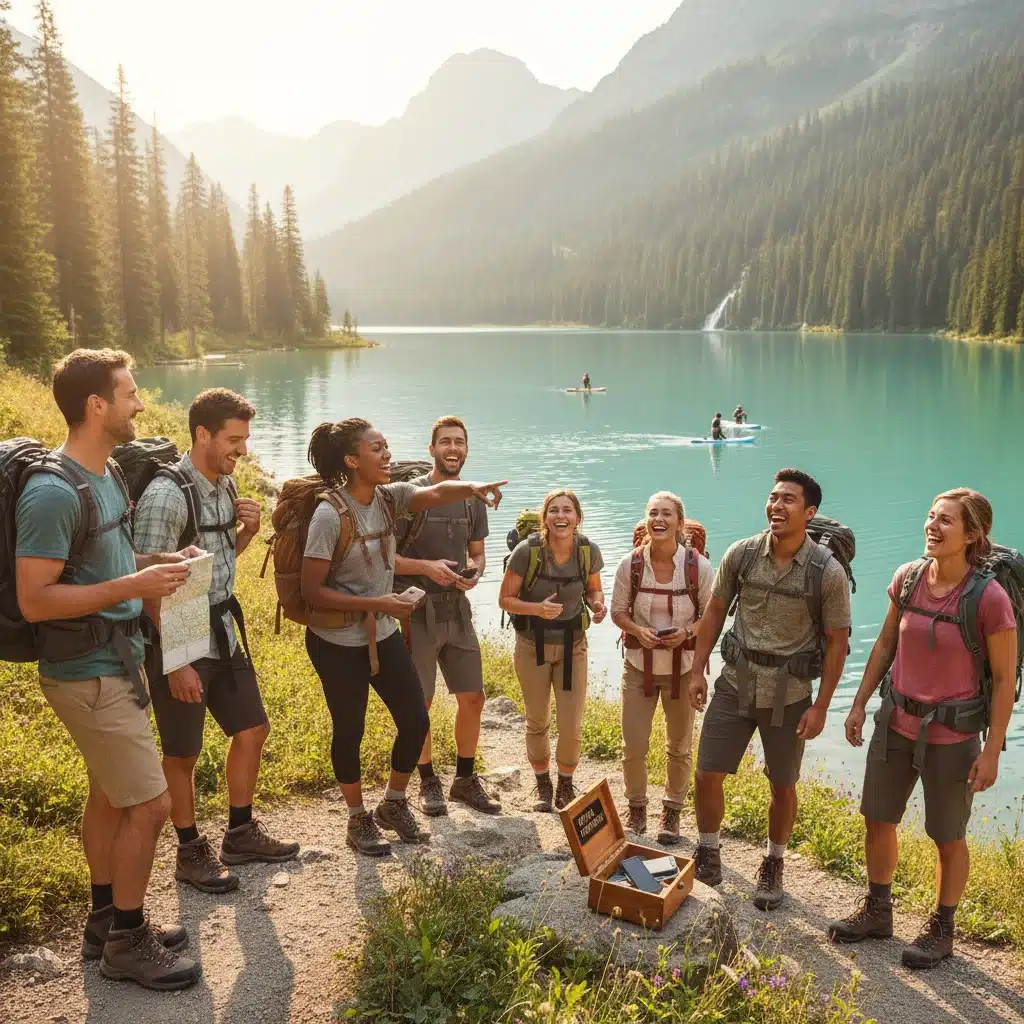
National parks, state parks, and local green spaces are experiencing a resurgence in popularity. Hiking, camping, kayaking, paddleboarding, and even simply picnicking in nature are becoming preferred weekend activities. The appeal lies in the opportunity to disconnect from urban stressors, breathe fresh air, and engage in physical activity that promotes both mental and physical well-being. This trend is fueled by a growing environmental consciousness and a desire to reconnect with the natural world, a core component of the evolving American Leisure Trends.
Creative Pursuits and Skill Development
Weekends are increasingly being dedicated to hobbies that offer a sense of accomplishment and creative expression. Pottery classes, painting workshops, woodworking, gardening, and learning a musical instrument are seeing increased participation. The focus is on the process of creation and the joy of mastering a new skill, rather than solely on the end product. This provides a tangible sense of achievement and a welcome break from the often-abstract demands of work life.
Wellness and Self-Care Retreats
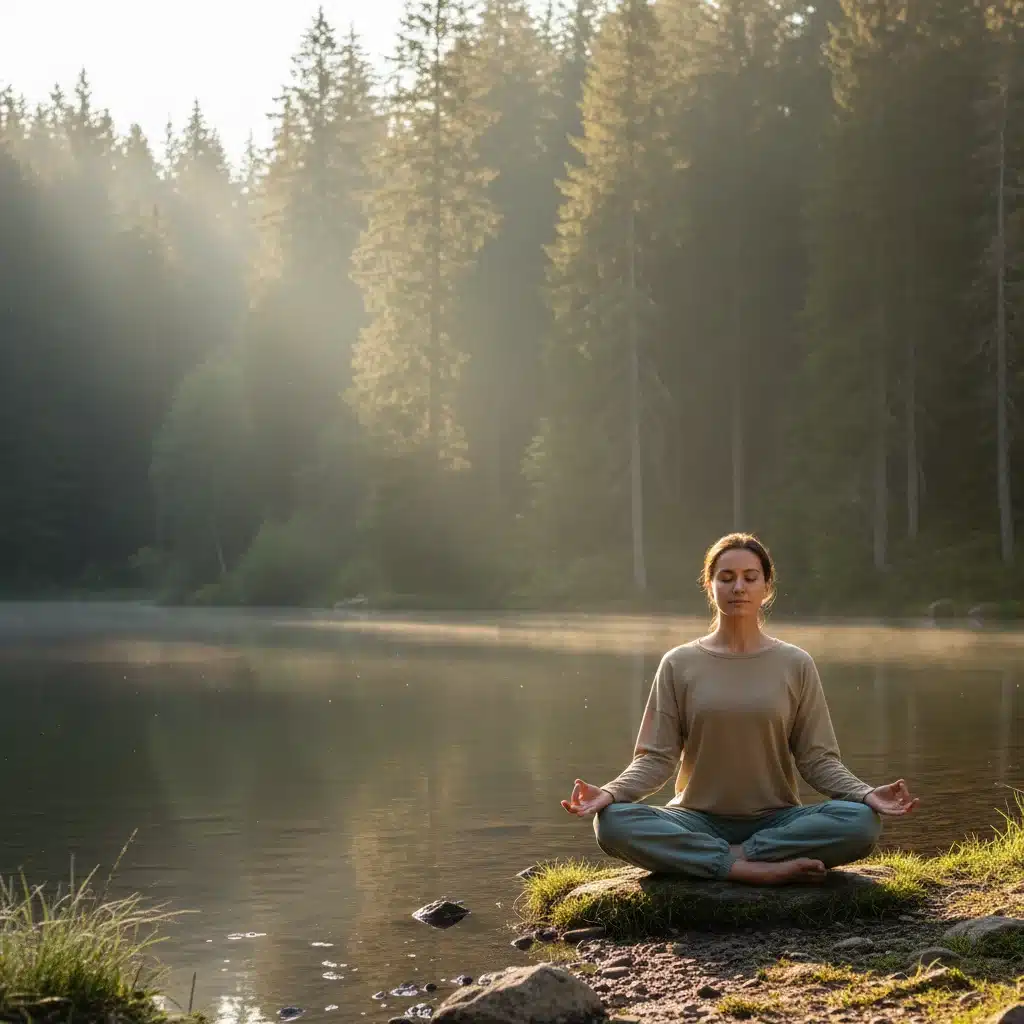
The wellness industry continues to expand, with weekend retreats dedicated to yoga, meditation, mindfulness, and holistic health gaining traction. These retreats offer structured environments for individuals to de-stress, recharge, and learn practices that support long-term well-being. From silent retreats to guided nature walks and healthy cooking classes, the options are diverse and cater to a wide range of preferences. This focus on self-improvement and holistic health is a significant driver in modern American Leisure Trends.
Local Exploration and Community Engagement
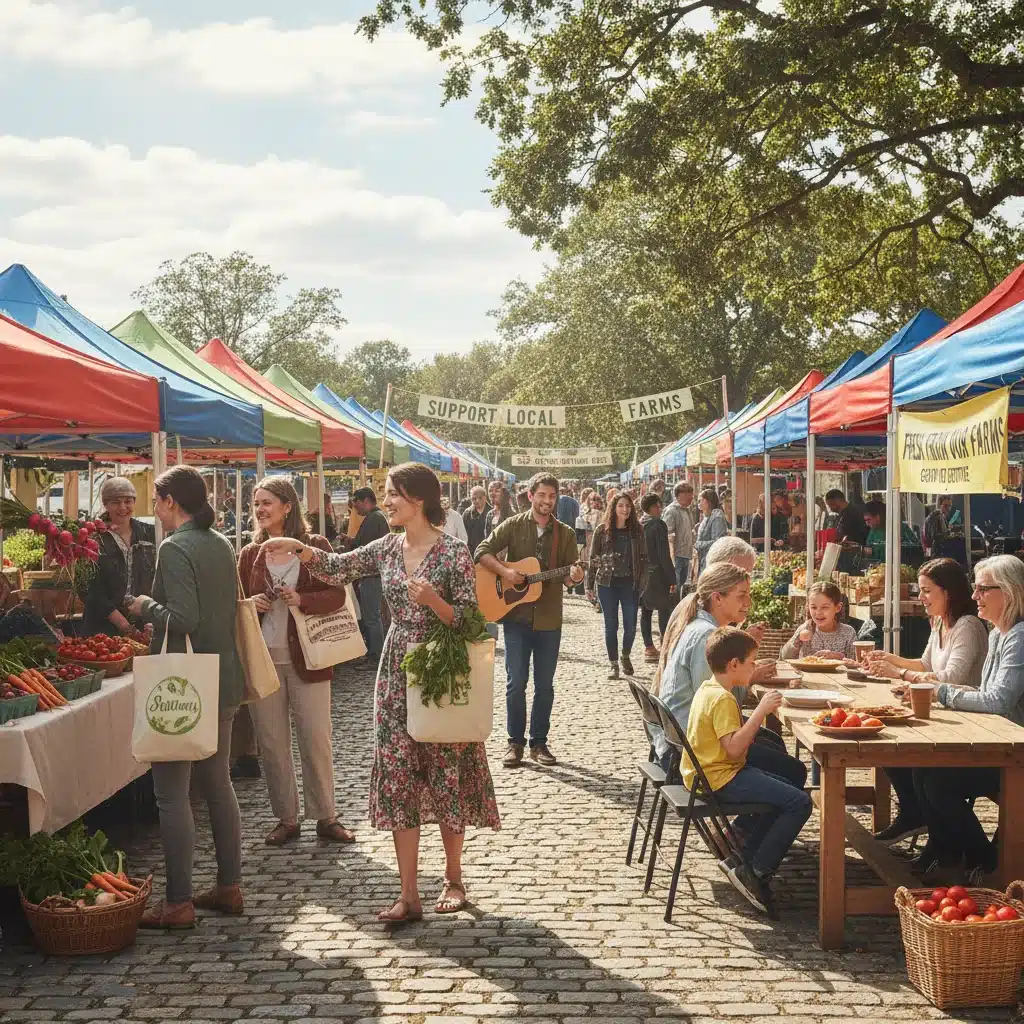
There’s a renewed appreciation for local communities and the unique experiences they offer. Exploring local markets, attending community festivals, volunteering for local causes, and supporting independent businesses are becoming popular weekend pastimes. This fosters a sense of belonging and contributes to the vibrancy of local economies. This hyper-local focus also aligns with sustainability efforts, as people opt for experiences closer to home, further shaping the American Leisure Trends.
The Economic and Social Impact of Shifting Leisure Patterns
The transformation in American Leisure Trends has significant economic and social ramifications. Businesses that cater to experiential and unplugged activities are thriving, while those heavily reliant on constant digital engagement may need to adapt their strategies. The rise of local tourism, for instance, is boosting small businesses and creating new opportunities in rural and suburban areas.
Boom in Experiential Businesses
Companies offering outdoor equipment rentals, guided adventure tours, craft workshops, and wellness services are experiencing substantial growth. This creates a ripple effect, supporting local artisans, instructors, and service providers. The demand for authentic, curated experiences is driving innovation in these sectors, leading to a richer and more diverse leisure market.
Reinvigorated Local Economies
As more Americans choose to explore their own backyards, local economies benefit from increased patronage of independent restaurants, boutiques, and cultural attractions. This shift also encourages investment in public spaces, parks, and community centers, making local areas more appealing for both residents and visitors. The focus on community and local engagement is a critical aspect of the current American Leisure Trends.
Strengthening Social Fabric
The digital disconnect, coupled with a focus on shared experiences, is contributing to a stronger social fabric. People are spending more quality time with family and friends, engaging in meaningful conversations, and building stronger community bonds. This can lead to reduced feelings of isolation and loneliness, fostering a more connected and supportive society. The emphasis on genuine human interaction is a vital element in the evolution of American Leisure Trends.
Challenges and Opportunities in the New Leisure Landscape
While the shift towards digital disconnect and experiential leisure offers numerous benefits, it also presents challenges and opportunities for various stakeholders. Understanding these dynamics is crucial for individuals, businesses, and policymakers alike.
Accessibility and Inclusivity
Ensuring that these new leisure opportunities are accessible to all segments of the population is a key challenge. Economic barriers, geographical limitations, and physical accessibility issues need to be addressed to ensure that the benefits of this shift are broadly distributed. Initiatives to provide affordable outdoor recreation, subsidized wellness programs, and accessible community events will be vital.
Balancing Digital and Analog
The goal is not to demonize technology but to find a healthy balance. Educating individuals on mindful technology use and providing tools for digital detox can help people integrate both digital and analog experiences into their lives in a way that promotes well-being. The evolving American Leisure Trends are about intentionality, not outright rejection.
Innovation in Leisure Offerings
Businesses have an opportunity to innovate and cater to the growing demand for authentic, unplugged experiences. This could involve creating unique outdoor adventure packages, developing immersive cultural workshops, or designing wellness retreats that blend traditional practices with modern approaches. The key is to offer value that goes beyond superficial entertainment and provides genuine enrichment.
Policy and Urban Planning
Governments and urban planners play a crucial role in supporting these new American Leisure Trends. Investing in public parks, green infrastructure, community centers, and accessible transportation to natural areas can facilitate greater participation in experiential leisure. Policies that encourage local businesses and foster community events will also contribute to a more vibrant and engaging leisure landscape.
The Future of Weekends: More Mindful, More Meaningful
By 2026, the American weekend is evolving into a more intentional and enriching experience. The conscious digital disconnect is not a fleeting fad but a fundamental re-evaluation of how individuals choose to spend their non-working hours. The focus is shifting from passive consumption to active engagement, from virtual connections to real-world interactions, and from constant stimulation to periods of mindful reflection. This transformation in American Leisure Trends signifies a collective desire for a more balanced, fulfilling, and authentic life.
As we move further into this new era, we can anticipate a continued emphasis on personal growth, environmental stewardship, and community building through leisure. The businesses and communities that recognize and adapt to these evolving preferences will be best positioned to thrive. Ultimately, the 2026 shift in American leisure is about reclaiming time, reconnecting with oneself and others, and finding deeper meaning in the everyday, one unplugged weekend at a time. The pursuit of genuine well-being and a more present existence will continue to define the essence of American Leisure Trends for years to come.
The implications of this shift extend beyond individual weekends, influencing broader societal values regarding work-life balance, community investment, and the role of technology in our lives. As more people embrace this conscious disconnect, we may see a positive feedback loop where the demand for such experiences drives further innovation and accessibility, making mindful leisure a more ingrained part of the American way of life. The future of leisure is not just about what we do, but how we choose to be.