Circular Economy US: Top 4 Initiatives for 2026
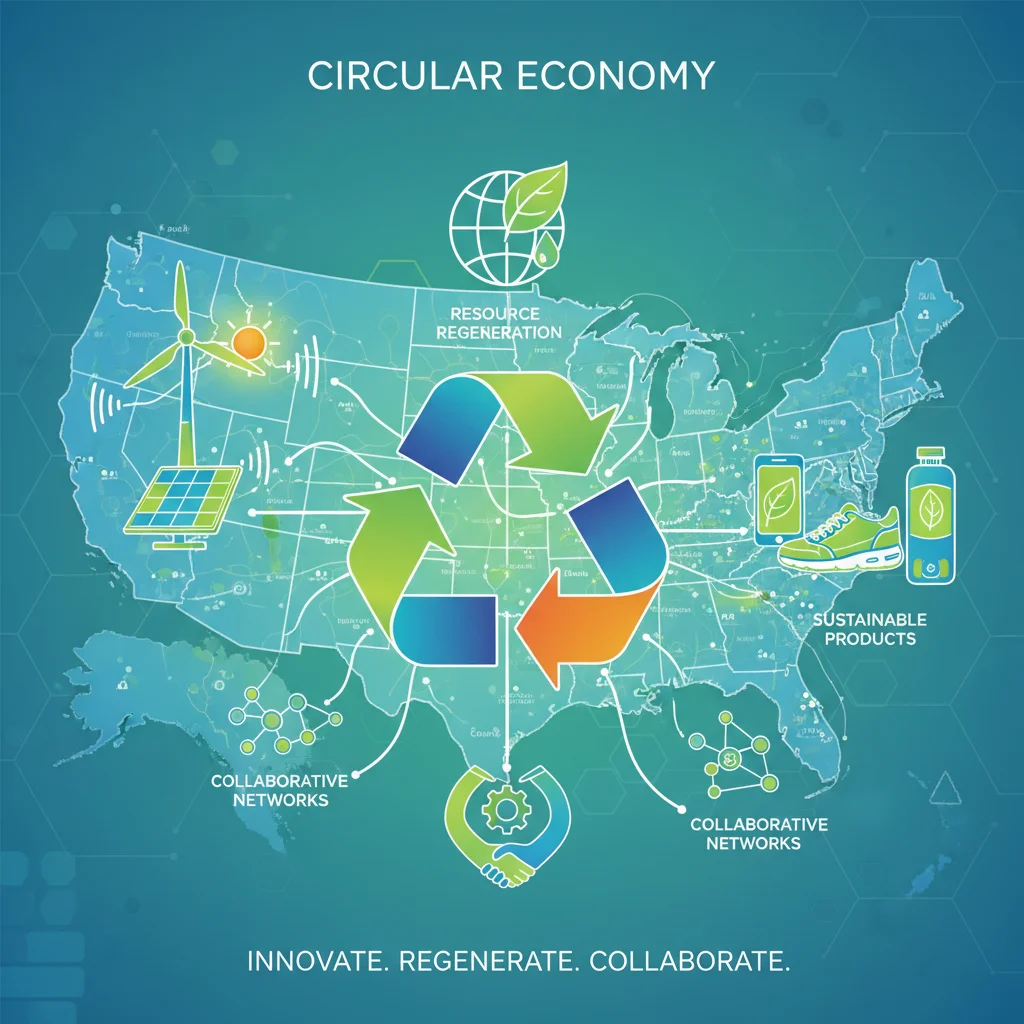
The Circular Economy in Practice: 4 US Initiatives Gaining Traction in Early 2026
The concept of a linear economy – take, make, dispose – is rapidly becoming obsolete. As environmental concerns escalate and resource scarcity becomes a pressing reality, the paradigm shift towards a circular economy is not just a theoretical discussion but a tangible movement gaining significant momentum worldwide. In the United States, early 2026 is witnessing a surge of innovative initiatives that are transforming industries, fostering sustainability, and redefining our relationship with resources. These pioneering programs are not merely incremental changes; they represent a fundamental reimagining of production, consumption, and waste management. Understanding these key developments in the circular economy US landscape is crucial for businesses, policymakers, and consumers alike who are committed to building a more resilient and sustainable future.
The transition to a circular economy is multifaceted, encompassing everything from product design and manufacturing processes to consumption patterns and end-of-life solutions. It’s about keeping resources in use for as long as possible, extracting the maximum value from them while in use, then recovering and regenerating products and materials at the end of each service life. This approach minimizes waste, reduces pollution, and lessens our reliance on virgin materials, offering a powerful antidote to the environmental degradation and resource depletion caused by traditional economic models.
The US, with its vast economic landscape and diverse industrial sectors, presents both unique challenges and unparalleled opportunities for circular economy implementation. From state-level policies to corporate commitments and grassroots movements, a mosaic of efforts is converging to accelerate this transition. This article will delve into four particularly impactful US circular economy initiatives that are poised to make significant strides in early 2026, showcasing the innovation and dedication driving this crucial shift.
1. Advanced Materials Recovery and Recycling Infrastructure Development
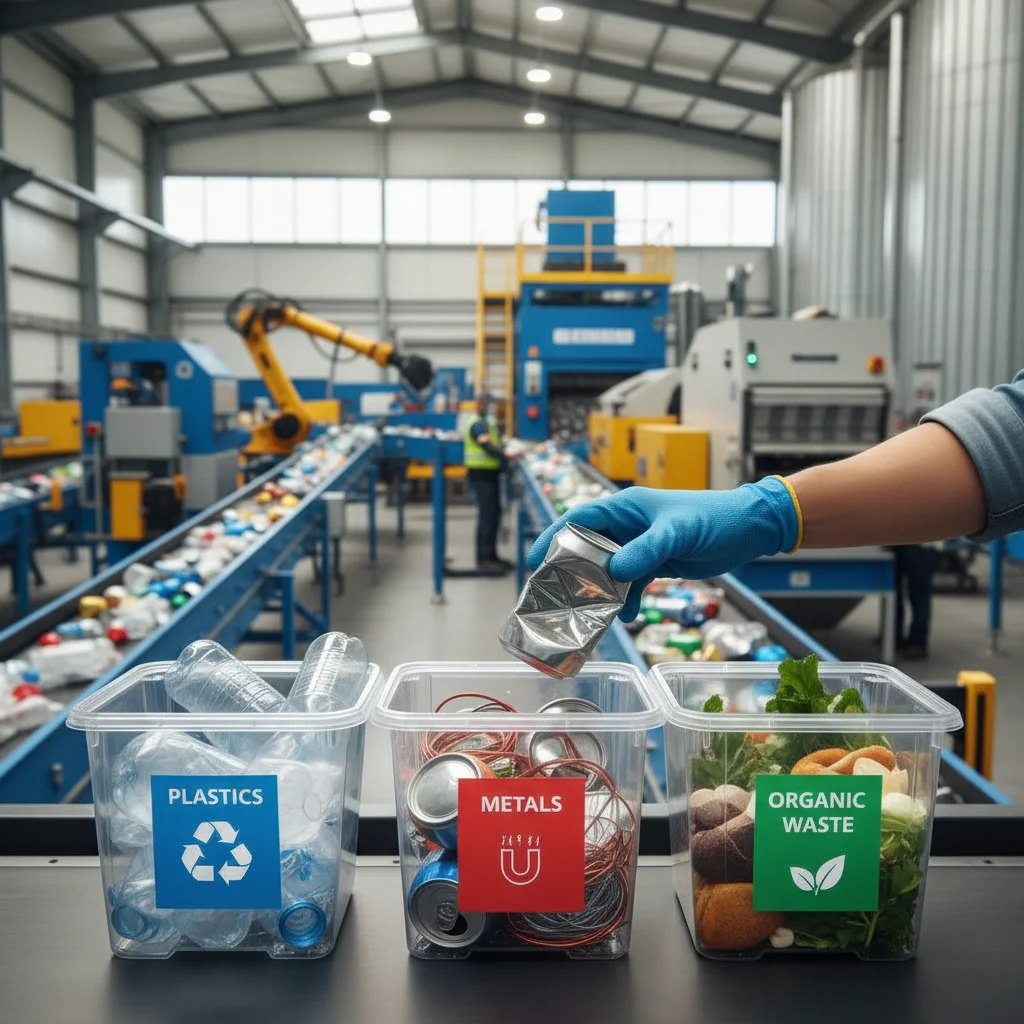
One of the foundational pillars of the circular economy US is robust infrastructure for materials recovery and recycling. While the US has a long history of recycling, the current systems often fall short of true circularity, struggling with contamination, limited processing capabilities for complex materials, and a lack of market demand for recycled content. Recognizing these challenges, several ambitious initiatives are focusing on upgrading and expanding the nation’s materials recovery infrastructure, particularly for hard-to-recycle items and advanced materials.
In early 2026, a significant initiative gaining traction is the ‘National Advanced Materials Circularity Hub’ (NAMCH) program, a collaborative effort between federal agencies, leading universities, and private industry. This program aims to establish regional hubs equipped with cutting-edge technologies for sorting, processing, and valorizing a wider array of materials, including advanced plastics, composites, and critical minerals from electronic waste. The NAMCH program is not just about traditional recycling; it’s about developing innovative chemical recycling processes, advanced mechanical recycling techniques, and even biological methods to break down materials into their constituent components, allowing them to be re-entered into high-value manufacturing streams. The goal is to move beyond downcycling and achieve true ‘upcycling’ where recycled materials retain or even gain value.
A key aspect of NAMCH is its focus on creating demand for recycled content. By bringing together material scientists, product designers, and manufacturers, the hubs are facilitating the co-development of new products that are inherently designed for disassembly and made with high percentages of recycled content. This integrated approach addresses both the supply and demand sides of the circular materials equation, ensuring that recovered materials have a clear path back into the economy. Early successes in pilot regions have shown promising results, with significant reductions in landfill waste and the creation of new green jobs in the processing and manufacturing sectors. This initiative is a game-changer for enhancing the overall efficiency and effectiveness of the circular economy US.
Furthermore, the NAMCH program is investing heavily in data analytics and artificial intelligence to optimize material flows. Sensors and AI-driven sorting machines are becoming standard in these new facilities, dramatically improving the purity and quality of recovered materials. This technological advancement is critical for meeting the stringent quality requirements of modern manufacturing and for unlocking the full economic potential of recycled resources. The program also includes extensive training and workforce development components, ensuring that the necessary skills are available to operate and maintain these advanced facilities. This holistic approach to infrastructure development is setting a new standard for materials management in the US, laying a solid foundation for a more circular future.
2. Extended Producer Responsibility (EPR) Schemes for Packaging and Electronics
Extended Producer Responsibility (EPR) is a policy approach in which producers are given a significant responsibility – financial and/or physical – for the treatment or disposal of post-consumer products. In the context of the circular economy US, EPR schemes are gaining considerable traction, particularly for packaging and electronics, as a powerful mechanism to shift the burden of waste management from municipalities to manufacturers, thereby incentivizing more sustainable product design.
Early 2026 sees several states implementing or significantly expanding comprehensive EPR programs. For packaging, these schemes typically require producers to fund or operate collection, sorting, and recycling systems for the packaging they introduce to the market. This financial incentive encourages companies to design packaging that is easily recyclable, uses recycled content, and minimizes material use. States like Oregon, Maine, and California have been at the forefront of this movement, and their successful implementations are inspiring other states to follow suit. The new generation of EPR laws often includes performance targets, requiring producers to meet specific recycling rates and use minimum amounts of post-consumer recycled content, pushing the industry towards greater circularity.
For electronics (e-waste), EPR has been a critical tool for managing hazardous materials and recovering valuable components. While many states already have some form of e-waste EPR, the initiatives gaining traction in early 2026 are focusing on enhancing collection accessibility, improving data transparency, and promoting repair and refurbishment. New legislation is mandating ‘right to repair’ provisions, making it easier for consumers and independent repair shops to fix electronic devices, thereby extending their lifespan and reducing the volume of e-waste. This shift from ‘take-back’ to ‘repair and reuse’ is a significant step towards a more robust circular economy US for electronics.
The impact of these expanded EPR schemes is profound. They are fostering a culture of design for circularity, where manufacturers consider the entire lifecycle of their products from the outset. Companies are investing in research and development to create more durable, repairable, and recyclable products. Furthermore, EPR programs are stimulating investment in recycling infrastructure by providing a stable funding mechanism, leading to more efficient and effective collection and processing systems. The harmonization of EPR policies across states, though challenging, is also a growing area of focus, aiming to create a more consistent and predictable regulatory environment for businesses operating nationally. This policy-driven approach is fundamental to embedding circular principles deeply within the US industrial fabric.
3. Circular Business Models in the Textile and Apparel Industry
The textile and apparel industry is notoriously linear, characterized by rapid consumption, short product lifecycles, and significant waste generation. However, the circular economy US is making significant inroads into this sector, driven by consumer demand for sustainability and innovative business models. Early 2026 highlights several initiatives that are fundamentally reshaping how clothing and textiles are produced, consumed, and managed at their end-of-life.
One prominent trend is the rise of ‘product-as-a-service’ models. Instead of buying clothes, consumers can lease or subscribe to wardrobes, with brands taking responsibility for maintenance, repair, and end-of-life processing. Companies like Rent the Runway and Nuuly have pioneered this model, and in 2026, we are seeing major traditional retailers and luxury brands entering this space, offering subscription boxes and rental services for everyday wear and special occasions. This not only reduces the need for new production but also encourages higher quality, more durable garments that can withstand multiple uses.
Another powerful initiative is the widespread adoption of take-back and resale programs by major apparel brands. Brands are actively encouraging customers to return used clothing, which is then sorted for resale, repair, or recycling. Companies like Patagonia, Eileen Fisher, and The North Face have robust take-back programs, and in 2026, many more brands are integrating these services directly into their retail operations, both online and in brick-and-mortar stores. This creates a secondary market for clothing, extending product lifespans and diverting textiles from landfills. The technology enabling these programs is also advancing, with sophisticated grading and authentication processes making it easier to manage large volumes of returned items.
Furthermore, innovations in textile-to-textile recycling are gaining momentum. While historically challenging, new technologies are allowing for the efficient breakdown of mixed fabric blends into reusable fibers. Initiatives are supporting the scaling of these technologies, with dedicated facilities being established to process post-consumer textile waste into new yarns and fabrics. This closes the loop on textile materials, significantly reducing the industry’s environmental footprint. The collaboration between textile manufacturers, recyclers, and fashion brands is crucial for the success of these initiatives, creating a truly circular ecosystem for apparel within the circular economy US framework. These efforts are not only good for the planet but also offer new revenue streams and enhance brand loyalty by aligning with consumer values.

4. Regional Food Waste Reduction and Valorization Programs
Food waste is a significant environmental and economic problem in the US, contributing to greenhouse gas emissions and wasting valuable resources. Addressing food waste is a critical component of the circular economy US agenda, and early 2026 is seeing a proliferation of innovative regional programs focused on reducing food waste and valorizing unavoidable food scraps. These initiatives are designed to keep food at its highest value for as long as possible, whether through redistribution, animal feed, or conversion into energy and nutrients.
One notable trend is the expansion of ‘food rescue’ networks. These networks connect food businesses (grocery stores, restaurants, caterers) with surplus edible food to food banks, shelters, and other charitable organizations. Leveraging technology, many of these initiatives use apps and online platforms to efficiently match available food with those in need, minimizing spoilage and maximizing impact. Federal and state policies are increasingly providing incentives and liability protections for food donation, further encouraging participation. The goal is to ensure that no edible food goes to waste, addressing both food insecurity and environmental impact simultaneously.
For unavoidable food scraps, a growing number of regions are investing in advanced organic waste processing infrastructure. This includes expanding municipal composting programs, both residential and commercial, and developing anaerobic digestion facilities. Anaerobic digestion breaks down organic waste in the absence of oxygen to produce biogas (a renewable energy source) and nutrient-rich digestate (a natural fertilizer). Early 2026 is marked by new partnerships between cities, agricultural communities, and energy companies to establish and scale these facilities, creating local circular loops where food waste from urban centers fuels rural farms and generates clean energy.
Furthermore, initiatives are focusing on upstream food waste prevention. This includes educational campaigns for consumers on meal planning and proper food storage, as well as working with food producers and retailers to optimize supply chains and reduce spoilage. Technologies like ‘ugly produce’ delivery services are also gaining traction, selling cosmetically imperfect but perfectly edible fruits and vegetables that might otherwise be discarded. These comprehensive regional programs demonstrate a holistic approach to food waste, transforming a significant problem into an opportunity for resource recovery, energy generation, and community benefit, thereby strengthening the circular economy US.
The Road Ahead for the Circular Economy US
The four initiatives highlighted above – advanced materials recovery, extended producer responsibility, circular textile models, and food waste valorization – represent just a snapshot of the dynamic and evolving landscape of the circular economy US in early 2026. What unites these efforts is a common commitment to moving beyond the linear ‘take-make-dispose’ model towards a system that values resources, minimizes waste, and fosters regeneration.
The transition is not without its challenges. It requires significant investment in new infrastructure, policy reform, technological innovation, and a fundamental shift in consumer behavior. However, the economic and environmental benefits are compelling. A circular economy can unlock new business opportunities, create green jobs, enhance resource security, and significantly reduce our ecological footprint. It offers a pathway to economic growth that is decoupled from virgin resource extraction and environmental degradation.
Looking forward, the success of the circular economy US will depend on continued collaboration across all sectors: government, industry, academia, and civil society. Policy frameworks that incentivize circular practices, such as tax breaks for recycled content or grants for circular innovation, will be crucial. Businesses must continue to embrace design for circularity, integrating principles of durability, repairability, and recyclability into every product and service. Consumers, in turn, have a vital role to play by supporting circular businesses, participating in collection programs, and adopting more sustainable consumption habits.
The momentum observed in early 2026 is a strong indicator that the US is increasingly serious about its circular transition. These initiatives are not isolated efforts but interconnected components of a larger vision for a sustainable and resilient economy. As these programs mature and new ones emerge, the US is poised to become a global leader in circular economy implementation, demonstrating how economic prosperity and environmental stewardship can go hand-in-hand. The journey to a fully circular economy is long, but with continued innovation and collective action, the future looks bright and resource-efficient.
Engaging with these initiatives, whether as a business looking to adopt circular practices, a policymaker seeking effective solutions, or a conscious consumer, is essential for accelerating this vital transformation. The shift to a circular economy is not just an environmental imperative; it is an economic opportunity and a pathway to a more sustainable and equitable future for all.