Interactive Art Experiences 2026: Immersive Engagement & Future Trends
In an era defined by rapid technological advancement and an insatiable desire for novel forms of engagement, the landscape of artistic expression is undergoing a profound transformation. We stand on the cusp of 2026, and the “Interactive Art Experiences” are no longer a niche curiosity but a mainstream phenomenon reshaping how audiences connect with art. This isn’t just about passive observation; it’s about active participation, shared creation, and deeply personal journeys within artistic realms. The fusion of art and technology has unlocked unprecedented opportunities, propelling us into a future where immersive experiences are not just expected but demanded, promising a doubling of engagement and a complete redefinition of the artistic encounter.
The rise of interactive art is more than a fleeting trend; it’s a fundamental shift in artistic philosophy. Traditionally, art has been a monologue, a statement from creator to observer. Interactive art, however, transforms this into a dialogue, a co-creation. Audiences are no longer mere spectators; they are participants, their actions influencing the artwork itself, making each encounter unique and profoundly personal. This evolution is driven by increasingly sophisticated technologies – from augmented and virtual reality to artificial intelligence and bio-responsive materials – that allow for seamless and intuitive interaction.
As we delve into the opportunities that 2026 presents, it becomes clear that “Interactive Art Experiences” are set to revolutionize not only galleries and museums but also public spaces, educational institutions, and even our homes. This article will explore the driving forces behind this revolution, the cutting-edge technologies enabling it, the profound impact on audience engagement, and the ethical considerations that come with such powerful creative tools. We will also cast an eye towards the future, envisioning how interactive art will continue to evolve and shape our cultural landscape.
The Evolution of Engagement: From Spectator to Participant
The journey from passive observation to active participation is at the heart of the interactive art movement. For centuries, art was a one-way street: the artist created, the audience consumed. While this model yielded countless masterpieces, it often left a gap in direct personal connection. The advent of “Interactive Art Experiences” bridges this gap, inviting the audience to step into the artwork, manipulate its elements, and become an integral part of its narrative.
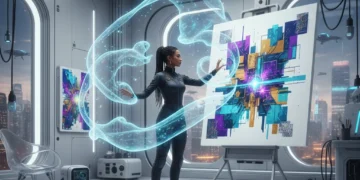
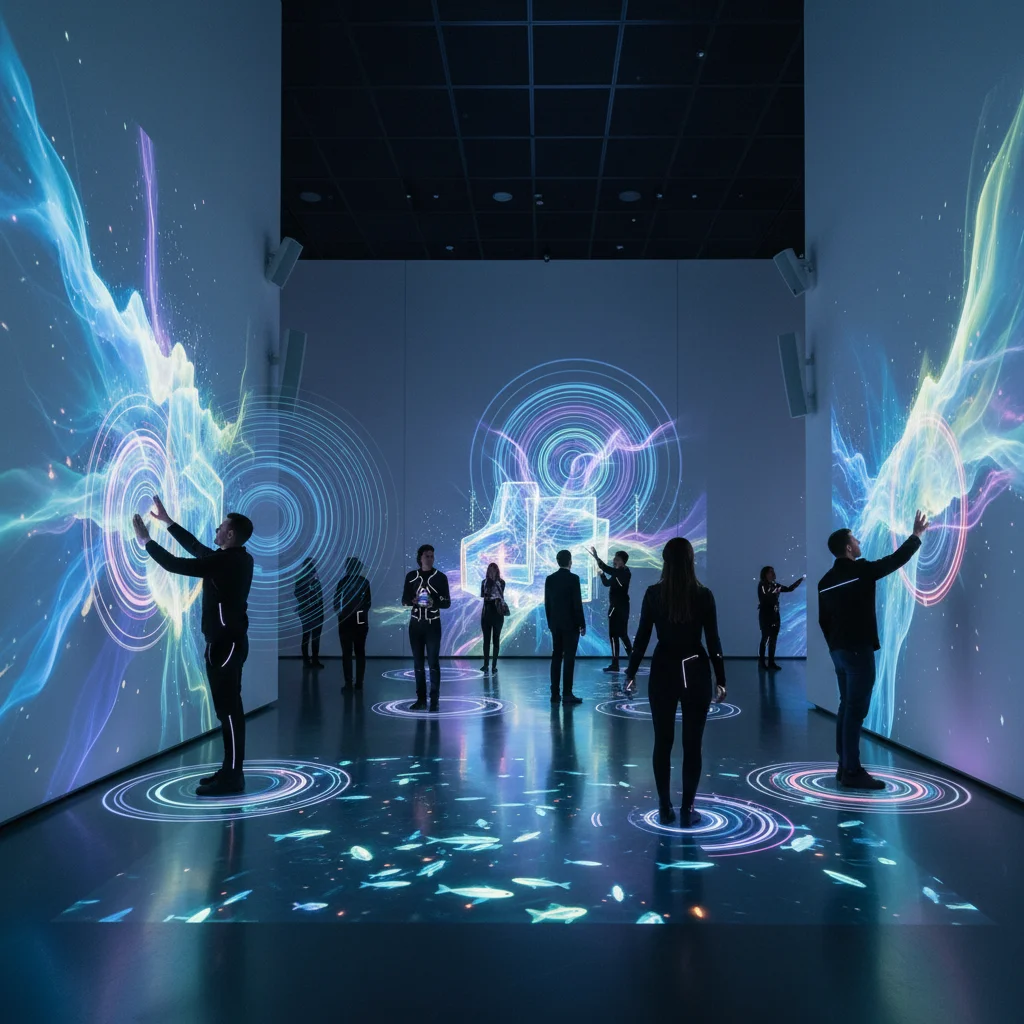
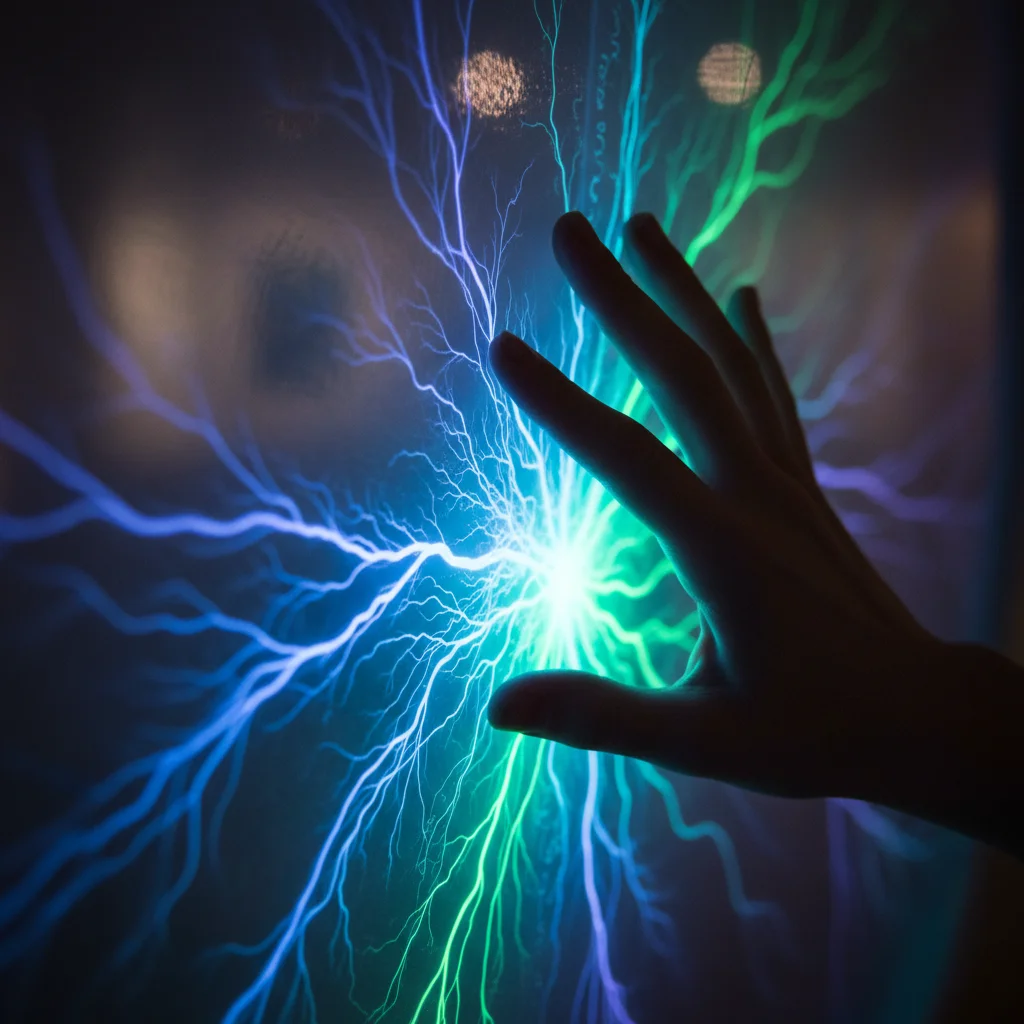
Consider the traditional museum visit. Visitors walk through halls, admire paintings, and read placards. While enriching, it’s a largely solitary and contemplative experience. Now, imagine walking into an exhibition where your footsteps trigger a symphony of sounds, where your shadow warps a projected image, or where your voice contributes to a collective digital sculpture. This is the promise of interactive art: a dynamic, responsive environment that reacts to your presence and input, making each visit a unique performance.
This shift isn’t merely about novelty; it’s about deepening engagement. When an audience member becomes a participant, their cognitive and emotional investment in the artwork skyrockets. They are no longer just looking at art; they are doing art. This active involvement fosters a sense of ownership and personal connection that traditional art forms often struggle to achieve. The memories created are not just visual; they are kinesthetic, auditory, and often deeply emotional, leading to more profound and lasting impact.
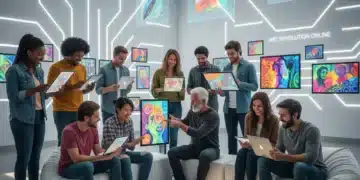
Furthermore, interactive art often encourages social interaction. Many installations are designed for multiple participants, fostering collaboration and shared discovery. Friends and strangers alike can work together to uncover hidden layers of an artwork, discuss their interpretations in real-time, and collectively shape the artistic outcome. This communal aspect adds another layer of richness to the “Interactive Art Experiences”, transforming individual encounters into shared cultural moments.
The metrics of engagement also reflect this change. In traditional art, engagement might be measured by viewership numbers or time spent in front of a piece. With interactive art, metrics can include the number of interactions, the duration of participation, the complexity of user-generated inputs, and even social media shares of personalized artistic outcomes. These quantifiable measures provide valuable insights into how audiences are truly connecting with the art, allowing creators to refine and enhance future experiences.
Technological Catalysts: Powering Immersive Experiences
The explosion of “Interactive Art Experiences” would not be possible without the remarkable advancements in technology. These innovations act as catalysts, transforming abstract artistic concepts into tangible, responsive realities. From the subtle nuances of haptic feedback to the expansive realms of virtual worlds, technology is the backbone of modern immersive art.
Augmented Reality (AR) and Virtual Reality (VR)
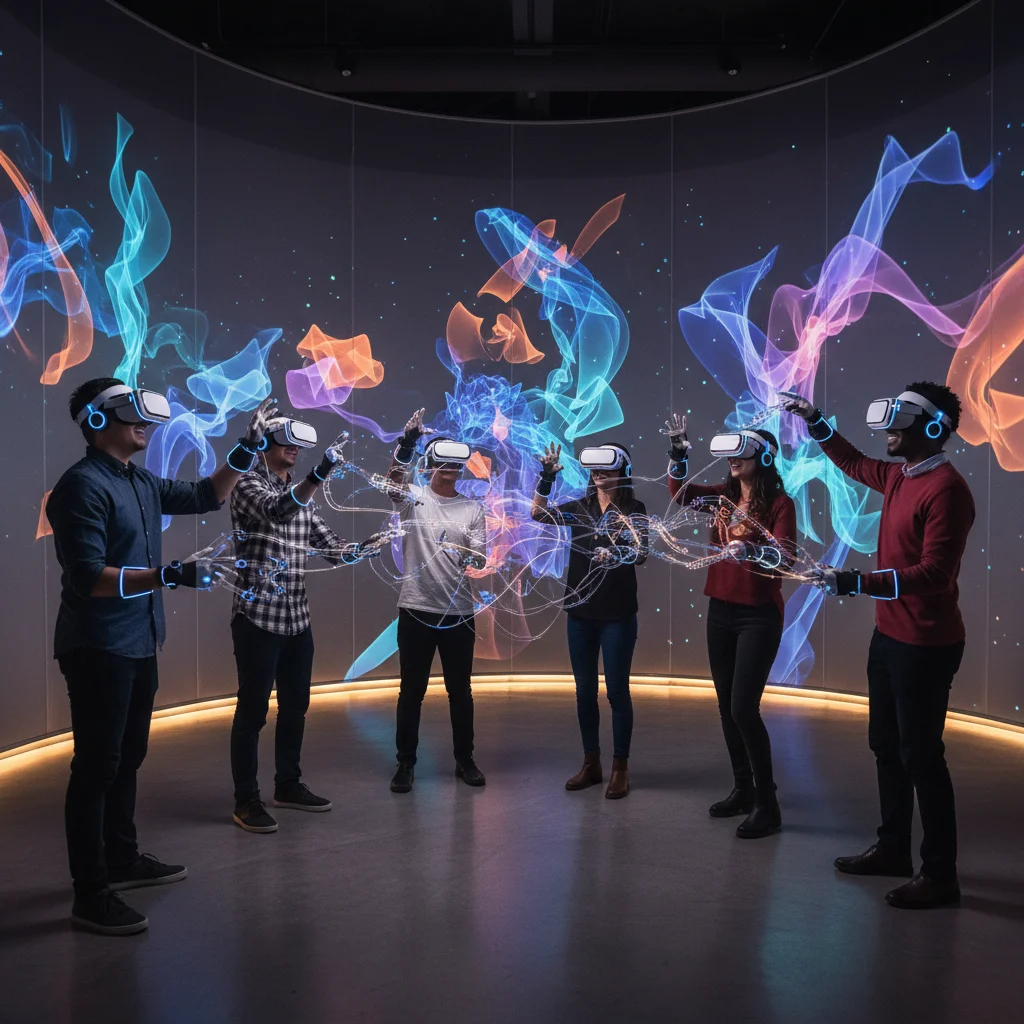
AR and VR are perhaps the most prominent technologies driving immersive art. VR transports users to entirely new, artist-created worlds, allowing them to navigate, interact with, and even influence digital environments. Imagine stepping into a painting and walking through its landscapes, or sculpting a digital form with your bare hands in a three-dimensional space.
AR, on the other hand, overlays digital content onto the real world. This can transform everyday spaces into dynamic canvases. A city street might become a stage for digital creatures, a park bench could host a virtual sculpture, or a historic building might reveal layers of its past through interactive projections viewable via a smartphone or specialized glasses. These technologies blur the lines between the physical and digital, creating hybrid realities for artistic expression.
Artificial Intelligence (AI) and Machine Learning (ML)
AI and ML are bringing a new level of intelligence and responsiveness to interactive art. AI algorithms can analyze audience input – be it movement, sound, or even biometric data – and dynamically alter the artwork in real-time. This can lead to generative art that evolves uniquely for each participant, or adaptive narratives that respond to individual choices.
For example, an AI-powered installation might create a musical composition based on a participant’s mood detected through facial recognition, or generate unique visual patterns in response to their spoken words. ML can also be used to train art systems to learn from past interactions, making future “Interactive Art Experiences” even more personalized and sophisticated.
Sensors and Haptic Feedback
The physical interaction component of interactive art is greatly enhanced by advanced sensors and haptic technology. Motion sensors, touch sensors, pressure plates, and even biometric sensors (like heart rate monitors) can detect subtle human inputs, translating them into artistic responses. Haptic feedback, which simulates the sense of touch through vibrations or forces, adds another layer of immersion, allowing participants to “feel” digital objects or the consequence of their actions within the artwork.
Projection Mapping and LED Technology
Large-scale “Interactive Art Experiences” often leverage projection mapping to transform complex architectural surfaces or natural landscapes into dynamic canvases. Coupled with high-resolution LED screens and sophisticated lighting systems, these technologies can create breathtaking visual spectacles that respond to audience movement or sound, turning entire environments into interactive artworks.
Bio-responsive and Smart Materials
Emerging fields are exploring the use of bio-responsive materials that react to environmental stimuli or human presence in biological ways. Imagine an artwork that changes color based on the carbon dioxide levels in a room, or glows in response to human touch through bio-luminescent properties. These “smart materials” offer a future where art isn’t just interactive but alive, blurring the lines between art, science, and nature.
Doubling Engagement: Metrics and Impact
The claim of “2x engagement” for “Interactive Art Experiences” isn’t hyperbole; it’s a reflection of the measurable impact these new forms of art are having. But how do we quantify this doubled engagement, and what does it truly mean for both creators and cultural institutions?
Increased Dwell Time and Repeat Visits
One of the most immediate indicators of enhanced engagement is increased dwell time. Visitors tend to spend significantly more time interacting with dynamic, responsive artworks compared to static pieces. The exploratory nature of interactive art encourages prolonged interaction as participants discover different facets and outcomes. This often translates into repeat visits, as individuals seek to experience the artwork under different conditions, with different people, or simply to re-engage with something that captivated them previously.
Higher Emotional and Cognitive Investment
Interactive art demands a higher level of cognitive and emotional investment. Participants aren’t just observing; they are problem-solving, exploring, and often contributing creatively. This active mental and emotional participation leads to deeper processing of the artistic message and a more memorable experience. The “aha!” moment of discovering a hidden interaction or the satisfaction of co-creating a beautiful visual is profoundly engaging.
Social Sharing and Virality
The unique and personalized nature of “Interactive Art Experiences” makes them highly shareable. People are eager to share their unique interactions, the surprising outcomes, or the sheer joy of participating in something extraordinary. This translates into increased social media buzz, user-generated content, and organic promotion, effectively amplifying the reach and impact of the artwork far beyond the physical exhibition space. A single viral post can introduce thousands, if not millions, to a new form of artistic expression.
Educational Value and Skill Development
Many interactive installations are inherently educational, teaching principles of physics, biology, computer science, or even social dynamics through playful engagement. Participants might learn about algorithms by manipulating digital patterns or understand environmental impact by seeing their actions reflected in a simulated ecosystem. Furthermore, these experiences can foster creativity, critical thinking, and collaborative skills, making them valuable tools for learning and personal development.
New Revenue Streams and Sponsorship Opportunities
The heightened appeal and innovative nature of “Interactive Art Experiences” open up new revenue streams for artists and institutions. They can attract new audiences, including younger demographics and those who might not traditionally engage with art. This can lead to increased ticket sales, merchandise featuring interactive elements, and even opportunities for corporate sponsorships from tech companies eager to align with cutting-cutting innovation. Brands are increasingly looking for unique experiential marketing opportunities, and interactive art fits this bill perfectly.
Challenges and Ethical Considerations in 2026
While the promise of “Interactive Art Experiences” is immense, it is not without its challenges and ethical considerations. As technology becomes more intertwined with artistic creation and audience participation, it brings forth important questions that need to be addressed by 2026 and beyond.
Accessibility and Digital Divide
A primary concern is accessibility. While interactive art aims to engage more people, it often relies on expensive technology that may not be universally available. How do we ensure that these innovative experiences are accessible to individuals with disabilities, or to communities that lack access to high-speed internet or expensive devices? Bridging the digital divide is crucial to prevent interactive art from becoming an exclusive domain.
Data Privacy and Surveillance
Many “Interactive Art Experiences” collect data about participants – their movements, biometric responses, choices, and inputs. While this data can enhance the experience, it also raises significant privacy concerns. How is this data stored, used, and protected? Are participants fully aware of what information is being collected and how it might be utilized? The potential for surveillance, even unintentional, within artistic contexts demands transparent policies and robust ethical guidelines.
Authenticity and Authorship
When the audience actively participates and influences the artwork, questions of authorship become complex. Who is the “artist” – the original creator, the interacting participant, or both? How do we define artistic authenticity in a world where art is constantly shifting and co-created? These philosophical questions challenge traditional notions of art and require new frameworks for understanding creative ownership.
Environmental Impact of Technology
The creation and maintenance of technologically intensive interactive art installations can have a significant environmental footprint, from energy consumption to electronic waste. As the popularity of these experiences grows, artists and institutions must consider sustainable practices, energy-efficient designs, and responsible disposal of electronic components to mitigate their ecological impact.
The Ephemeral Nature of Digital Art
Many digital and interactive artworks are inherently ephemeral; they rely on specific hardware, software, and operating systems that can quickly become obsolete. How do we preserve these experiences for future generations? The challenge of digital archiving and ensuring the longevity of “Interactive Art Experiences” is a critical one for cultural heritage.
Over-reliance on Novelty
There’s a risk that some interactive art might prioritize technological novelty over artistic depth. While the “wow” factor of new tech is powerful, true art must resonate on a deeper level. Creators must strive to integrate technology meaningfully, ensuring that the interactive elements serve the artistic vision rather than overshadowing it. The goal should be to create compelling experiences, not just technologically impressive ones.
The Future Landscape: 2026 and Beyond
Looking ahead to 2026 and beyond, the future of “Interactive Art Experiences” is bright, dynamic, and full of exciting possibilities. We can anticipate several key trends and developments that will further shape this evolving field.
Hyper-Personalization and Adaptive Narratives
Leveraging advanced AI and biometric data, future interactive art will become even more hyper-personalized. Installations might subtly adapt to an individual’s emotional state, cognitive style, or even physiological responses, crafting unique narratives and sensory experiences tailored precisely to them. This level of personalization promises an unparalleled depth of connection.
Cross-Disciplinary Collaboration
The boundaries between art, science, engineering, and even psychology will continue to blur. “Interactive Art Experiences” will increasingly be the result of collaborations between artists, technologists, neuroscientists, urban planners, and environmentalists, leading to truly interdisciplinary creations that address complex societal challenges and offer new perspectives on the human condition.
Ubiquitous Interactive Art in Public Spaces
Interactive art will move beyond dedicated galleries and into everyday public spaces. Smart cities will integrate responsive art into their infrastructure, with buildings, parks, and transportation hubs becoming canvases for dynamic, community-driven artistic expressions. This will transform urban environments into living, breathing artworks that constantly evolve with their inhabitants.
Democratization of Creation Tools
As interactive technologies become more accessible and user-friendly, the tools for creating interactive art will be democratized. This will empower a new generation of artists, designers, and even everyday individuals to experiment with interactive forms, leading to an explosion of diverse and innovative “Interactive Art Experiences” from unexpected sources.
The Blurring of Physical and Digital Realities
The distinction between purely physical and purely digital art will continue to diminish. Hybrid installations combining tangible objects with digital projections, haptic feedback, and AR overlays will become commonplace. These “phygital” experiences will offer rich, multi-sensory encounters that engage all aspects of human perception.
Ethical AI in Art
With the rise of AI-generated and AI-driven art, there will be a strong emphasis on developing ethical AI frameworks. Artists and developers will work to ensure that AI in art is used responsibly, respects intellectual property, avoids biases, and promotes positive societal values. Discussions around “AI as co-creator” versus “AI as tool” will mature, leading to new creative paradigms.
Conclusion: A New Dawn for Artistic Expression
The year 2026 marks a pivotal moment in the evolution of art. “Interactive Art Experiences” are not just changing the way we consume art; they are fundamentally redefining what art can be. By transforming passive spectators into active participants, leveraging cutting-edge technologies, and fostering deeper emotional and cognitive connections, this dynamic field is doubling engagement and opening up a universe of creative possibilities.
The journey ahead is filled with both exhilarating opportunities and critical challenges. Addressing issues of accessibility, privacy, authorship, and environmental impact will be crucial as interactive art continues its ascent. However, the potential for these experiences to educate, inspire, and unite individuals in shared artistic journeys is undeniable. As technology continues to advance and artistic vision expands, we can anticipate an even more immersive, personalized, and profoundly engaging future for art – a future where every interaction holds the potential for discovery, connection, and transformation.
Embrace the future of art. Step in, interact, and become part of the masterpiece.