Mastering Digital Art Trends 2026: Profit from Visual Styles
The world of digital art is a constantly evolving canvas, a dynamic realm where innovation and creativity converge to redefine visual expression. As we hurtle towards 2026, the pace of change is only accelerating, driven by technological advancements, shifts in cultural paradigms, and an ever-expanding global community of artists and enthusiasts. For anyone involved in the creative industries – be it an independent artist, a design studio, a marketing agency, or a collector – understanding and anticipating the digital art trends 2026 is not just advantageous; it’s essential for staying relevant, fostering growth, and, crucially, capitalizing on emerging opportunities for profit.
This comprehensive guide delves deep into the seven most influential digital art trends projected to dominate the landscape in 2026. We’ll explore the nuances of each trend, provide insights into their underlying technologies and artistic philosophies, and, most importantly, offer practical advice on how you can leverage these visual styles to enhance your creative output, attract new audiences, and generate significant revenue. From the complex algorithms of generative art to the immersive narratives of virtual reality, prepare to embark on a journey through the future of digital creativity.
The Unstoppable Evolution of Digital Art
Before we dissect the specific digital art trends 2026, it’s vital to grasp the broader context of digital art’s evolution. What began as rudimentary pixel manipulations has blossomed into a sophisticated ecosystem encompassing a myriad of forms and functions. The democratization of powerful creative software, the rise of accessible hardware, and the advent of blockchain technology have collectively lowered barriers to entry while simultaneously expanding the possibilities for artistic creation and distribution.
This evolution isn’t merely aesthetic; it’s also economic. The market for digital art, once niche, has exploded, fueled by the phenomenon of NFTs (Non-Fungible Tokens) and the increasing recognition of digital creations as valuable assets. This financial viability has, in turn, attracted more talent and investment, creating a virtuous cycle of innovation. Understanding these foundational shifts is key to truly appreciating the significance of the upcoming digital art trends 2026.
Trend 1: Hyper-Realistic AI-Generated Art
Artificial Intelligence (AI) has moved beyond being a mere tool; it’s now a creative partner, capable of generating incredibly complex and often indistinguishable art from human-made pieces. In 2026, we anticipate a significant leap in the sophistication of AI-generated art, particularly in its hyper-realistic manifestations. AI models will be able to produce photorealistic images, intricate landscapes, detailed character designs, and even entire architectural renderings with unprecedented fidelity and artistic nuance.
Why it’s a Top Digital Art Trend for 2026:
- Accessibility: AI tools are becoming more user-friendly, allowing even non-artists to create stunning visuals.
- Efficiency: Rapid prototyping and generation of multiple variations save significant time and resources.
- Novelty: AI can explore aesthetic territories that might be difficult for human artists to conceive or execute.
Capitalizing on This Trend:
Artists can leverage AI as a powerful assistant, using it to generate initial concepts, fill in details, or even create entire background elements, freeing them to focus on unique stylistic touches and narrative depth. Businesses can use hyper-realistic AI art for advertising campaigns, product visualization, and concept art development, significantly reducing production costs and timelines. Offering custom AI art generation services will also be a highly profitable venture.
Trend 2: Immersive & Interactive Digital Experiences (VR/AR Art)
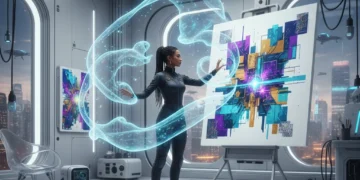
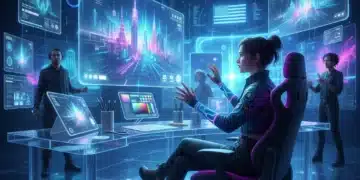
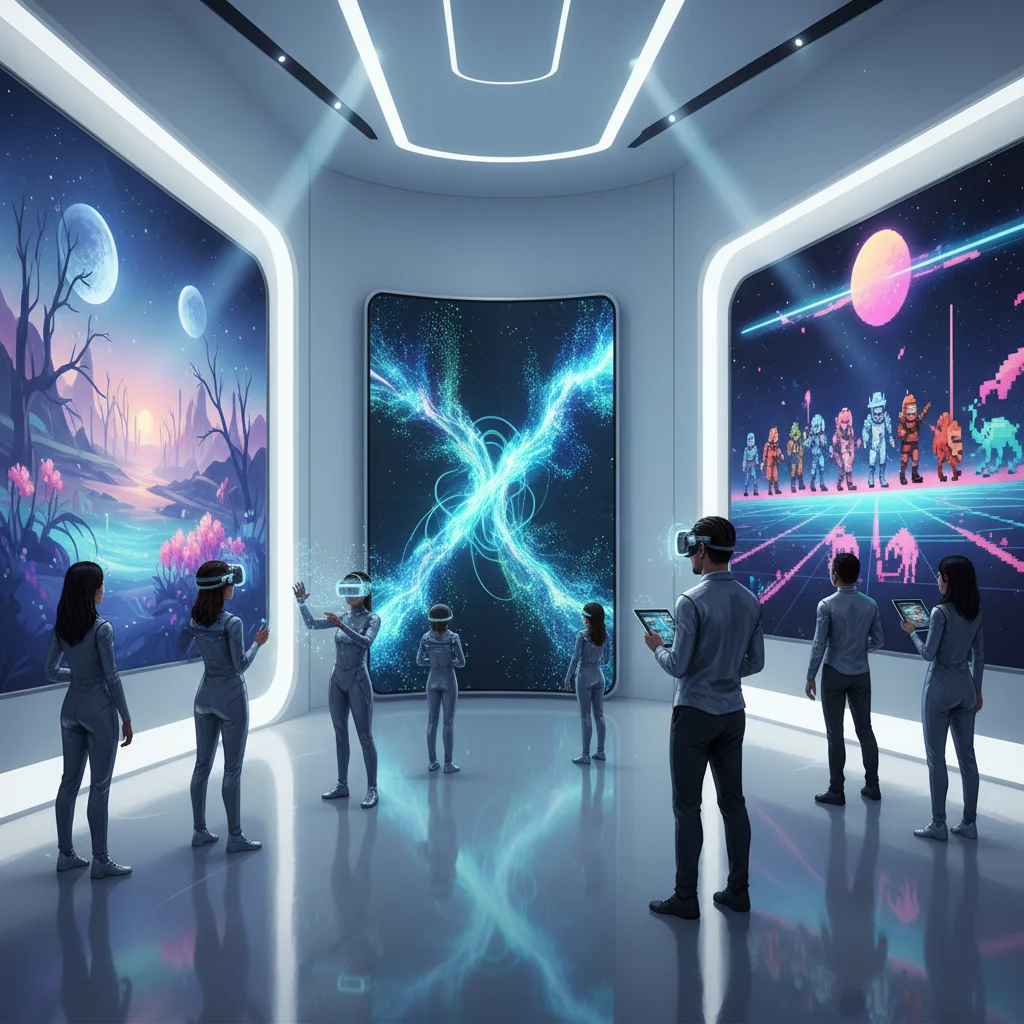
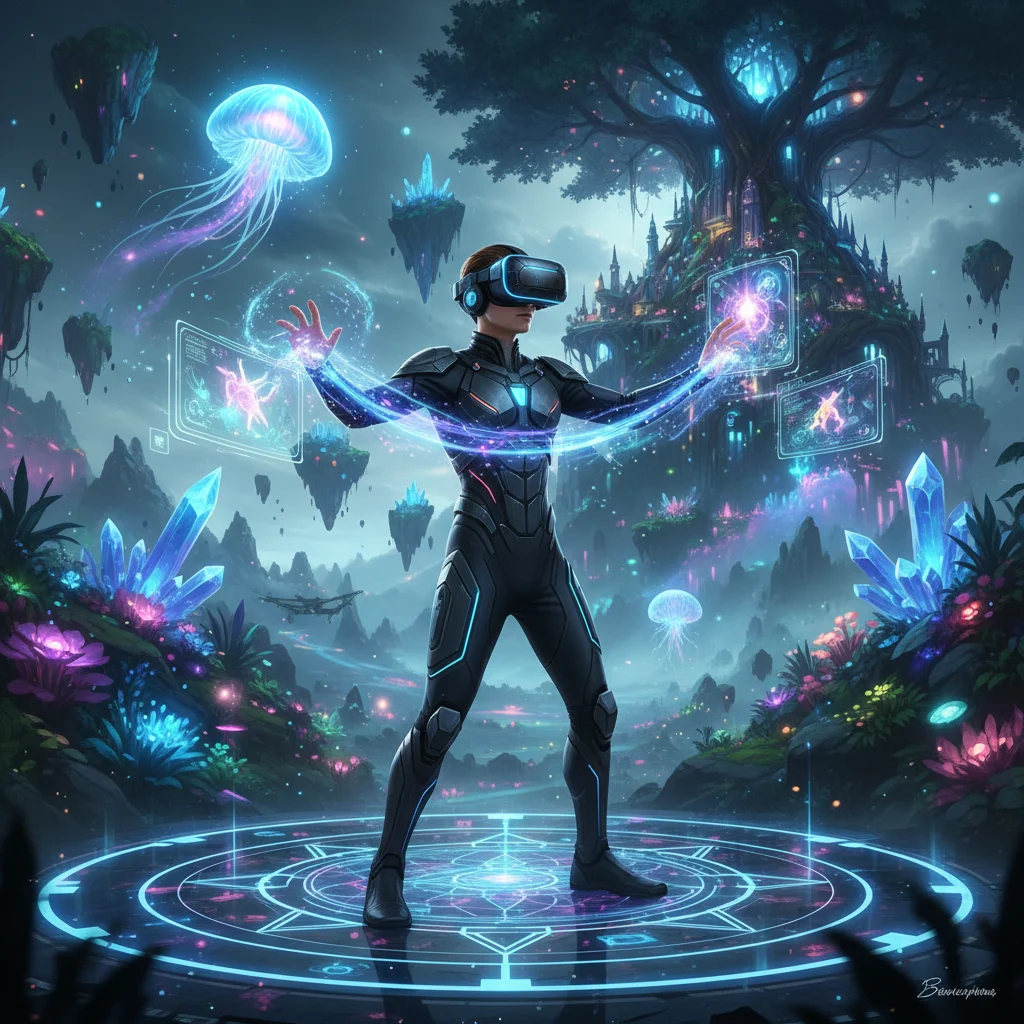
The boundaries between art and viewer are dissolving, giving way to fully immersive and interactive experiences. Virtual Reality (VR) and Augmented Reality (AR) art will move beyond novelty to become a mainstream medium for artistic expression in 2026. Imagine stepping inside a painting, walking through a sculpted digital environment, or interacting with characters that respond to your presence. This trend is about creating worlds, not just images.
Why it’s a Top Digital Art Trend for 2026:
- Engagement: Offers unparalleled levels of viewer engagement and participation.
- Sensory Richness: Combines visual, auditory, and sometimes haptic feedback for a multi-sensory experience.
- Narrative Potential: Opens new avenues for storytelling and emotional connection.
Capitalizing on This Trend:
Artists can create bespoke VR/AR art installations for galleries, museums, or private commissions. Developing interactive digital experiences for brands – such as virtual showrooms or immersive marketing campaigns – will be highly sought after. Game developers and educators can also integrate artistic VR/AR elements to enhance learning and entertainment. Collaborative projects combining traditional art forms with AR overlays will also find a growing market.
Trend 3: Generative Art & Algorithmic Aesthetics
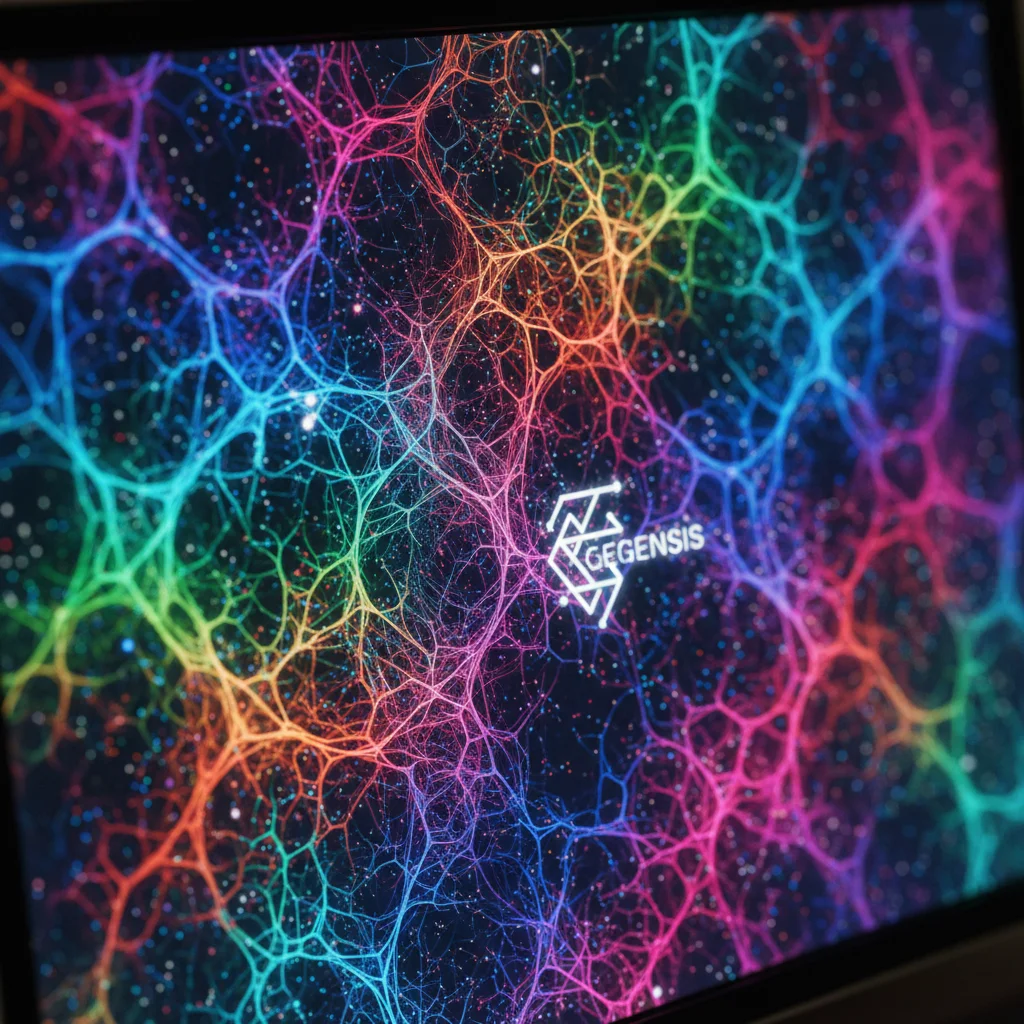
Generative art, where algorithms create unique and often unpredictable visual outcomes, continues its ascent. In 2026, this trend will mature, with artists pushing the boundaries of algorithmic complexity and aesthetic refinement. Expect to see more sophisticated systems capable of producing art that evolves over time, reacts to external data, or generates an infinite series of unique pieces based on a core set of rules. This is where code meets canvas, creating art that is both systematic and organic.
Why it’s a Top Digital Art Trend for 2026:
- Uniqueness: Each piece can be genuinely one-of-a-kind, even within a series.
- Scalability: Algorithms can produce vast quantities of art, ideal for large-scale projects or collections.
- Conceptual Depth: Explores themes of randomness, order, and the nature of creation itself.
Capitalizing on This Trend:
Selling generative art as NFTs remains a strong avenue, with collectors valuing the unique digital provenance. Artists can also license their generative algorithms for use in architectural design, textile patterns, or motion graphics. Custom generative art installations for public spaces or corporate lobbies offer another lucrative opportunity. The beauty of generative art lies in its ability to produce endless variations from a single creative seed, making it highly adaptable for various commercial applications.
Trend 4: The Resurgence of Digital Neo-Expressionism & Glitch Art
In contrast to the polished perfection of AI-generated hyper-realism, 2026 will see a significant embrace of digital neo-expressionism and glitch art. This trend is characterized by raw emotion, distorted aesthetics, intentional errors, and a rejection of conventional beauty. It’s about celebrating imperfection, digital decay, and the expressive power of visual disruption. Think bold colors, fractured forms, and the deliberate manipulation of digital artifacts.
Why it’s a Top Digital Art Trend for 2026:
- Authenticity: Appeals to a desire for raw, unpolished expression in an increasingly curated world.
- Rebellion: Offers a counter-narrative to mainstream aesthetics.
- Visual Impact: Its unconventional nature makes it highly memorable and attention-grabbing.
Capitalizing on This Trend:
This style is particularly effective for album art, fashion design, and edgy branding campaigns. Artists can sell unique glitch art pieces as NFTs, appealing to collectors looking for something distinct and provocative. Collaborating with musicians or independent brands to create visually striking promotional materials will also be profitable. Workshops teaching digital distortion techniques and neo-expressionist approaches can attract aspiring artists.
Trend 5: Eco-Conscious & Sustainable Digital Art
As environmental awareness grows, so too does the demand for art that reflects these values. In 2026, eco-conscious and sustainable themes will permeate digital art, not just in subject matter but also in the very methods of creation and display. This includes art that visualizes climate data, promotes environmental causes, or is created using energy-efficient processes and platforms. The focus shifts to art with a message, art that inspires change.
Why it’s a Top Digital Art Trend for 2026:
- Social Relevance: Addresses pressing global issues, resonating deeply with audiences.
- Ethical Appeal: Attracts environmentally conscious consumers and organizations.
- Innovative Solutions: Spurs the development of greener digital art practices.
Capitalizing on This Trend:
Artists can partner with environmental organizations to create impactful campaigns or educational materials. Commissions for public art installations that highlight ecological issues will be in demand. Developing NFT projects on eco-friendly blockchains (proof-of-stake rather than proof-of-work) will appeal to a specific, ethically-minded collector base. Companies looking to enhance their green credentials can commission digital artists to visualize their sustainability efforts in creative ways.
Trend 6: Digital Craftsmanship & Hyper-Detailed Pixel Art
While some trends push the boundaries of technology, others celebrate the meticulous artistry of digital craftsmanship. In 2026, hyper-detailed pixel art will experience a renaissance, moving beyond nostalgic gaming aesthetics to become a respected fine art form. This trend emphasizes precision, patience, and the ability to convey complex scenes and emotions using a limited, yet infinitely expressive, palette of pixels. It’s a testament to the power of deliberate creation in a fast-paced digital world.
Why it’s a Top Digital Art Trend for 2026:
- Nostalgia & Novelty: Appeals to those who appreciate classic aesthetics while offering fresh, modern interpretations.
- Detail-Oriented: Showcases incredible artistic skill and attention to minutiae.
- Versatile: Applicable across various mediums, from game design to animated shorts and collectible art.
Capitalizing on This Trend:
Creating highly detailed pixel art for indie game development is a natural fit. Artists can also produce limited edition pixel art prints or animations, selling them directly or through online platforms. Custom pixel art commissions for portraits, brand mascots, or illustrative work will be popular. The collectible nature of pixel art, especially when combined with NFT technology, makes it a strong contender for profitable ventures.
Trend 7: Data Visualization as Art & Infographic Storytelling
As the world generates an unprecedented amount of data, the ability to interpret and present it in an engaging manner becomes crucial. In 2026, data visualization will transcend mere utility to become a sophisticated art form. Artists will transform complex datasets into aesthetically compelling and emotionally resonant visual narratives, using dynamic graphs, interactive charts, and abstract forms to tell stories hidden within numbers. This trend bridges the gap between analytics and aesthetics, making information beautiful and understandable.
Why it’s a Top Digital Art Trend for 2026:
- Informative & Engaging: Combines factual information with compelling visuals.
- Relevance: Highly valuable in an data-driven world for businesses, research, and journalism.
- Innovative Medium: Offers new ways to interact with and understand complex information.
Capitalizing on This Trend:
Artists specializing in data visualization can collaborate with corporations, scientific institutions, and news organizations to create impactful reports, presentations, and public awareness campaigns. Developing interactive data art installations for museums or educational centers is another promising avenue. Offering specialized services in transforming raw data into visually stunning and comprehensible infographics will be a highly sought-after skill, allowing for significant profit margins.
Navigating the Future: Strategies for Success in Digital Art Trends 2026
Understanding these digital art trends 2026 is merely the first step. To truly capitalize on them, artists and businesses need to adopt proactive strategies. Here are some key considerations:
Embrace Continuous Learning:
The digital art landscape is fluid. New software, tools, and techniques emerge constantly. Dedicate time to learning new skills, experimenting with different platforms, and staying informed about technological advancements. Online courses, workshops, and communities are invaluable resources.
Build a Strong Online Presence:
Your portfolio is your storefront. Utilize platforms like ArtStation, Behance, Instagram, and personal websites to showcase your work. Engage with your audience, participate in online communities, and use relevant hashtags to increase discoverability. A well-curated digital presence is crucial for attracting clients and collectors.
Network and Collaborate:
The digital art world thrives on collaboration. Connect with other artists, developers, writers, and musicians. Joint projects can lead to innovative outcomes and expand your reach. Attending virtual conferences and online meetups can open doors to new opportunities.
Experiment with NFTs:
While the NFT market has seen fluctuations, it remains a powerful tool for digital artists to establish provenance, secure royalties, and directly monetize their work. Research different blockchain platforms and consider minting unique pieces or limited editions within the trends discussed.
Diversify Your Skillset:
Don’t limit yourself to one niche. While specialization is important, having a broader understanding of different digital art forms can make you more adaptable and marketable. For instance, a generative artist who also understands AR integration can create truly groundbreaking interactive experiences.
Understand Your Audience:
Who are you creating for? Tailor your art and marketing efforts to resonate with your target audience. Whether it’s collectors of avant-garde glitch art or businesses seeking sophisticated data visualizations, understanding their needs and preferences is paramount.
Focus on Storytelling:
Regardless of the trend or technology, compelling storytelling remains at the heart of impactful art. Use your chosen visual style to convey narratives, evoke emotions, and communicate ideas effectively. A strong story can elevate even the most technically brilliant piece.
Ethical Considerations:
As AI art and other technologies advance, ethical considerations become increasingly important. Be mindful of issues like copyright, data privacy, and the environmental impact of your creative processes. Promoting ethical practices can also enhance your reputation and appeal to a conscientious audience.
Conclusion: The Future is Bright for Digital Art
The digital art trends 2026 paint a vibrant picture of a future brimming with creative potential and lucrative opportunities. From the precision of hyper-realistic AI creations to the raw emotion of digital neo-expressionism, and the immersive worlds of VR/AR to the insightful beauty of data visualization, the scope for innovation is immense. For artists, designers, and businesses willing to embrace these changes, the coming years promise a fertile ground for artistic expression and economic growth.
By staying informed, continuously honing your skills, and strategically aligning your creative endeavors with these evolving trends, you can not only participate in but actively shape the future of digital art. The canvas is digital, the tools are powerful, and the possibilities are limitless. Seize these trends, innovate fearlessly, and watch your creative and financial success flourish in the dynamic world of digital art.