Sustainable Tech Innovations: 3 Emerging Trends Reshaping US Manufacturing by 2026
Sustainable Tech Innovations: 3 Emerging Trends Reshaping US Manufacturing by 2026
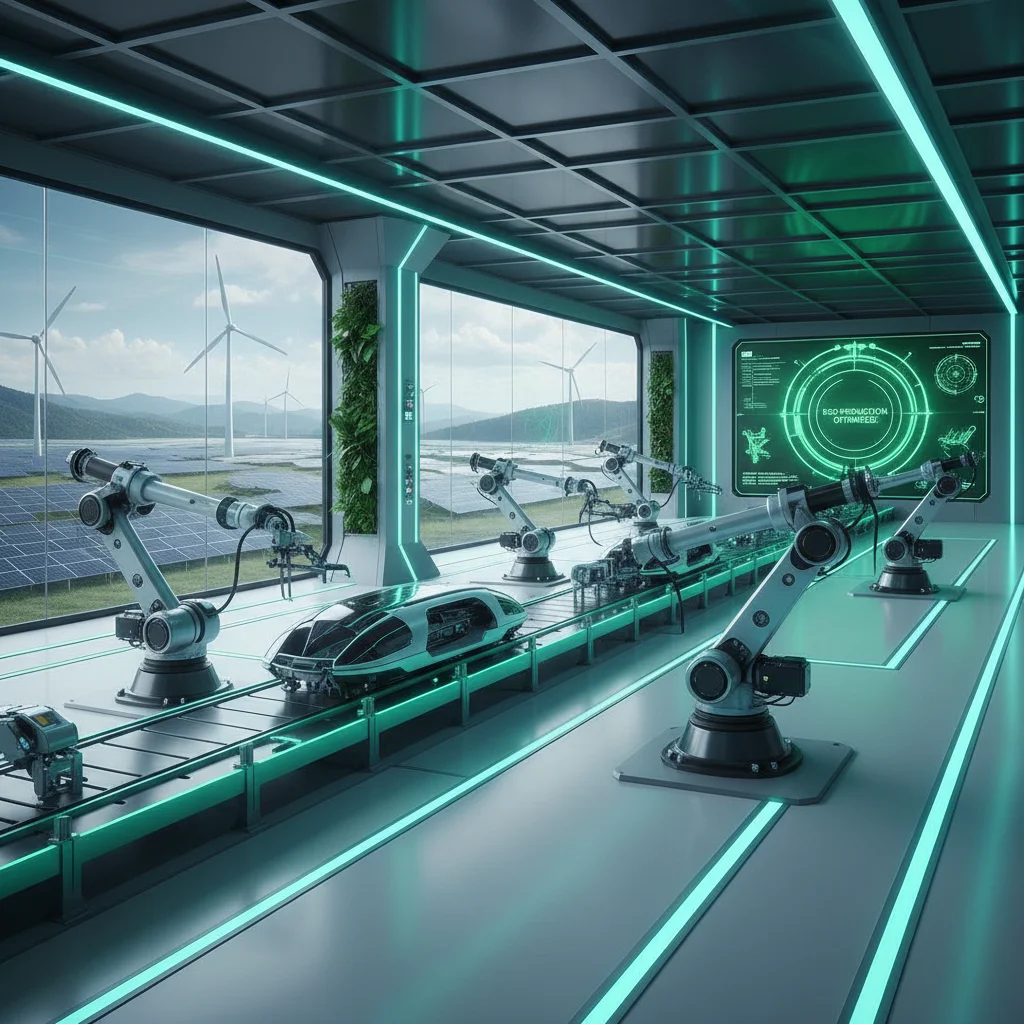
The landscape of US manufacturing is undergoing a significant metamorphosis, driven by an urgent need for sustainability and the relentless march of technological innovation. As industries worldwide grapple with environmental challenges and resource scarcity, the United States is positioning itself at the forefront of a green industrial revolution. By 2026, several key sustainable manufacturing trends are expected to not only redefine production processes but also create new economic opportunities and strengthen global competitiveness. This article delves deep into three pivotal sustainable tech innovations that are poised to reshape US manufacturing, offering a glimpse into a more efficient, resilient, and environmentally responsible future.
The conversation around sustainable manufacturing is no longer a niche topic; it is a core strategic imperative for businesses aiming for long-term viability and societal impact. Consumers are increasingly demanding eco-friendly products, investors are prioritizing companies with strong ESG (Environmental, Social, and Governance) credentials, and regulatory bodies are implementing stricter environmental standards. In this dynamic environment, embracing sustainable manufacturing trends is not just about compliance; it’s about competitive advantage, innovation, and future-proofing operations.
Our focus today is on the three most impactful sustainable manufacturing trends that will dominate the US industrial sector in the coming years: the comprehensive adoption of circular economy principles, the proliferation of advanced sustainable materials, and the transformative power of AI and machine learning for optimized, eco-efficient production. Each of these trends represents a paradigm shift, moving away from traditional linear ‘take-make-dispose’ models towards systems that prioritize resource efficiency, waste reduction, and minimal environmental footprint.
1. The Rise of the Circular Economy in Manufacturing
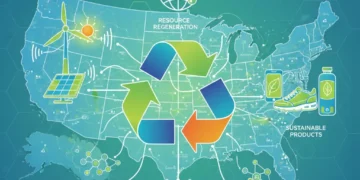
The concept of a circular economy is arguably the most fundamental shift occurring in sustainable manufacturing. Unlike the traditional linear economy, which follows a ‘take, make, dispose’ model, a circular economy aims to keep resources in use for as long as possible, extract the maximum value from them whilst in use, then recover and regenerate products and materials at the end of each service life. For US manufacturing, this translates into a systemic approach to design, production, and consumption that minimizes waste and maximizes resource efficiency.
Redesigning for Durability, Repairability, and Recyclability
At the heart of the circular economy is design thinking. Manufacturers are increasingly designing products with their end-of-life in mind. This means creating products that are durable, easy to repair, upgradeable, and ultimately, simple to disassemble and recycle. Modular design, for instance, allows components to be replaced or upgraded rather than discarding the entire product. Companies are investing in research and development to create products from mono-materials or easily separable materials, simplifying the recycling process and reducing contamination.
This emphasis on design for circularity is fostering a new wave of innovation in product development. Engineers and designers are collaborating more closely to integrate sustainability from the initial concept phase. This early integration not only reduces waste but also often leads to more efficient use of materials and energy during production, creating a ripple effect of benefits across the entire value chain. The investment in such design principles is a critical sustainable manufacturing trend that will define product lifecycles by 2026.
Advanced Recycling and Upcycling Technologies
Beyond design, the circular economy relies heavily on advanced recycling and upcycling technologies. Traditional mechanical recycling often degrades material quality, limiting its reuse. However, new chemical recycling processes can break down polymers to their molecular level, allowing them to be re-polymerized into virgin-quality materials. This technological advancement is a game-changer for plastics and other complex materials, enabling truly closed-loop systems.
Upcycling, which transforms waste materials into new products of higher value, is also gaining traction. From turning discarded textiles into insulation materials to converting industrial byproducts into construction aggregates, upcycling demonstrates creative solutions to waste management. These innovative processes not only divert waste from landfills but also reduce the demand for virgin resources, contributing significantly to the sustainability goals of US manufacturing.
Product-as-a-Service (PaaS) Models
Another transformative aspect of the circular economy is the shift from product ownership to product-as-a-service (PaaS) models. Instead of selling a product, manufacturers retain ownership and lease its use to customers. This incentivizes manufacturers to design highly durable, maintainable, and upgradeable products, as they are responsible for their entire lifecycle. Examples include companies offering lighting as a service, where customers pay for illumination rather than light bulbs, or industrial equipment provided on a performance-based contract.
PaaS models foster a deeper commitment to product longevity and resource efficiency. They encourage manufacturers to implement robust maintenance and repair services, and to recover and refurbish products at the end of their service life, bringing them back into the value chain. This model represents a significant sustainable manufacturing trend that not only promotes resource efficiency but also builds stronger, more enduring relationships between manufacturers and their customers, moving beyond a transactional approach to a partnership based on shared value and sustainability.
2. The Evolution of Advanced Sustainable Materials
The materials we use are fundamental to manufacturing’s environmental footprint. The second major sustainable manufacturing trend is the rapid development and adoption of advanced sustainable materials. These materials are designed to be environmentally benign throughout their lifecycle, from sourcing to disposal, offering superior performance while minimizing ecological impact.
Bio-based and Biodegradable Polymers
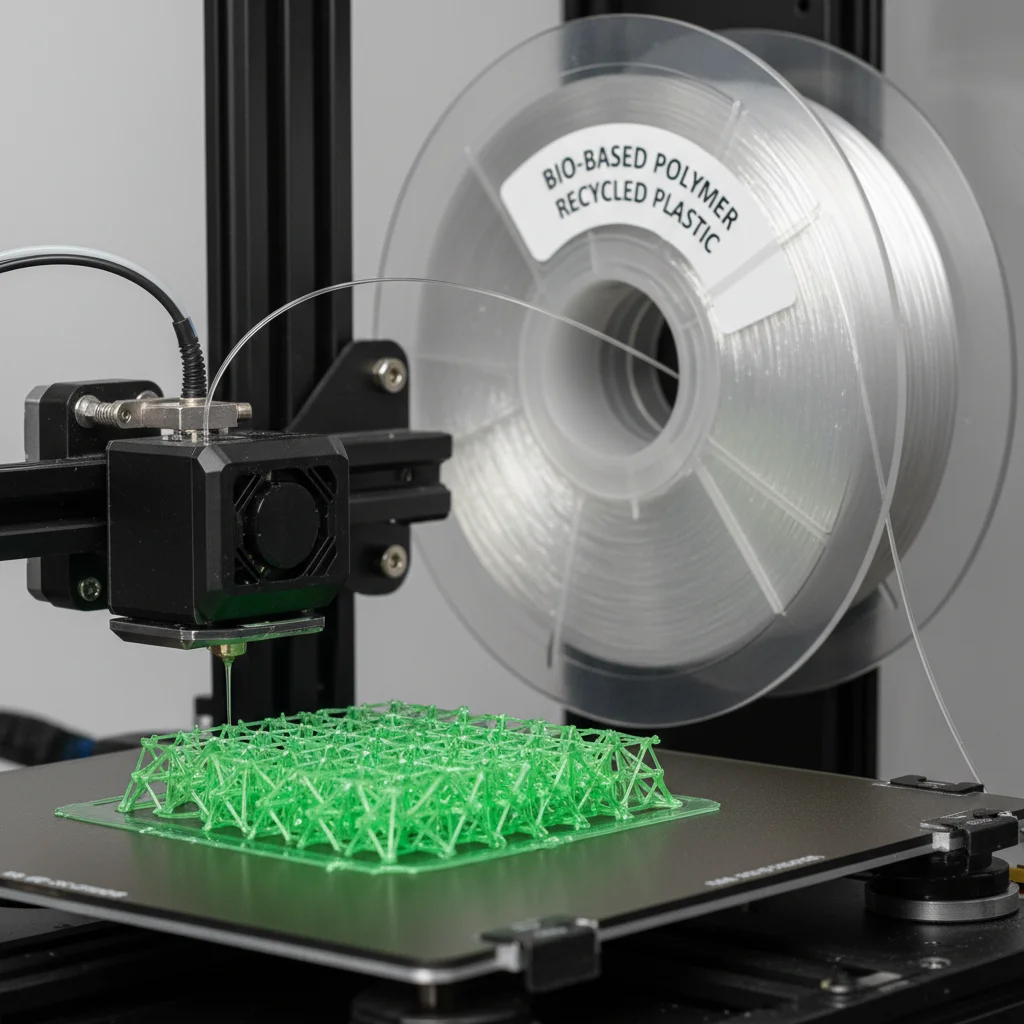
Plastic pollution is a global crisis, driving intense research into alternatives. Bio-based polymers, derived from renewable biomass sources like corn starch, sugarcane, or cellulose, are emerging as viable substitutes for traditional petroleum-based plastics. These materials often have a lower carbon footprint during production and can be biodegradable or compostable, offering a solution to plastic waste accumulation.
While challenges remain in terms of scalability, cost-effectiveness, and ensuring proper disposal infrastructure for biodegradables, advancements are being made rapidly. Industries from packaging to automotive are exploring these materials, and by 2026, their presence in US manufacturing supply chains is expected to grow significantly. This sustainable manufacturing trend is crucial for reducing reliance on fossil fuels and mitigating plastic waste.
Recycled and Upcycled Content Materials
The integration of recycled and upcycled content into manufacturing processes is not new, but the sophistication and scale are rapidly increasing. Advances in material science allow for the creation of high-performance products from previously discarded materials. For example, recycled carbon fiber composites are finding applications in aerospace and automotive industries, offering lightweight strength with a significantly reduced environmental impact compared to virgin materials.
Furthermore, industrial waste streams, such as fly ash from power plants or slag from steel production, are being repurposed into high-value construction materials. This not only reduces waste but also provides cost-effective and environmentally friendly alternatives to traditional resources. The drive to incorporate more recycled and upcycled content is a powerful sustainable manufacturing trend, closing material loops and fostering a more resource-independent industrial ecosystem.
Self-Healing and Smart Materials
Looking further into the future, self-healing and smart materials represent an exciting frontier in sustainable manufacturing. Self-healing materials can repair damage autonomously, extending product lifespan and reducing the need for replacements and repairs. Imagine a car coating that automatically mends scratches or concrete that repairs its own cracks.
Smart materials, which can respond to external stimuli like temperature, light, or electricity, offer possibilities for dynamic and adaptable products. While still in early stages for widespread industrial application, these materials hold immense potential to enhance durability, reduce maintenance, and improve resource efficiency over a product’s lifecycle. While perhaps not mainstream by 2026, the research and pilot projects in this area are foundational for future sustainable manufacturing practices.
3. AI and Machine Learning for Eco-Efficient Production
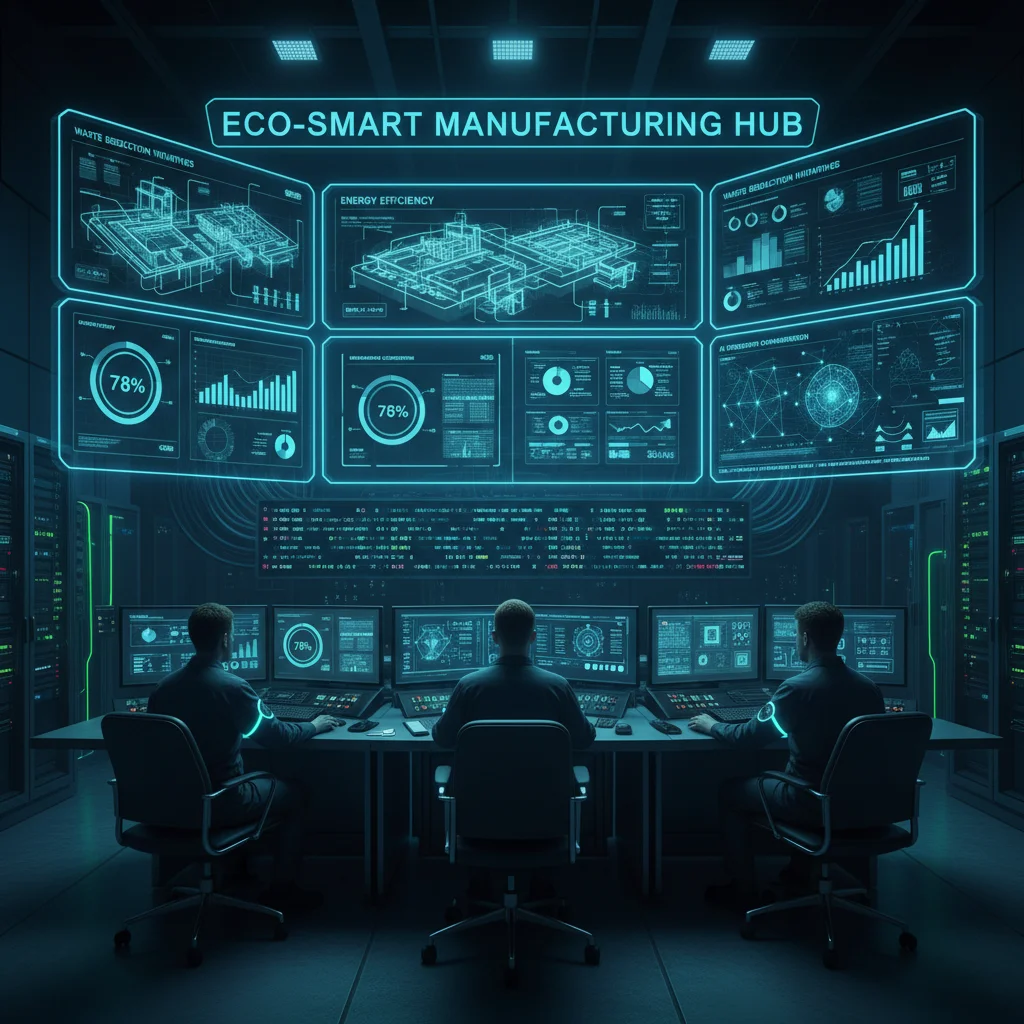
The third transformative sustainable manufacturing trend is the integration of Artificial Intelligence (AI) and Machine Learning (ML) to optimize production processes for environmental efficiency. AI isn’t just about automation; it’s about intelligent automation that learns, adapts, and makes data-driven decisions to minimize waste, reduce energy consumption, and improve resource utilization across the entire manufacturing value chain.
Optimizing Energy Consumption and Renewable Integration
Energy is a significant input and cost factor in manufacturing, and its consumption often comes with a substantial carbon footprint. AI-powered energy management systems can analyze vast amounts of data from sensors across a factory floor, identifying patterns of energy use, predicting demand, and optimizing machinery operation to reduce consumption. This includes predictive maintenance, where AI anticipates equipment failures, ensuring machinery runs at peak efficiency and avoiding energy-intensive breakdowns.
Moreover, AI is crucial for integrating renewable energy sources into manufacturing operations. By forecasting renewable energy generation (e.g., solar and wind) and factory energy demand, AI can intelligently manage energy storage and distribution, maximizing the use of clean energy and minimizing reliance on the grid during peak demand times. This sophisticated energy orchestration is a key sustainable manufacturing trend, enabling factories to become more self-sufficient and greener.
Predictive Maintenance and Waste Reduction
Traditional manufacturing often faces challenges with unexpected equipment failures, leading to production downtime, wasted materials, and increased energy consumption for emergency repairs. AI-driven predictive maintenance utilizes machine learning algorithms to analyze sensor data from machinery, identifying anomalies and predicting potential failures before they occur. This allows for scheduled maintenance, preventing costly breakdowns and ensuring optimal operational efficiency.
Beyond equipment, AI can also optimize material usage and reduce waste. Machine vision systems, powered by AI, can detect defects in products or materials with high precision, allowing for early intervention and minimizing scrap. Furthermore, AI can optimize cutting patterns for materials like textiles or metals, significantly reducing offcuts and maximizing yield. These applications are directly contributing to the waste reduction goals central to sustainable manufacturing.
Supply Chain Optimization and Transparency
A truly sustainable manufacturing process extends beyond the factory walls to encompass the entire supply chain. AI and machine learning are revolutionizing supply chain management by providing unprecedented levels of visibility and optimization. AI algorithms can analyze complex supply chain data to identify the most sustainable sourcing options, optimize logistics routes to reduce fuel consumption, and predict demand more accurately to minimize overproduction and inventory waste.
Furthermore, AI can enhance supply chain transparency, allowing manufacturers to track the environmental and social impacts of their products from raw material extraction to final delivery. This data-driven approach empowers companies to make informed decisions, partner with more sustainable suppliers, and communicate their sustainability efforts credibly to consumers. This holistic view of the supply chain, enabled by AI, is a critical sustainable manufacturing trend for achieving broader environmental goals.
The Interconnected Future of Sustainable Manufacturing
It’s important to recognize that these three sustainable manufacturing trends – circular economy principles, advanced sustainable materials, and AI-driven efficiency – are not isolated. They are deeply interconnected and mutually reinforcing. For example, AI can optimize the processes for recycling advanced sustainable materials, while circular design principles dictate the types of materials that are most suitable for AI-managed recovery and reuse.
The synergy between these innovations creates a powerful momentum towards a truly sustainable industrial ecosystem. US manufacturers that strategically invest in these areas will not only meet the growing demand for eco-friendly products but also unlock significant operational efficiencies, reduce costs, and enhance their brand reputation. The competitive edge in the coming years will increasingly belong to those who can master the art and science of sustainable production.
Challenges and Opportunities
While the outlook for sustainable manufacturing is promising, challenges remain. These include the initial investment costs for new technologies, the need for skilled labor to manage advanced systems, and the complexities of establishing new supply chain partnerships for circular models. Regulatory frameworks also need to evolve to support and incentivize these transformations.
However, the opportunities far outweigh the challenges. Embracing these sustainable manufacturing trends can lead to enhanced resource security, reduced exposure to volatile raw material prices, improved brand loyalty, and access to new markets. Furthermore, it fosters innovation and creates a more resilient and adaptable manufacturing sector, better equipped to navigate future disruptions.
Conclusion: A Greener Horizon for US Manufacturing by 2026
By 2026, the US manufacturing sector will be noticeably different, shaped by a concerted effort towards sustainability. The widespread adoption of circular economy principles will transform how products are designed, used, and recovered. Advanced sustainable materials will replace conventional ones, reducing environmental impact at the very core of products. And AI and machine learning will act as the intelligent backbone, optimizing every facet of production for maximum efficiency and minimal environmental footprint.
These sustainable manufacturing trends are not merely incremental improvements; they represent a fundamental shift in industrial philosophy and practice. For businesses, this means a strategic imperative to integrate sustainability into every layer of their operations. For the economy, it promises new growth sectors and job creation. And for the planet, it offers a pathway to a more harmonious relationship between industrial progress and ecological well-being.
The journey towards a fully sustainable manufacturing future is ongoing, but the trajectory set by these three key innovations indicates a clear and positive direction. US manufacturing is not just adapting to change; it is actively shaping a greener, more resilient, and more prosperous future for itself and for generations to come. The time to invest in and embrace these sustainable tech innovations is now, ensuring that by 2026, the ‘Made in USA’ label also signifies ‘Made Sustainably’.