Traditional vs. Modern: Navigating American Cultural Narratives in 2026
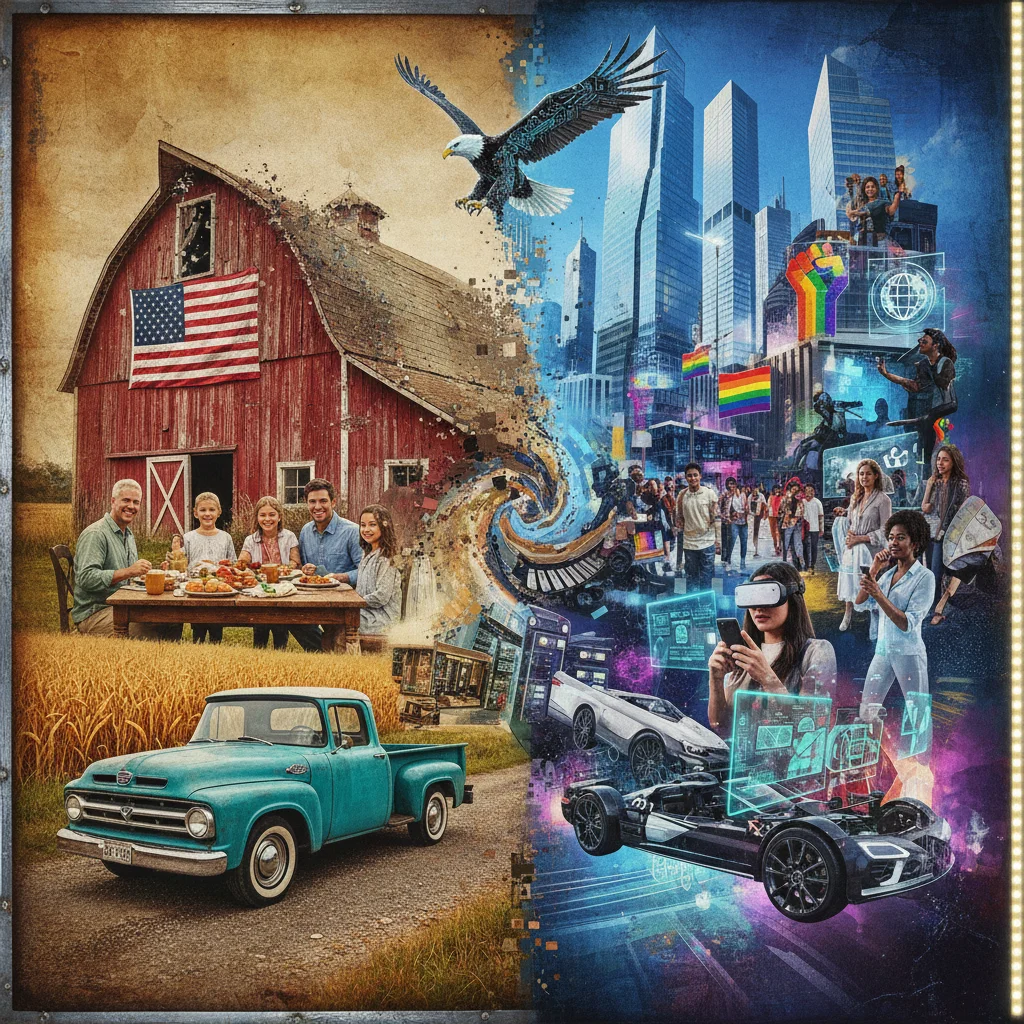
In the vibrant tapestry of American society, 2026 finds itself at a pivotal juncture, a fascinating crossroad where the echoes of tradition meet the relentless march of modernity. The discourse surrounding American cultural narratives has never been more complex, more nuanced, or more fiercely debated. This isn’t merely a generational gap or a political divide; it’s a fundamental re-evaluation of what it means to be American, shaped by a continuous, often conflicting, dialogue between the past and the present.
For centuries, the United States has been a melting pot, a grand experiment in self-governance and individual liberty. Yet, the very definition of these foundational principles is now subject to intense scrutiny, as traditional viewpoints grapple with the rapid evolution of social norms, technological advancements, and a growing global consciousness. This deep dive into American Cultural Narratives will explore the myriad ways these forces are shaping the nation’s identity, examining the tensions, the transformations, and the potential paths forward.
The Enduring Appeal of Traditional American Cultural Narratives
At the heart of many American cultural narratives lies a profound reverence for tradition. This often manifests in a nostalgic longing for a perceived simpler time, characterized by strong community ties, an emphasis on family values, and a clear moral compass. For many, traditional American culture evokes images of small-town life, patriotic fervor, and a belief in rugged individualism – the idea that hard work and self-reliance are the keys to success.
These traditional narratives are often rooted in historical interpretations, celebrating figures and events that shaped the nation’s early development. They emphasize continuity, stability, and the preservation of long-held customs. Religious faith, particularly Christianity, has historically played a significant role in shaping these narratives, providing a moral framework and a sense of collective identity for a substantial portion of the population. The American Dream, in its most classic interpretation, is also a cornerstone of these traditional views: the belief that anyone, regardless of their background, can achieve prosperity and success through diligence and determination.
The appeal of these traditional narratives is multifaceted. For some, they offer a sense of security and belonging in an increasingly complex and rapidly changing world. They provide a blueprint for life, a set of established values that can guide personal conduct and societal expectations. For others, particularly those who have felt marginalized by modern shifts, these narratives represent a yearning for a time when certain social hierarchies and norms were more firmly entrenched. The desire to “return to basics” or “make America great again” often stems from this deep-seated attachment to traditional American Cultural Narratives.
However, it’s crucial to acknowledge that “tradition” itself is not monolithic. What one group considers traditional, another might view as exclusionary or outdated. The very idea of a singular “traditional American culture” often overlooks the diverse experiences and contributions of various ethnic, racial, and socioeconomic groups throughout American history. This inherent tension is a significant part of the ongoing debate.
The Unstoppable Force of Modern American Cultural Narratives
In stark contrast to the traditionalist viewpoint, modern American Cultural Narratives are characterized by an embrace of change, diversity, and progress. This perspective often champions inclusivity, social justice, and a critical re-examination of historical narratives. It questions established norms and advocates for continuous evolution in societal structures, personal freedoms, and environmental responsibility.
Technological advancements have been a massive catalyst for these modern narratives. The internet, social media, and instant global communication have not only connected people across vast distances but have also exposed them to a wider array of perspectives, challenging insular viewpoints. This interconnectedness has fostered a greater awareness of global issues, human rights, and the complexities of identity, moving beyond binary classifications.
Modern narratives often prioritize individual expression and authenticity. There’s a strong emphasis on self-discovery, mental wellness, and the right to define one’s own path, independent of societal expectations. This includes evolving views on gender identity, sexual orientation, and family structures, which are increasingly seen as fluid and diverse rather than fixed and conventional. The focus shifts from collective adherence to tradition to individual autonomy and self-determination.
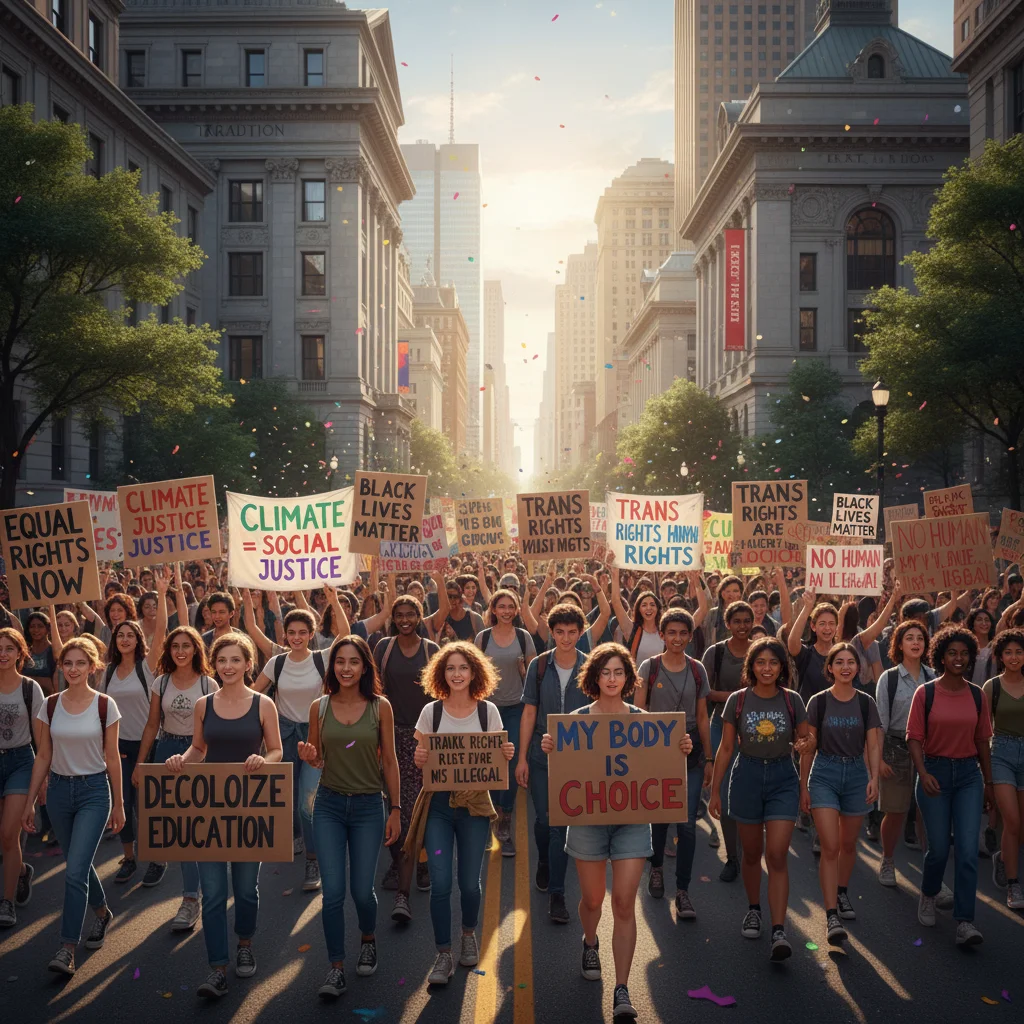
Furthermore, modern American Cultural Narratives are deeply intertwined with movements for social justice. There’s a heightened awareness of systemic inequalities, historical injustices, and the ongoing struggle for equity for marginalized communities. This includes robust conversations around racial justice, indigenous rights, LGBTQ+ rights, and gender equality. Activism, advocacy, and a demand for accountability are hallmarks of this modern cultural landscape.
The modern perspective also tends to be more secular, or at least more pluralistic in its approach to spirituality and belief systems. While faith remains important for many, there’s a growing acceptance of diverse spiritual paths and a greater emphasis on ethical frameworks rooted in humanism and shared values rather than solely religious doctrine. This shift contributes to a broader redefinition of morality and community.
Points of Conflict: Where Traditional and Modern American Cultural Narratives Collide
The collision between traditional and modern American Cultural Narratives is palpable across virtually every facet of society. These aren’t abstract philosophical debates; they manifest in real-world political battles, social movements, and personal conflicts. Understanding these points of friction is key to comprehending the current state of American culture.
Family Structure and Values
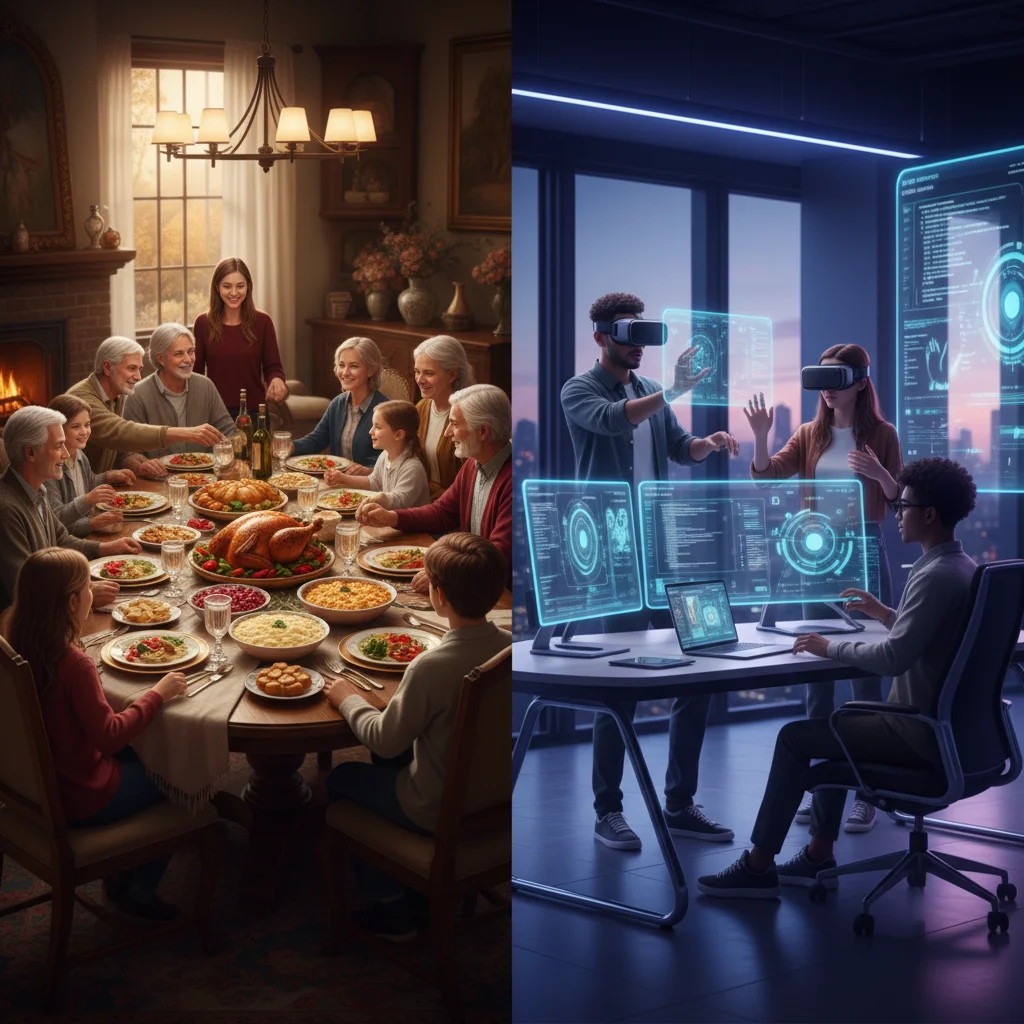
One of the most profound areas of contention lies in the definition of family. Traditional narratives often uphold the nuclear family – a married heterosexual couple with children – as the ideal and foundational unit of society. They emphasize permanence, gender-specific roles, and the transmission of values through this structure. Modern narratives, conversely, embrace a much broader definition of family, recognizing single-parent households, same-sex parents, blended families, and chosen families as equally valid and loving structures. This divergence fuels debates over marriage equality, adoption rights, and even educational curricula.
Education and Historical Interpretation
The classroom has become another battleground. Traditionalists often advocate for an education system that emphasizes patriotism, a largely positive portrayal of American history, and a focus on fundamental skills. They may view critical race theory or discussions of systemic inequality as divisive or un-American. Modernists, however, argue for a more comprehensive and critical examination of history, acknowledging past injustices, celebrating diverse contributions, and fostering critical thinking skills to prepare students for a globalized world. Debates over curriculum content, book bans, and the role of schools in addressing social issues are direct consequences of these conflicting narratives.
The Role of Government and Individual Liberty
Both traditional and modern narratives value individual liberty, but they interpret its scope and the role of government differently. Traditionalists often champion limited government intervention, emphasizing personal responsibility and free-market capitalism as the path to prosperity. They may view government regulations or social safety nets as infringements on individual freedom. Modernists, while also valuing individual rights, often see a more active role for government in ensuring social equity, protecting vulnerable populations, and addressing collective challenges like climate change or healthcare access. This fundamental disagreement shapes debates on economic policy, social welfare programs, and environmental regulations.
Religion and Secularism
The role of religion in public life is another significant point of conflict. Traditional narratives often advocate for the prominent display of religious symbols, the inclusion of religious practices in public institutions, and the upholding of religiously informed moral codes. They may perceive the decline of religious adherence as a threat to societal stability. Modern narratives, conversely, tend to emphasize secularism, advocating for a strict separation of church and state to protect religious freedom for all and to ensure that public policy is based on universal principles rather than specific religious doctrines. This tension manifests in debates over public prayer, religious exemptions, and the influence of religious organizations in politics.
Cultural Expression and Censorship
What constitutes acceptable cultural expression is also a flashpoint. Traditionalists may advocate for censorship or restrictions on content they deem offensive, immoral, or harmful to children, often citing community standards. Modernists typically champion artistic freedom, freedom of speech, and the right to express diverse viewpoints, even if controversial. They may view attempts at censorship as an infringement on fundamental rights and an impediment to progress. This conflict plays out in discussions about art, literature, media, and entertainment.
Bridging the Divide: Towards a Unified American Cultural Narrative?
Given the deep-seated nature of these conflicts, one might wonder if a unified American Cultural Narrative is even possible in 2026. The answer is complex, but perhaps not entirely bleak. Rather than aiming for a complete homogenization of views, which is likely unrealistic and undesirable, the path forward may lie in fostering a greater capacity for dialogue, empathy, and mutual understanding.
Recognizing Shared Values
Despite their differences, traditional and modern American cultural narratives often share underlying values. Both sides generally value freedom, opportunity, and the pursuit of a better life. The disagreement often stems from how these values are prioritized and how they should be achieved. By identifying these common ground principles, it may be possible to build bridges and find areas for constructive engagement.
Embracing Pluralism and Nuance
The United States has always been a nation of diverse peoples and ideas. A truly robust American Cultural Narrative for the 21st century must embrace this pluralism. It requires acknowledging that there isn’t one single “American way” but rather a multitude of experiences and perspectives that contribute to the national identity. Moving beyond simplistic binaries and recognizing the nuance within both traditional and modern viewpoints is crucial.
The Role of Media and Education
Media and education play critical roles in shaping and disseminating American Cultural Narratives. Responsible journalism that seeks to inform rather than inflame, and educational systems that foster critical thinking, historical literacy, and empathy, are vital. Encouraging media literacy in an era of misinformation is also paramount to ensure that citizens can discern reliable information and engage in informed debate.
Community Engagement and Local Initiatives
While national debates often dominate the headlines, significant progress can be made at the local level. Community initiatives that bring people of diverse backgrounds and viewpoints together to address shared challenges can build trust and foster understanding. These grassroots efforts can demonstrate that cooperation and common purpose are possible, even amidst ideological differences.
The Evolving American Dream
The American Dream itself is undergoing a transformation. While traditional narratives often focused on material wealth and homeownership, modern narratives may emphasize work-life balance, environmental sustainability, social impact, and personal fulfillment. Reconciling these different visions of success and aspiration is part of the ongoing evolution of American Cultural Narratives. Perhaps the new American Dream is not a singular destination, but a diverse landscape of possibilities.
Looking Ahead: The Future of American Cultural Narratives
As we look beyond 2026, the dynamic interplay between traditional and modern American Cultural Narratives will undoubtedly continue. The forces of globalization, technological innovation, and demographic shifts will only intensify, ensuring that the conversation remains vibrant and challenging. The question is not whether these narratives will clash, but how Americans choose to navigate these conflicts.
Will the nation succumb to deeper polarization, or will it find ways to integrate its diverse traditions and aspirations into a more inclusive and resilient identity? The answer depends on a collective commitment to dialogue, a willingness to listen, and a recognition that both tradition and modernity offer valuable perspectives. A healthy society doesn’t just cling to the past or blindly rush to the future; it learns from both, adapting and evolving while holding onto its core principles.
The future of American Cultural Narratives is not predetermined. It is being written every day through the choices individuals make, the policies governments enact, and the stories communities tell themselves. By understanding the historical roots of these narratives, acknowledging their current tensions, and actively working towards inclusive solutions, the United States can forge a future that honors its complex past while embracing its diverse and dynamic present.
Ultimately, the strength of American culture may not lie in a singular, monolithic narrative, but in its capacity to hold multiple, sometimes conflicting, stories within a framework of shared democratic ideals. This ongoing negotiation, this “more perfect union” in constant formation, is perhaps the most enduring and modern American Cultural Narrative of all.
The Role of Youth in Shaping Narratives
The younger generations are playing an increasingly significant role in shaping these evolving narratives. Digital natives, often more globally aware and socially conscious, are challenging conventional wisdom and pushing for rapid societal change. Their comfort with fluidity in identity, their advocacy for environmental protection, and their demand for systemic justice are powerful forces. Understanding their perspectives and integrating their voices is crucial for any meaningful progression of American Cultural Narratives.
They are not just inheriting a cultural landscape; they are actively redesigning it, using new tools and platforms to express their values and mobilize for causes they believe in. This generational shift often creates friction with older, more traditional viewpoints, but it also injects new energy and innovative ideas into the national conversation. The future of American Cultural Narratives will largely be written by these emerging voices.
Economic Disparities and Cultural Divides
It is impossible to discuss American Cultural Narratives without acknowledging the profound impact of economic disparities. Economic anxiety can often fuel cultural grievances, leading individuals to cling more fiercely to traditional narratives that promise stability or to embrace modern narratives that advocate for radical systemic change. The widening gap between the wealthy and the working class, coupled with the automation of jobs and the gig economy, creates a fertile ground for cultural tension.
When people feel economically insecure, they may become more susceptible to narratives that blame “the other” – whether it be immigrants, corporations, or specific political ideologies. Addressing these economic challenges head-on, fostering greater economic mobility, and ensuring a more equitable distribution of opportunities could go a long way in de-escalating some of the cultural conflicts that plague the nation. A more economically secure populace might be more open to nuanced conversations about evolving American Cultural Narratives.
Global Influences on American Identity
No nation exists in a vacuum, and the United States is no exception. Global events, international relations, and the constant flow of ideas and people across borders significantly influence American Cultural Narratives. From the impact of global pandemics to international conflicts, and from the rise of new economic powers to worldwide social movements, these external forces constantly challenge and reshape how Americans view themselves and their place in the world.
For example, increased immigration from diverse regions enriches the cultural fabric but also sometimes sparks debates about national identity and assimilation versus multiculturalism. American popular culture, while globally influential, also absorbs elements from other cultures, leading to a dynamic and ever-changing national identity. The future of American Cultural Narratives will undoubtedly be a product of both internal struggles and external global pressures.
The Search for Common Ground and Shared Purpose
Ultimately, the challenge for 2026 and beyond is to find ways for disparate American Cultural Narratives to coexist and, ideally, to find common ground. This doesn’t mean erasing differences but rather acknowledging them and building a society where respectful disagreement is possible, and where shared national goals can still be pursued. This shared purpose might revolve around fundamental democratic principles, a commitment to future generations, or the preservation of the planet.
The ability to deliberate, compromise, and find solutions that benefit the collective, even when starting from vastly different cultural perspectives, is the hallmark of a resilient democracy. The ongoing negotiation between traditional and modern American Cultural Narratives is not just a cultural phenomenon; it is a test of the American experiment itself. Success will depend on the willingness of all citizens to participate in this vital conversation with open minds and a commitment to the nation’s future.
The evolving landscape of American Cultural Narratives is a testament to a nation in constant flux, always questioning, always redefining itself. It’s a journey filled with challenges, but also with immense potential for growth, innovation, and a deeper understanding of what it truly means to be a part of the American story.