Mastering American Cultural Literacy 2026: 7 Key Concepts
In an increasingly interconnected yet often polarized world, understanding the nuances of different cultures is not just an advantage; it’s a necessity. As we approach 2026, the landscape of American society continues to evolve at a rapid pace, shaped by technological advancements, demographic shifts, and ongoing social dialogues. For anyone looking to truly connect, succeed, or simply understand the United States, possessing strong American cultural literacy is paramount. This isn’t merely about knowing historical facts or famous landmarks; it’s about grasping the underlying values, unspoken rules, and prevailing mindsets that define the American experience today.
This comprehensive guide will delve into seven essential American concepts that are crucial for navigating the modern U.S. landscape in 2026. These are the ‘insider knowledge’ points that go beyond surface-level observations, providing a deeper understanding of what makes American culture tick. Whether you’re an international professional, a student, a new resident, or even a long-time citizen seeking to refresh your perspective, mastering these concepts will significantly enhance your ability to communicate effectively, build meaningful relationships, and interpret social dynamics.
The Evolving Fabric of American Cultural Literacy
Before we dive into the specific concepts, it’s important to acknowledge that American cultural literacy is not static. It’s a dynamic entity, constantly being reshaped by current events, technological innovations, and the ongoing dialogue among its diverse population. What was considered common knowledge a decade ago might have shifted, or new concepts might have emerged as central to the national psyche. Our focus here is on the elements that are particularly salient and influential as we look towards 2026.
From the foundational principles that still underpin much of American thought to the modern challenges and opportunities presented by digital society and shifting demographics, these concepts offer a robust framework for understanding. They are the lenses through which many Americans view the world, interact with one another, and define their aspirations and challenges. Ignoring them can lead to misunderstandings, missed opportunities, and a general feeling of being out of sync with the prevailing currents.
1. Individualism vs. Collectivism: A Persistent Tension
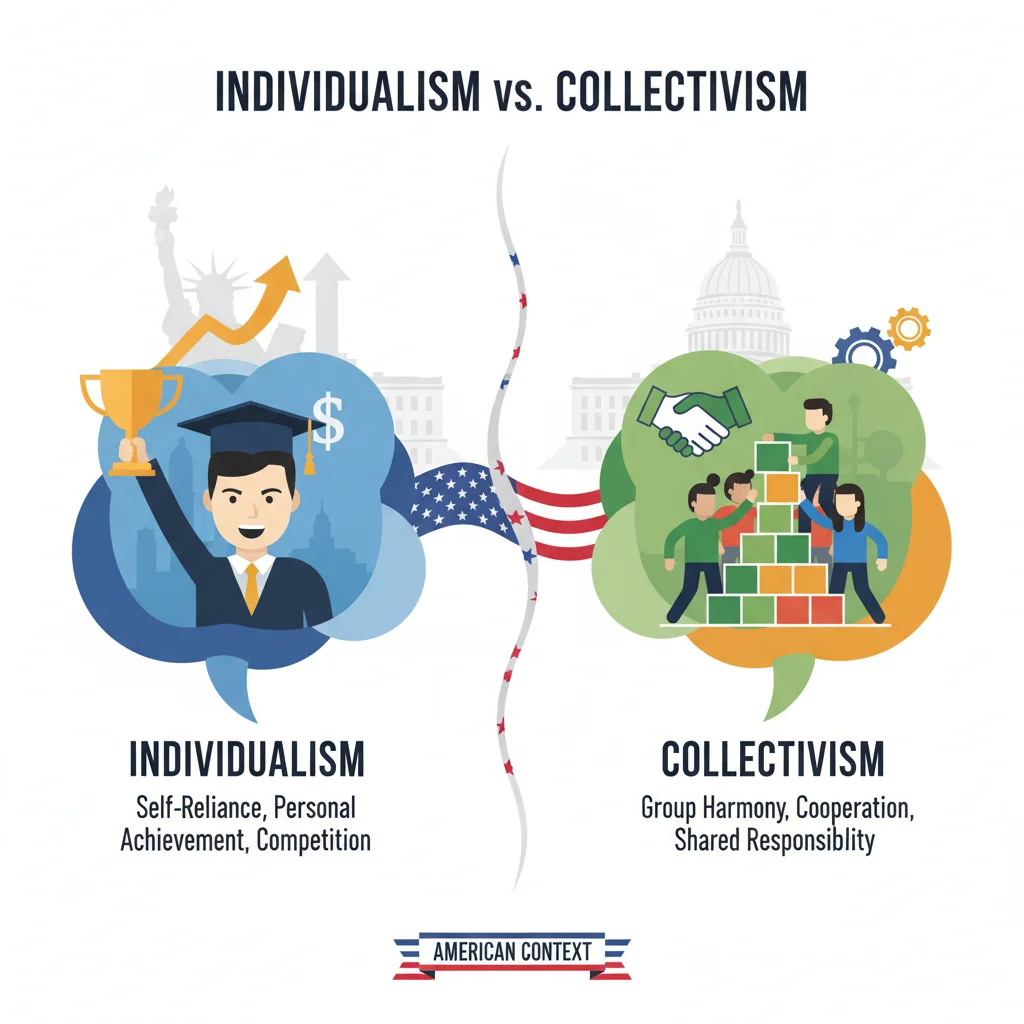
One of the most enduring and defining characteristics of American cultural literacy is the strong emphasis on individualism. From childhood, Americans are often taught to be self-reliant, to pursue personal dreams, and to stand out from the crowd. The narrative of the ‘self-made man’ or ‘self-made woman’ is deeply ingrained, celebrating personal achievement and independent thought. This manifests in various ways: a preference for individual offices over open-plan workspaces, a strong belief in personal responsibility, and a legal system that often prioritizes individual rights.
However, to truly understand American cultural literacy in 2026, one must also recognize the growing, albeit often subtle, counter-currents of collectivism. While not as dominant as in many Eastern cultures, there’s an increasing awareness of community, social responsibility, and collective action, particularly among younger generations and in response to large-scale societal issues like climate change, social justice, and public health. Understanding this tension – the deep-seated value of individualism often tempered by a burgeoning sense of collective responsibility – is key. It explains why some issues are framed as individual choices (e.g., healthcare decisions) while others are increasingly seen as requiring collective solutions (e.g., environmental protection).
For instance, while individual success is lauded, there’s also a growing movement towards collaborative work environments and community-based initiatives. The rise of social enterprises and B-Corps reflects a desire to blend individual entrepreneurial spirit with collective social good. Navigating this balance means understanding when to emphasize personal agency and when to highlight shared goals and community impact. This concept is fundamental to grasping American motivations and reactions in both personal and professional spheres.
2. The Shifting Definition of ‘Meritocracy’ and ‘Fairness’
The concept of meritocracy – the idea that success is based solely on talent, effort, and achievement – is a cornerstone of the American dream. Americans often believe that anyone, regardless of background, can achieve greatness through hard work. This belief system is deeply embedded in educational institutions, career paths, and public discourse. It underpins notions of ‘pulling yourself up by your bootstraps’ and often influences how wealth and poverty are perceived.
However, a critical aspect of American cultural literacy for 2026 involves recognizing the ongoing re-evaluation of this concept. There’s an increasing understanding and public discussion about systemic barriers, inherited advantages, and the role of privilege in determining outcomes. Concepts like ‘equity’ are gaining prominence, challenging the traditional view of ‘equality’ (treating everyone the same) by advocating for differentiated support to achieve fair outcomes. This shift is vital for interpreting debates around affirmative action, wealth distribution, and social justice movements.
Understanding this evolving definition of meritocracy and fairness means appreciating that while hard work is still highly valued, there’s a growing recognition that the playing field isn’t always level. Conversations about systemic racism, gender inequality, and socio-economic disparities are reshaping how Americans think about who deserves what, and why. This nuanced understanding is essential for engaging in productive dialogue and avoiding misinterpretations of social and political discourse.
3. Digital Citizenship and Online Etiquette
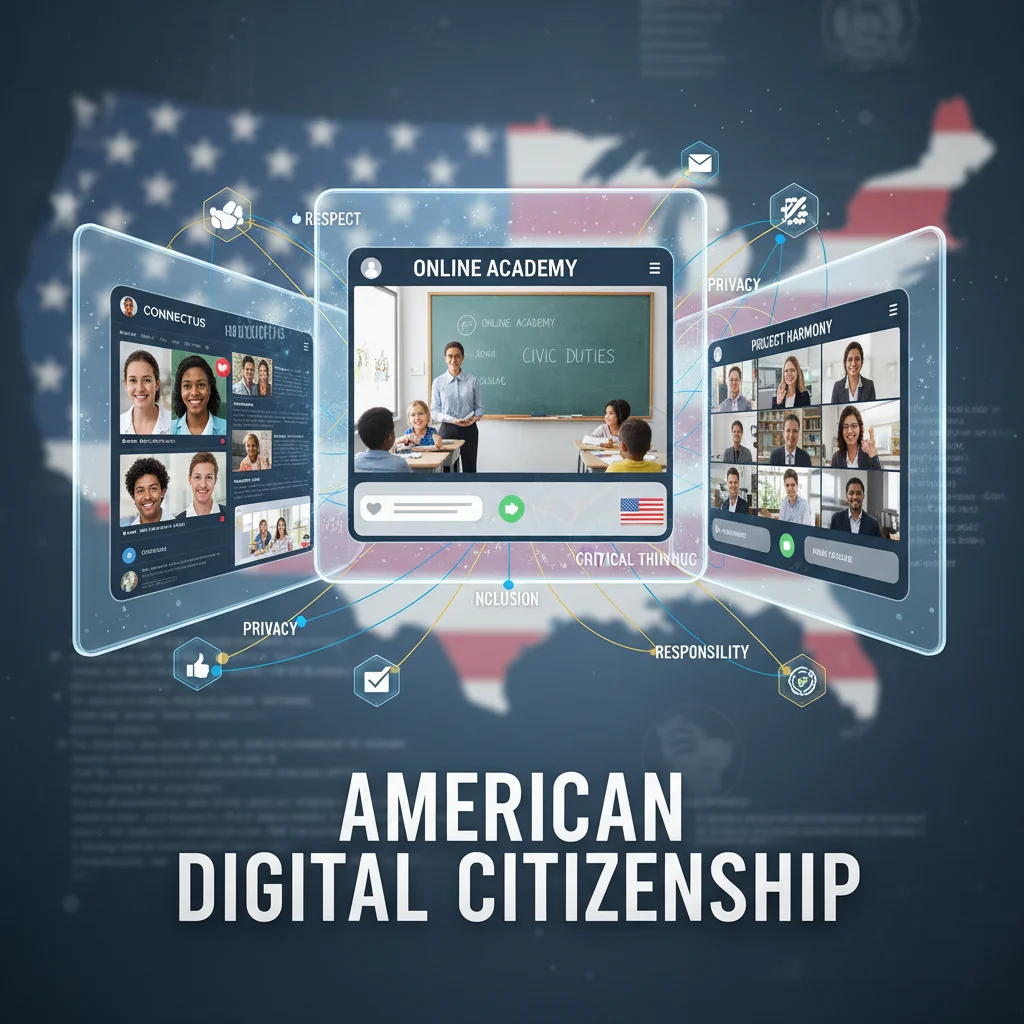
In an era dominated by digital communication, understanding the unspoken rules and expectations of online interaction is a crucial component of American cultural literacy. Digital citizenship encompasses not just the ability to use technology, but also the responsibility to engage with it ethically, respectfully, and safely. This includes understanding privacy norms, the impact of misinformation, and the dynamics of online communities.
For 2026, this concept extends beyond basic internet safety. It involves navigating the complexities of social media, understanding the implications of digital footprints, and recognizing the blurred lines between personal and professional online personas. Americans are increasingly aware of the permanent nature of online content and the potential for past digital actions to impact future opportunities. There’s also a growing emphasis on combating online harassment, promoting digital wellness, and fostering inclusive online spaces.
Furthermore, the rapid evolution of AI and virtual reality means that what constitutes ‘digital citizenship’ is constantly expanding. Understanding how Americans are grappling with these new technologies, their concerns about data privacy, and their expectations for ethical AI development is key. This concept is not merely about technological proficiency; it’s about the social and ethical dimensions of living in a hyper-connected world, shaping everything from job interviews to casual social interactions.
4. The Power of Narrative and Storytelling in Public Discourse
Americans, perhaps more than many other cultures, are deeply influenced by narratives and storytelling. From political campaigns to marketing strategies, personal anecdotes and compelling stories often resonate more deeply than raw data or abstract arguments. This focus on narrative shapes how information is consumed, how opinions are formed, and how social movements gain traction. Understanding this aspect of American cultural literacy means recognizing the emotional and persuasive power of a well-crafted story.
In 2026, this phenomenon is amplified by the proliferation of media platforms. Everyone has the potential to be a storyteller, and competing narratives constantly vie for attention. Whether it’s through personal vlogs, social media threads, documentaries, or traditional news outlets, stories are the currency of public discourse. Being attuned to the types of narratives that resonate, the archetypes that are frequently invoked, and the emotional appeals that are most effective can provide significant insight into American public opinion and cultural trends.
This includes understanding the role of personal testimonials in shaping views on everything from healthcare policy to consumer products. It also involves recognizing how historical narratives are continually reinterpreted and debated, influencing contemporary identity and social cohesion. Knowing how to tell a compelling story, or how to critically evaluate one, is a vital skill for anyone engaging with American society.
5. Work-Life Integration vs. Work-Life Balance
The traditional concept of ‘work-life balance’ – a clear separation between professional and personal spheres – has been a long-standing ideal in much of the Western world. However, a crucial aspect of American cultural literacy for 2026 is understanding the increasing shift towards ‘work-life integration,’ particularly in certain industries and among younger demographics. The advent of remote work, flexible schedules, and always-on connectivity has blurred these lines considerably.
Work-life integration implies a more fluid approach, where work and personal life are interwoven rather than strictly compartmentalized. This can mean taking a work call during a family vacation or handling personal errands during work hours, with the expectation that productivity is maintained regardless of location or rigid timing. While this offers flexibility, it also presents challenges related to burnout and the constant pressure to be ‘on.’ Understanding this cultural shift is vital for workplace interactions, expectations around availability, and even social engagements.
For example, while some companies still champion strict boundaries, many modern American workplaces embrace a more integrated model, offering perks like unlimited PTO or flexible hours in exchange for greater commitment and availability. Recognizing whether an individual or an organization leans towards balance or integration will significantly impact communication, expectations, and overall professional relationships within the American context.
6. The Nuances of Political Correctness and ‘Woke’ Culture
The concepts of ‘political correctness’ and, more recently, ‘woke culture’ are highly debated and often misunderstood aspects of contemporary American cultural literacy. These terms refer to a heightened sensitivity towards issues of social justice, inclusivity, and respectful language, particularly concerning marginalized groups. While the underlying values of respect and equality are widely shared, the application and interpretation of these concepts can be complex and contentious.
In 2026, understanding this involves recognizing the ongoing dialogue around identity politics, cancel culture, and freedom of speech. There’s a delicate balance between promoting inclusivity and avoiding perceived censorship or overreach. Navigating these discussions requires an awareness of evolving terminology, a sensitivity to diverse perspectives, and an understanding of historical and systemic injustices that inform these movements. What might be considered acceptable language or behavior in one context could be deeply offensive in another.
This concept is particularly relevant in media, education, and public policy, where debates around representation, historical revisionism, and appropriate discourse are constant. For anyone interacting with American public life, understanding the different viewpoints on political correctness and ‘wokeness’ – from strong advocacy to staunch opposition – is essential for interpreting social commentaries and engaging respectfully in conversations.
7. The Role of Technology in Shaping Social Interaction and Identity
Beyond digital citizenship, the pervasive role of technology in shaping how Americans interact and perceive their own identities is a critical element of American cultural literacy for 2026. Technology is not just a tool; it’s an environment that influences social norms, communication styles, and even self-perception. From dating apps to virtual communities, technology mediates a significant portion of American social life.
This concept includes understanding the impact of AI on daily life, from personalized recommendations to automated customer service. It also encompasses the influence of social media on self-esteem, the formation of echo chambers, and the spread of viral trends. The ability to communicate across vast distances instantly has changed expectations around responsiveness and availability. Furthermore, the rise of virtual identities and online personas adds another layer of complexity to understanding how Americans present themselves and connect with others.
For example, the rapid adoption of new communication platforms (e.g., specific social media apps, video conferencing tools) can quickly establish new social norms and expectations for interaction. Understanding these trends, and the underlying psychological and social impacts, is crucial for effective communication and for grasping the evolving nature of personal relationships and community building in the U.S. Technology is not just facilitating interaction; it’s fundamentally reshaping what interaction means for many Americans.
Integrating These Concepts for Enhanced American Cultural Literacy
Mastering these seven concepts provides a robust foundation for enhanced American cultural literacy in 2026. They are interconnected and often influence one another. For example, discussions around meritocracy and fairness are deeply intertwined with narratives of individual achievement and collective responsibility. The digital sphere amplifies both individual voices and collective movements, while also presenting new challenges for respectful discourse under the umbrella of political correctness.
To truly integrate this knowledge, consider the following:
- Active Listening and Observation: Pay close attention to how these concepts play out in everyday conversations, media, and public debates. Notice the language used, the values expressed, and the underlying assumptions.
- Critical Thinking: Don’t just accept surface-level explanations. Dig deeper into why certain beliefs or behaviors are prevalent. Question the narratives you encounter and consider alternative perspectives.
- Empathy and Perspective-Taking: Try to understand issues from different viewpoints. Recognize that someone’s background, experiences, and identity will shape their interpretation of these cultural concepts.
- Continuous Learning: American culture is dynamic. Stay updated on current events, social trends, and new technologies. Cultural literacy is an ongoing process, not a destination.
By consciously applying these concepts, you’ll move beyond a superficial understanding of American society to a more profound and nuanced appreciation. This deeper insight will not only prevent misunderstandings but also open doors to more meaningful connections, effective collaboration, and a richer overall experience in the United States.
Conclusion: Your Path to Insider Knowledge in American Culture
As we navigate towards 2026, the demand for sophisticated American cultural literacy has never been higher. The United States remains a vibrant, complex, and sometimes contradictory nation. Its cultural landscape is a tapestry woven from diverse threads, constantly being re-stitched and re-patterned by the forces of change.
The seven essential concepts discussed here – individualism vs. collectivism, the shifting definition of meritocracy and fairness, digital citizenship, the power of narrative, work-life integration, the nuances of political correctness, and the role of technology in shaping social interaction and identity – offer a powerful lens through which to view and interpret this dynamic culture. They provide the ‘insider knowledge’ that allows you to understand not just what Americans do, but why they do it, and how they perceive their place in the world.
Embracing this deeper understanding will empower you to communicate more effectively, build stronger relationships, and navigate the complexities of American society with greater confidence and insight. It’s an investment in your ability to thrive in a globalized world where cultural fluency is an invaluable asset. Begin your journey today to master these crucial elements of American cultural literacy and unlock a richer, more informed engagement with the United States in 2026 and beyond.