Cultural Trends Economic Impact 2026: American Spending Shifts
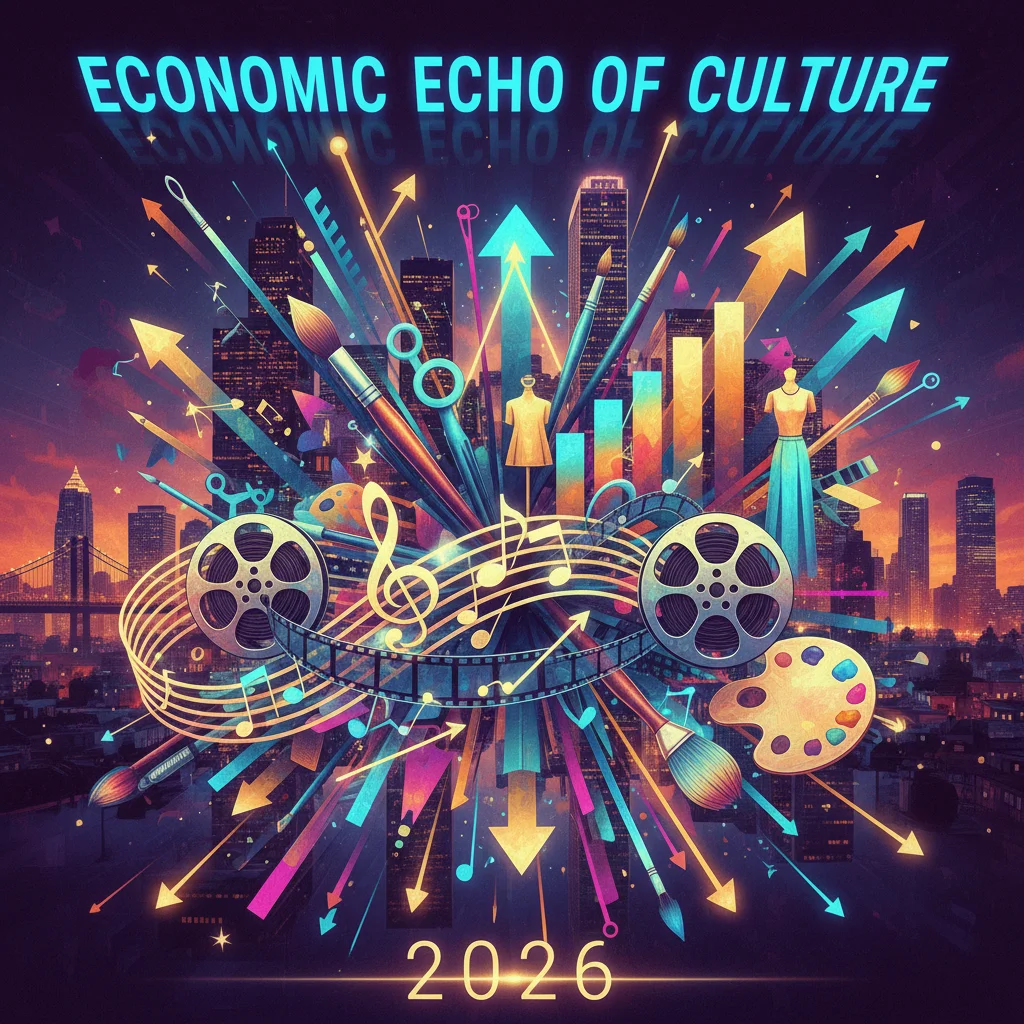
The Economic Echo of Culture: How American Artistic Trends Influence National Spending in 2026
The intricate dance between culture and economy is an age-old phenomenon, yet its rhythm continuously evolves. In 2026, the American landscape is witnessing a profound synergy where artistic trends and cultural shifts are not merely reflecting society but actively shaping national spending patterns. Understanding these dynamics is crucial for businesses, policymakers, and consumers alike. This article delves deep into how cultural trends economy interactions are influencing financial decisions and reshaping the economic fabric of the United States.
From the burgeoning digital realms of entertainment to the renewed emphasis on sustainability and localism, American culture is a powerful, albeit often underestimated, economic driver. The choices individuals make about what to consume, how to spend their leisure time, and what values to prioritize are intrinsically linked to the broader cultural narrative. As we navigate 2026, these connections are becoming clearer, offering a roadmap for future economic forecasting and strategic planning. The economic echo of culture is not a faint whisper; it’s a resounding declaration of evolving consumer preferences and market demands.
The Digital Renaissance: Streaming, Gaming, and Immersive Experiences
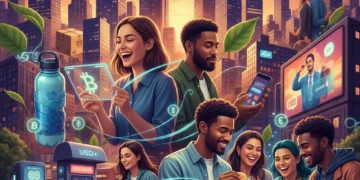
One of the most significant forces driving current cultural trends economy shifts is the ongoing digital renaissance. The proliferation of high-speed internet, advanced mobile technology, and increasingly sophisticated digital platforms has fundamentally altered how Americans consume entertainment, interact with art, and engage with cultural content. In 2026, streaming services continue their dominance, but with a nuanced evolution. Beyond traditional film and television, we’re seeing an explosion in niche streaming platforms catering to specific interests, from independent documentaries to live performance art. This fragmentation of content creates new revenue streams and diversified spending, as consumers curate highly personalized digital experiences.
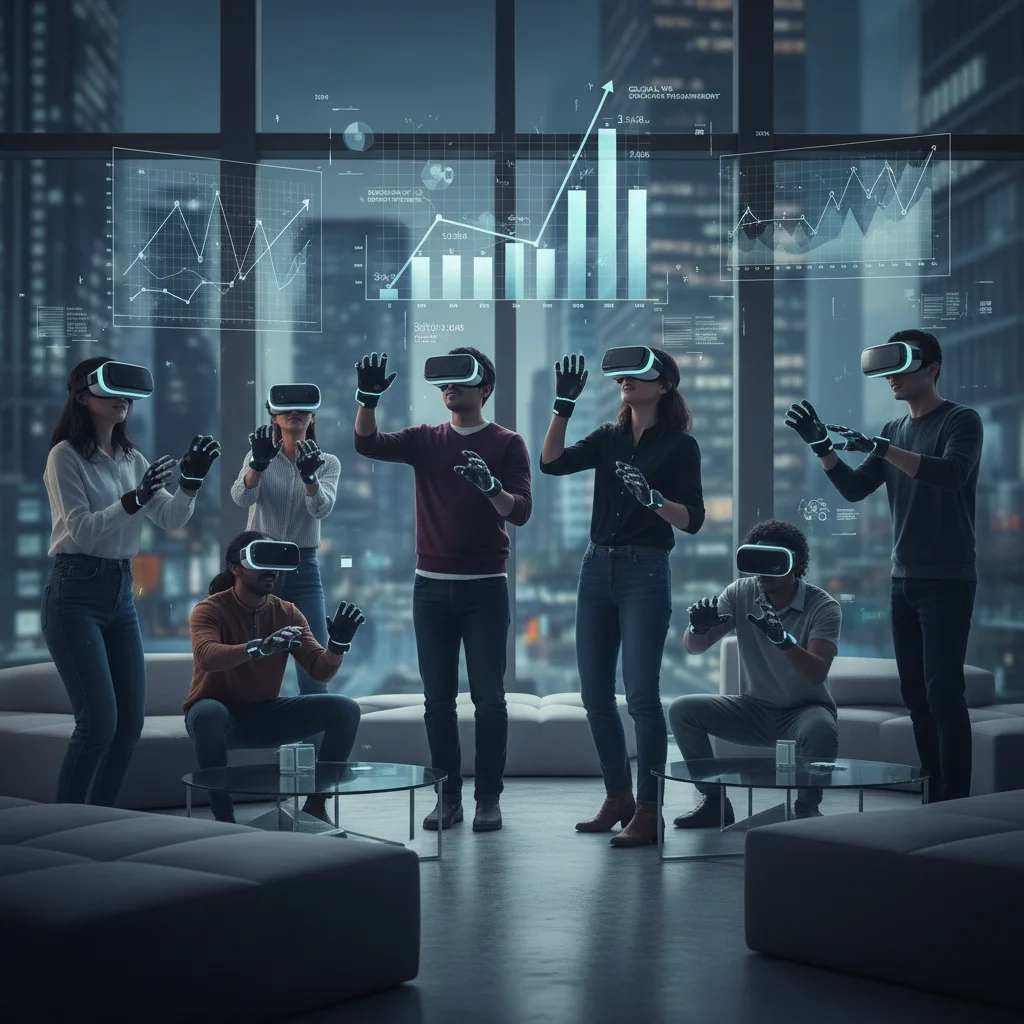
Gaming, once a subculture, has firmly cemented its place as a mainstream cultural pillar and a significant economic powerhouse. Esports viewership rivals traditional sports, attracting massive advertising dollars and sponsorships. Moreover, the development of immersive virtual reality (VR) and augmented reality (AR) experiences is pushing the boundaries of digital consumption. Consumers are investing not just in hardware but in a vast ecosystem of digital assets, virtual events, and interactive narratives. This cultural shift towards ‘experiential’ digital consumption means more spending on subscriptions, in-app purchases, and specialized equipment, directly impacting tech, entertainment, and even fashion industries as digital avatars become extensions of personal style.
The economic impact extends beyond direct purchases. The infrastructure required to support these digital trends—from data centers to broadband expansion—represents massive investments. Content creators, developers, and digital artists are forming an increasingly vital part of the workforce, contributing to the gig economy and fostering innovation. The cultural embrace of digital living is, therefore, a multifaceted economic engine, constantly evolving and demanding adaptive business strategies. Businesses that fail to recognize the profound influence of these digital cultural trends economy dynamics risk being left behind in a rapidly transforming market.
Sustainability and Ethical Consumption: A Moral Compass for Spending
Another powerful cultural trend reshaping American spending in 2026 is the heightened awareness and demand for sustainability and ethical consumption. This isn’t a fleeting fad but a deeply ingrained cultural value, particularly among younger generations, which is now influencing purchasing decisions across all demographics. Consumers are increasingly scrutinizing the environmental footprint of products, the labor practices of companies, and the overall social responsibility of brands. This cultural shift translates directly into economic behavior, favoring businesses that align with these values.
The ‘green’ economy is no longer a niche market; it’s a mainstream expectation. This means increased spending on organic foods, renewable energy solutions, electric vehicles, and ethically sourced fashion. There’s a growing preference for durable, repairable goods over disposable items, leading to a resurgence in repair services and second-hand markets. The cultural narrative around ‘fast fashion’ is shifting, with consumers opting for quality over quantity, and investing in brands that offer transparency in their supply chains. This directly impacts manufacturing, retail, and even agricultural sectors, pushing them towards more sustainable practices.
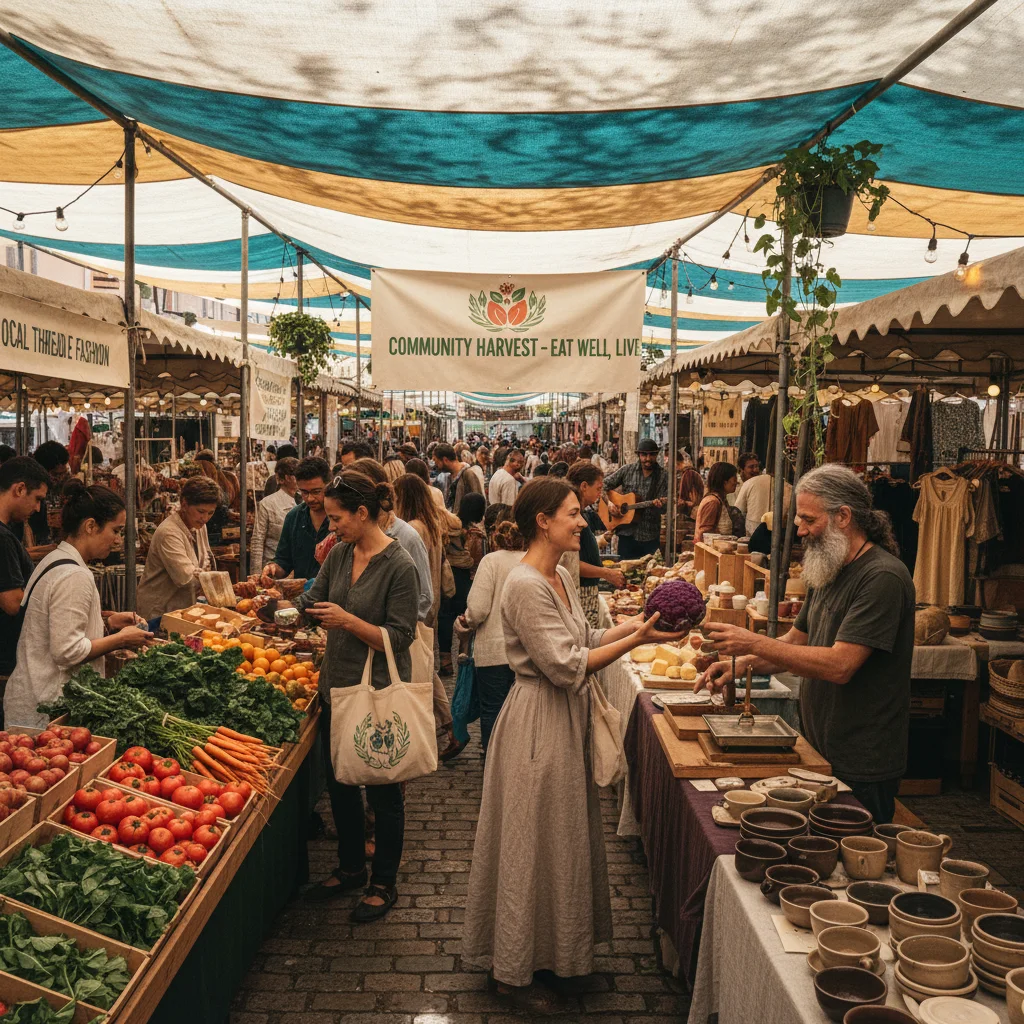
Furthermore, the cultural emphasis on localism and supporting small businesses is gaining traction. Consumers are more willing to pay a premium for locally sourced goods, artisan crafts, and services from community-based enterprises. This not only strengthens local economies but also fosters a sense of community and shared values. The demand for transparency regarding product origins and ethical sourcing is forcing companies to re-evaluate their entire business models. This cultural trend, therefore, acts as a moral compass for spending, guiding capital towards more responsible and sustainable ventures, profoundly impacting the overall cultural trends economy landscape.
The Influence of Social Media and Creator Economy on Consumer Choices
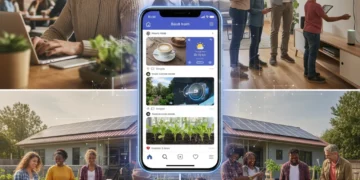
Social media platforms continue to be central to American cultural expression and, consequently, a massive driver of economic activity. In 2026, the ‘creator economy’ has matured significantly, transforming individuals into influential tastemakers and direct economic agents. Influencers across platforms like TikTok, Instagram, and YouTube are not just advertising products; they are shaping entire lifestyle trends, consumption habits, and even artistic preferences. Their recommendations directly translate into purchasing decisions, often bypassing traditional advertising channels.
This cultural phenomenon has led to a decentralization of influence. Niche communities formed around specific creators or interests on social media platforms create highly targeted markets. Brands are increasingly investing in influencer marketing, understanding that authentic endorsement from a trusted cultural figure can be far more effective than broad-stroke advertising. This means a significant portion of marketing budgets is now flowing directly into the creator economy, generating income for a new class of digital entrepreneurs.
Beyond direct purchases, social media also drives spending on experiences. The desire to capture ‘Instagrammable’ moments fuels tourism, dining out, and participation in cultural events. The aesthetic trends propagated on these platforms influence fashion, home décor, and even urban planning. The rise of direct-to-consumer (DTC) brands, often built and scaled through social media, demonstrates the power of these platforms to create and capture market share by directly connecting with culturally aligned consumers. The pervasive nature of social media in daily life ensures its continued role in shaping cultural trends economy dynamics, making it a critical area for economic analysis.
Wellness and Self-Improvement: Investing in Mind, Body, and Spirit
The cultural emphasis on wellness and self-improvement has evolved into a multi-billion dollar industry, significantly impacting national spending in 2026. This trend encompasses not just physical health but also mental well-being, personal development, and spiritual growth. The pandemic undoubtedly accelerated this cultural shift, making health and mindfulness central tenets of modern American life. Consumers are increasingly allocating their disposable income towards products and services that promise to enhance their overall well-being.
This includes a boom in fitness technology, from advanced wearables to personalized online coaching. The market for healthy foods, supplements, and plant-based diets continues to expand rapidly. Mental health services, once stigmatized, are now openly discussed and heavily invested in, leading to increased spending on therapy, meditation apps, and mindfulness retreats. Educational platforms offering skills development, personal coaching, and life enrichment courses are also experiencing significant growth. The cultural narrative encourages continuous self-betterment, fostering a consumer base willing to invest in themselves.
The economic ramifications are vast, impacting healthcare, food and beverage, technology, and education sectors. Companies that successfully tap into this cultural desire for well-being by offering authentic, effective, and ethically produced solutions are thriving. Conversely, industries perceived as detrimental to health or personal growth may face declining demand. The wellness movement is not just about individual choices; it’s a collective cultural commitment that is fundamentally recalibrating how Americans spend their money, making it a key factor in the overall cultural trends economy landscape.
Nostalgia and Retro Revival: The Comfort of the Past in Modern Spending
While innovation and forward-thinking define many cultural trends, 2026 also sees a powerful undercurrent of nostalgia and retro revival influencing consumer spending. In an increasingly complex and fast-paced world, many Americans find comfort and familiarity in cultural touchstones from previous decades. This isn’t just about fleeting fads; it’s a sustained appreciation for aesthetics, technologies, and experiences of the past, reinterpreted for the present.
This trend manifests in various ways. In fashion, cyclical trends bring back styles from the 80s, 90s, and early 2000s, often with a modern twist. Music consumption sees a continued rise in vinyl sales and a renewed appreciation for classic artists. Film and television are rife with reboots, sequels, and prequels to beloved franchises. Gaming platforms offer retro titles, and even technology sees a nostalgic bent, with companies releasing updated versions of classic gadgets or designing new products with a vintage aesthetic.
The economic impact is significant. Collectibles markets thrive, from vintage toys to classic video games. Brands leverage nostalgia in their marketing campaigns to connect with consumers on an emotional level. The demand for specific retro-inspired products creates specialized manufacturing and retail opportunities. This cultural inclination towards the past demonstrates that economic drivers aren’t solely about the new; they also involve a cyclical appreciation for what has come before, offering a unique dynamic within the broader cultural trends economy.
The Gig Economy and Experiential Spending: Valuing Freedom and Memories
The cultural shift towards valuing experiences over possessions, coupled with the flexibility offered by the gig economy, significantly impacts national spending. In 2026, more Americans are opting for flexible work arrangements, which in turn influences how and where they spend their money. The freedom afforded by the gig economy often translates into a greater willingness to invest in travel, unique events, and personalized services rather than accumulating material goods.
This cultural emphasis on ‘living in the moment’ and creating memorable experiences fuels sectors like tourism, hospitality, entertainment, and personal services. Concerts, festivals, art exhibitions, culinary experiences, and adventure travel are seeing sustained demand. There’s also a rise in spending on ‘upskilling’ and ‘reskilling’ through short courses and workshops, aligning with the gig economy’s need for adaptable skill sets. This reflects a cultural preference for investing in personal growth and enriching life experiences, rather than solely focusing on tangible assets.
The economic implications are clear: industries that facilitate experiences and offer flexibility are poised for growth. Businesses need to pivot from solely selling products to curating unforgettable moments and services. The gig economy also creates a dynamic consumer base, often with fluctuating incomes but a strong desire for meaningful engagement, further influencing the overall cultural trends economy landscape. This cultural shift underscores a broader re-evaluation of what constitutes ‘value’ in modern American society.
Diversity and Inclusivity: Reshaping Markets and Products
The growing cultural imperative for diversity and inclusivity is not just a social movement; it’s a powerful economic force shaping American spending in 2026. Consumers are increasingly demanding that brands reflect the diverse tapestry of society in their advertising, product offerings, and corporate values. This translates into significant shifts in market demand and product development across various industries.
In fashion and beauty, this means a wider range of sizes, skin tones, and hair types being catered to, leading to the success of brands that prioritize inclusivity. Entertainment industries are seeing a demand for more diverse representation both on-screen and behind the scenes, influencing production budgets and casting decisions. The publishing industry is expanding its offerings to include a broader array of voices and perspectives, leading to new literary trends and increased book sales in diverse genres.
Beyond explicit products, consumers are also evaluating the inclusivity of corporate cultures and supply chains. Businesses with strong diversity, equity, and inclusion (DEI) initiatives are often favored, reflecting a cultural desire for ethical and representative capitalism. This cultural trend encourages companies to engage in more thoughtful product development and marketing, ensuring that their offerings resonate with a broader, more diverse consumer base. The economic impact is profound, as companies that embrace diversity and inclusivity are better positioned to capture market share and foster brand loyalty within the evolving cultural trends economy.
Conclusion: The Interconnected Future of Culture and Economy
As we look at 2026, it’s undeniable that American artistic trends and cultural shifts are not merely peripheral observations but central drivers of national spending. The digital renaissance, the push for sustainability, the rise of the creator economy, the wellness movement, the allure of nostalgia, the focus on experiences, and the imperative for diversity and inclusivity are all interconnected threads in the complex tapestry of the cultural trends economy. These cultural currents dictate where money flows, what products succeed, and what values businesses must embody to thrive.
For businesses, understanding these cultural dynamics is no longer optional; it’s a strategic imperative. Adapting to evolving consumer values, embracing new technological platforms, and aligning with ethical considerations are key to sustained growth. For policymakers, recognizing the economic power of culture can inform decisions regarding innovation, education, and community development. And for consumers, being aware of how their cultural choices collectively shape the economy empowers them to be more intentional in their spending, driving positive change.
The economic echo of culture is a continuous feedback loop, where artistic expression influences consumer behavior, which in turn shapes economic outcomes, fostering new cultural trends. As Americans continue to define and redefine their cultural identity, the financial landscape will undoubtedly continue to mirror these profound transformations. The future of the American economy in 2026 and beyond is inextricably linked to the vibrant, dynamic, and ever-evolving pulse of its culture.