Mastering Personal Effectiveness: 5 Steps to Conquer Procrastination and Boost Productivity in 2026

The dawn of a new year, 2026, brings with it renewed aspirations and the perennial desire for self-improvement. For many, this means a commitment to enhancing personal effectiveness – a holistic approach to achieving more with less effort, reducing stress, and ultimately, living a more fulfilling life. But how often do these resolutions fade by February, swallowed by the relentless tide of daily demands and, more often than not, the insidious grip of procrastination? This comprehensive guide is designed to equip you with five actionable steps, grounded in psychological principles and practical strategies, to transform your approach to productivity and personal effectiveness steps, ensuring your goals for 2026 not only survive but thrive.
Personal effectiveness is not merely about working harder; it’s about working smarter, with intention and purpose. It involves understanding your motivations, managing your time, focusing your energy, and building resilience against setbacks. In a world brimming with distractions and an ever-increasing pace of life, mastering personal effectiveness is no longer a luxury but a necessity for anyone aspiring to achieve significant personal and professional milestones. By integrating these personal effectiveness steps into your daily routine, you can create a powerful framework for sustained growth and accomplishment.
Procrastination, often mistaken for laziness, is a complex psychological phenomenon rooted in emotional regulation challenges. It’s the act of delaying or postponing a task or set of tasks, despite knowing that there will be negative consequences. Understanding its roots is the first step towards overcoming it. This article will delve into practical, research-backed methods to dismantle procrastination, paving the way for a more productive and personally effective 2026. Let’s embark on this transformative journey together, starting with foundational principles and building towards advanced strategies that will make your personal effectiveness steps a natural part of your life.
Understanding Personal Effectiveness and Its Pillars
Before diving into the actionable steps, it’s crucial to define what personal effectiveness truly means. It’s the ability to consistently achieve desired outcomes in various aspects of your life – be it career, relationships, health, or personal development – with optimal use of your resources, particularly time and energy. It’s about aligning your actions with your values and long-term goals, ensuring that every effort contributes meaningfully to your overall vision. The pillars of personal effectiveness include:
- Clarity: Knowing what you want to achieve and why.
- Focus: Directing your attention and energy towards high-priority tasks.
- Discipline: Consistently taking action, even when motivation wanes.
- Adaptability: Adjusting to changing circumstances and learning from experiences.
- Resilience: Bouncing back from challenges and setbacks.
These pillars form the bedrock upon which our five personal effectiveness steps are built. Without a clear understanding of these foundational elements, any attempt to boost productivity might be superficial and short-lived. Our goal is to cultivate deep-rooted habits that foster genuine, sustainable personal effectiveness. This holistic approach ensures that you’re not just ticking off tasks, but truly progressing towards a more impactful and fulfilling life. By internalizing these concepts, you’re setting yourself up for long-term success in implementing the personal effectiveness steps that follow.
Step 1: Clarify Your Vision and Set SMART Goals
The first and arguably most critical of the personal effectiveness steps is to establish a clear vision for what you want to achieve in 2026 and translate that vision into concrete, actionable goals. Without a destination, any road will do, and without clear goals, your efforts will be scattered and ineffective. This is where the SMART goal-setting framework comes into play: Specific, Measurable, Achievable, Relevant, and Time-bound.
Specific
Vague goals like “I want to be more productive” are difficult to act upon. Instead, make your goals specific. For example, “I will complete my major project proposal by March 15th, 2026,” or “I will exercise for 30 minutes, five times a week.” Specificity provides direction and helps you visualize success, making it easier to commit to these personal effectiveness steps.
Measurable
How will you know if you’ve achieved your goal? Incorporate metrics. “Read more books” becomes “Read 12 non-fiction books by December 31st, 2026.” Measurable goals allow you to track progress, celebrate small wins, and adjust your approach if necessary, reinforcing your commitment to personal effectiveness steps.
Achievable
While it’s good to challenge yourself, setting unrealistic goals can lead to burnout and demotivation. Ensure your goals are within your reach, considering your resources, skills, and constraints. An achievable goal fosters a sense of possibility and encourages consistent effort, vital for effective personal effectiveness steps.
Relevant
Your goals should align with your broader vision and values. Is this goal truly important to you? Does it contribute to your long-term aspirations? A relevant goal provides intrinsic motivation, making it easier to stay committed when faced with obstacles. This relevance is a cornerstone of sustainable personal effectiveness steps.
Time-bound
Every goal needs a deadline. “I want to learn a new skill” is open-ended. “I will complete an online course in data analytics by June 30th, 2026” creates urgency and a clear endpoint. Deadlines prevent procrastination and provide a sense of accomplishment upon completion, driving forward your personal effectiveness steps.
Once your SMART goals are defined, break them down into smaller, manageable tasks. This technique, often referred to as ‘chunking,’ makes large goals seem less daunting and easier to start. For instance, if your goal is to write a book, your first task might be to outline chapter one, then write 500 words, and so on. This systematic approach is a fundamental aspect of effective personal effectiveness steps.
Step 2: Master Time Management with Strategic Prioritization
Effective time management is not about fitting more into your day; it’s about making conscious choices about how you spend your time, aligning it with your priorities. This is where strategic prioritization becomes one of the most impactful personal effectiveness steps. There are numerous techniques, but understanding the core principles is key.
The Eisenhower Matrix
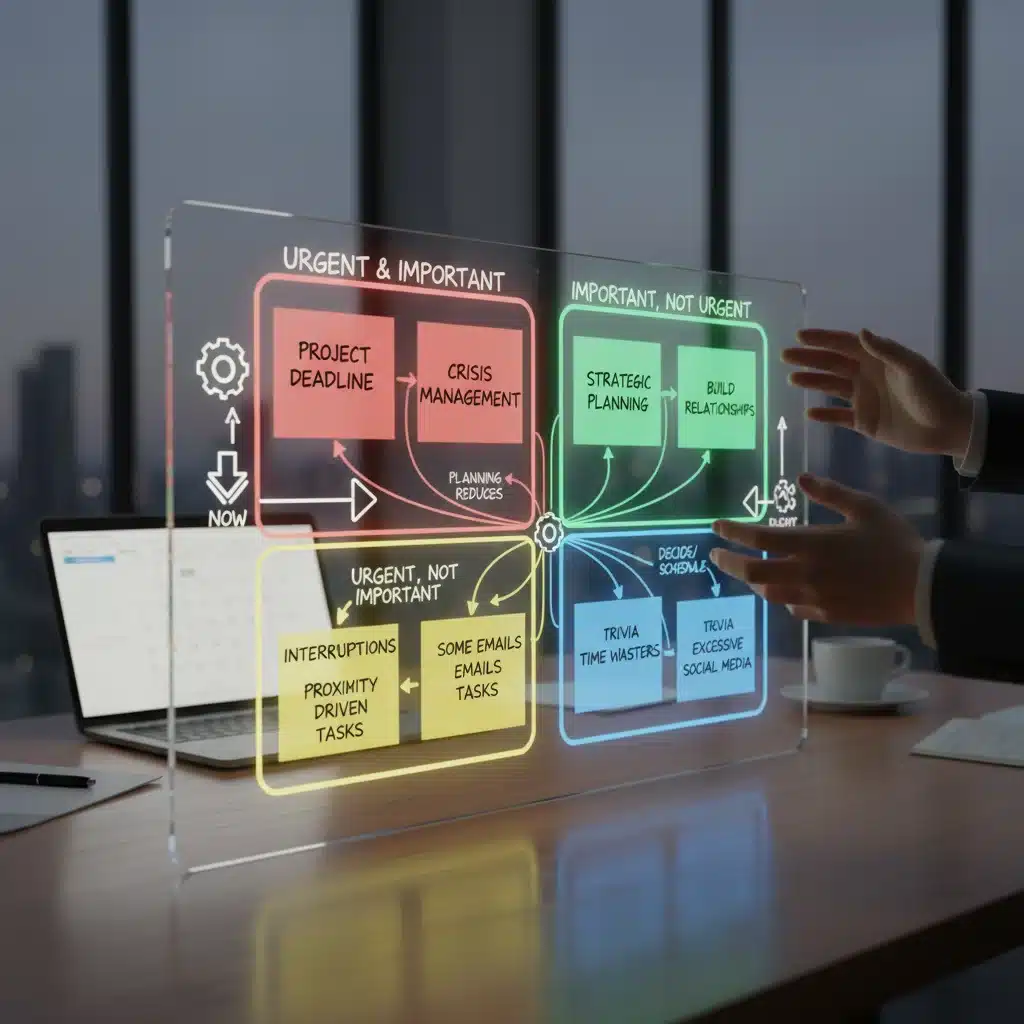
One of the most powerful tools for prioritization is the Eisenhower Matrix, which categorizes tasks based on their urgency and importance:
- Urgent and Important (Do First): These are critical tasks that require immediate attention. Crises, deadlines, pressing problems.
- Important but Not Urgent (Schedule): These are crucial for long-term success but don’t demand immediate action. Planning, relationship building, personal development, prevention. This quadrant is where true personal effectiveness steps are built.
- Urgent but Not Important (Delegate): These tasks demand immediate attention but don’t contribute significantly to your long-term goals. Interruptions, some emails, certain meetings.
- Not Urgent and Not Important (Eliminate): These are distractions that should be minimized or avoided entirely. Time-wasters, some social media, excessive entertainment.
By consistently applying the Eisenhower Matrix, you can shift your focus from reactive firefighting to proactive growth, dedicating more time to the ‘Important but Not Urgent’ tasks that truly drive personal effectiveness. This strategic approach to time allocation is a cornerstone of successful personal effectiveness steps.
Time Blocking
Another effective technique is time blocking, where you schedule specific blocks of time for specific tasks in your calendar. Treat these blocks as non-negotiable appointments. This helps you commit to tasks, reduces decision fatigue, and ensures that high-priority items get the attention they deserve. For example, dedicate 9 AM to 11 AM each day to your most important project. This structured approach is crucial for implementing personal effectiveness steps consistently.
The Pomodoro Technique
For tackling individual tasks, the Pomodoro Technique can be incredibly effective. Work for 25 minutes (one Pomodoro) with intense focus, then take a 5-minute break. After four Pomodoros, take a longer break (15-30 minutes). This technique helps maintain focus, prevents burnout, and makes daunting tasks seem more manageable, breaking them down into digestible personal effectiveness steps.
Step 3: Combat Procrastination with Mindset Shifts and Practical Tools
Procrastination is often more about managing emotions than managing time. It’s a coping mechanism for dealing with challenging emotions aroused by a task, such as anxiety, boredom, insecurity, or resentment. To overcome it, we need to address these underlying emotional triggers and employ specific personal effectiveness steps.
Identify the Root Cause
When you find yourself procrastinating, pause and ask yourself: What emotion am I avoiding right now? Am I afraid of failure? Is the task too overwhelming? Am I bored? Understanding the ‘why’ behind your procrastination is the first step to addressing it effectively. This introspection is a powerful personal effectiveness step.
The Two-Minute Rule
For tasks you’re putting off, if it takes less than two minutes to do, do it immediately. This simple rule, popularized by David Allen in ‘Getting Things Done,’ can prevent small tasks from accumulating and becoming overwhelming. Answering an email, putting away dishes, or making a quick call – just do it. This instant action cultivates momentum and reduces the mental load, making it an excellent personal effectiveness step.
Break Down Overwhelming Tasks
As mentioned in Step 1, ‘chunking’ large tasks into smaller, more manageable steps can significantly reduce the feeling of overwhelm. Focus only on the very next, smallest action you can take. For example, if you need to write a report, your first step isn’t ‘write report,’ but ‘open document’ or ‘create a title.’ This micro-commitment makes starting much easier, a key personal effectiveness step.
Reward System
Implement a reward system for completing difficult tasks. This could be anything from a short break, a favorite snack, or a few minutes of social media. Positive reinforcement can rewire your brain to associate challenging tasks with positive outcomes, making them less aversive over time. This psychological hack is a potent personal effectiveness step.
Accountability Partners
Share your goals with a trusted friend, colleague, or mentor. Knowing that someone else is aware of your commitments can provide an extra layer of motivation and accountability. Regular check-ins can keep you on track and provide encouragement when you need it most. This external push is often a critical personal effectiveness step.
Step 4: Cultivate Focus and Minimize Distractions
In our hyper-connected world, distractions are everywhere, constantly vying for our attention and eroding our personal effectiveness. Cultivating deep focus is an essential skill, and it requires intentional effort and the implementation of specific personal effectiveness steps.
Create a Conducive Environment
Your physical environment plays a significant role in your ability to focus. Declutter your workspace, ensure good lighting, and minimize noise. If possible, designate a specific area solely for focused work. A clean and organized space often translates to a clear and organized mind, making it easier to implement personal effectiveness steps.
Digital Detox Strategies
Our digital devices are arguably the biggest source of distraction. Implement strategies to minimize their impact:
- Turn off notifications: Most notifications are designed to pull your attention away. Turn off all non-essential alerts on your phone and computer.
- Use website blockers: Tools like Freedom or Cold Turkey can block distracting websites and apps during your dedicated work periods.
- Scheduled email/social media checks: Instead of constantly checking, designate specific times of the day to process emails and engage with social media.
- Put your phone away: Physically remove your phone from your workspace during deep work sessions. Out of sight, out of mind.
These digital personal effectiveness steps are crucial for maintaining concentration in today’s digital landscape.
Practice Mindfulness and Meditation
Mindfulness is the practice of being present and fully engaged in the current moment. Regular mindfulness exercises, even just 5-10 minutes a day, can significantly improve your ability to focus, reduce mental clutter, and enhance emotional regulation. This, in turn, makes you less susceptible to internal distractions like wandering thoughts or anxieties, making it a powerful personal effectiveness step. Meditation trains your brain to stay present, which directly translates to improved concentration on tasks.
Single-Tasking vs. Multitasking
While multitasking might seem efficient, research consistently shows it reduces productivity and increases errors. Our brains are not designed to truly multitask; instead, we rapidly switch between tasks, incurring a ‘switching cost’ each time. Practice single-tasking: dedicate your full attention to one task until it’s complete or a designated block of time ends. This focused approach is a fundamental personal effectiveness step.
Step 5: Embrace Continuous Learning and Self-Care
Personal effectiveness is not a destination but a continuous journey of growth and adaptation. The final set of personal effectiveness steps focuses on sustaining your efforts and preventing burnout through learning and self-care.
Regular Review and Adjustment
Schedule regular review sessions – weekly, monthly, quarterly – to assess your progress towards your goals. What went well? What didn’t? What did you learn? Are your goals still relevant? Adjust your strategies and goals as needed. This iterative process of planning, acting, reviewing, and adjusting is crucial for long-term personal effectiveness. It ensures your personal effectiveness steps remain dynamic and responsive to your evolving needs.
Seek Feedback and Learn from Others
Don’t be afraid to ask for feedback on your performance and processes. External perspectives can offer valuable insights you might miss. Additionally, read books, listen to podcasts, and take courses on productivity, time management, and personal development. There’s always something new to learn and integrate into your personal effectiveness steps.
Prioritize Self-Care (Sleep, Nutrition, Exercise)
You cannot pour from an empty cup. Neglecting your physical and mental well-being is a sure path to burnout and decreased effectiveness. Self-care is not a luxury; it’s a fundamental requirement for sustained high performance. Key elements include:
- Adequate Sleep: Aim for 7-9 hours of quality sleep per night. Sleep deprivation impairs cognitive function, decision-making, and emotional regulation.
- Nutritious Diet: Fuel your body and brain with healthy, balanced meals. Avoid excessive sugar and processed foods that lead to energy crashes.
- Regular Exercise: Physical activity boosts energy, reduces stress, improves mood, and enhances cognitive function. Find an activity you enjoy and make it a consistent part of your routine.
- Breaks and Downtime: Schedule regular breaks throughout your day and ensure you have dedicated downtime for relaxation and hobbies. This helps recharge your mental batteries.
These self-care personal effectiveness steps are non-negotiable for long-term productivity and well-being. They form the foundation upon which all other personal effectiveness steps are built, ensuring you have the energy and mental fortitude to consistently perform at your best.
Embrace Failure as a Learning Opportunity
You will inevitably face setbacks and failures. Instead of viewing them as defeats, see them as invaluable learning opportunities. Analyze what went wrong, extract the lessons, and apply them moving forward. Resilience is a key component of personal effectiveness, and it’s built through overcoming challenges. This mindset shift is a crucial personal effectiveness step that transforms obstacles into stepping stones.
Integrating These Personal Effectiveness Steps into Your Life
Implementing these personal effectiveness steps isn’t about making drastic changes overnight. It’s about consistent, incremental improvements. Start small, choose one or two steps to focus on initially, and gradually integrate more as they become habits. Consistency is far more important than intensity when it comes to building lasting personal effectiveness.
Consider starting with Step 1: Clarifying your vision and setting SMART goals for 2026. This foundational work will provide the direction you need. Then, move to Step 2, focusing on strategic prioritization using tools like the Eisenhower Matrix. As you gain momentum, tackle procrastination with the techniques in Step 3, cultivate focus with Step 4, and finally, ensure sustainability with Step 5’s emphasis on continuous learning and self-care.
Remember that personal effectiveness is a journey, not a destination. There will be days when you feel incredibly productive and days when you struggle. The key is to remain patient with yourself, celebrate your progress, and continue to apply these personal effectiveness steps consistently. Your commitment to these practices will compound over time, leading to significant transformations in your productivity, well-being, and overall quality of life.
Conclusion: Your Most Effective Year Yet
As we navigate 2026, the opportunity to redefine your relationship with work, time, and personal growth is immense. By diligently applying these five personal effectiveness steps – clarifying your vision and setting SMART goals, mastering time management through strategic prioritization, combating procrastination with mindset shifts and practical tools, cultivating focus and minimizing distractions, and embracing continuous learning and self-care – you are not just aiming for a productive year; you are building a foundation for a lifetime of enhanced effectiveness.
The journey from procrastination to unparalleled personal effectiveness is within your grasp. It requires commitment, self-awareness, and a willingness to adapt. But the rewards – reduced stress, increased accomplishment, greater fulfillment, and a deeper sense of purpose – are immeasurable. Make 2026 the year you truly unlock your potential and embody what it means to be personally effective. Start today, take that first small step, and watch as these personal effectiveness steps transform your aspirations into reality.