Achievable Goals: Your 3-Phase Plan for 12-Month Success

In the vast landscape of personal development and ambition, the concept of setting goals is often championed as the cornerstone of success. However, merely setting goals isn’t enough; the true art lies in setting achievable goals. Without a clear, actionable, and realistic framework, even the most inspiring aspirations can quickly dissolve into frustration and self-doubt. This comprehensive guide is designed to equip you with a robust, 3-phase approach to not just set, but genuinely achieve your personal success within the next 12 months. We’ll delve deep into strategies that transform vague wishes into concrete realities, ensuring your journey toward success is both fulfilling and sustainable.
The journey to personal success is rarely a straight line. It’s a dynamic process that requires introspection, planning, execution, and continuous adaptation. Many individuals embark on this journey with great enthusiasm, only to find themselves adrift when faced with the complexities of real-world application. This is where the emphasis on achievable goals becomes paramount. It’s about breaking down monumental dreams into manageable steps, creating a roadmap that guides you from your current state to your desired future. Our 3-phase system is meticulously crafted to address these challenges, providing a structured yet flexible pathway to realizing your aspirations.
Before we dive into the specifics of each phase, let’s understand why focusing on achievable goals is so crucial. Unrealistic goals can lead to burnout, demotivation, and a profound sense of failure. Conversely, setting goals that are within your reach, yet still challenging, fosters a sense of accomplishment, builds momentum, and reinforces positive habits. This guide aims to empower you to cultivate a mindset where every goal set is a goal destined for achievement, thereby maximizing your potential for personal growth and sustained success.
Phase 1: The Foundation – Defining Your Achievable Goals (Months 1-3)
The first quarter of your 12-month journey is all about laying a solid foundation. This phase is critical for ensuring that the goals you set are not only inspiring but also genuinely achievable goals. Without proper definition and strategic planning, even the best intentions can falter. Here, we’ll focus on introspection, clarity, and the initial structuring of your aspirations.
Self-Reflection and Vision Casting
Before you can set any goal, you need to understand what truly matters to you. What does ‘personal success’ look like for you? Is it career advancement, improved health, stronger relationships, financial independence, or a combination of these? Take time for deep self-reflection. Journaling, meditation, or even talking to a trusted friend or mentor can help clarify your core values and long-term vision. Ask yourself: What would make the next 12 months truly transformative for me? What areas of my life need the most attention and improvement?
This isn’t about setting specific targets just yet, but rather about painting a broad picture of your ideal future. Visualize yourself 12 months from now, having achieved your most significant aspirations. What does that feel like? What are you doing? Who are you with? This vision casting acts as your ultimate compass, guiding all subsequent goal-setting efforts toward genuinely achievable goals that resonate with your deepest desires.
SMART Goal Setting: The Gold Standard for Achievable Goals
Once you have a clearer vision, it’s time to translate that into concrete, achievable goals using the SMART framework. SMART stands for:
- Specific: Your goal should be clear and well-defined, not vague. Instead of “I want to get fit,” aim for “I want to run a 5k race in under 30 minutes.”
- Measurable: You need a way to track your progress and know when you’ve achieved your goal. How will you measure success? For the 5k example, the time is measurable.
- Achievable: This is where the core concept of achievable goals comes in. Is your goal realistic given your current resources, skills, and time constraints? While challenging, it shouldn’t be impossible.
- Relevant: Your goal should align with your broader vision and values. Does it truly matter to you? Will achieving it contribute to your overall personal success?
- Time-bound: Set a deadline for your goal. This creates urgency and helps you prioritize. For our 12-month plan, each major goal should have a clear timeframe within that year.
For each major area of your life (e.g., career, health, relationships, personal growth), identify 1-3 SMART goals that you want to achieve within the next 12 months. Remember, fewer, well-defined, and achievable goals are far more effective than many vague ones.
Breaking Down Big Goals into Smaller Steps
Even the most achievable goals can feel overwhelming if you only look at the final outcome. The key to maintaining momentum and avoiding paralysis is to break down each 12-month goal into smaller, more manageable milestones. Think of these as stepping stones. For example, if your goal is to write a book in 12 months, your milestones might include:
- Month 1-3: Outline the book and complete Chapter 1.
- Month 4-6: Complete Chapters 2-5.
- Month 7-9: Complete Chapters 6-10.
- Month 10-12: Edit the manuscript and prepare for publishing.
Each milestone should also be SMART. This process transforms a daunting task into a series of achievable goals, making the overall journey feel less intimidating and more progressive. By the end of Phase 1, you should have a clear vision, 3-5 major SMART goals for the year, and an initial breakdown of the first few milestones for each.
Phase 2: The Ascent – Executing and Adapting Your Plan (Months 4-9)
With a solid foundation in place, Phase 2 is all about action, consistent effort, and smart adaptation. This is where the rubber meets the road, and your commitment to achieving your achievable goals is truly tested. This six-month period requires discipline, resilience, and the ability to adjust your course as needed.
Developing Actionable Strategies and Habits
Setting milestones is a great start, but you need daily and weekly actions to reach them. For each milestone, identify the specific tasks you need to complete. For instance, if a milestone is ‘Complete Chapter 1,’ the tasks might include ‘research topic X,’ ‘write 500 words daily,’ ‘edit previous day’s writing.’ These tasks form your daily habits, which are the true engines of progress towards achievable goals.
Focus on building small, consistent habits. James Clear, in his book ‘Atomic Habits,’ emphasizes that tiny changes can lead to remarkable results. Instead of aiming for perfection, aim for consistency. Even 15-30 minutes of focused work each day on a specific goal can accumulate into significant progress over months. Integrate these habits into your existing routine, making them as frictionless as possible.
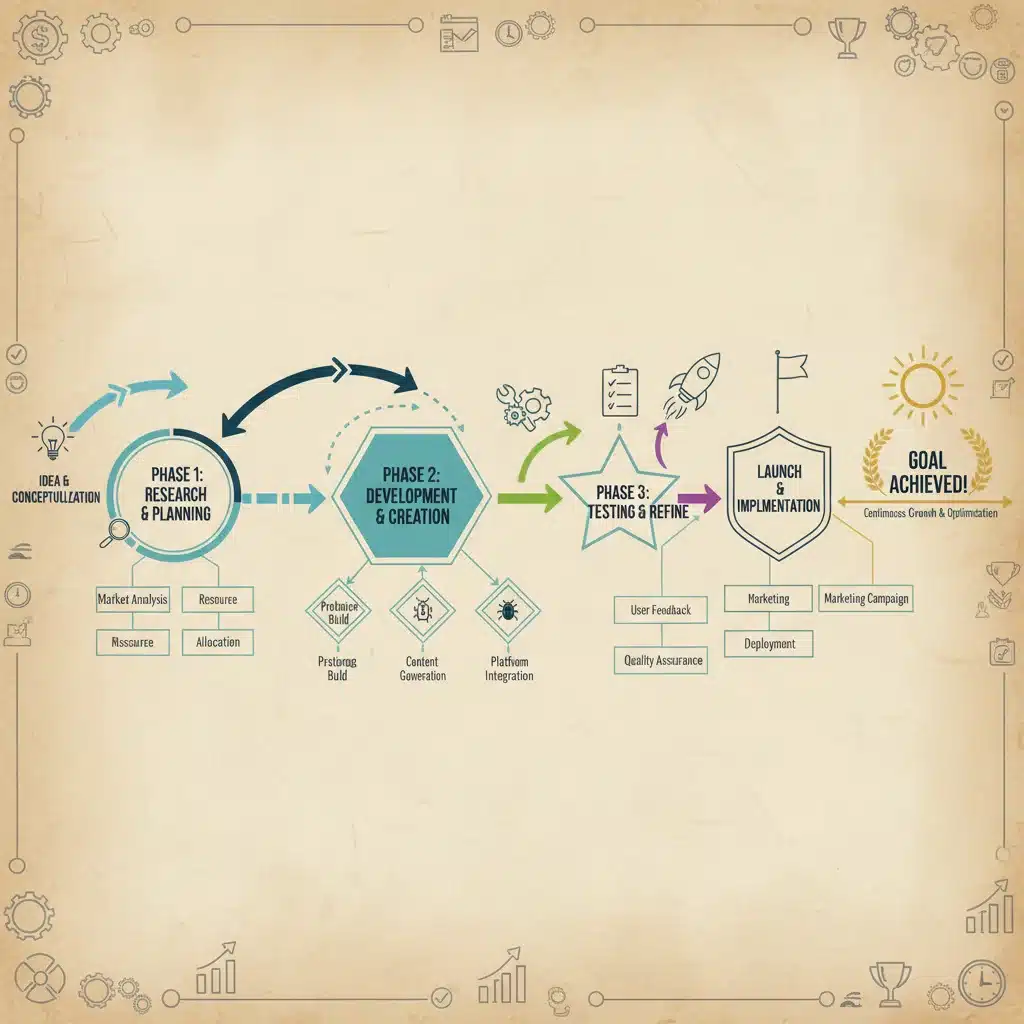
Time Management and Prioritization
Effective time management is crucial for executing your plan and making your goals achievable goals. Techniques like the Pomodoro Technique (25 minutes of focused work, 5-minute break), time blocking (scheduling specific blocks of time for specific tasks), and the Eisenhower Matrix (categorizing tasks by urgency and importance) can be incredibly helpful. Identify your peak productivity times and dedicate those to your most challenging goal-related tasks.
Prioritization is equally important. Not all tasks are created equal. Focus on tasks that move the needle most significantly towards your milestones. Learn to say no to distractions and commitments that don’t align with your achievable goals. Regularly review your task list and adjust priorities as circumstances change.
Tracking Progress and Celebrating Small Wins
Consistent tracking is essential for staying motivated and making sure your achievable goals remain on track. Use a planner, a spreadsheet, or a dedicated app to monitor your daily and weekly progress. Seeing tangible evidence of your efforts can be a powerful motivator. Don’t just track what you’ve achieved, but also what you’ve learned and how you’ve adapted.
Equally important is celebrating small wins. Acknowledging your progress, no matter how minor, reinforces positive behavior and provides a much-needed boost of dopamine. Finished a tough chapter? Treat yourself to a favorite coffee. Hit your weekly workout target? Enjoy a relaxing evening. These small celebrations are not rewards for the final goal, but for the consistent effort towards making your goals achievable goals every single day.
Overcoming Obstacles and Adapting Your Approach
No plan survives first contact with reality unscathed. You will encounter obstacles, setbacks, and unexpected challenges. This is normal. The key is not to give up, but to adapt. When faced with a roadblock, take a step back and analyze the situation. Is your goal still achievable goals? Do you need to adjust your timeline, your strategy, or even the goal itself?
Flexibility is a superpower in goal achievement. Don’t be rigidly attached to your initial plan if it’s clearly not working. Perhaps you overestimated your available time, or a new opportunity has arisen that requires a shift in focus. Regularly review your progress (monthly or quarterly) and be prepared to pivot. This iterative process of planning, acting, reviewing, and adapting is what truly makes long-term goals achievable goals.
Phase 3: The Summit – Sustaining Success and Future Planning (Months 10-12)
As you enter the final quarter of your 12-month journey, the focus shifts from intense execution to refinement, completion, and the crucial task of sustaining your newly achieved success. This phase ensures that the achievable goals you’ve worked so hard for aren’t just temporary victories but stepping stones to continued growth.
Final Push and Goal Completion
With your 12-month deadline approaching, this is the time for a final, focused push. Revisit your original SMART goals and their associated milestones. Identify any remaining tasks and prioritize them relentlessly. Eliminate distractions and dedicate significant chunks of time to bringing your goals to completion. This period often requires an extra burst of energy and determination.
It’s also a time to reflect on how far you’ve come. The progress you’ve made, the skills you’ve acquired, and the challenges you’ve overcome are all testaments to your commitment to setting and achieving achievable goals. Use this reflection as fuel for your final efforts.
Reviewing and Reflecting on Your Achievements
Once your 12-month period concludes, or as you complete individual major goals, dedicate significant time to a thorough review. This is more than just checking off a box; it’s about understanding the journey. Ask yourself:
- Did I achieve my achievable goals? If yes, what strategies worked best?
- If not, what were the primary obstacles? What could I have done differently?
- What new skills did I develop?
- How did I grow as a person throughout this process?
- What surprised me?
- What lessons can I carry forward into future goal-setting endeavors?
This reflection is invaluable for refining your approach to setting achievable goals in the future. It helps you understand your strengths, weaknesses, and what truly motivates you.

Integrating Success into Your Lifestyle
Achieving a goal is fantastic, but true success lies in integrating the positive changes into your lifestyle. If your goal was to run a marathon, how will you maintain a healthy running routine? If it was to learn a new language, how will you continue practicing? The habits you built during Phase 2 are crucial here. Don’t let your hard-won progress slide back.
Think about how your completed goals have transformed you. How can you leverage these transformations for continuous personal growth? This integration ensures that the effort put into making your goals achievable goals results in lasting positive impact on your life.
Setting New Achievable Goals for the Future
Success is not a destination; it’s a continuous journey. As you complete your 12-month goals, it’s natural to look ahead. Use the lessons learned from this cycle to set your next set of achievable goals. Perhaps your success in one area has opened up new possibilities or revealed new aspirations. The process of setting and achieving goals becomes a skill in itself, one that you can continuously hone and apply to every aspect of your life.
Consider setting a combination of short-term (3-month), mid-term (6-month), and long-term (1-3 year) goals. This creates a cascade of objectives that keeps you engaged and motivated. Remember to always apply the SMART framework, ensuring that each new aspiration is a truly achievable goals.
Common Pitfalls and How to Avoid Them
Even with the best framework, challenges arise. Understanding common pitfalls can help you navigate them more effectively, ensuring your goals remain achievable goals.
Overcommitment
Trying to do too much at once is a common trap. While enthusiasm is great, spreading yourself too thin can lead to burnout and failure. Focus on a few key achievable goals rather than many half-hearted attempts. It’s better to achieve three significant goals than to make minimal progress on ten.
Lack of Accountability
It’s easy to let personal goals slide when no one else is watching. Find an accountability partner, join a mastermind group, or regularly report your progress to a mentor. External accountability can provide the extra push needed to stay committed to your achievable goals.
Perfectionism
The desire for perfection can be a significant roadblock. It often leads to procrastination and an unwillingness to start unless everything is just right. Remember the adage: “Done is better than perfect.” Focus on consistent progress and iterative improvement. You can always refine your work later, but you can’t improve what hasn’t been started.
Ignoring Setbacks
Setbacks are an inevitable part of any challenging endeavor. Ignoring them or letting them derail your entire plan is counterproductive. Instead, view setbacks as learning opportunities. Analyze what went wrong, adjust your strategy, and move forward. Resilience is a key trait of those who consistently achieve their achievable goals.
Lack of Self-Care
Pushing yourself relentlessly without adequate rest, nutrition, and mental breaks will eventually lead to exhaustion and decreased productivity. Prioritize self-care as an integral part of your goal-achieving strategy. A well-rested, healthy mind and body are far more capable of tackling challenges and sustaining effort towards achievable goals.
The Power of Mindset in Achieving Your Goals
Beyond the practical steps, your mindset plays an enormous role in whether your goals remain achievable goals or become elusive dreams. Cultivating a positive and resilient mindset is just as important as the planning and execution phases.
Growth Mindset vs. Fixed Mindset
As popularized by Carol Dweck, a growth mindset believes that abilities and intelligence can be developed through dedication and hard work. A fixed mindset, conversely, assumes these traits are static. When pursuing achievable goals, a growth mindset is indispensable. It allows you to see challenges as opportunities for learning and improvement, rather than insurmountable barriers. Embrace the idea that you can always learn, adapt, and improve.
Positive Self-Talk and Visualization
The way you talk to yourself profoundly impacts your motivation and belief in your ability to achieve your goals. Replace negative self-talk with positive affirmations. Instead of “I can’t do this,” try “I will find a way to do this.” Regularly visualize yourself successfully achieving your achievable goals. This mental rehearsal can boost your confidence and prepare your mind for success.
Embracing Discomfort
Personal growth and achieving significant goals often involve stepping outside your comfort zone. There will be moments of discomfort, uncertainty, and even fear. Learn to embrace these feelings as signs that you are growing. Discomfort is not a signal to stop, but often a sign that you are on the right path towards truly achievable goals that push your boundaries.
Conclusion: Your Path to Achievable Goals and Lasting Success
Setting achievable goals is not just about ticking off items on a list; it’s about intentional living, personal growth, and creating a future that genuinely excites you. Our 3-phase approach – Defining, Executing, and Sustaining – provides a robust framework to guide you through the next 12 months, transforming your aspirations into tangible realities.
Remember, the journey of a thousand miles begins with a single step, but it is sustained by consistent, well-planned steps. By focusing on SMART goals, breaking them into manageable milestones, building strong habits, and adapting with resilience, you empower yourself to navigate the complexities of life and emerge victorious. Embrace the process, celebrate every small victory, and continually refine your approach. Your personal success within the next 12 months is not just a possibility; with this framework, it becomes an achievable goals.
Start today. Take that first step in defining your vision. Break down your biggest dreams into their smallest components. Commit to the process, and watch as your year unfolds into a testament to your power to create the life you desire. The future is yours to shape, one achievable goal at a time.