Collaborative Creative Projects: Maximizing Impact and Reach for US Artists in 2026
Collaborative Creative Projects: Maximizing Impact and Reach for US Artists in 2026
The landscape of the arts is constantly evolving, and for US artists looking to make a significant mark in 2026, embracing Artist Collaboration Impact is no longer just an option—it’s a strategic imperative. In an increasingly interconnected world, the power of collective creativity offers unparalleled opportunities to expand artistic horizons, engage broader audiences, and amplify the resonance of your work. This comprehensive guide delves into the transformative potential of collaborative creative projects, offering insights, strategies, and practical advice for artists aiming to maximize their impact and reach in the coming year.
The Shifting Paradigm: Why Artist Collaboration Impact Matters More Than Ever
For decades, the image of the solitary artist toiling away in their studio has been romanticized. While individual artistic vision remains crucial, the modern art world, particularly in the United States, is increasingly recognizing the profound benefits of collaborative creative projects. Why this shift? Several factors contribute to the growing importance of Artist Collaboration Impact:
Breaking Down Silos and Expanding Creative Boundaries
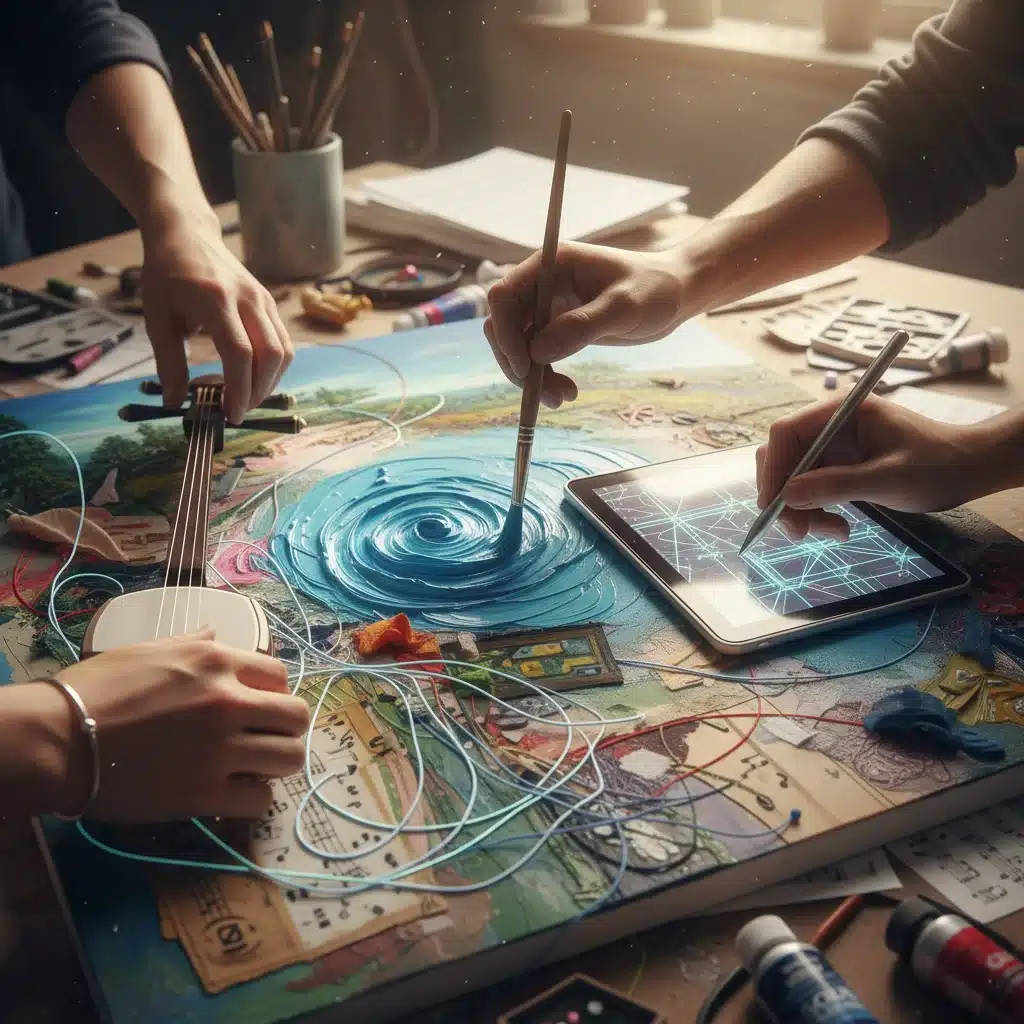
Collaboration naturally encourages artists to step outside their comfort zones and engage with different disciplines, techniques, and perspectives. A painter working with a musician might explore new ways to visualize sound; a sculptor collaborating with a digital artist could create immersive augmented reality experiences. This cross-pollination of ideas often leads to truly innovative and groundbreaking work that would be difficult, if not impossible, for a single artist to achieve alone. The fusion of diverse skills and artistic languages enriches the final product, making it more complex, nuanced, and ultimately, more impactful.
Enhanced Visibility and Audience Reach
One of the most tangible benefits of collaborative creative projects is the immediate expansion of audience reach. When artists from different networks come together, they pool their respective fan bases, followers, and professional connections. This means a project launched by two or more artists instantly has access to a significantly larger and more diverse audience than any single artist could command. This amplified visibility is crucial in a crowded cultural landscape, helping artists cut through the noise and capture the attention of new patrons, critics, and collectors. Furthermore, collaborative works often attract media attention precisely because of their innovative nature and the intriguing dynamics of multiple creators at play.
Resource Sharing and Skill Development
Collaborations aren’t just about creative synergy; they’re also practical. Artists can share resources, from studio space and equipment to marketing efforts and administrative tasks. This can significantly reduce the financial burden on individual artists, making ambitious projects more feasible. Beyond tangible resources, collaborations foster an environment of continuous learning and skill development. Working alongside peers exposes artists to new techniques, tools, and problem-solving approaches, leading to professional growth and a more robust skill set. This mutual mentorship is invaluable, especially for emerging artists seeking to hone their craft and understand the intricacies of the art market.
Addressing Complex Societal Issues
Many of the most pressing issues facing society today are multi-faceted and require diverse perspectives to address effectively. Collaborative art projects are uniquely positioned to tackle these complex themes, offering richer, more layered interpretations and fostering deeper engagement with audiences. When artists unite around a common cause or theme, their collective voice carries greater weight and can spark more profound conversations and inspire action. This aspect of Artist Collaboration Impact transcends mere aesthetics, positioning art as a powerful catalyst for social change.
Strategic Approaches to Maximizing Artist Collaboration Impact in 2026
To truly harness the power of collaboration, US artists need a strategic approach. Here are key considerations and actionable steps for successful collaborative creative projects:
1. Identifying the Right Collaborators
The success of any collaborative project hinges on finding the right partners. This goes beyond simply liking someone’s work. Consider:
- Complementary Skills and Styles: Look for artists whose strengths complement your own, filling gaps in your expertise or offering a fresh perspective that challenges your usual approach.
- Shared Vision and Values: A common understanding of the project’s goals, aesthetic direction, and underlying message is paramount. Misalignment here can lead to friction and derail the project.
- Professionalism and Reliability: Collaboration requires trust and accountability. Choose partners who are committed, communicative, and capable of meeting deadlines.
- Openness to Experimentation: The most exciting collaborations often emerge when artists are willing to take risks and explore uncharted creative territory together.
Networking events, artist residency programs, online platforms, and even social media can be excellent avenues for discovering potential collaborators.
2. Defining Clear Project Goals and Roles
Before diving into the creative process, establish a clear framework for the project. This includes:
- Project Scope: What is the desired outcome? A single piece, an exhibition, a performance, a digital experience?
- Timeline and Milestones: Set realistic deadlines for each phase of the project, from conceptualization to execution and presentation.
- Roles and Responsibilities: Clearly delineate who is responsible for what. This prevents misunderstandings and ensures all tasks are covered.
- Communication Strategy: Agree on how and how often you will communicate. Regular check-ins are vital to keep the project on track and address any issues promptly.
- Conflict Resolution: It’s wise to discuss how potential disagreements will be handled before they arise.
3. Leveraging Technology for Seamless Collaboration
In 2026, technology is an indispensable tool for enhancing Artist Collaboration Impact, especially for artists who might be geographically dispersed. Utilize:
- Project Management Tools: Platforms like Trello, Asana, or Monday.com can help organize tasks, track progress, and facilitate communication.
- Cloud-Based Storage and Sharing: Google Drive, Dropbox, or Adobe Creative Cloud allow for easy sharing and co-editing of files, ensuring everyone has access to the latest versions of artworks, documents, and media.
- Video Conferencing: Zoom, Google Meet, or Microsoft Teams enable face-to-face discussions, brainstorming sessions, and virtual studio visits, maintaining a personal connection despite distance.
- Digital Art Tools: Collaborative features in software like Figma for design, or shared canvases in digital painting apps, can allow for simultaneous creation.
4. Securing Funding for Collaborative Creative Projects
Funding is often a significant hurdle for ambitious art projects. Collaborative efforts can sometimes attract more attention from grant bodies and sponsors due to their innovative nature and broader potential reach. Explore:
- Arts Grants: Research national organizations like the National Endowment for the Arts (NEA), regional arts councils, and local foundations that specifically support collaborative or interdisciplinary projects.
- Crowdfunding Platforms: Kickstarter, Indiegogo, and Patreon can be excellent for raising funds directly from your collective audience. A compelling narrative about the collaborative process and its unique outcome can resonate strongly with potential backers.
- Corporate Sponsorships: Businesses often seek partnerships that align with their brand values. A collaborative project with a strong community focus or innovative edge might appeal to corporate sponsors looking to support the arts.
- Residency Programs: Many artist residencies are specifically designed for collaborative teams, offering not only space and time but also stipends and networking opportunities.
5. Effective Marketing and Promotion
Once your collaborative project is underway or complete, effective promotion is key to maximizing its impact and reach. Develop a joint marketing strategy that leverages the strengths of each collaborating artist:
- Unified Brand Identity: Create a cohesive visual identity and messaging for the collaborative project that is distinct yet reflects the individual artists involved.
- Cross-Promotion: Each artist should promote the project across all their individual channels – social media, websites, newsletters, and personal networks.
- Press Kits and Media Outreach: Develop a professional press kit with high-resolution images, artist bios, project descriptions, and contact information. Reach out to art critics, local news outlets, and relevant online publications.
- Engaging Content: Document the collaborative process through behind-the-scenes photos, videos, and interviews. This content can be highly engaging for audiences and build anticipation for the final work.
- Public Events and Workshops: Host opening receptions, artist talks, or workshops related to the project. These events provide opportunities for direct audience engagement and generate buzz.
Success Stories: Realizing Artist Collaboration Impact in the US
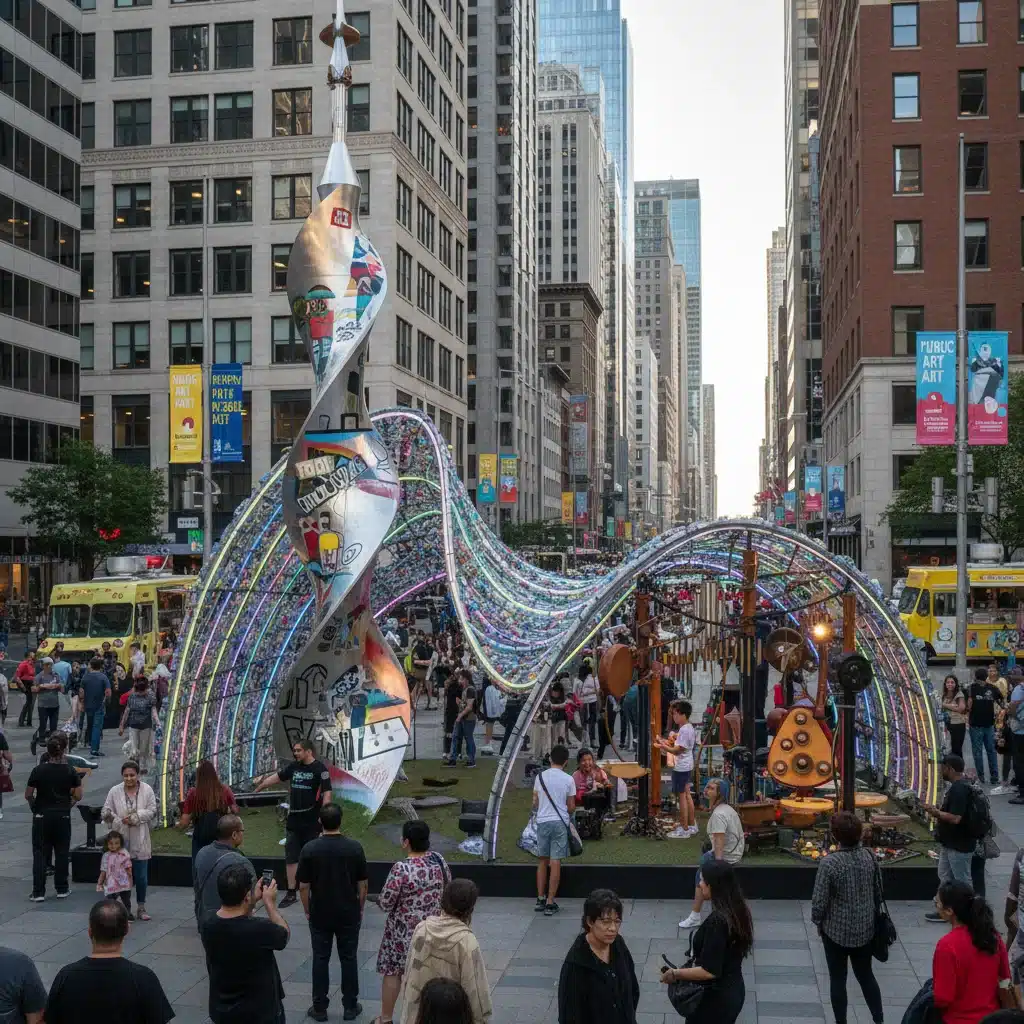
Across the United States, numerous collaborative projects have demonstrated the profound impact that can be achieved when artists work together. From large-scale public installations to intimate multimedia performances, these examples serve as inspiration and proof of concept for the power of collective creativity.
Case Study 1: Immersive Digital Experiences
A collective of visual artists, sound designers, and software engineers in Brooklyn, New York, recently launched an immersive digital art experience that transported viewers into a fantastical, interactive landscape. This project, a prime example of Artist Collaboration Impact, combined cutting-edge projection mapping, generative audio, and motion-sensing technology. The diverse skill sets of the collaborators allowed for a seamless integration of visual and auditory elements, creating a truly unique and memorable experience that garnered widespread critical acclaim and attracted a new generation of art enthusiasts.
Case Study 2: Community Murals and Social Commentary
In Los Angeles, a group of muralists, poets, and community organizers collaborated on a series of large-scale public murals addressing social justice themes. Each mural was not only a visual masterpiece but also incorporated poetic verses and QR codes linking to stories from local residents. This project exemplified how collaborative art can serve as a powerful tool for community engagement and social commentary, sparking dialogue and fostering a sense of collective identity and empowerment. The combined efforts of the artists and community leaders ensured the messages resonated deeply with the local population and beyond.
Case Study 3: Interdisciplinary Performance Art
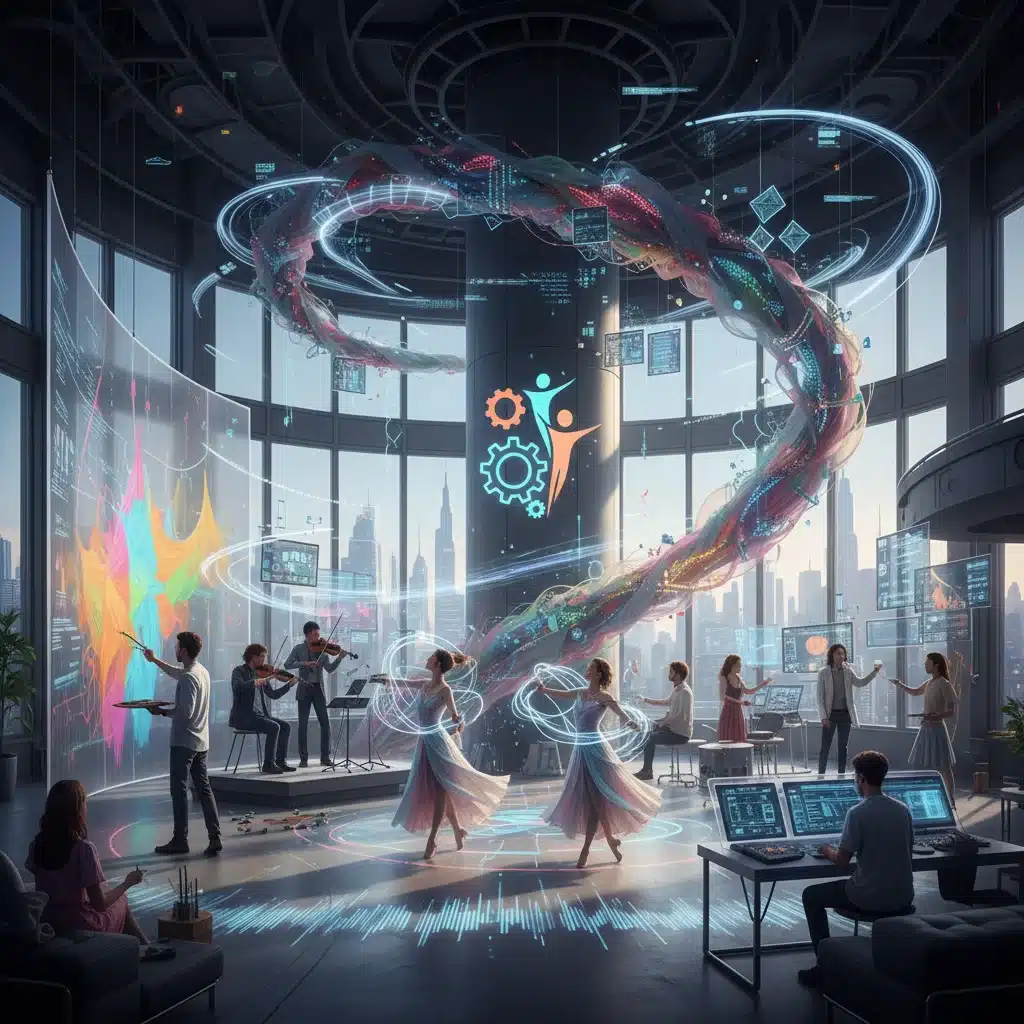
A dance company in Chicago partnered with a jazz ensemble and a projection artist to create a groundbreaking performance piece. The choreography was intricately woven with live musical improvisation and real-time visual projections that reacted to the performers’ movements. This interdisciplinary approach pushed the boundaries of traditional performance art, offering audiences a multi-sensory experience. The collaboration allowed each art form to elevate the others, resulting in a cohesive and emotionally resonant work that toured nationally, showcasing the broad reach achievable through strategic Artist Collaboration Impact.
Challenges and How to Overcome Them in Collaborative Creative Projects
While the benefits are numerous, collaborative creative projects are not without their challenges. Anticipating and addressing these can ensure a smoother and more successful process:
1. Managing Creative Differences
Artists inherently have strong visions. Disagreements on aesthetic choices, thematic interpretations, or technical approaches are almost inevitable. The key is to foster an environment of mutual respect and open communication. Establish clear decision-making processes from the outset – whether it’s a democratic vote, a designated lead artist for specific components, or a facilitator to mediate discussions. Remember that creative tension, when managed constructively, can often lead to even stronger, more innovative outcomes.
2. Ensuring Fair Attribution and Compensation
One of the most critical aspects of collaboration is ensuring fair recognition and remuneration for all contributors. Before starting, draw up a clear agreement (even if informal for smaller projects) outlining:
- Intellectual Property Rights: How will ownership of the collaborative work be shared?
- Attribution: How will each artist be credited in exhibitions, publications, and promotional materials?
- Revenue Sharing: If the project generates income, how will profits be divided? This should be transparent and agreed upon by all parties.
- Expenses: How will shared costs be managed and reimbursed?
Having these discussions early and documenting them can prevent significant conflicts down the line and solidify trust among collaborators.
3. Navigating Logistical Complexities
Coordinating schedules, managing shared resources, and overcoming geographical distances can be challenging. This is where robust project management tools and consistent communication become invaluable. Designate a project manager (who could be one of the artists or an external coordinator) to oversee logistics, schedule meetings, and ensure tasks are on track. Flexibility and adaptability are also crucial, as unforeseen circumstances can always arise.
The Future of Artist Collaboration Impact in 2026 and Beyond
As we look towards 2026, the trend of increasing Artist Collaboration Impact is set to accelerate. Several emerging factors will continue to shape and enhance collaborative creative projects:
Artificial Intelligence and Generative Art
AI is rapidly becoming a powerful tool in the creative process. Artists are beginning to collaborate not just with other humans, but also with AI systems to generate new forms, textures, sounds, and narratives. This opens up entirely new avenues for interdisciplinary collaboration, pushing the boundaries of what is aesthetically possible and raising fascinating questions about authorship and creativity. Imagine a painter collaborating with an AI that generates intricate patterns based on their brushstrokes, or a musician creating a score with an AI that improvises harmonies in real-time.
Virtual and Augmented Reality Experiences
The continued growth of VR and AR technologies offers immense potential for collaborative artistic ventures. Artists can create shared virtual spaces where audiences can interact with their work in immersive ways, or where collaborators can co-create in a digital realm regardless of their physical location. These platforms facilitate truly global collaborations and allow for the creation of experiences that transcend traditional physical limitations.
Blockchain and NFTs for Shared Ownership and Royalties
Blockchain technology and Non-Fungible Tokens (NFTs) are revolutionizing how digital art is owned, traded, and attributed. For collaborative projects, NFTs offer a transparent and immutable way to define shared ownership, track provenance, and distribute royalties automatically among multiple creators. This addresses some of the long-standing challenges around attribution and compensation in collaborative art, providing a more equitable framework for artists.
Increased Emphasis on Social Impact and Community Engagement
The role of art in addressing societal challenges will continue to grow. Collaborative projects that engage communities, promote dialogue, and advocate for social change will gain even greater prominence and support. Artists will increasingly seek partners not just from within the art world, but also from community organizations, scientific research groups, and advocacy networks to create works with profound social resonance.
Conclusion: Embrace Collaboration for Unprecedented Artistic Growth
For US artists aiming to thrive and make a meaningful impact in 2026, embracing Artist Collaboration Impact is not merely a trend but a fundamental shift in artistic practice. By strategically seeking out complementary partners, establishing clear frameworks, leveraging technology, and securing appropriate funding, artists can unlock new creative potentials, expand their reach to unprecedented levels, and contribute to a richer, more diverse cultural landscape.
The future of art is increasingly collaborative, interdisciplinary, and socially engaged. By actively participating in this evolution, artists can not only overcome individual limitations but also amplify their collective voice, creating works that resonate deeply with audiences and leave a lasting legacy. The journey of collaborative creative projects may present its challenges, but the rewards—in terms of innovation, audience engagement, professional growth, and societal influence—are immeasurable. Start exploring your collaborative opportunities today and redefine what’s possible for your artistic practice in 2026 and beyond.