Navigating AI in Art: Essential Guidelines for US Creators to Protect Originality in 2026
Navigating AI in Art: Essential Guidelines for US Creators to Protect Originality in 2026
The year is 2026, and the landscape of art has been irrevocably transformed by Artificial Intelligence. What was once the realm of science fiction is now a daily reality for creators across the United States. AI-powered tools can generate intricate visual masterpieces, compose compelling musical scores, and even write complex narratives with astonishing speed and sophistication. While this technological leap offers unparalleled opportunities for innovation and efficiency, it also presents a formidable challenge to the fundamental concept of originality and the protection of intellectual property. For US creators, understanding how to safeguard their unique artistic voice and ensure fair compensation in this evolving ecosystem is not just important – it’s absolutely critical. This comprehensive guide delves into the essential strategies and legal considerations necessary for artists, writers, musicians, and all creative professionals to navigate the complexities of AI in art and protect their artistic output by 2026.
The Evolving Definition of Originality in an AI-Driven World
At the heart of copyright law lies the concept of originality. Traditionally, for a work to be copyrightable, it must be an original work of authorship fixed in a tangible medium of expression. This has historically implied a human creator. However, as AI systems become more autonomous and sophisticated, generating works that appear indistinguishable from human creations, the legal framework is struggling to keep pace. By 2026, the US Copyright Office has begun to issue clearer, though still evolving, guidance on what constitutes original authorship when AI is involved. The key distinction often lies in the degree of human intervention and creative control. A mere prompt given to an AI, yielding a highly predictable outcome, is less likely to be considered original to the human. Conversely, a human artist who significantly guides, modifies, curates, and transforms AI-generated elements into a unique final piece stands a much stronger chance of claiming copyright. Understanding this nuanced definition of AI Art Originality is paramount for creators.
The debate extends to the training data used by AI models. Many AI art generators are trained on vast datasets of existing copyrighted works, often without explicit permission or compensation to the original creators. This practice raises serious questions about derivative works and fair use. While some argue that AI ‘learning’ from existing art is akin to a human artist being inspired by others, others contend that the scale and method of data ingestion constitute infringement. US courts are increasingly grappling with these issues, and creators must stay informed about landmark cases and legislative developments that could reshape the legal landscape for AI Art Originality.
Understanding Copyright Law in the Age of AI
For US creators, a solid grasp of current copyright law, coupled with an awareness of its ongoing evolution, is non-negotiable. The bedrock principles of copyright still apply: protection extends to original works of authorship fixed in a tangible medium. The challenge with AI art is determining who the ‘author’ is and what constitutes ‘originality’ when algorithms are involved. As of 2026, the US Copyright Office generally maintains that human authorship is a prerequisite for copyright registration. This means purely AI-generated works, without significant human creative input, are unlikely to be protected by copyright.
However, this doesn’t mean AI tools are off-limits. Instead, it places a greater emphasis on the human element in the creative process. Creators who use AI as a tool – much like a paintbrush or a digital editing suite – to manifest their original artistic vision are more likely to secure copyright. This involves substantial creative input in the prompting, selection, arrangement, modification, and finalization of the AI-generated elements. Documenting this creative process, including iterations, specific prompts, and human modifications, can be crucial evidence in asserting copyright claims related to AI Art Originality.
Strategies for Protecting Your Artistic Originality
Given the complexities, US creators need proactive strategies to protect their AI Art Originality. These strategies span legal, technological, and community-based approaches.
1. Document Your Creative Process Meticulously
One of the most vital steps for any creator using AI is to maintain detailed records of their creative process. This includes:
- Prompt Engineering: Keep a log of all prompts used, especially complex and iterative ones that reflect your artistic choices.
- Human Modifications: Document every instance where you manually edited, refined, or transformed AI-generated outputs using traditional software or techniques. Screenshots, version histories, and time-stamped files can be invaluable.
- Selection and Arrangement: If you are selecting specific elements from multiple AI generations and arranging them into a cohesive whole, document this curatorial process.
- Intent and Vision: Articulate your artistic intent and how the AI tools served as instruments to achieve that vision.
This documentation serves as concrete evidence of your creative input and authorship, strengthening your claim to AI Art Originality.
2. Understand and Utilize AI Tool Licenses and Terms of Service
Not all AI art generators are created equal, especially concerning their terms of service and licensing agreements. Before committing to a particular tool, thoroughly read and understand its policies regarding:
- Ownership of Output: Does the tool claim any ownership over the works you create using it?
- Commercial Use: Are there restrictions on using AI-generated art for commercial purposes?
- Training Data: Does the tool disclose its training data sources? While not directly impacting your copyright, it can inform your ethical considerations.
Some platforms offer options for creators to retain full ownership, while others might reserve certain rights. Choosing tools that align with your desire to protect AI Art Originality is a critical decision.
3. Register Your Copyrights
For works where you have significant human creative input, registering your copyright with the US Copyright Office remains the strongest form of protection. While copyright exists automatically upon creation, registration provides several key advantages:
- Public Record: It creates a public record of your copyright claim.
- Legal Standing: You must register your copyright before you can file an infringement lawsuit in federal court.
- Statutory Damages and Attorney’s Fees: If registered in a timely manner, you may be eligible for statutory damages and attorney’s fees in an infringement case, which can be significantly higher than actual damages.
Consulting with an intellectual property attorney specializing in emerging technologies can help you determine which of your AI-assisted works meet the threshold for copyright registration and how best to present your claim to AI Art Originality.
4. Implement Digital Watermarking and Metadata
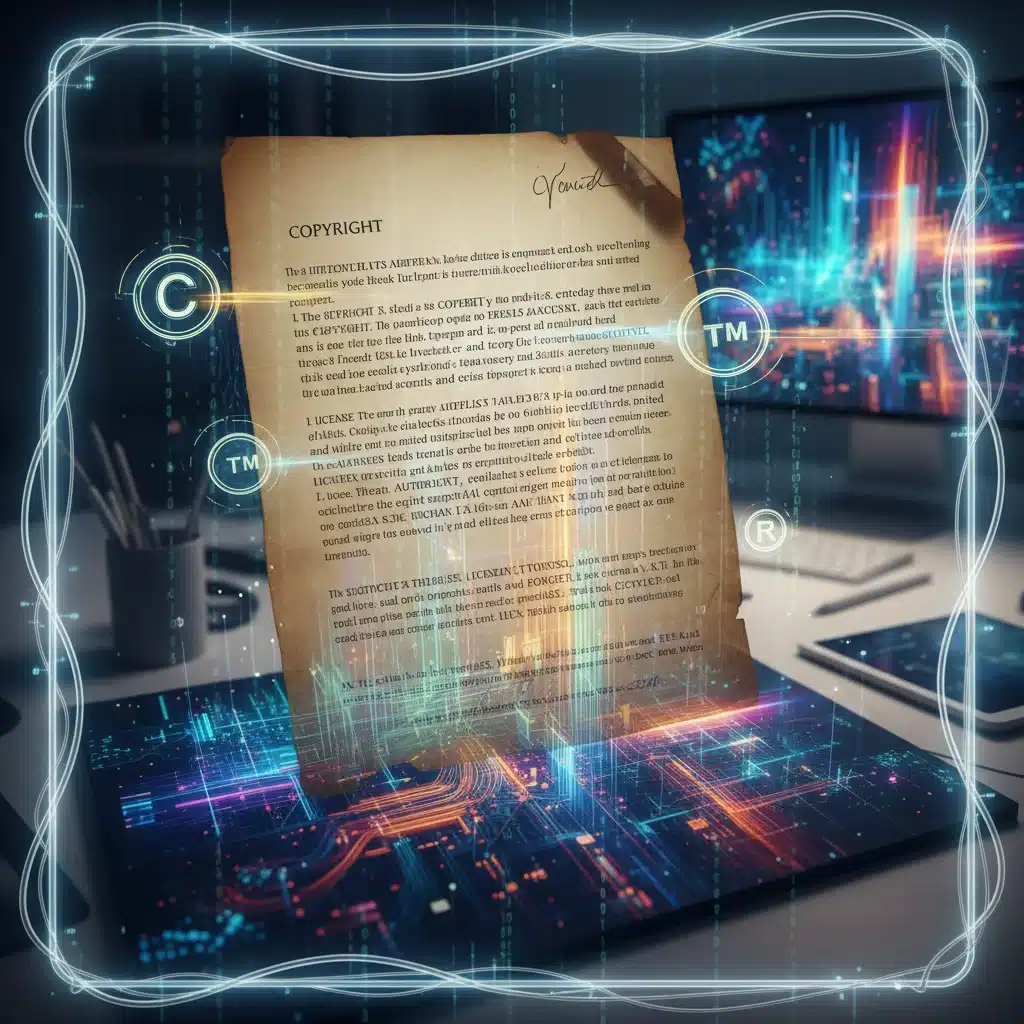
While not a foolproof solution, embedding digital watermarks and metadata into your AI-assisted artwork can help assert your authorship and track usage. Metadata can include information such as your name, contact details, copyright notice, and even details about the AI tools and processes used. This can be particularly useful in demonstrating your claim to AI Art Originality if your work is widely disseminated online.
5. Embrace Hybrid Creation and Unique Style
The most robust way to protect your AI Art Originality is to integrate AI into a broader, distinctive creative practice. Develop a unique artistic style that is clearly identifiable as yours, even when AI tools are employed. This could involve combining AI-generated elements with traditional painting, photography, sculpture, or performance art. The more your final work reflects a unique human aesthetic and conceptual framework that AI alone cannot replicate, the stronger your claim to originality.
Legal Challenges and Future Outlook for AI Art Originality
The legal landscape surrounding AI art is highly dynamic and subject to ongoing litigation and legislative efforts. Several key areas are under scrutiny:
The ‘Fair Use’ Doctrine and AI Training Data
A significant legal battle revolves around whether the use of copyrighted works to train AI models constitutes ‘fair use’ under US copyright law. The fair use doctrine allows for limited use of copyrighted material without permission for purposes such as criticism, comment, news reporting, teaching, scholarship, or research. AI developers often argue that training models is transformative and non-expressive, falling under fair use. However, creators whose works are used without consent argue that this constitutes unauthorized copying and creates derivative works that directly compete with their own. By 2026, several high-profile lawsuits are progressing through the courts, and their outcomes will profoundly impact how AI Art Originality is viewed in relation to its origins.
Attribution and Transparency
Beyond copyright, there’s a growing call for greater transparency and attribution regarding AI’s role in creative works. Consumers and creators alike want to know if a work was created by a human, an AI, or a collaboration. While not directly a copyright issue, transparency can influence public perception, market value, and ethical considerations. Future legislation might mandate disclosure of AI involvement, impacting how AI Art Originality is perceived and valued by audiences.
The Role of AI in Infringement Detection
Ironically, AI itself is becoming a powerful tool for detecting copyright infringement. Advanced AI algorithms can analyze images, audio, and text to identify similarities and potential unauthorized uses. Creators can leverage these tools to monitor their own works and enforce their rights, adding another layer of protection for their AI Art Originality.
Ethical Considerations for US Creators
Beyond legal frameworks, ethical considerations play a crucial role in shaping the future of AI Art Originality. Creators must grapple with questions such as:
- Source Data Ethics: Are you comfortable using AI tools trained on potentially unconsented copyrighted works?
- Authenticity and Value: How does AI influence the perceived authenticity and value of art?
- Displacement of Human Labor: What are the societal implications if AI art displaces human artists?
Engaging in these ethical discussions and advocating for responsible AI development is part of a creator’s responsibility in 2026. Supporting initiatives that promote ethical AI training practices and fair compensation for artists whose work contributes to AI datasets can help foster a more equitable creative ecosystem.
Building a Community of Practice for AI Art Originality
The challenges presented by AI are best tackled collectively. US creators should actively engage with:
- Professional Organizations: Join or support organizations like the Copyright Alliance, Artists Rights Society, or industry-specific guilds that are advocating for creators’ rights in the AI era.
- Legal Experts: Stay informed through webinars, articles, and consultations with intellectual property lawyers specializing in AI.
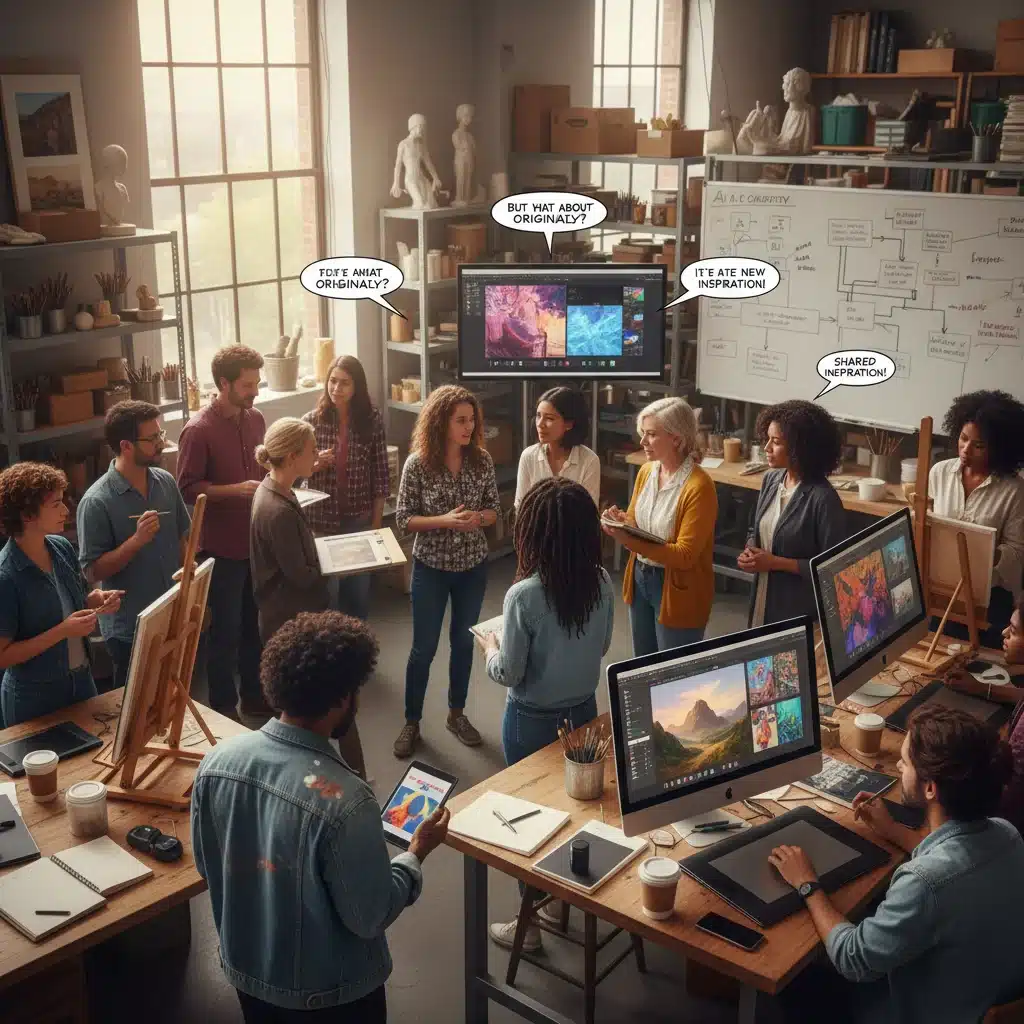
- Fellow Artists: Share knowledge, best practices, and concerns with other creators. Collective action can lead to stronger advocacy and better solutions for protecting AI Art Originality.
Practical Steps for US Creators in 2026
To summarize, here are actionable steps US creators should take to protect their AI Art Originality in 2026:
- Educate Yourself Continuously: Stay updated on the latest legal rulings, legislative proposals, and technological advancements related to AI and copyright.
- Choose AI Tools Wisely: Select platforms with clear, creator-friendly terms of service regarding ownership and commercial rights.
- Document Everything: Meticulously record your creative process, including prompts, modifications, and artistic decisions.
- Register Copyrights Strategically: For works with substantial human input, pursue copyright registration with the US Copyright Office.
- Integrate AI Thoughtfully: Use AI as a tool to enhance your unique artistic vision, rather than solely relying on its autonomous generation.
- Network and Advocate: Connect with other creators, legal professionals, and advocacy groups to collectively shape the future of AI art ethics and law.
- Consider Licensing and Contracts: When licensing your AI-assisted art, ensure contracts clearly define ownership, usage rights, and attribution.
- Be Transparent: Decide on your level of transparency regarding AI involvement in your work, as this can build trust with your audience.
Conclusion
The integration of AI into the creative arts is an unstoppable force, bringing both unprecedented opportunities and significant challenges. For US creators in 2026, protecting AI Art Originality requires a proactive, informed, and adaptable approach. By understanding the evolving legal landscape, meticulously documenting their creative contributions, and engaging with the wider creative community, artists can continue to innovate while safeguarding their intellectual property and ensuring their unique voice resonates in this new era of art. The future of art is collaborative, and by mastering the tools and understanding the rules, creators can secure their place at the forefront of this exciting revolution.