American Localism: Redefining Community Engagement in 2026
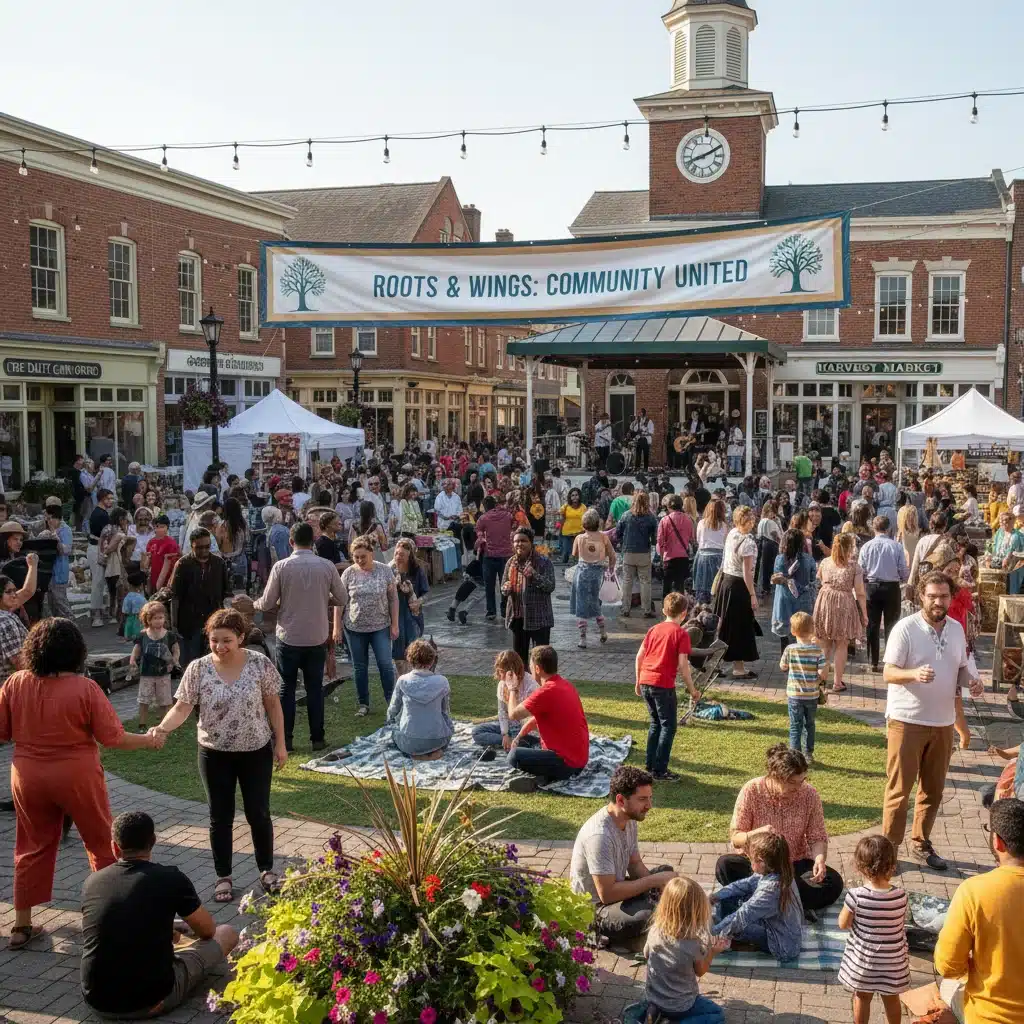
In an increasingly globalized and interconnected world, a powerful counter-narrative is taking root across the United States: the rise of American localism. This isn’t a new phenomenon, but in 2026, it’s experiencing a significant resurgence, driven by a desire for greater autonomy, resilience, and a deeper connection to place. As communities grapple with complex challenges—from climate change and economic instability to social fragmentation—many are finding solutions not in distant capitals, but in their own backyards. American localism movements are redefining what it means to be engaged, empowered, and truly part of a community. This comprehensive article delves into four key movements that are at the forefront of this transformation, exploring their impacts, strategies, and the profound ways they are reshaping the American landscape.
Understanding the Resurgence of American Localism Movements
The term ‘localism’ broadly refers to a preference for local production and consumption of goods and services, local control over decision-making, and a strong emphasis on community-level solutions. While it can manifest in various forms, its core tenet is the belief that smaller, more localized systems are often more effective, sustainable, and responsive to the needs of their inhabitants. In recent years, several factors have converged to fuel this resurgence:
- Disillusionment with Centralized Power: Many Americans feel increasingly disconnected from national politics and large institutions, leading them to seek more tangible impacts at the local level.
- Economic Volatility: The desire for greater economic resilience and self-sufficiency has spurred interest in local economies that are less susceptible to global shocks.
- Environmental Concerns: A growing awareness of climate change and environmental degradation has encouraged communities to adopt more sustainable, localized practices.
- Technological Enablement: Digital tools and platforms, paradoxically, have made it easier for local groups to organize, share information, and mobilize resources.
- Search for Authenticity and Connection: In an era of digital overload, people are craving genuine human connection and a sense of belonging that local communities can provide.
These underlying currents have given rise to dynamic American localism movements that are not just theoretical constructs but active, transformative forces. Let’s explore four of the most influential.
1. The Hyper-Local Food Movement: Nourishing Communities from the Ground Up
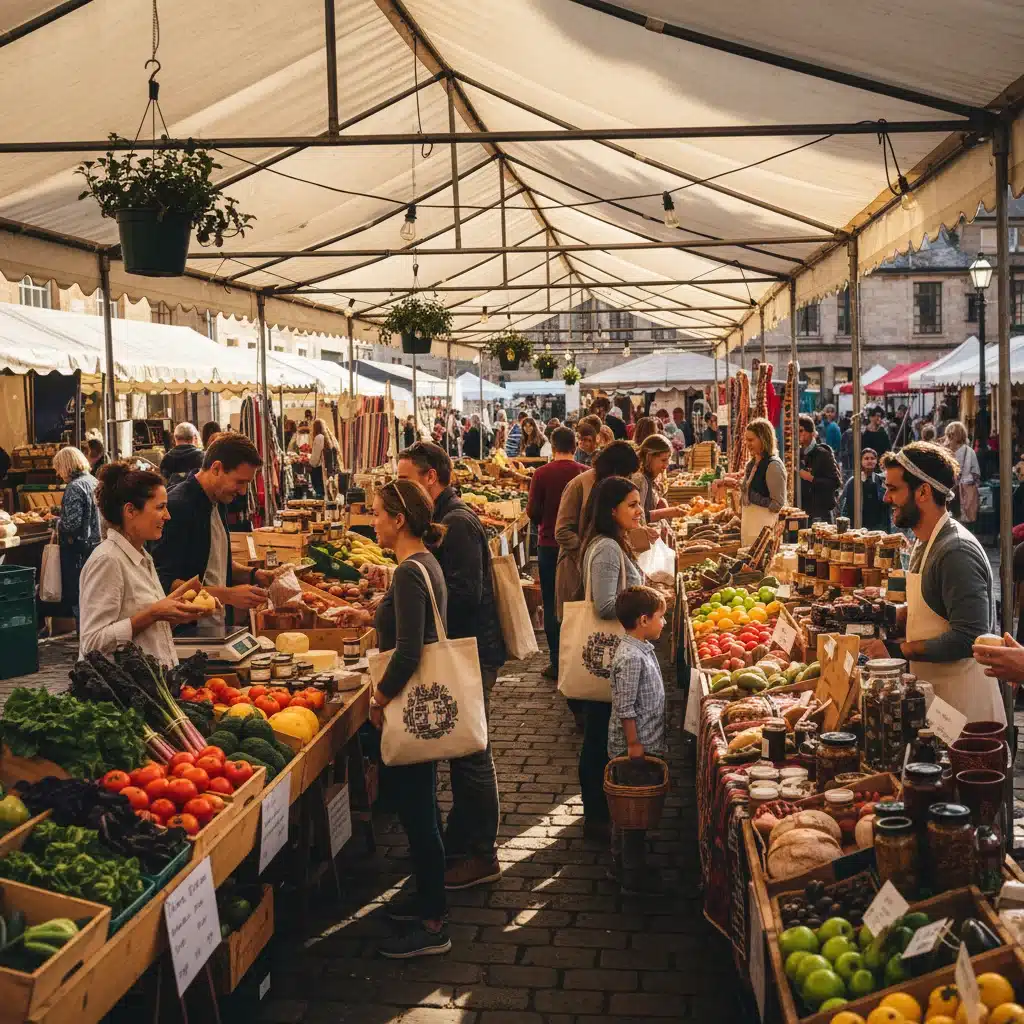
The hyper-local food movement is arguably one of the most visible and impactful American localism trends. Moving beyond simply ‘local food,’ this movement emphasizes food production within immediate neighborhoods, often utilizing urban spaces, community gardens, and even vertical farms. Its proponents advocate for food systems that drastically reduce food miles, increase food security, and foster direct relationships between consumers and growers.
Key Characteristics and Impacts:
- Community Gardens and Urban Farms: These initiatives transform vacant lots, rooftops, and underutilized spaces into productive agricultural areas, providing fresh produce, educational opportunities, and green spaces. They often become hubs for social interaction and skill-sharing.
- Farmers’ Markets and CSAs (Community Supported Agriculture): While not new, these models have evolved to become even more localized, sometimes serving specific blocks or neighborhoods directly. They cut out intermediaries, ensuring a larger share of the profit goes to the farmer and offering consumers fresher, often organic, produce.
- Food Cooperatives and Buying Clubs: These member-owned or member-driven organizations pool resources to purchase food directly from local producers, often at lower costs, reinforcing the local food supply chain.
- Food Education and Skill-Sharing: Workshops on gardening, canning, preserving, and cooking with seasonal produce are integral to this movement, empowering individuals with practical skills and fostering self-reliance.
- Environmental Benefits: Reduced transportation emissions, promotion of sustainable farming practices, and increased biodiversity in urban areas are significant ecological advantages.
- Economic Resilience: Keeping food dollars within the local economy strengthens small farms and related businesses, creating jobs and fostering a more stable economic base.
In 2026, we see cities like Detroit, Oakland, and even smaller towns across the Midwest leading the charge, with policies supporting urban agriculture, seed-sharing libraries, and community composting programs becoming more commonplace. The hyper-local food movement is not just about sustenance; it’s about re-establishing a fundamental connection to our food sources and building community through shared effort.
2. The Local-First Economy Movement: Building Wealth from Within
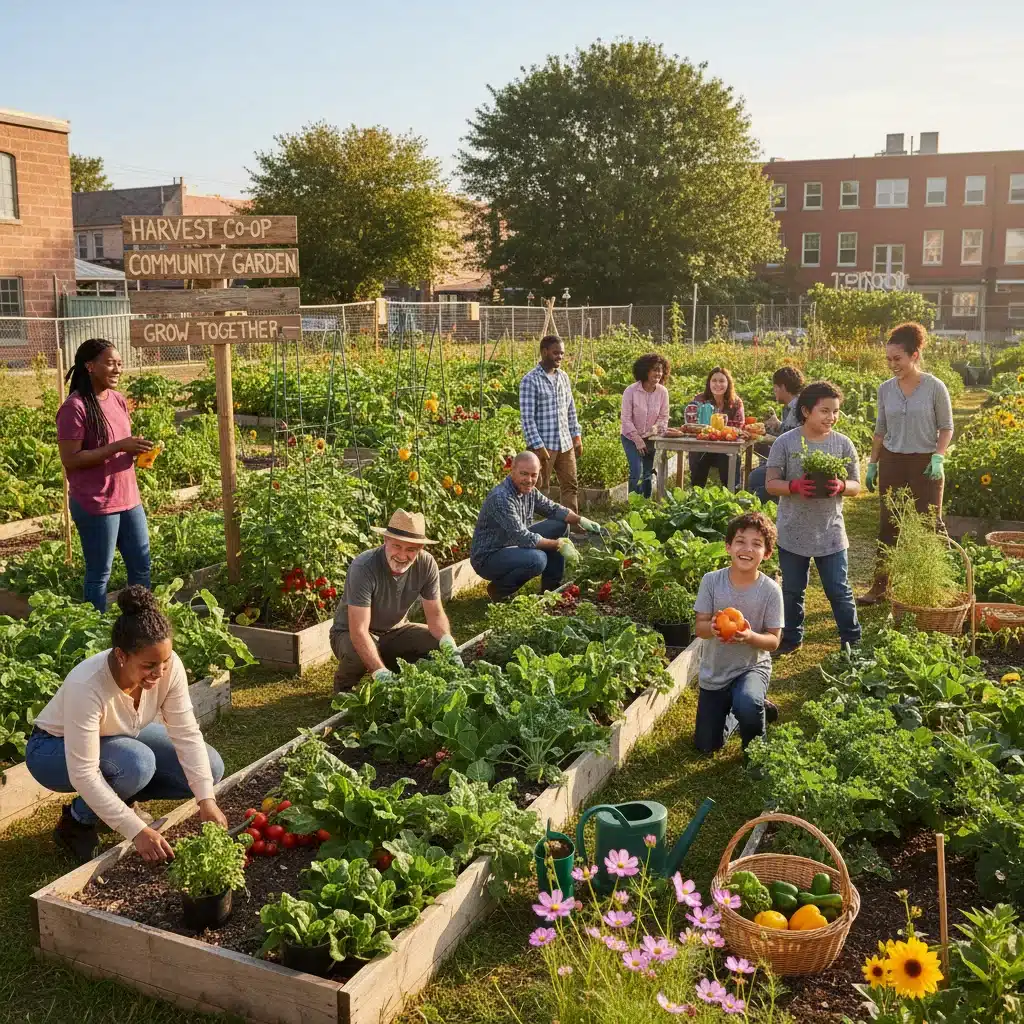
The local-first economy movement, often referred to as ‘economic localization,’ is a direct response to the vulnerabilities exposed by global supply chains and the concentration of wealth in large corporations. This American localism movement advocates for prioritizing local businesses, encouraging local investment, and creating closed-loop economic systems where money circulates within the community as many times as possible before leaving.
Key Strategies and Outcomes:
- Support for Independent Businesses: Campaigns like ‘Buy Local’ are more sophisticated than ever, utilizing digital platforms to highlight local merchants, offer loyalty programs, and educate consumers on the economic multiplier effect of spending locally.
- Local Investment Funds and Community Banks: These institutions provide capital specifically for local enterprises, often overlooked by larger banks. Community Development Financial Institutions (CDFIs) play a crucial role in directing funds to underserved areas and businesses.
- Local Currencies and Barter Systems: In some communities, local currencies (digital or physical) are being explored or implemented to encourage spending within the defined geographic area, further strengthening local economic ties. Barter systems facilitate direct exchange of goods and services without relying on conventional currency.
- Makerspaces and Incubators: These facilities provide local entrepreneurs and artisans with access to tools, training, and collaborative environments to start and grow their businesses, fostering innovation and local production.
- Worker Cooperatives and Employee Ownership: These models ensure that profits and decision-making power remain within the community, often leading to more equitable wealth distribution and job stability.
- Reshoring and Local Manufacturing: While challenging, there’s a growing push to bring certain manufacturing and production capabilities back to the local or regional level, reducing dependence on international supply chains and creating local jobs.
The local-first economy is about more than just sentiment; it’s about strategic development. Studies consistently show that local businesses recirculate a significantly higher percentage of revenue back into the local economy compared to national chains. This movement is fostering greater economic resilience, creating diverse job opportunities, and empowering communities to shape their own financial destinies.
3. Participatory Governance & Civic Tech: Empowering Citizens in Decision-Making
At its heart, American localism is about democratic participation. The participatory governance and civic tech movement is transforming how local decisions are made, moving away from top-down directives to more inclusive, citizen-led processes. Leveraging technology and innovative engagement strategies, this movement ensures that community members have a direct voice and influence in the policies and projects that affect their daily lives.
Innovations and Benefits:
- Participatory Budgeting: Citizens directly decide how to spend a portion of a public budget. This process empowers residents to identify local needs, propose projects, and vote on their priorities, leading to more equitable and community-relevant resource allocation.
- Digital Engagement Platforms: Municipalities are increasingly using online platforms (e.g., civic engagement apps, dedicated websites) to solicit feedback on proposed developments, urban planning initiatives, and policy changes. These platforms make it easier for busy residents to contribute their ideas and perspectives.
- Citizen Assemblies and Juries: Modeled on ancient democratic practices, these randomly selected groups of citizens are given time and resources to deliberate on complex local issues, often leading to well-considered recommendations that reflect diverse viewpoints.
- Open Data Initiatives: Local governments are making more data publicly accessible, allowing citizens, journalists, and researchers to analyze information, hold officials accountable, and identify areas for improvement.
- Neighborhood Councils and Associations: These grassroots bodies are gaining more formal recognition and power, serving as direct conduits between residents and local government, advocating for neighborhood-specific concerns.
- Community Design Workshops (Charrettes): Collaborative planning sessions where residents, designers, and officials work together to envision and plan future development projects, ensuring that new constructions align with community values and needs.
By fostering direct engagement and transparency, this American localism movement is rebuilding trust in local institutions, creating more responsive governance, and cultivating a more informed and active citizenry. The shift from passive recipients of policy to active co-creators is a powerful redefinition of civic life.
4. Resilience Hubs & Mutual Aid Networks: Strengthening Social Fabric in Crisis and Beyond
The past few years have highlighted the critical importance of community resilience in the face of disasters, economic downturns, and public health crises. The resilience hubs and mutual aid networks movement is a pragmatic and powerful manifestation of American localism, focusing on building robust, self-organizing systems for support, resource sharing, and collective action at the neighborhood level.
Core Principles and Practices:
- Resilience Hubs: These are community-serving facilities (e.g., libraries, community centers, schools, faith-based organizations) that provide resources and services before, during, and after disruptive events. They might offer emergency charging stations, cooling/heating centers, food and water distribution, and serve as information points, often powered by renewable energy.
- Mutual Aid Networks: These are decentralized, voluntary, reciprocal exchanges of resources and services for the common good. Unlike traditional charity, mutual aid operates on principles of solidarity and direct action, empowering individuals to help each other based on expressed needs and available resources.
- Skill-Sharing and Preparedness Training: Workshops on first aid, disaster preparedness, emergency communication, and sustainable living skills empower individuals and groups to respond effectively to challenges.
- Community Asset Mapping: Identifying and cataloging local resources, skills, and vulnerabilities helps communities understand their strengths and weaknesses, enabling more effective planning and response.
- Neighborhood Watch and Safety Networks: Evolving beyond traditional crime prevention, these networks now often include broader aspects of community well-being, such as elder care checks, youth mentorship, and localized support systems.
- Local Energy Initiatives: Communities are exploring microgrids, solar co-ops, and other localized energy solutions to increase energy independence and reduce vulnerability to large-scale power outages.
This American localism movement is about more than just crisis response; it’s about weaving a stronger social fabric that fosters everyday support, strengthens interpersonal bonds, and creates a sense of collective responsibility. It’s a proactive approach to building communities that can withstand shocks and thrive in an unpredictable future.
The Interconnectedness of American Localism Movements
It’s crucial to understand that these four American localism movements are not isolated silos; they are deeply interconnected and often reinforce one another. A community garden (hyper-local food) might host a skill-sharing workshop on food preservation (resilience hub), while also selling its produce at a local farmers’ market (local-first economy). Decisions about funding for these initiatives might come through a participatory budgeting process (participatory governance).
This synergy is what makes American localism so potent. It’s a holistic approach to community development that recognizes the complex interplay between economic, social, environmental, and political factors. By strengthening one aspect of local life, communities often find ripple effects that benefit others.
Challenges and Opportunities for American Localism
While the momentum behind American localism is undeniable, challenges remain. These include:
- Scaling Up: Many local initiatives are successful on a small scale but face hurdles when attempting to expand their reach or impact across larger regions.
- Funding and Resources: Securing consistent funding and resources can be difficult, especially for grassroots, volunteer-driven efforts.
- Policy Barriers: Existing regulations, zoning laws, and bureaucratic structures are often designed for larger, centralized systems and can hinder local innovation.
- Resistance to Change: Overcoming inertia and resistance from established interests or individuals comfortable with the status quo can be a significant obstacle.
- Equity and Inclusion: Ensuring that American localism movements genuinely benefit all members of a community, especially marginalized groups, requires intentional effort and inclusive practices.
However, these challenges also present opportunities. The ingenuity and adaptability inherent in American localism movements are precisely what’s needed to navigate these complexities. Advocates are increasingly engaging with local government, building broad coalitions, and leveraging digital tools to overcome barriers and amplify their impact.
The Future of Community Engagement: A Localized Vision for 2026 and Beyond
As we look to 2026 and beyond, American localism is poised to become an even more dominant force in shaping the nation’s social and economic fabric. It represents a fundamental shift in how people view their power and their ability to effect positive change. It’s a recognition that meaningful progress often starts at the ground level, built on relationships, shared values, and a collective commitment to place.
These four key American localism movements—the hyper-local food movement, the local-first economy movement, participatory governance & civic tech, and resilience hubs & mutual aid networks—are not just trends; they are foundational pillars of a more resilient, equitable, and vibrant future. They offer a compelling vision of communities that are self-reliant yet interconnected, diverse yet unified by a shared sense of purpose. By embracing and nurturing these movements, we can all contribute to building stronger, more engaged communities, one neighborhood at a time.
The call to action is clear: look around your own community. What local businesses can you support? What community gardens can you join or start? How can you participate more actively in local decision-making? What mutual aid networks exist, or need to exist, to strengthen your neighborhood’s resilience? The answers to these questions lie at the heart of American localism, and in them, lies the promise of a more connected and empowered future for us all.