Digital Nomads Reshaping American Culture: A 2026 Analysis
The Impact of Digital Nomads on American Culture: A 2026 Analysis of 10% Growth in Mobile Lifestyles
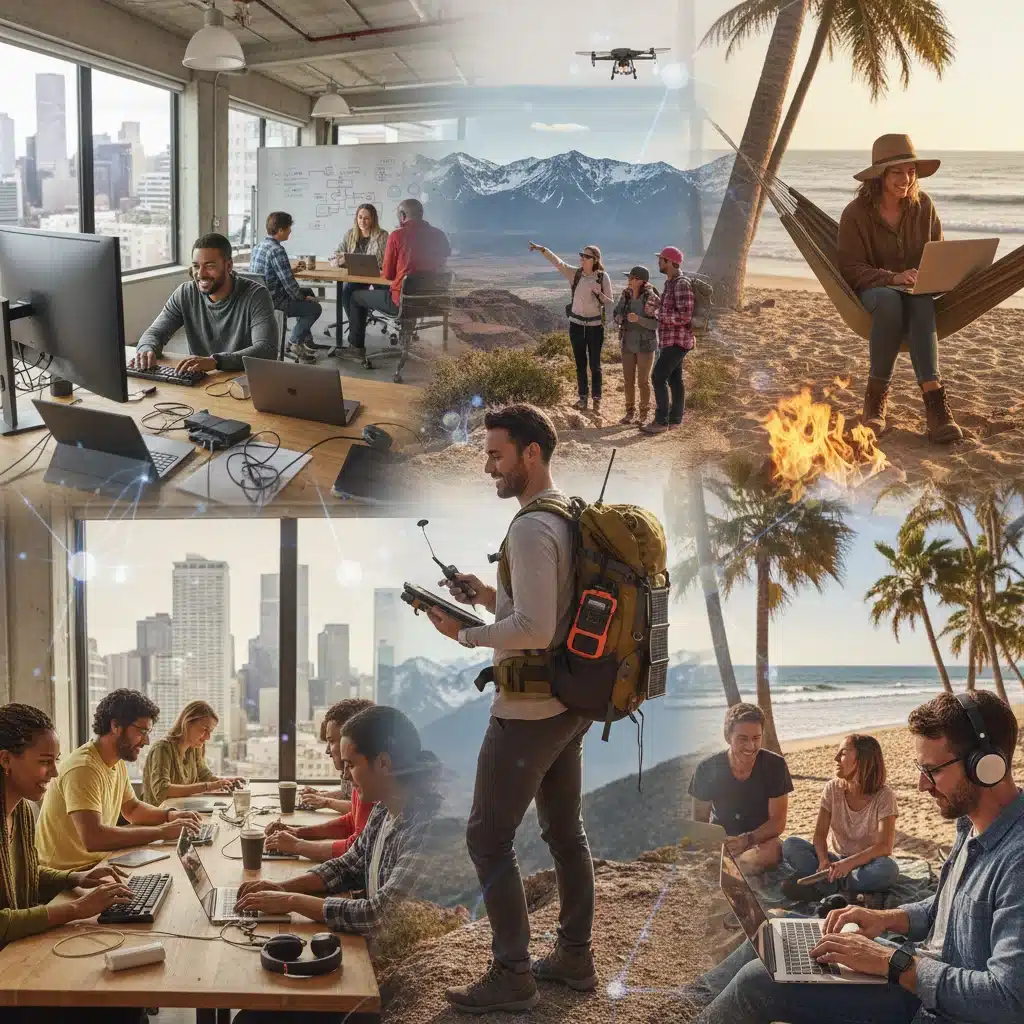
The landscape of work, life, and community in America is undergoing a profound transformation, driven largely by the burgeoning phenomenon of digital nomads. What once seemed a niche lifestyle for a select few has rapidly evolved into a significant demographic force, poised to reshape the very fabric of American culture. With projections indicating a staggering 10% growth in mobile lifestyles by 2026, understanding the multifaceted impact of these itinerants, often powered by remote work, becomes not just an academic exercise but a critical imperative for policymakers, businesses, and communities alike. This article delves deep into how the rise of digital nomads culture is influencing everything from local economies and housing markets to social dynamics and the very definition of community in the United States.
Defining the Digital Nomad Phenomenon
Before we dissect its impact, let’s clarify what we mean by ‘digital nomad.’ A digital nomad is an individual who leverages technology to work remotely, allowing them to live a nomadic or semi-nomadic lifestyle, often traveling to different locations while maintaining their professional responsibilities. This is distinct from traditional remote workers who might be location-independent but remain rooted in a single home base. Digital nomads embrace mobility as a core component of their identity and career. The significant shift towards remote work, accelerated by global events, has dramatically expanded the pool of potential digital nomads, making this lifestyle more accessible and appealing than ever before.
The projected 10% growth by 2026 signifies not just more individuals adopting this lifestyle, but also a maturation of the infrastructure supporting it. This includes an increase in co-working spaces, specialized housing options, and a greater acceptance from employers. This growth is not uniform; it’s concentrated in certain demographics and geographic regions, creating unique challenges and opportunities that ripple through American society, profoundly influencing digital nomads culture.
Economic Ripples: Local Economies and Housing Markets
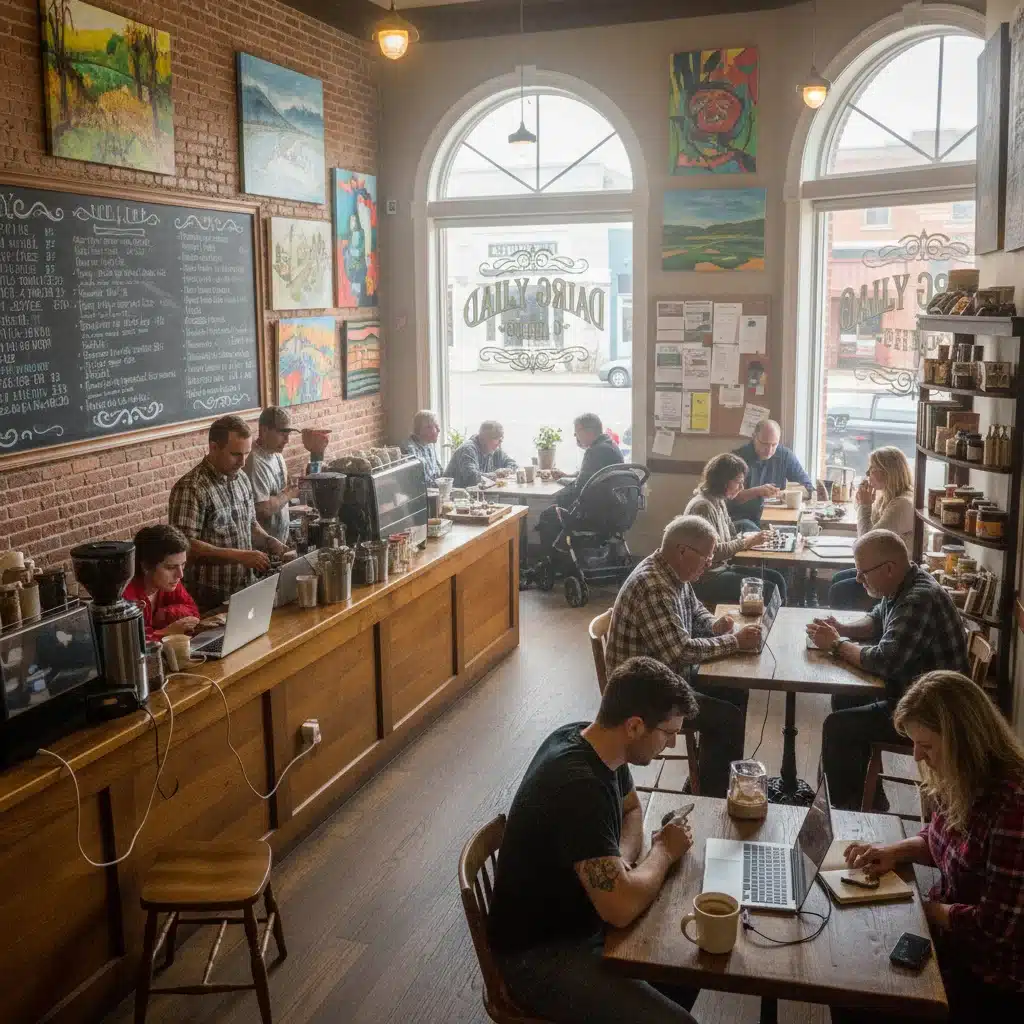
One of the most immediate and tangible effects of the digital nomad surge is on local economies. When digital nomads choose a location, they bring with them disposable income and a demand for local goods and services. This can be a boon for small businesses, restaurants, and tourism-related industries in previously overlooked towns or rural areas. Consider a small, picturesque town in the Rockies: an influx of digital nomads means new patrons for the local coffee shop, increased demand for hiking gear from the outdoor store, and more bookings for short-term rentals.
However, this economic injection is a double-edged sword. The increased demand, particularly for housing, can drive up rental prices and property values, making it difficult for long-term residents, especially those with lower incomes, to afford to live in their own communities. This gentrification can lead to displacement and a loss of local character. The challenge for communities is to find a balance: how to welcome the economic benefits of digital nomads culture without eroding the existing social and economic fabric.
The Rise of ‘Zoom Towns’
The term ‘Zoom Town’ has emerged to describe communities that have experienced a significant population increase due to remote workers and digital nomads. These towns, often chosen for their natural beauty, lower cost of living, or slower pace, suddenly find themselves grappling with rapid changes. Infrastructure, designed for a smaller, more stable population, can become strained. Roads, internet services, and public utilities may struggle to keep up with the new demand. Schools might see an unexpected increase in enrollment, while healthcare facilities face new pressures. Understanding and proactively planning for these shifts is crucial for sustainable growth.
Social Dynamics and Community Fabric
The arrival of digital nomads also brings significant shifts in social dynamics. These individuals often bring diverse perspectives, skills, and cultural backgrounds, enriching the social tapestry of their temporary homes. They might volunteer in local initiatives, start new businesses, or contribute to the arts and culture scene, fostering innovation and new ideas.
Conversely, the transient nature of many digital nomads can pose challenges to community building. Establishing deep, lasting connections can be difficult when a significant portion of the population is constantly moving. This can lead to a sense of disconnect or a lack of investment in long-term community issues. Bridging the gap between permanent residents and temporary inhabitants is a key aspect of integrating digital nomads culture into existing social structures.
Generational and Cultural Exchange
Digital nomads, often younger and technologically adept, can introduce new ways of thinking and living to more traditional communities. This can lead to exciting cultural exchanges, with new ideas on sustainability, work-life balance, and global perspectives. However, it can also create friction, particularly around values, priorities, and the pace of change. Navigating these generational and cultural differences requires open communication and a willingness from all parties to understand and adapt.
Policy and Infrastructure Adaptations
As the digital nomad movement gains momentum, governments and municipalities are beginning to recognize the need for specific policies and infrastructure adaptations. This includes initiatives to attract digital nomads, such as visa programs (though less common in the US for domestic nomads, state-level incentives are emerging), tax breaks, or marketing campaigns highlighting local amenities. More importantly, it involves planning for the associated challenges.
Investment in high-speed internet infrastructure, particularly in rural areas, is paramount. Affordable housing initiatives, designed to protect long-term residents while accommodating new arrivals, are becoming increasingly critical. Furthermore, communities are exploring ways to encourage digital nomads to integrate more deeply, perhaps through mentorship programs, local business incubators, or community volunteer opportunities. The future of digital nomads culture hinges on these adaptive policies.
Legal and Regulatory Frameworks
The legal and regulatory landscape also needs to evolve. Issues such as taxation (state and local), health insurance portability, and even voting rights for highly mobile individuals are complex and require careful consideration. As more people embrace this lifestyle, pressure will mount to create more cohesive and supportive legal frameworks that acknowledge the unique circumstances of digital nomads.
The Evolution of Work and Education
The rise of digital nomads is intrinsically linked to the broader evolution of work. The traditional 9-to-5 office model is increasingly being supplanted by flexible, remote, and asynchronous work arrangements. This shift empowers individuals to design careers that align with their lifestyle aspirations, rather than being tethered to a specific location. This flexibility is a cornerstone of digital nomads culture.
Moreover, the educational landscape is also adapting. Online learning platforms, micro-credentials, and skill-based training are becoming more prevalent, allowing individuals to acquire new skills or pivot careers regardless of their physical location. This continuous learning model is particularly attractive to digital nomads who often need to stay agile and updated in their fields.
Impact on Corporate Culture
Companies are increasingly recognizing the benefits of hiring remote talent, including access to a wider talent pool, reduced overheads, and increased employee satisfaction. This, in turn, fuels the digital nomad trend. However, it also necessitates a shift in corporate culture towards trust, autonomy, and effective remote team management. Companies that successfully adapt to this new paradigm will likely attract and retain top talent in the coming years.
Psychological and Personal Impacts
Beyond the economic and social shifts, there are significant psychological and personal impacts on digital nomads themselves and on the communities they inhabit. For the nomads, the lifestyle offers unparalleled freedom, opportunities for personal growth, and exposure to diverse cultures and experiences. However, it can also lead to feelings of isolation, challenges in maintaining consistent social connections, and the stress of constant adaptation. The mental health aspects of this mobile lifestyle are an increasingly important area of study.
For communities, the interaction with digital nomads can broaden horizons, introduce new perspectives, and challenge existing norms. This can be invigorating but also unsettling, prompting communities to re-evaluate their identity and priorities. The ongoing negotiation between tradition and modernity is a defining characteristic of areas impacted by digital nomads culture.
The Future of Digital Nomads in America by 2026
By 2026, with a projected 10% increase, the digital nomad phenomenon will be far from a fringe movement. It will be a mainstream aspect of American life, influencing everything from urban planning to national policy. We can anticipate several key developments:
- Increased Specialization: More communities will actively brand themselves as ‘digital nomad friendly,’ offering tailored amenities and services.
- Hybrid Models: The line between traditional residents and digital nomads may blur, with more individuals adopting hybrid models of living and working.
- Policy Evolution: Federal and state governments will likely introduce more comprehensive policies to address the unique needs and impacts of this demographic.
- Technological Advancements: Further advancements in connectivity, virtual reality, and AI will continue to enhance the feasibility and appeal of remote work and nomadic lifestyles.
- Focus on Integration: Greater emphasis will be placed on fostering genuine integration between digital nomads and local communities, moving beyond purely transactional relationships.
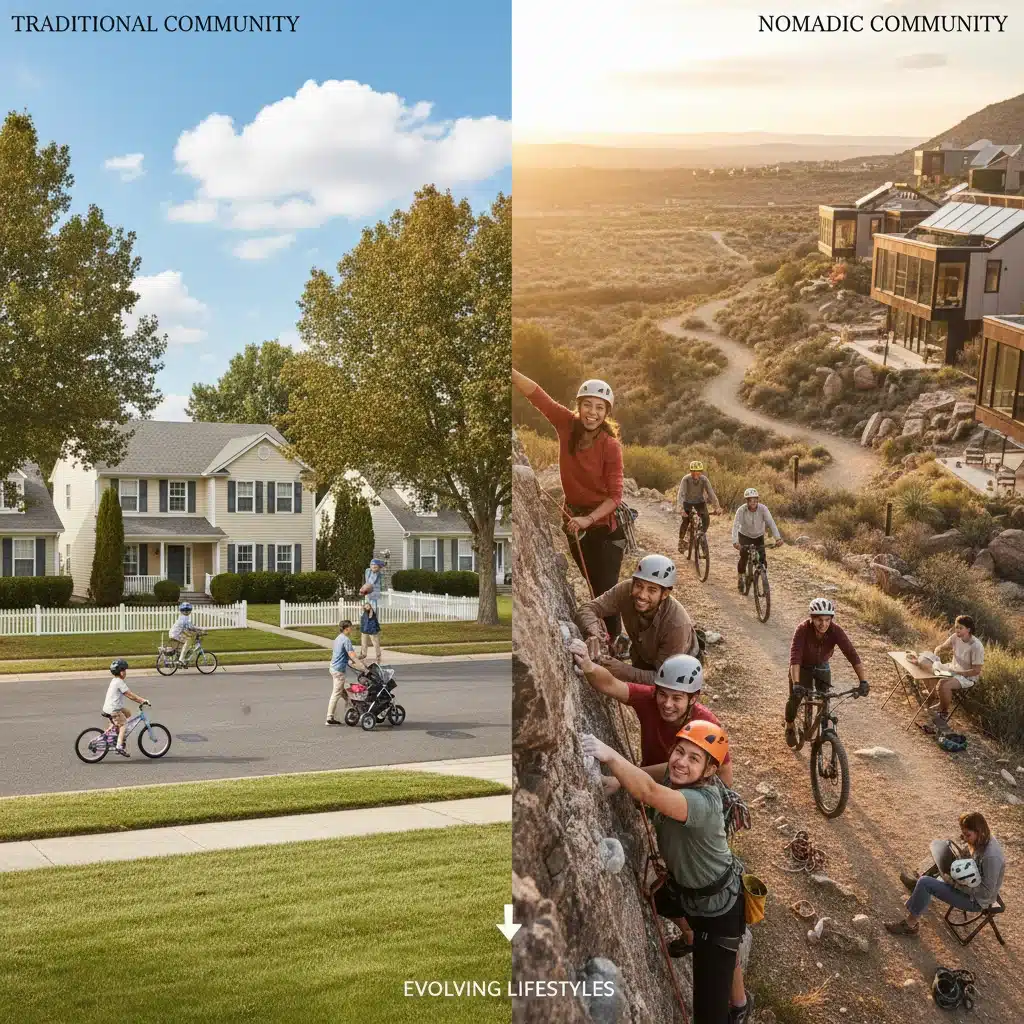
The growth of digital nomads culture is not just about individuals choosing a different way to work; it’s about a fundamental re-evaluation of what constitutes ‘home,’ ‘community,’ and ‘work’ in the 21st century. It challenges traditional notions of belonging and permanence, pushing American society to adapt and innovate.
Conclusion: Navigating the New American Landscape
The projected 10% growth in digital nomads by 2026 signifies a powerful and irreversible trend that will continue to reshape American culture. This mobile lifestyle, driven by technological advancements and a desire for flexibility, brings with it a complex interplay of economic boons, social challenges, and the need for adaptive policies. Communities that embrace this change with foresight, planning, and a commitment to inclusivity will be best positioned to harness the benefits while mitigating the potential downsides.
The impact of digital nomads culture extends beyond mere demographics; it’s about the evolution of American identity itself. As more individuals choose to live and work on their own terms, the nation will continue to redefine its relationship with place, work, and community. Understanding these dynamics is not just for those on the move, but for every American living in a society being subtly, yet profoundly, transformed by the winds of change.
The journey of integrating digital nomads into the American mosaic is ongoing, and by 2026, we will undoubtedly see a more mature, nuanced, and perhaps even more vibrant cultural landscape as a result. The key lies in fostering dialogue, developing innovative solutions, and ensuring that this exciting evolution benefits all members of society, both stationary and nomadic.