Personalized Learning Pathways: EdTech’s Role in Boosting U.S. Student Outcomes by 22%
Personalized Learning Pathways: EdTech’s Role in Boosting U.S. Student Outcomes by 22%
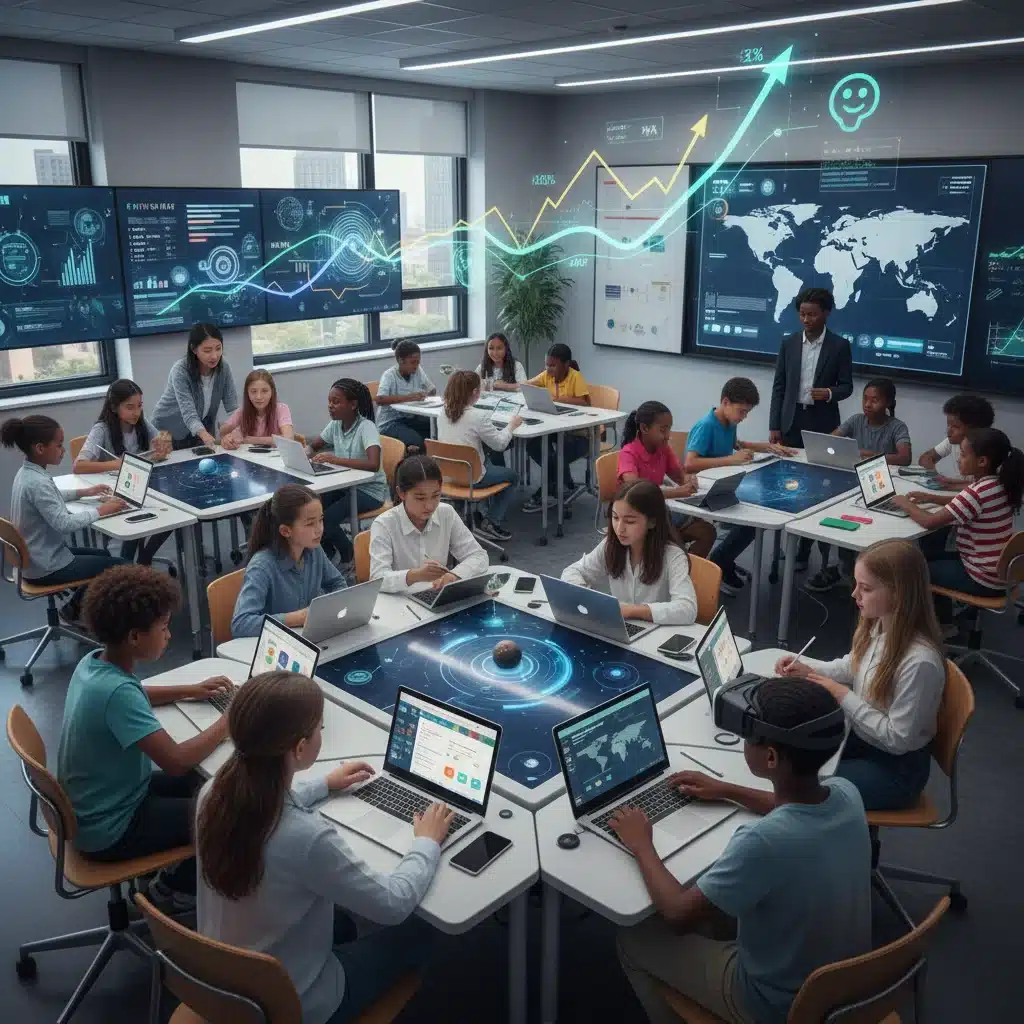
The landscape of education in the United States is undergoing a profound transformation, driven by an accelerating integration of technology and a growing understanding of individual learning needs. At the heart of this revolution lies the concept of personalized learning edtech, a paradigm shift promising not just incremental improvements, but a significant leap in student outcomes. Projections suggest that by 2026, personalized learning pathways, meticulously crafted and delivered through advanced educational technology, could lead to an astounding 22% improvement in student outcomes across the nation. This isn’t just an optimistic forecast; it’s a tangible goal supported by innovative solutions and a commitment to tailoring education to each student’s unique journey.
For decades, the traditional one-size-fits-all model of education has struggled to cater to the diverse needs, paces, and learning styles of students. While dedicated educators have always strived to individualize instruction, the sheer scale and complexity of the task often proved insurmountable. Enter educational technology, or EdTech, which has emerged as the most powerful enabler of true personalization. By leveraging data analytics, artificial intelligence, and sophisticated digital platforms, EdTech solutions are now capable of creating dynamic, adaptive learning environments that respond to individual student progress, preferences, and even emotional states. This article delves deep into how personalized learning edtech is reshaping U.S. education, exploring the practical solutions being implemented, the challenges being overcome, and the promising future it holds for every learner.
The Genesis of Personalized Learning: Moving Beyond the Traditional Classroom
To truly appreciate the impact of personalized learning edtech, it’s essential to understand its philosophical roots. The concept isn’t new; educators like John Dewey and Maria Montessori advocated for child-centered approaches over a century ago. However, the practical implementation of such ideals at scale was severely limited by logistical and technological constraints. Teachers, often overwhelmed by large class sizes and standardized curricula, found it challenging to provide the individualized attention each student deserved.
The digital age has changed everything. The advent of personal computers, the internet, and sophisticated software has provided the tools necessary to bring personalized learning from theory to widespread practice. Modern EdTech platforms can now track student performance in real-time, identify areas of strength and weakness, and then dynamically adjust the learning content, pace, and instructional strategies. This level of responsiveness was unimaginable just a few decades ago. The shift from a teacher-centric, content-delivery model to a student-centric, learning-facilitation model is profound, empowering students to take greater ownership of their educational journey.
Furthermore, the focus has shifted from merely covering curriculum to ensuring genuine mastery. With personalized learning edtech, students are not rushed through topics they haven’t fully grasped, nor are they held back if they demonstrate advanced understanding. This adaptive approach ensures that each student is consistently challenged at their optimal learning zone, fostering deeper comprehension and greater engagement. The result is not just better test scores, but a more profound and lasting educational experience.
Key Components of Effective Personalized Learning EdTech
What exactly makes personalized learning edtech so effective? It’s a combination of several critical components working in synergy:
1. Adaptive Learning Platforms
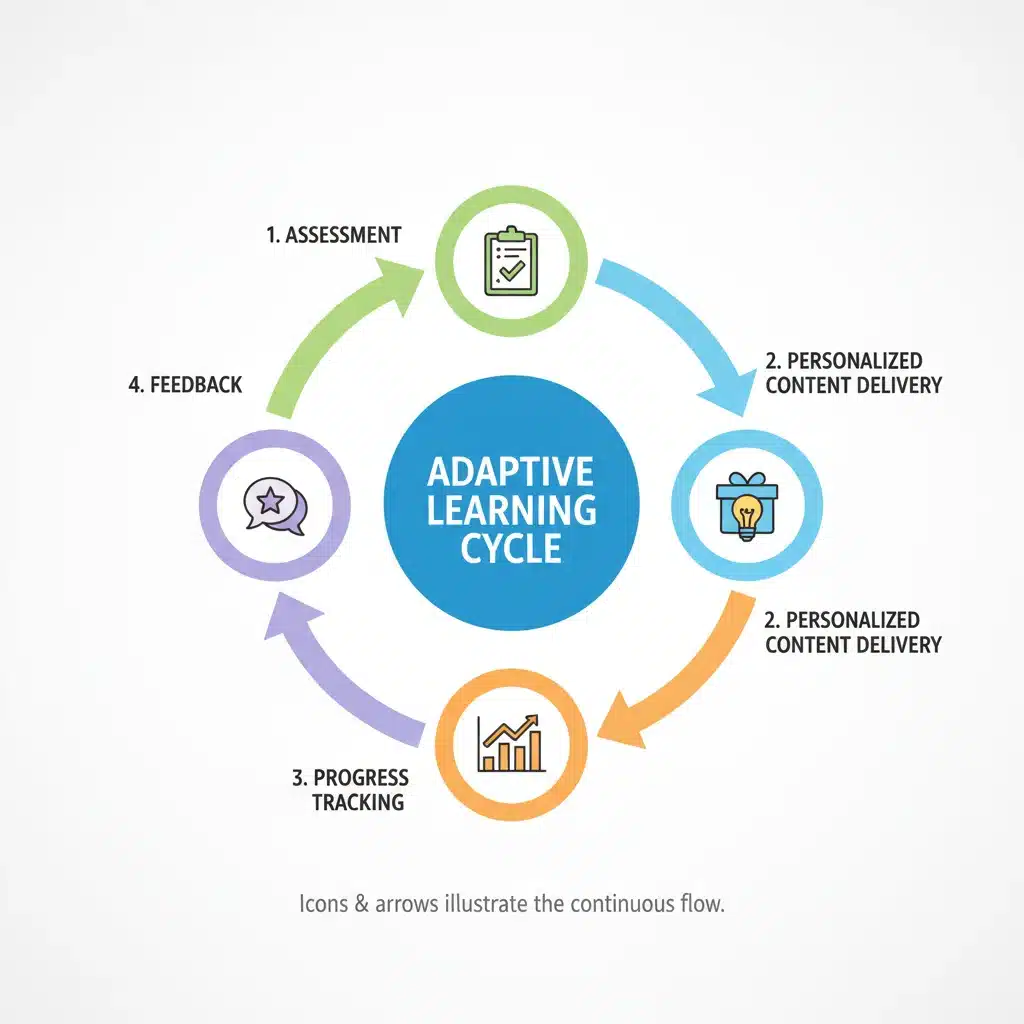
These are the backbone of personalized learning. Adaptive platforms use algorithms to assess a student’s current knowledge and skills, then deliver content and exercises tailored to their specific needs. They adjust difficulty levels, provide targeted feedback, and offer alternative explanations or resources when a student struggles. This continuous feedback loop ensures that learning is always relevant and challenging, but never overwhelming. Examples include platforms that use AI to generate practice problems based on a student’s performance history or recommend specific lessons based on diagnostic tests.
2. Data Analytics and Insights
The power of personalized learning edtech lies in its ability to collect and analyze vast amounts of student data. This data goes beyond simple test scores, encompassing engagement levels, time spent on tasks, types of errors made, and even emotional responses to learning materials. Educators can use these insights to identify trends, intervene early when a student is struggling, and refine their teaching strategies. Administrators can use aggregated data to understand program effectiveness and allocate resources more efficiently. This data-driven approach transforms teaching from an art into a more precise science.
3. Curated and Dynamic Content Libraries
Personalized learning requires a rich and diverse pool of educational content. EdTech solutions provide access to vast libraries of digital textbooks, interactive simulations, educational videos, virtual labs, and more. Crucially, these libraries are dynamic, meaning content can be updated, customized, and rearranged to fit individual learning pathways. Teachers can pull from various sources to create bespoke learning modules, ensuring that students always have access to the most relevant and engaging materials.
4. Student Agency and Self-Direction Tools
A core tenet of personalized learning is empowering students to take an active role in their education. EdTech tools facilitate this by providing dashboards where students can track their progress, set their own learning goals, choose from various learning activities, and reflect on their learning journey. This fosters metacognition and self-regulation skills, which are crucial for lifelong learning. When students feel a sense of ownership over their education, their motivation and engagement naturally increase.
5. Collaborative and Communication Features
While personalized learning often focuses on the individual, it doesn’t mean learning in isolation. Many personalized learning edtech platforms incorporate features that allow students to collaborate on projects, engage in peer-to-peer learning, and communicate effectively with teachers. This blended approach ensures that students develop essential social and communication skills alongside their academic knowledge, preparing them for a collaborative world.
Practical Solutions: How EdTech is Tailoring Curricula
The promise of a 22% improvement in student outcomes by 2026 is rooted in the practical applications of personalized learning edtech. Here are several ways these technologies are actively tailoring curricula and transforming the learning experience:
Individualized Learning Plans (ILPs)
EdTech platforms make it feasible to create and manage Individualized Learning Plans for every student. These plans outline specific academic goals, preferred learning styles, necessary accommodations, and tailored resources. The technology allows for easy updates and tracking of progress against these plans, ensuring that each student is on a trajectory designed specifically for them. This moves beyond generic curriculum maps to hyper-specific educational blueprints.
Mastery-Based Learning
Instead of advancing based on time spent in a classroom, students in a mastery-based system progress once they have demonstrated proficiency in a concept. Personalized learning edtech facilitates this by providing continuous assessment and allowing students to revisit topics, practice, and re-test until mastery is achieved. This eliminates the problem of foundational gaps that can plague students in traditional systems, ensuring a solid understanding before moving to more complex material.
Differentiated Instruction at Scale
Teachers have always strived to differentiate instruction, but doing so for 25-30 students simultaneously is incredibly challenging. EdTech tools automate much of this process. For example, an online math program can present different types of problems to different students based on their current skill level, while a reading platform can offer texts at various Lexile levels on the same topic. This allows teachers to focus on higher-level instruction and one-on-one support, rather than managing disparate content delivery.
Real-time Feedback and Intervention
One of the most powerful aspects of personalized learning edtech is its ability to provide immediate and actionable feedback. Students don’t have to wait days for a graded assignment to understand where they went wrong. Instead, they receive instant feedback, often with explanations or links to remedial resources. This rapid feedback loop accelerates learning and prevents misconceptions from becoming ingrained. Teachers, alerted by the system to common errors or struggling students, can intervene proactively with targeted support.
Gamification and Engagement
To keep students motivated and engaged, many EdTech platforms incorporate gamification elements. This includes points, badges, leaderboards, and interactive challenges that make learning feel more like a game and less like a chore. For personalized learning edtech, this means tailoring these gamified experiences to individual student interests and progress, ensuring that the challenges are always appropriate and rewarding.
The Impact on Student Outcomes: A 22% Improvement by 2026
- Increased Engagement: When learning is relevant and tailored, students are more engaged, leading to better attendance, participation, and effort.
- Improved Mastery: Mastery-based approaches ensure that students build a strong foundational knowledge, preventing future academic difficulties.
- Accelerated Learning: Students who grasp concepts quickly can move ahead, preventing boredom and fostering a love for learning. Those who need more time receive it, reducing frustration and dropout rates.
- Enhanced Critical Thinking and Problem-Solving: Personalized pathways often incorporate project-based learning and inquiry-based activities, encouraging deeper thinking rather than rote memorization.
- Reduced Achievement Gaps: By addressing individual needs, personalized learning edtech has the potential to significantly narrow the achievement gaps between different demographic groups, providing equitable opportunities for all students.
- Better Preparation for Future Careers: The skills fostered by personalized learning – self-direction, critical thinking, adaptability, and digital literacy – are precisely those required for success in the 21st-century workforce.
This improvement isn’t just about test scores; it encompasses a broader range of outcomes, including social-emotional development, perseverance, and a genuine passion for lifelong learning. The data collected by EdTech platforms will be crucial in measuring this holistic improvement, allowing educators and policymakers to continually refine their strategies.
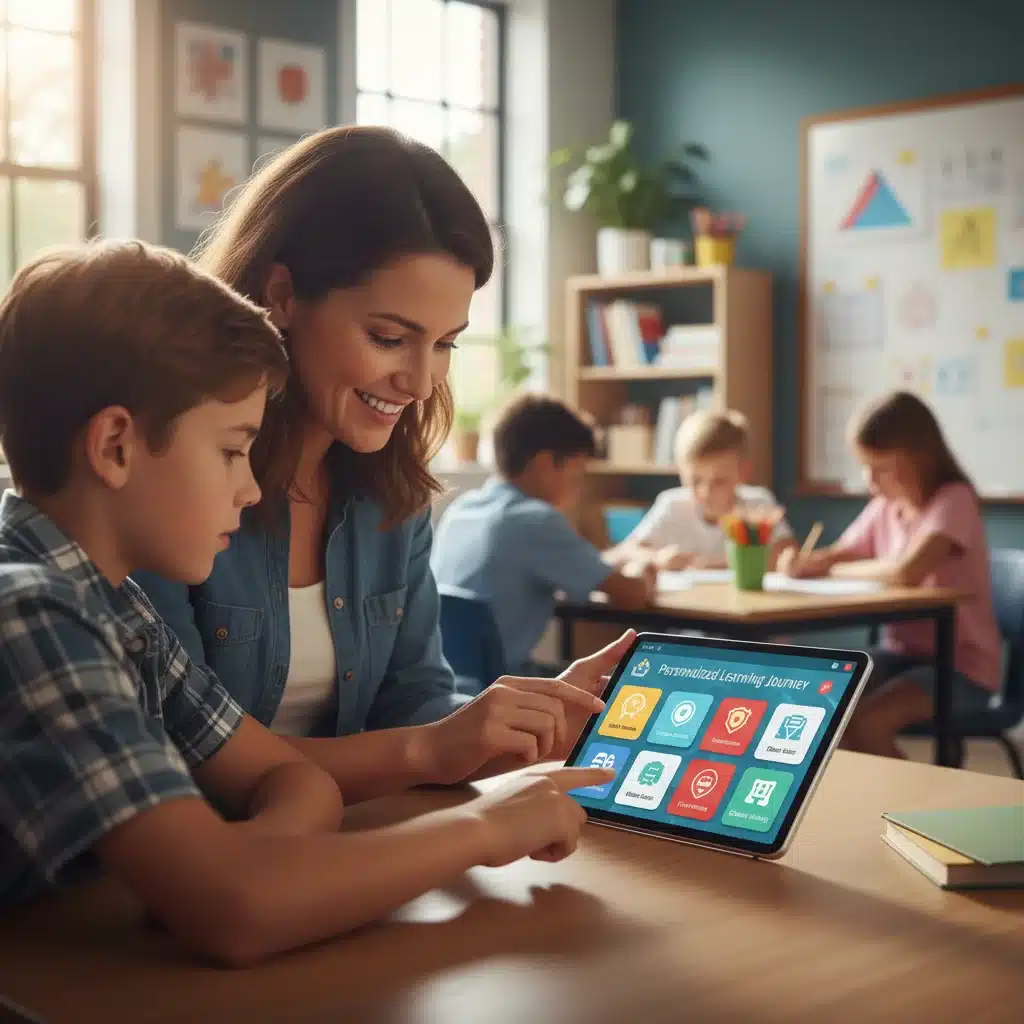
Challenges and Considerations in Implementing Personalized Learning EdTech
While the benefits of personalized learning edtech are clear, its widespread implementation comes with a set of challenges that must be addressed:
1. Equity and Access
The digital divide remains a significant concern. Not all students have reliable access to devices or high-speed internet at home, which can exacerbate existing inequalities. Schools and districts must prioritize ensuring equitable access for all students, perhaps through device programs, community Wi-Fi initiatives, or blended learning models that combine online and offline activities.
2. Teacher Training and Professional Development
Teachers are at the forefront of this educational revolution, and they need comprehensive training not only in using new EdTech tools but also in adapting their pedagogical approaches to a personalized learning environment. This includes shifting from being content deliverers to facilitators, mentors, and data analysts. Ongoing professional development is crucial for successful integration.
3. Data Privacy and Security
The collection of extensive student data raises legitimate concerns about privacy and security. Schools and EdTech providers must adhere to stringent data protection regulations (like FERPA in the U.S.) and implement robust security measures to safeguard sensitive student information. Transparency with parents and students about data usage is also vital for building trust.
4. Integration with Existing Systems
Many school districts have legacy systems for student information, grading, and curriculum management. Seamless integration of new personalized learning edtech platforms with these existing systems is essential to avoid data silos and streamline administrative tasks. Interoperability standards are becoming increasingly important in the EdTech ecosystem.
5. Cost and Funding
Implementing and maintaining advanced EdTech solutions can be expensive. Schools and districts need sustainable funding models, potentially through state and federal grants, private partnerships, or innovative financing strategies, to ensure long-term success. The initial investment, however, needs to be viewed against the significant long-term returns in student achievement and societal benefits.
6. Overcoming Resistance to Change
Any significant change in education can face resistance from various stakeholders, including teachers, parents, and even students who are accustomed to traditional methods. Effective change management, clear communication about the benefits, and opportunities for feedback are essential to foster buy-in and create a supportive environment for personalized learning edtech.
The Future of Education: A Holistic Approach
The vision for personalized learning edtech goes beyond academic gains. It’s about fostering a holistic educational experience that prepares students for a rapidly changing world. This includes:
- Social-Emotional Learning (SEL): Many EdTech platforms are integrating SEL components, helping students develop self-awareness, self-management, social awareness, relationship skills, and responsible decision-making.
- Career and College Readiness: Personalized pathways can be designed to align with students’ post-secondary aspirations, offering relevant coursework, internships, and skill-building opportunities.
- Global Competence: Through virtual exchange programs, access to diverse digital resources, and collaborative projects with peers from around the world, EdTech can foster global awareness and intercultural understanding.
- Lifelong Learning Skills: By empowering students to direct their own learning, personalized EdTech instills the critical skills of adaptability, curiosity, and continuous learning, which are essential in the modern economy.
The role of the educator also evolves. Teachers become facilitators of learning, diagnosticians of student needs, and curators of resources. They spend less time on rote instruction and more time on high-value activities like mentoring, providing individualized support, and fostering critical thinking through project-based learning. This shift elevates the teaching profession and allows educators to connect with students on a deeper, more meaningful level.
Conclusion: Embracing the Personalized Learning Revolution
The journey towards a 22% improvement in U.S. student outcomes by 2026 through personalized learning edtech is both challenging and incredibly promising. It requires a concerted effort from policymakers, educators, technology developers, and communities to address the existing hurdles and fully embrace the transformative potential of these tools. The shift from a standardized, one-size-fits-all approach to an individualized, adaptive learning experience is not just an upgrade; it’s a fundamental reimagining of education.
By leveraging the power of data, artificial intelligence, and dynamic content, EdTech is enabling educators to tailor curricula to the unique strengths, weaknesses, and interests of every student. This leads to increased engagement, deeper mastery, and the development of essential 21st-century skills. As we move forward, the continued innovation in personalized learning edtech will be crucial in unlocking the full potential of every learner, ensuring that the next generation is not only well-educated but also well-equipped to thrive in an ever-evolving world. The future of U.S. education is personalized, and it’s brighter than ever.