7-Phase Workflow for US Independent Artists in 2026: Concept to Creation
The landscape for independent artists in the United States is continuously evolving, demanding not just creativity, but also strategic planning and adaptability. As we approach 2026, artists need a robust framework to navigate the complexities of concept development, creation, and commercialization. This comprehensive guide outlines a 7-Phase Workflow for US Independent Artists designed to optimize your artistic journey from a nascent idea to a celebrated creation. This workflow emphasizes efficiency, innovation, and strategic engagement, ensuring your art not only gets made but also reaches its intended audience effectively.
Becoming a successful independent artist in today’s world requires more than just talent; it demands a structured approach to your craft and business. This Independent Artist Workflow is tailored to meet the challenges and opportunities that 2026 presents. From leveraging new technologies to understanding shifting market trends, each phase is critical. By systematically addressing each step, artists can minimize common pitfalls, maximize their creative output, and build a sustainable career.
Let’s dive into the seven essential phases that will transform your artistic aspirations into tangible success.
Phase 1: Concept & Research (The Genesis of Your Idea)
Every masterpiece begins with an idea, but for the independent artist, this initial spark needs careful nurturing and extensive research. This first phase of the Independent Artist Workflow is about laying a solid foundation for your project.
Defining Your Vision and Goals
Before you even pick up a brush or open a digital canvas, clearly define what you want to achieve. What is the core message or emotion you want to convey? What problem does your art solve, or what experience does it offer? Setting clear artistic and personal goals will guide your creative decisions throughout the entire process. Consider:
- Artistic Intent: What story are you telling? What aesthetic are you pursuing?
- Target Audience: Who are you trying to reach? Understanding your audience will influence your style, themes, and even your marketing strategies.
- Personal Growth: What new skills do you want to develop during this project?
- Project Scope: Is this a single piece, a series, or a larger installation?
Market Research and Trend Analysis
In 2026, staying relevant means understanding the pulse of the art world. Research current art trends, emerging styles, and the work of other successful independent artists. This isn’t about copying, but about identifying gaps, opportunities, and finding your unique voice within the broader context. Look into:
- Galleries and Exhibitions: What kind of art is being shown?
- Online Platforms: What’s popular on platforms like Instagram, TikTok, ArtStation, or Etsy?
- Cultural Shifts: How do societal changes influence artistic themes and public reception?
- Technological Advancements: Are there new tools or mediums that could enhance your work? (e.g., AI art, VR/AR installations, generative art).
Resource Assessment and Planning
What resources do you need, and what do you already have? This includes materials, tools, time, and budget. Create a detailed plan that outlines:
- Materials List: Specify every item needed, from paints and canvases to software licenses.
- Time Allocation: Break down the project into manageable tasks and assign realistic timelines for each.
- Budgeting: Account for material costs, studio rent, software subscriptions, marketing expenses, and even your own time.
- Skill Assessment: Do you need to learn a new technique? Factor in time for skill development.
Thorough concept and research ensure that your creative energy is directed efficiently, preventing costly reworks and fostering a stronger connection with your potential audience. This initial phase sets the stage for a compelling and successful artistic endeavor within your Independent Artist Workflow.
Phase 2: Ideation & Sketching (Bringing Ideas to Form)
With your research complete, it’s time to translate abstract concepts into tangible forms. This phase is about exploration, experimentation, and refinement.
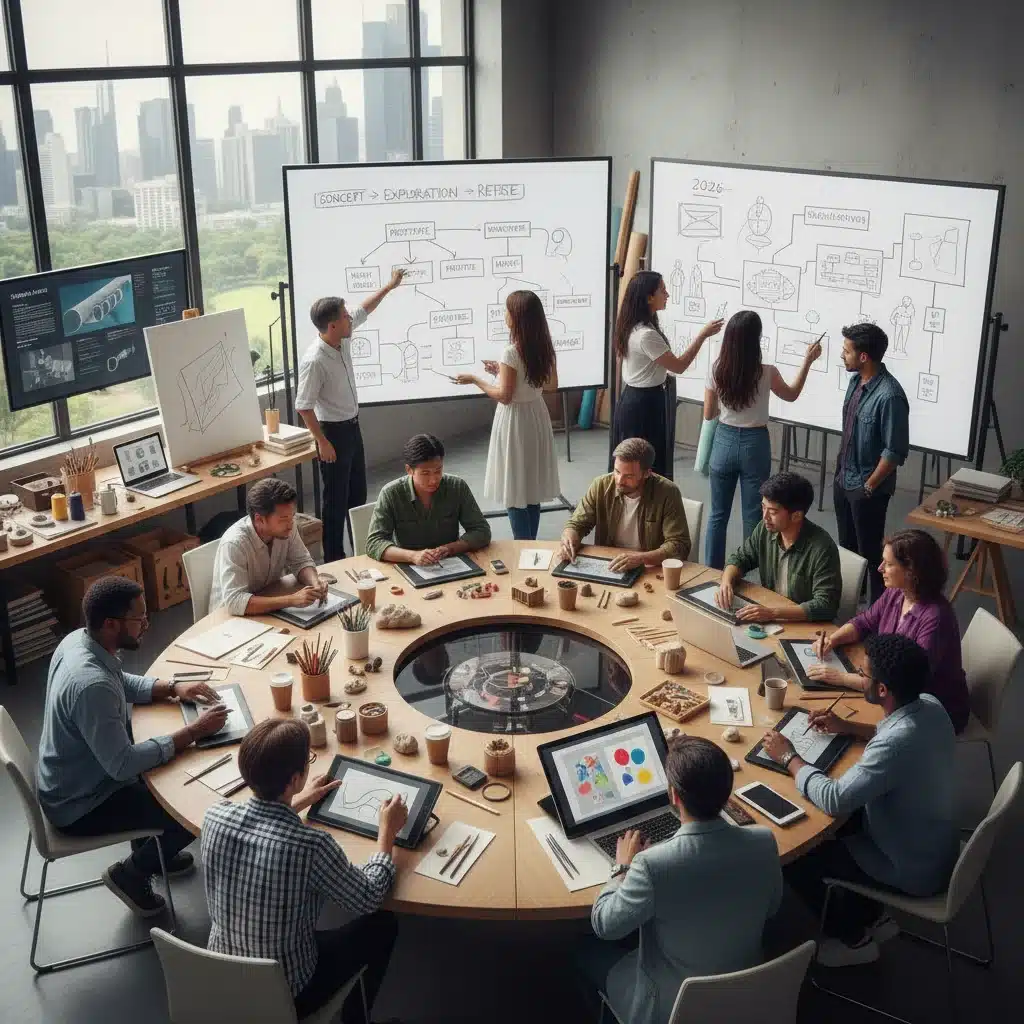
Brainstorming and Mind Mapping
Unleash your creativity. Use brainstorming techniques like mind mapping, free association, or even collaborative sessions if you work with others. Don’t self-censor; capture every idea, no matter how outlandish it seems. The goal is quantity over quality at this stage.
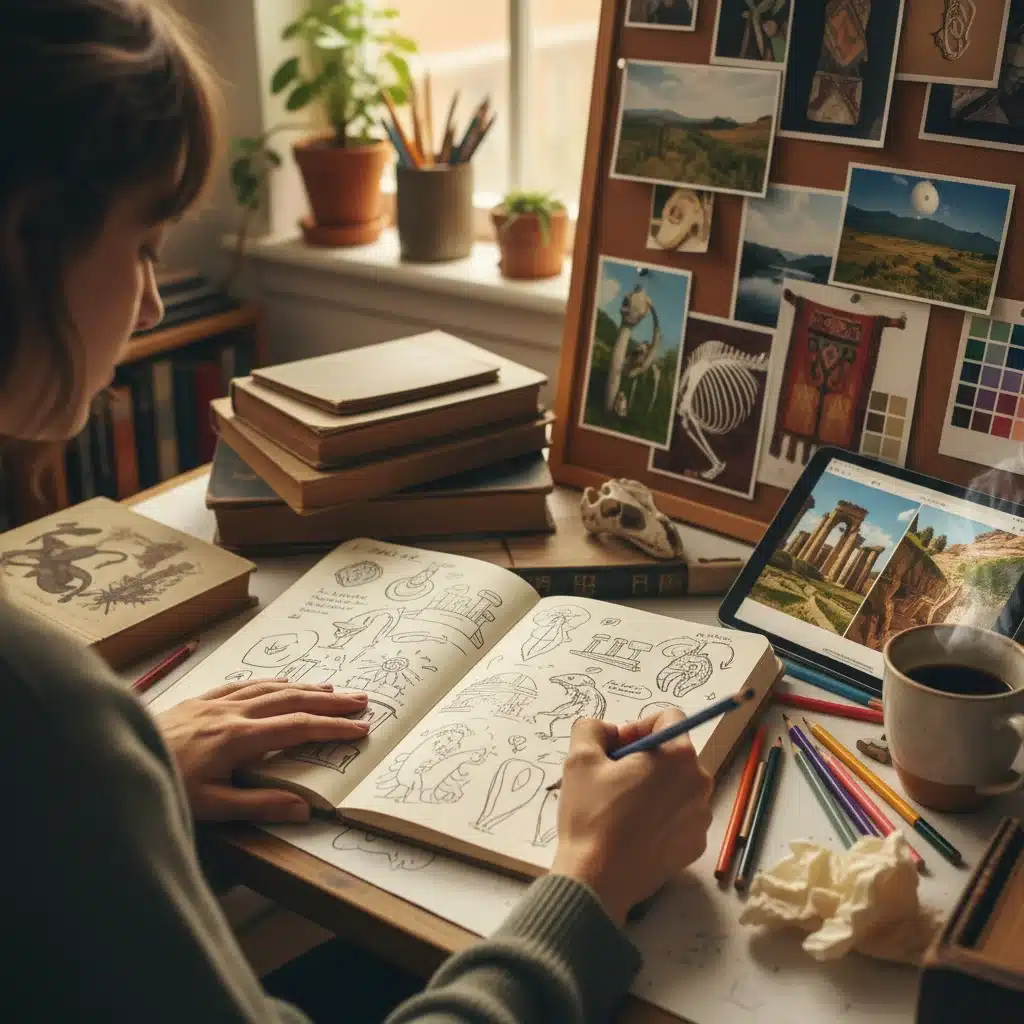
Preliminary Sketches and Prototypes
Start visualizing your ideas. This could involve:
- Thumbnail Sketches: Quick, small drawings to explore compositions and layouts.
- Digital Mock-ups: Using software to create rough versions of your final piece.
- Physical Prototypes: For sculptors or installation artists, creating small-scale models.
- Color Palettes: Experiment with different color schemes to evoke desired moods.
This iterative process allows you to test different approaches without committing significant resources. It’s a crucial step in the Independent Artist Workflow to identify what works and what doesn’t early on.
Feedback and Iteration
Share your preliminary ideas with trusted peers, mentors, or even a small focus group. Constructive criticism is invaluable. Be open to feedback and willing to iterate on your designs. Remember, the goal is to refine your vision, not to please everyone. Use feedback to strengthen your core concept and address potential weaknesses.
Phase 3: Production & Creation (Bringing the Vision to Life)
This is where the magic happens – the actual creation of your artwork. This phase demands focus, technical skill, and often, a significant investment of time and effort. It’s the core of the Independent Artist Workflow.
Material Acquisition and Setup
Gather all your necessary materials and set up your workspace. Ensure you have everything you need to maintain a smooth workflow, minimizing interruptions. Proper lighting, ergonomic setup, and organized tools are essential for productivity and preventing burnout.
Execution of the Artwork
Follow your refined sketches and plans. This is the stage for meticulous execution. Whether you’re painting, sculpting, coding, or performing, focus on quality and consistency. Pay attention to details, and allow yourself to get lost in the creative flow.
- Maintain a Schedule: Stick to your time allocations, but also be flexible enough to allow for unexpected challenges or creative detours.
- Document Your Process: Take photos or videos of your work in progress. This not only serves as a valuable record but can also be used for future marketing and behind-the-scenes content.
- Problem-Solving: Expect challenges. Be prepared to troubleshoot technical issues, rework sections, or adapt your approach when necessary.
Quality Control and Refinement
Once the primary creation is complete, step back and critically evaluate your work. Is it consistent with your initial vision? Are there any areas that need further refinement or correction? This could involve:
- Color Correction: For digital art or photography.
- Finishing Touches: Varnishing, framing, polishing for physical art.
- Testing: For interactive art or digital experiences, ensuring functionality.
Don’t rush this stage. A well-finished piece speaks volumes about your professionalism and dedication to your craft.
Phase 4: Documentation & Archiving (Preserving Your Legacy)
Often overlooked, this phase is crucial for the long-term success and preservation of your work. Proper documentation is vital for your portfolio, marketing, and future sales.
High-Quality Photography/Videography
Professional documentation is non-negotiable. Invest in good equipment or hire a professional photographer/videographer. Your digital representation is often the first impression potential buyers, galleries, or collaborators will have. Ensure:
- Accurate Color Representation: True to the original artwork.
- Multiple Angles: Show different perspectives, especially for 3D works.
- Detail Shots: Highlight intricate details or textures.
- Contextual Shots: Show the artwork in a relevant setting (e.g., on a wall, worn by a model).
Metadata and Description
Attach comprehensive metadata to your digital files. This includes:
- Title of the Artwork
- Artist Name
- Date of Creation
- Medium/Materials Used
- Dimensions
- Edition Number (if applicable)
- A Detailed Description/Artist Statement: Explain the concept, inspiration, and process. This adds value and context for viewers.
Secure Archiving
Create multiple backups of your digital files. Use cloud storage, external hard drives, and potentially even physical backups. Organize your files systematically so you can easily retrieve them when needed. This foresight is a hallmark of an organized Independent Artist Workflow.
Phase 5: Legal & Business (Protecting Your Work and Future)
For independent artists in 2026, understanding the business and legal aspects of your practice is as important as the art itself. This phase ensures your intellectual property is protected and your operations are compliant.
Copyright and Intellectual Property
As soon as you create an original work, it is automatically copyrighted. However, formal registration with the U.S. Copyright Office provides stronger legal protection and allows you to sue for statutory damages and attorney’s fees in case of infringement. Understand:
- Copyright Basics: What it protects and for how long.
- Registration Process: How to register your works.
- Licensing: When and how to license your work for commercial use.
Pricing Strategy
Determining the right price for your art can be challenging. Consider factors such as:
- Material Costs and Time Invested: Your direct expenses and your hourly rate.
- Artist’s Reputation and Experience: As your career grows, so too can your prices.
- Market Demand: What are similar artists charging?
- Sales Channel: Galleries often take a commission, which needs to be factored in.
Develop a consistent pricing formula that you can apply to your work.
Contracts and Agreements
Whether you’re selling directly, consigning to a gallery, or collaborating with another artist, clear contracts are essential. This includes:
- Sales Agreements: Terms of sale, shipping, returns.
- Consignment Agreements: Gallery commissions, insurance, exhibition duration.
- Collaboration Agreements: Division of labor, ownership, profits.
- Licensing Agreements: Usage rights, duration, fees.
Consult with a legal professional specializing in art law to draft or review important contracts.
Business Structure and Taxes
Decide on your business structure (sole proprietorship, LLC, etc.) and understand your tax obligations as an independent artist. Keep meticulous records of income and expenses. This proactive approach to business management is a critical component of a functional Independent Artist Workflow.
Phase 6: Distribution & Marketing (Connecting with Your Audience)
Creating art is only half the battle; the other half is getting it seen and sold. This phase focuses on strategic outreach and engagement.
Online Presence and Portfolio
Your online presence is your digital storefront. Ensure you have:
- Professional Website/Portfolio: A dedicated space to showcase your best work, artist statement, and contact information.
- Social Media Strategy: Identify platforms where your target audience is most active (Instagram, TikTok, Pinterest, LinkedIn) and tailor your content to each. Engage with your followers and use relevant hashtags.
- Email List: Build an email list to directly communicate with interested collectors and fans about new work, exhibitions, or special offers.
Sales Channels
Diversify your sales channels to reach a broader audience:
- Direct Sales: Through your website, studio visits, or art fairs.
- Online Marketplaces: Etsy, Saatchi Art, Artfinder, Society6, or emerging platforms in 2026.
- Galleries and Exhibitions: Research galleries that align with your style and submit proposals.
- Commissions: Offer custom artwork to clients.
Marketing and Promotion
Actively promote your work. This involves:
- Content Marketing: Share behind-the-scenes glimpses, process videos, artist interviews, and blog posts about your inspirations.
- PR and Media Outreach: Reach out to art bloggers, local newspapers, or online publications.
- Networking: Attend art events, connect with other artists, curators, and collectors.
- Paid Advertising: Consider targeted ads on social media or search engines to reach specific demographics.
A well-executed marketing strategy is indispensable for any Independent Artist Workflow aiming for visibility and sales.
Phase 7: Evaluation & Adaptation (Continuous Growth)
The final phase is not an end but a beginning. It’s about learning from your experiences and refining your approach for future projects. This iterative process is what defines a truly effective Independent Artist Workflow.
Performance Review
Once a project is complete, take time to evaluate its success against your initial goals. Ask yourself:
- Did I achieve my artistic intent?
- Did the project meet its financial goals?
- What was the audience reception like?
- What worked well in the production and marketing phases?
- What challenges did I face, and how were they overcome?
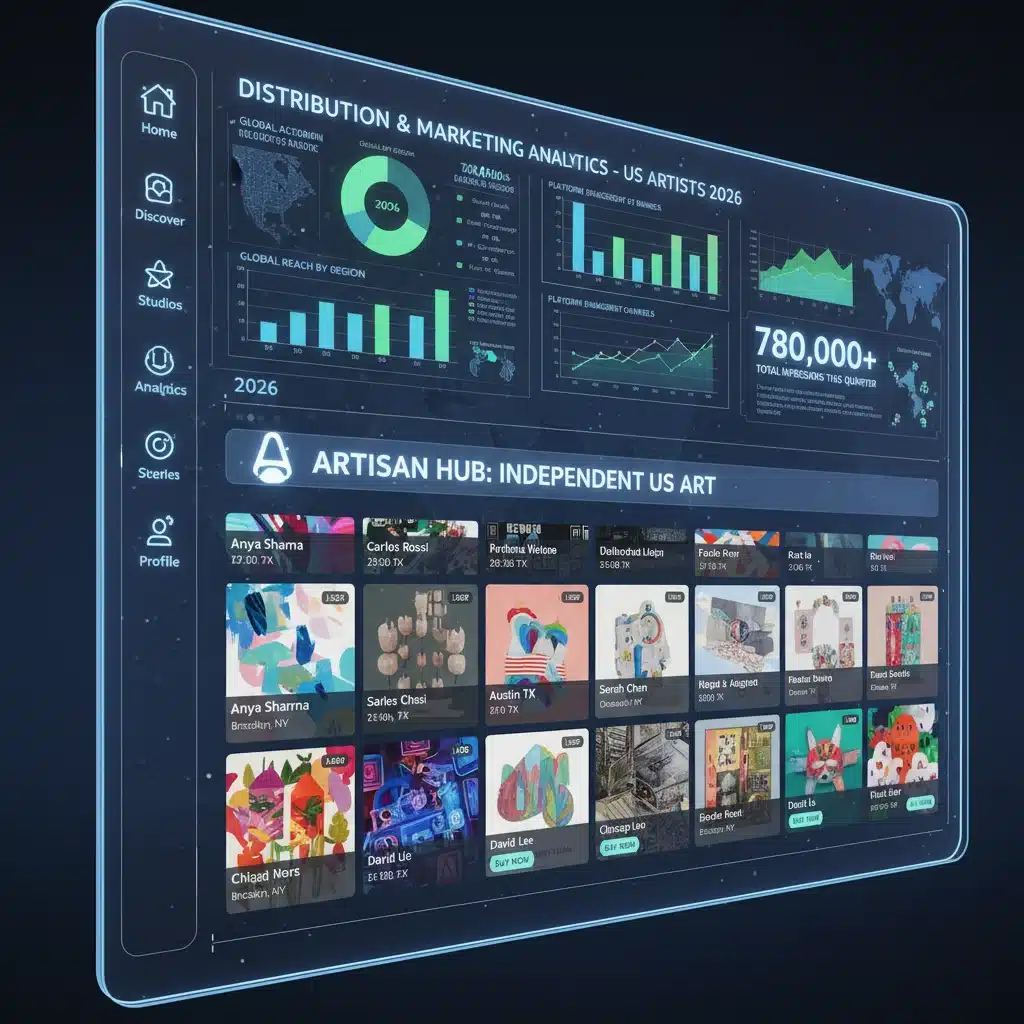
Utilize analytics from your website and social media to understand engagement, traffic, and sales performance.
Gathering Feedback
Beyond sales figures, actively seek qualitative feedback. Talk to collectors, peers, and mentors. What resonated with them? What could be improved? This feedback is invaluable for refining your artistic voice and business practices.
Learning and Skill Development
Identify areas for growth based on your review. Did you struggle with a particular technique? Do you need to improve your social media skills? Dedicate time to continuous learning, whether through workshops, online courses, or self-study.
Adapting Your Workflow
Based on your evaluation, make adjustments to your Independent Artist Workflow for future projects. This might involve:
- Refining your concept development process.
- Experimenting with new materials or techniques.
- Adjusting your pricing strategy.
- Exploring new marketing channels.
- Streamlining your administrative tasks.
The art world is dynamic, and your workflow should be too. Continuous adaptation ensures you remain agile and relevant as an independent artist in 2026 and beyond.
The Future of Independent Art in 2026
As we look towards 2026, several trends will continue to shape the independent art landscape. Understanding these can help you fine-tune your Independent Artist Workflow:
The Rise of AI and Generative Art
Artificial intelligence is no longer just a tool but a collaborator for many artists. AI-powered tools can assist in ideation, generate unique textures, or even create entire pieces. Independent artists who can integrate AI ethically and creatively into their workflow will find new avenues for expression and efficiency. However, the debate around authorship and originality will also intensify, making robust documentation and clear artistic statements even more critical.
NFTs and Digital Ownership
While the initial hype around NFTs has settled, the underlying technology for digital ownership remains significant. Expect more stable and artist-friendly platforms for tokenizing digital art, providing independent artists with new ways to monetize their digital creations and establish verifiable provenance. Understanding blockchain technology and its implications for art sales will be a valuable skill.
Community and Collaboration
The power of community will continue to be a cornerstone for independent artists. Online communities, artist collectives, and collaborative projects will offer opportunities for shared learning, mutual support, and broader exposure. Networking, both online and offline, will remain crucial for career advancement and fostering a sense of belonging in a sometimes solitary profession.
Sustainability and Ethical Practices
Consumers and collectors are increasingly conscious of environmental and ethical considerations. Independent artists who prioritize sustainable materials, ethical production processes, and transparent practices will resonate more deeply with their audience. Integrating these values into your Independent Artist Workflow can become a powerful differentiator.
Personal Branding and Storytelling
In a crowded market, your unique story and personal brand are what set you apart. Authentic storytelling about your inspirations, process, and values will build stronger connections with your audience. This goes beyond just showing your finished work; it’s about inviting people into your world and sharing the journey of your art.
Conclusion: Mastering Your Artistic Journey
The journey from concept to creation for an independent artist is multifaceted, demanding a blend of creative passion, strategic thinking, and business acumen. By adopting this 7-Phase Workflow for US Independent Artists, you equip yourself with a structured, adaptable, and forward-thinking approach to your craft. Each phase, from the initial spark of an idea to the continuous cycle of evaluation and adaptation, is designed to empower you to navigate the complexities of the art world in 2026 and beyond.
Remember, this workflow is a guide, not a rigid set of rules. Feel free to adapt it to your unique artistic practice and personal style. The key is to be intentional, organized, and always open to learning and evolving. Your art has a voice, and this workflow will help you ensure that voice is heard, appreciated, and sustained for years to come. Embrace the journey, trust your process, and let your creativity flourish within this powerful framework.