Copyright Law Updates 2026: Artist Protection & Infringement Defense
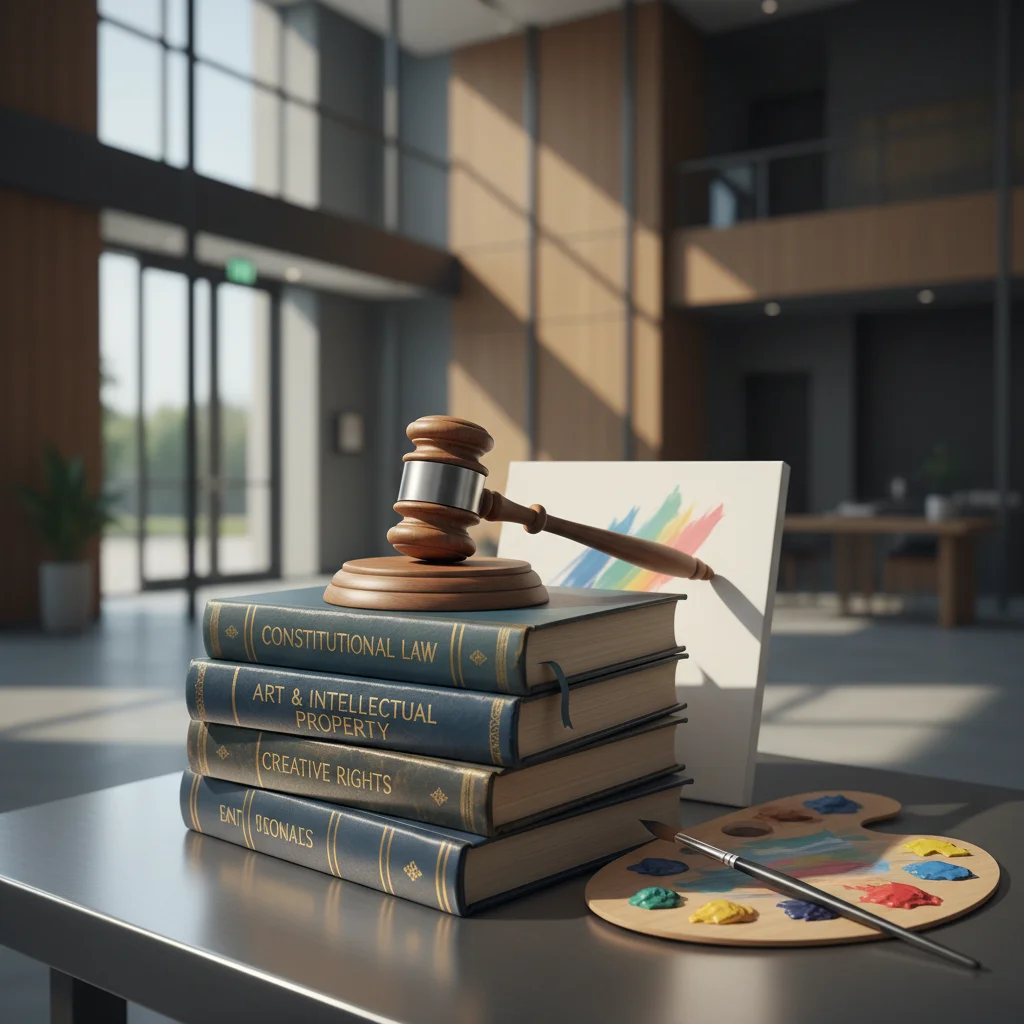
Copyright Law Updates 2026: Protecting Your Work Against 5 Common Infringements
As an artist, your creations are more than just aesthetically pleasing—they are your intellectual property, the product of your unique vision, skill, and effort. In an increasingly digital world, where content can be copied and disseminated with unprecedented ease, understanding and safeguarding your copyright is paramount. The legal landscape is constantly evolving, and Copyright Law 2026 brings with it significant updates that every artist must be aware of to effectively protect their work and navigate potential infringements. This comprehensive guide will delve into these crucial changes, equip you with strategies to fortify your creative assets, and provide clear insights into defending against the five most common types of infringement.
The Evolving Landscape of Copyright Law for Artists in 2026
The year 2026 marks a pivotal moment for intellectual property rights, particularly for creators. Legislative bodies globally, and specifically in key jurisdictions, have been working to adapt existing frameworks to the realities of generative AI, NFTs, and the ever-blurring lines of digital ownership. These updates aim to provide greater clarity, enhance enforcement mechanisms, and, in some cases, introduce new challenges for artists. Staying informed about Copyright Law 2026 is not merely a recommendation; it’s a necessity for professional and aspiring artists alike.
Key Legislative Changes and Their Impact
Several critical areas within Copyright Law 2026 have seen notable revisions. These include:
- AI-Generated Content: One of the most hotly debated topics, the new regulations attempt to clarify who owns the copyright to works created, in whole or in part, by artificial intelligence. While the specifics vary by region, a general trend suggests a move towards requiring significant human input for copyright eligibility, or establishing new categories of ownership for AI-assisted creations. Artists utilizing AI tools must understand these nuances to ensure their collaborative works are properly protected.
- Digital Millennium Copyright Act (DMCA) Enhancements: Expect more robust takedown procedures and potentially increased penalties for repeat infringers under updated DMCA-like provisions. These enhancements are designed to provide artists with quicker and more effective means of removing unauthorized copies of their work from online platforms.
- International Harmonization Efforts: There’s a concerted push for greater alignment across international copyright treaties, seeking to simplify cross-border enforcement and reduce legal complexities when dealing with global infringements. This could mean more unified standards for what constitutes copyrightable material and how it’s protected worldwide.
- Blockchain and NFT Ownership: As Non-Fungible Tokens (NFTs) continue to evolve, Copyright Law 2026 begins to address the distinction between owning an NFT (a digital token) and owning the underlying copyright to the artwork it represents. New guidelines aim to clarify licensing terms and ownership transfers in the burgeoning digital art market.
Understanding these foundational shifts is the first step in building a robust defense for your artistic endeavors. Ignorance of the law is no excuse, and in the fast-paced digital environment, it could lead to significant financial and reputational losses.
Proactive Measures: Strengthening Your Copyright Protection
While legal recourse is available, prevention is always better than cure. By taking proactive steps, artists can significantly reduce their vulnerability to infringement. These measures are crucial under the updated Copyright Law 2026 framework.
1. Register Your Copyright
The single most powerful step an artist can take is to formally register their copyright. While copyright technically exists the moment a work is created and fixed in a tangible medium, registration offers crucial advantages, especially under Copyright Law 2026:
- Public Record: Registration creates a public record of your ownership, making it easier to prove your claim.
- Right to Sue: In many jurisdictions, you cannot file an infringement lawsuit until your copyright is registered.
- Statutory Damages and Attorney’s Fees: If registered within a certain timeframe (usually before infringement occurs or within three months of publication), you may be eligible for statutory damages and attorney’s fees, which can be significantly higher than actual damages and make litigation more feasible.
- Evidence of Validity: A certificate of registration serves as prima facie evidence of the validity of the copyright and the facts stated in the certificate.
Familiarize yourself with the registration process in your country and consider registering your most valuable works or collections of works regularly.
2. Implement Strong Licensing Agreements and Contracts
Every time you allow someone to use your work, whether for commercial purposes, exhibition, or digital display, ensure a clear, written licensing agreement is in place. These agreements should explicitly define:
- Scope of Use: What specific ways can the work be used? (e.g., print, digital, merchandise)
- Duration: How long is the license valid?
- Territory: Where can the work be used? (e.g., worldwide, specific countries)
- Exclusivity: Is the license exclusive (only this licensee can use it) or non-exclusive?
- Attribution: How must you be credited?
- Compensation: What are the payment terms and royalties?
Under Copyright Law 2026, well-drafted contracts are your first line of defense against misunderstandings and unauthorized use. Seek legal counsel to draft standard agreements applicable to your specific artistic practice.
3. Utilize Digital Watermarks and Metadata
For digital art, watermarking and embedding metadata are simple yet effective deterrents and evidence providers. While watermarks can sometimes be removed, they signal ownership and make unauthorized use more difficult. Metadata, embedded within the file, can include your name, contact information, copyright notice, and terms of use. This information often persists even if the image is downloaded and re-uploaded, providing valuable evidence of origin.
4. Maintain Meticulous Records of Creation
Keep detailed records of your creative process. This includes:
- Sketches, drafts, and preliminary versions.
- Date and time stamps of digital files.
- Correspondence related to commissions or collaborations.
- Proof of publication or first display.
These records can serve as crucial evidence in court to establish the originality of your work and the date of its creation, particularly important when proving prior ownership in infringement cases under Copyright Law 2026.
5. Educate Yourself and Your Audience
As an artist, understanding the basics of Copyright Law 2026 is empowering. Share this knowledge with your audience and clients. Clearly state your copyright terms on your website, social media, and in your contracts. A visible copyright notice (e.g., © [Your Name] [Year]) serves as a constant reminder to potential infringers.
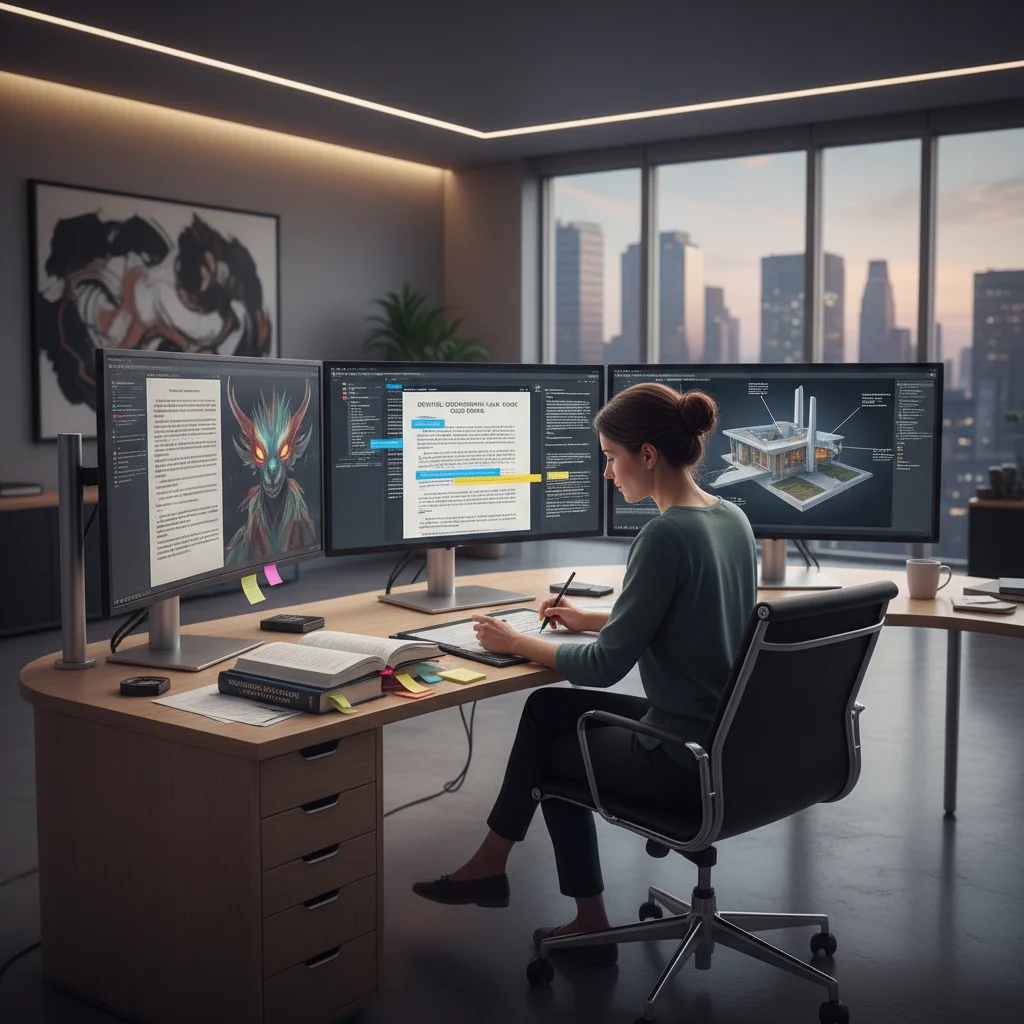
Defending Against 5 Common Copyright Infringements in 2026
Despite proactive measures, infringement can still occur. Knowing how to identify and respond to common types of violations is critical. Here are five prevalent forms of infringement and how to address them under Copyright Law 2026.
1. Unauthorized Reproduction and Distribution
This is perhaps the most straightforward form of infringement: someone copies your artwork (e.g., prints, digital files, sculptures) without permission and distributes it, often for profit. This can range from selling counterfeit prints to uploading your music to streaming platforms without a license.
Defense Strategy:
- Cease and Desist Letter: The first step is typically to send a formal cease and desist letter. This legally binding document demands that the infringer stop their unauthorized activities. It should clearly identify your work, the infringing act, and the legal basis for your claim.
- DMCA Takedown Notice: For online infringements, utilize the updated DMCA (or equivalent local) takedown procedures. Platforms are legally obligated to remove infringing content once notified.
- Litigation: If the infringer ignores your requests, and especially if your copyright is registered, pursuing legal action for damages and injunctive relief may be necessary.
2. Derivative Work Infringement
A derivative work is a new creation based on one or more pre-existing works. Examples include adaptations, translations, musical arrangements, or even fan art that directly copies significant elements of an original. Creating a derivative work without permission from the original copyright holder is infringement.
Defense Strategy:
- Assess Substantial Similarity: Determine if the derivative work is substantially similar to your original and if it incorporates copyrightable elements from your work.
- Negotiate a License (if appropriate): Sometimes, the creator of the derivative work may be willing to license the original work retroactively or enter into a new agreement.
- Cease and Desist / Litigation: If negotiation fails, follow the same steps as unauthorized reproduction. The new regulations under Copyright Law 2026 may offer specific guidance on AI-generated derivative works, making this area particularly complex.
3. Performance or Display Infringement
This occurs when your copyrighted work (e.g., music, play, film, visual art) is publicly performed or displayed without your authorization. This could be a band playing your song without a license, or a gallery displaying your art beyond the terms of an agreement.
Defense Strategy:
- Review Licensing Agreements: Ensure you have clear agreements for performances or displays.
- Contact the Venue/Organizer: Often, the venue or event organizer may be liable. Notify them of the infringement and demand they cease the unauthorized activity and/or provide compensation.
- Collect Evidence: Document the performance or display with photos, videos, or witness testimonies.
4. Plagiarism and Misattribution
While plagiarism is an ethical violation, it can also constitute copyright infringement if it involves copying substantial portions of a copyrighted work without permission or proper attribution. Misattribution, where your work is credited to someone else, can lead to direct financial harm and reputational damage.
Defense Strategy:
- Public Correction Demand: Request a public correction and proper attribution from the infringer.
- Evidence of Authorship: Use your meticulous records (sketches, drafts, metadata) to prove your original authorship.
- Legal Action for Damages: If the misattribution leads to financial loss or severe reputational damage, legal action may be warranted, especially under the more robust protections offered by Copyright Law 2026.
5. Infringement in the Digital Realm (NFTs, AI, and Social Media)
The digital landscape presents unique infringement challenges. This includes:
- Unauthorized NFT Minting: Someone mints an NFT of your artwork without your permission.
- AI Training Data Misuse: Your work is used to train AI models without your consent or compensation, potentially leading to AI-generated works that infringe on your style or specific creations.
- Social Media Sharing: Your images or videos are widely shared on social media without proper credit or beyond the scope of platform terms of service.
Defense Strategy:
- Platform-Specific Takedown Procedures: Most NFT marketplaces, AI platforms, and social media sites have specific reporting mechanisms for copyright infringement. Utilize these promptly.
- Blockchain Analysis: For NFTs, tools exist to track the provenance and ownership history on the blockchain.
- Legal Precedent Monitoring: Keep abreast of new court cases and rulings related to AI and NFTs, as Copyright Law 2026 is still evolving in these areas.
- Strategic Licensing for AI Use: Consider proactive licensing models if you wish for your work to be part of AI training datasets, ensuring compensation and control.
The Importance of Legal Counsel in 2026
While this guide provides a solid foundation, the complexities of Copyright Law 2026, especially concerning international aspects and emerging technologies, often necessitate professional legal advice. An experienced intellectual property lawyer can:
- Guide you through the copyright registration process.
- Draft customized licensing agreements and contracts.
- Advise on the best course of action for specific infringement cases.
- Represent you in negotiations or litigation.
- Help you understand the nuances of fair use and public domain in your context.
Investing in legal counsel is an investment in the long-term protection and profitability of your artistic career.
Looking Ahead: Future-Proofing Your Art
The landscape of intellectual property will continue to shift. As technology advances, so too will the challenges and opportunities for artists. By actively engaging with the changes in Copyright Law 2026, adopting proactive protection strategies, and understanding how to defend against infringements, you are not just reacting to the present but also future-proofing your creative legacy.
Your art is invaluable. Treat its legal protection with the same dedication and passion you pour into its creation. Stay informed, stay vigilant, and empower yourself with the knowledge to thrive in an ever-changing creative economy.
Frequently Asked Questions About Copyright Law 2026
Q1: Does Copyright Law 2026 automatically protect my work globally?
A: While international treaties like the Berne Convention offer some baseline protections, enforcement and specific rights can vary significantly by country. Registering your copyright in your home country is a strong first step, but for global protection, understanding the laws of specific jurisdictions where your work is distributed or licensed is crucial. Copyright Law 2026 aims for greater harmonization, but true global automatic protection remains a complex area requiring careful consideration and, often, localized registration or legal advice.
Q2: How do the new AI regulations under Copyright Law 2026 affect my art if I use AI tools?
A: The impact depends on the extent of AI involvement and the specific jurisdiction. Generally, for copyright to be granted, there must be a significant element of human authorship. If AI autonomously generates the work, copyright ownership may be denied or attributed differently. If you use AI as a tool, much like a paintbrush or software, and maintain creative control, your human authorship is more likely to be recognized. It’s essential to check the specific guidelines for AI-generated content in your region under Copyright Law 2026, as this is a rapidly evolving legal area. Always disclose your use of AI when relevant, especially in commercial contexts.
Q3: What’s the difference between owning an NFT and owning the copyright to the artwork?
A: Owning an NFT typically means you own a unique digital token on a blockchain that points to a specific digital file. It usually does not automatically transfer the underlying copyright. The artist (or original copyright holder) generally retains all copyright rights unless explicitly transferred via a separate licensing agreement or contract. Copyright Law 2026 seeks to clarify this distinction, emphasizing that NFT ownership is a separate property right from intellectual property rights, and artists must clearly define what rights are granted to NFT purchasers.
Q4: Can I use copyrighted material for parody or satire under Copyright Law 2026?
A: The concept of ‘fair use’ (in the US) or ‘fair dealing’ (in other common law countries) often provides defenses for using copyrighted material for purposes like parody, satire, criticism, or commentary. However, the scope of fair use is determined on a case-by-case basis, considering factors like the purpose and character of the use, the nature of the copyrighted work, the amount and substantiality of the portion used, and the effect of the use upon the potential market for or value of the copyrighted work. Copyright Law 2026 may introduce more specific guidelines, but generally, a parody must comment on or critique the original work itself, not just use it as a vehicle for general humor. Always consult legal counsel if you’re unsure about fair use applications.
Q5: What should I do if I discover my work has been infringed upon?
A: First, document everything: gather evidence of your original work (creation dates, registration), evidence of the infringement (screenshots, links, physical copies), and perpetrator information. Second, consult with an intellectual property attorney. They can help you determine the best course of action, which typically starts with sending a cease and desist letter or a DMCA takedown notice. Avoid direct confrontation or making public accusations without legal guidance, as this can complicate future legal efforts. Acting promptly and methodically is key to a successful resolution under Copyright Law 2026.