American Observances 2026: Key Cultural Milestones
American Observances 2026: Key Cultural Milestones and Their Enduring Significance
As the calendar pages turn towards 2026, the United States once again prepares to observe a rich tapestry of national holidays, cultural celebrations, and historical commemorations. These American Observances 2026 are more than just days off from work or school; they are fundamental pillars of the nation’s identity, reflecting its diverse history, shared values, and aspirations for the future. Understanding these milestones provides a deeper insight into the American spirit, its evolving traditions, and the collective memory that binds its people.
From somber reflections to joyous celebrations, each observance carries unique significance. They offer opportunities for remembrance, gratitude, civic engagement, and community building. This comprehensive guide will navigate through the most prominent American observances in 2026, exploring their historical roots, contemporary manifestations, and the profound impact they have on American society.
The Rhythms of the Year: A Calendar of American Observances 2026
The year 2026, like any other, will be punctuated by a series of events that mark the passage of time and the collective consciousness of the nation. These observances range from federal holidays, which often entail widespread closures, to culturally significant days that might be celebrated regionally or within specific communities. Below, we’ll delve into the most impactful of these American Observances 2026.
January: Kicking Off the Year with Reflection and Hope
New Year’s Day (January 1)
New Year’s Day is a federal holiday observed nationwide, marking the beginning of the Gregorian calendar year. It’s a time for fresh starts, resolutions, and often, recovery from New Year’s Eve festivities. Parades, football games (especially college bowl games), and family gatherings are common. For many, it’s a day of quiet contemplation, setting intentions for the year ahead. In 2026, falling on a Thursday, it provides a mid-week break, allowing for an extended holiday period for many.
Martin Luther King, Jr. Day (Third Monday in January)
Observed on January 19th, 2026, Martin Luther King, Jr. Day honors the life and legacy of the civil rights leader. This federal holiday is not just a day off but a ‘day on’ for many, encouraging community service and reflection on King’s dream of equality and justice. Educational programs, marches, and volunteer efforts are common, reinforcing the ongoing struggle for civil rights and social justice. It serves as a powerful reminder of the nation’s journey towards a more perfect union.
February: A Month of Love, History, and Presidential Legacies
Presidents’ Day (Third Monday in February)
Officially Washington’s Birthday, this federal holiday, observed on February 16th, 2026, has evolved to celebrate all U.S. presidents, particularly George Washington and Abraham Lincoln, whose birthdays fall in February. It’s a day for historical reflection, learning about presidential leadership, and often, for retail sales. Schools frequently use this time to teach about American history and the role of the presidency.
Black History Month (Throughout February)
While not a federal holiday, Black History Month is a crucial annual observance that dedicates the entire month of February to celebrating the achievements and recognizing the central role of African Americans in U.S. history. Educational institutions, cultural organizations, and communities host events, exhibitions, and lectures. It’s a vital period for acknowledging contributions that have often been overlooked or marginalized, fostering a deeper understanding of the nation’s complex past and present.
March: Spring’s Arrival and Cultural Diversity
March doesn’t host any federal holidays, but it is rich with cultural observances. St. Patrick’s Day (March 17th) sees widespread celebrations of Irish American heritage, marked by parades, green attire, and festive gatherings. Depending on the lunar calendar, Easter (a significant religious holiday for Christians) may also fall in March, as it does in 2026 (April 5th, but often associated with late March in cultural perception). Women’s History Month is also observed throughout March, highlighting the contributions of women to society.
April: Reflection and Environmental Awareness
Good Friday (April 3rd, 2026) and Easter Sunday (April 5th, 2026)
While not federal holidays, Good Friday and Easter are profoundly significant religious observances for Christians. Many businesses and schools close on Good Friday, and Easter Sunday is a day of worship, family gatherings, and traditional celebrations like egg hunts. These days underscore the religious diversity and freedom foundational to the U.S.
Earth Day (April 22)
Earth Day is a global observance, widely celebrated in the U.S., dedicated to environmental protection. It encourages awareness and action for the planet’s health. Schools, communities, and organizations host clean-ups, educational events, and advocacy campaigns. In 2026, as environmental concerns continue to mount, Earth Day will likely serve as a powerful platform for climate action and sustainability efforts.
May: Honoring Service and Memorializing Sacrifice
Mother’s Day (Second Sunday in May)
Observed on May 10th, 2026, Mother’s Day is a heartfelt celebration of mothers and maternal figures. It’s a day for expressing gratitude, often with gifts, cards, and family meals. While not a federal holiday, its cultural significance is immense, highlighting the foundational role of family in American society.
Armed Forces Day (Third Saturday in May)
Armed Forces Day, on May 16th, 2026, honors the men and women currently serving in the U.S. Armed Forces. It’s a day to recognize their dedication and sacrifice, distinct from Veterans Day which honors all veterans, and Memorial Day which honors those who died in service. Parades, open houses at military bases, and appreciation events are common.
Memorial Day (Last Monday in May)
A federal holiday observed on May 25th, 2026, Memorial Day is dedicated to remembering and honoring military personnel who died in service of the United States. It traditionally marks the unofficial start of summer, with family gatherings, barbecues, and trips to the beach. However, its solemn purpose of remembrance is observed with ceremonies at cemeteries and memorials, often involving flags and wreaths. It’s a poignant reminder of the cost of freedom.
June: Celebrating Freedom and Fatherhood
Juneteenth National Independence Day (June 19)
Juneteenth, observed on June 19th, 2026, became a federal holiday in 2021. It commemorates the day in 1865 when enslaved African Americans in Texas learned of their freedom, more than two years after the Emancipation Proclamation. This observance is a powerful recognition of the end of slavery in the U.S. and a celebration of African American culture and resilience. Community festivals, educational events, and reflections on freedom and justice are central to its observance.
Father’s Day (Third Sunday in June)
Celebrated on June 21st, 2026, Father’s Day is a counterpart to Mother’s Day, honoring fathers and paternal figures. It’s a day for family appreciation, gifts, and spending quality time together, reinforcing familial bonds.
July: The Heart of American Patriotism
Independence Day (July 4)
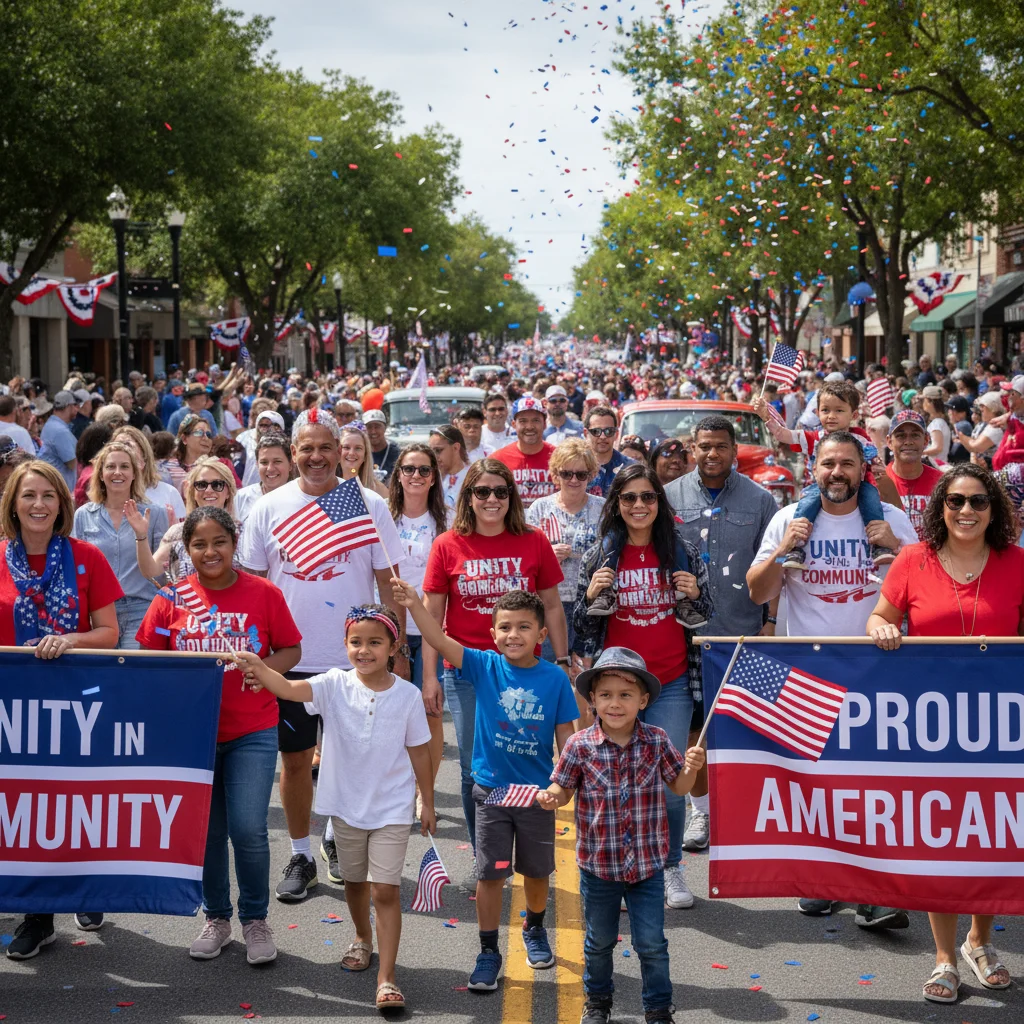
Independence Day, or the Fourth of July, is perhaps the most iconic of all American Observances 2026. This federal holiday, falling on a Saturday in 2026, commemorates the adoption of the Declaration of Independence in 1776. It is a vibrant celebration of American patriotism, marked by fireworks displays, parades, barbecues, concerts, and family reunions across the nation. It embodies the ideals of freedom and self-governance that define the United States.
September: Labor, Education, and Heritage
Labor Day (First Monday in September)
Observed on September 7th, 2026, Labor Day is a federal holiday dedicated to recognizing the contributions of American workers to the nation’s strength and prosperity. It traditionally marks the unofficial end of summer, with many taking advantage of the long weekend for travel, family gatherings, and outdoor activities. Parades, speeches, and union events also highlight the ongoing struggle for workers’ rights.
Grandparents’ Day (First Sunday after Labor Day)
On September 13th, 2026, Grandparents’ Day celebrates the vital role grandparents play in families and society. It encourages intergenerational connection and appreciation for the wisdom and love grandparents provide.
October: Harvest, Heritage, and Halloween
Columbus Day (Second Monday in October)
A federal holiday, Columbus Day is observed on October 12th, 2026, commemorating the arrival of Christopher Columbus in the Americas in 1492. However, this observance has become increasingly controversial, with many states and cities now recognizing Indigenous Peoples’ Day instead, or in addition. This shift reflects a growing awareness of the impact of European colonization on Native American communities and a desire to honor indigenous cultures and histories.
Indigenous Peoples’ Day (Second Monday in October)
As mentioned, many communities will observe Indigenous Peoples’ Day on October 12th, 2026, as an alternative or complement to Columbus Day. This observance honors the history, culture, and contributions of Native American peoples. It often involves educational events, cultural performances, and calls for greater recognition and justice for indigenous communities.
Halloween (October 31)
While not a federal holiday, Halloween is a widely celebrated cultural observance, especially among children and young adults. It’s a night of costumes, trick-or-treating, haunted houses, and festive decorations. Its roots lie in ancient Celtic traditions, evolving into a uniquely American blend of spooky fun and community engagement.
November: Gratitude, Remembrance, and Family
Veterans Day (November 11)
Veterans Day is a federal holiday, observed on November 11th, 2026, dedicated to honoring all military veterans who have served in the U.S. Armed Forces. It’s a day to express gratitude for their service and sacrifice, typically marked by parades, ceremonies, and moments of silence. Unlike Memorial Day, which honors the fallen, Veterans Day celebrates all who have worn the uniform.
Thanksgiving Day (Fourth Thursday in November)
Falling on November 26th, 2026, Thanksgiving Day is a deeply cherished federal holiday centered on gratitude, family, and feasting. It commemorates the harvest festival celebrated by the Pilgrims and Native Americans in 1621. Modern traditions include large family meals (often featuring turkey), parades (like Macy’s Thanksgiving Day Parade), and football. It’s a time for reflection on blessings and coming together with loved ones.

The spirit of Thanksgiving extends beyond the meal, often initiating the holiday season and a period of charitable giving and community support. The day after Thanksgiving, Black Friday, unofficially kicks off the holiday shopping season, though it’s not a formal observance.
December: Festive Cheer and Reflection
Christmas Day (December 25)
Christmas Day is a federal holiday, observed on December 25th, 2026, celebrating the birth of Jesus Christ. It is widely celebrated across the U.S. by Christians and many non-Christians alike, as a cultural holiday marked by gift-giving, family gatherings, festive decorations, and acts of kindness. It is a peak time for travel and a period of significant economic activity.
Kwanzaa (December 26 – January 1)
Kwanzaa is an annual celebration of African American culture, observed from December 26th, 2026, to January 1st, 2027. While not a federal holiday, it holds significant cultural importance for many African Americans. It emphasizes seven principles of African heritage and community, celebrated through various ceremonies, feasts, and gift-giving.
Beyond the Calendar: The Evolving Nature of American Observances
The landscape of American Observances 2026 is not static. It is a dynamic reflection of a nation continually grappling with its past, celebrating its present, and striving for a more inclusive future. Several trends and discussions continue to shape how these days are observed and understood:
The Debate Over Historical Narratives
Observances like Columbus Day and Thanksgiving have faced increasing scrutiny, prompting national conversations about historical accuracy, indigenous rights, and the legacy of colonialism. The rise of Indigenous Peoples’ Day is a direct result of this re-evaluation, signaling a broader movement towards acknowledging multiple perspectives in American history.
The Call for ‘Days On’ Not Just ‘Days Off’
There’s a growing emphasis on transforming federal holidays, particularly those honoring civil rights leaders or veterans, into ‘days on’ for service and civic engagement. Martin Luther King, Jr. Day is a prime example, where volunteerism is actively encouraged, fostering a sense of collective responsibility and action.
Inclusivity and Recognition of Diverse Cultures
The formal recognition of Juneteenth as a federal holiday underscores a broader national effort to acknowledge and celebrate the diverse cultural threads that weave into the American fabric. This trend suggests that future years may see further official recognition of observances important to other minority groups, reflecting the nation’s increasing diversity.
Commercialization vs. Cultural Significance
Many observances, particularly those around major holidays like Christmas, Thanksgiving, and even Presidents’ Day, have become heavily commercialized. There’s an ongoing tension between the original cultural or historical significance of these days and their role as drivers of consumer spending. Communities often strive to balance these aspects, ensuring that the core meaning is not lost amidst the commercial fanfare.
Planning for American Observances 2026: What to Expect
For individuals, families, businesses, and educators, understanding the schedule and significance of American Observances 2026 is crucial for planning. Here’s what to keep in mind:
- Federal Holiday Closures: Federal holidays typically mean that government offices, banks, and post offices will be closed. Many businesses also observe these days, leading to closures or reduced hours. It’s always wise to check specific business operating hours.
- School Schedules: Most public schools and many private schools observe federal holidays, providing breaks for students and staff. Spring break and winter break schedules are also important to note, though they are not national observances.
- Travel Considerations: Major holidays like Memorial Day, Independence Day, Labor Day, Thanksgiving, and Christmas are peak travel periods. Expect increased traffic, crowded airports, and higher prices for flights and accommodations. Booking in advance is highly recommended.
- Community Events: Many communities organize parades, festivals, concerts, and other events around these observances. Checking local calendars and news outlets can help you participate in local celebrations.
- Educational Opportunities: For students and lifelong learners, these observances offer rich opportunities to delve into American history, civics, and cultural studies. Many museums and historical sites offer special programs.
- Business Impact: Businesses need to plan for potential closures, staffing adjustments, and altered consumer behavior around these dates. Retailers, in particular, see significant activity during holiday shopping seasons.
The Enduring Power of Shared Observances
The collection of American Observances 2026 serves as a powerful reminder of the nation’s collective journey. They are touchstones that allow Americans to pause, reflect, celebrate, and remember. They provide a framework for national identity, fostering a sense of belonging and shared purpose, even amidst diverse backgrounds and beliefs.
From the solemn commemorations of Memorial Day and Veterans Day, honoring profound sacrifices, to the joyous explosions of patriotism on Independence Day, and the warmth of family gratitude on Thanksgiving, these observances paint a vivid picture of American life. They embody the nation’s ideals, its struggles, and its enduring capacity for renewal and progress.
As 2026 unfolds, each observance will offer a unique opportunity to engage with history, participate in community, and contribute to the ongoing narrative of the United States. Whether through quiet reflection, civic action, or festive celebration, these cultural milestones will continue to shape the American experience, reinforcing the bonds that connect its people and reminding them of the values they collectively uphold.
Embracing the spirit of these observances means more than just marking a date on a calendar; it means understanding the stories they tell, the lessons they impart, and the future they inspire. The American Observances 2026 are not merely a schedule of events, but a living testament to a nation’s soul, constantly evolving yet steadfast in its core principles.
Let’s look forward to 2026 with an understanding and appreciation for these significant dates, using them as opportunities to strengthen community ties, deepen historical knowledge, and celebrate the rich tapestry of American culture.