Preserving American Heritage: Smart Investment, 10% Annual Savings
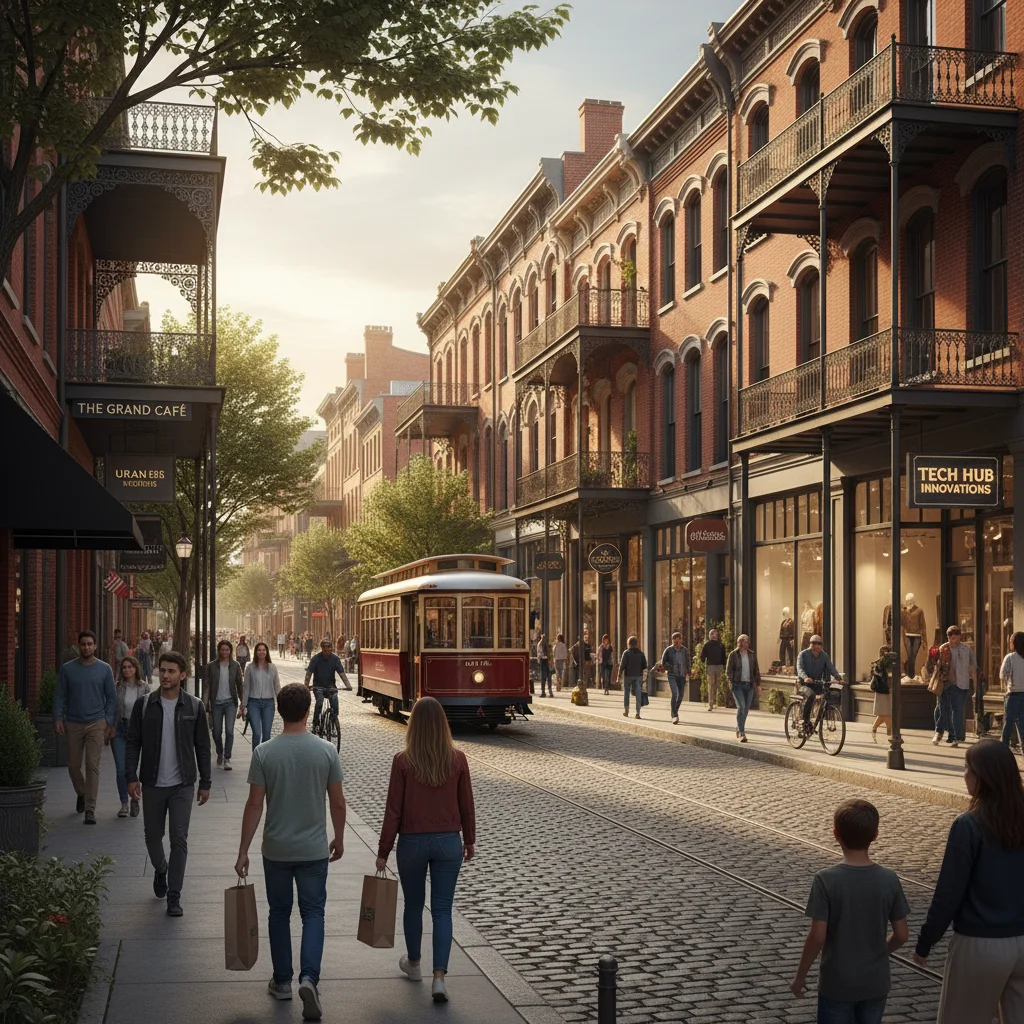
The Value of Heritage: How Investing in American Cultural Preservation Can Save 10% Annually (FINANCIAL IMPACT)
In an era dominated by rapid development and constant innovation, the notion of looking back—of investing in the past—might seem counterintuitive to some. Yet, for communities across the United States, preserving American heritage is not merely an act of reverence; it is a remarkably astute financial strategy. Far from being a drain on resources, strategic investments in cultural preservation offer tangible economic benefits, with studies suggesting potential annual savings and economic boosts that can reach upwards of 10%. This isn’t just about saving old buildings; it’s about smart growth, community resilience, and a sustainable future.
The financial impact of heritage preservation is often underestimated. Many view it as a cost, a necessary expenditure to maintain a connection to the past. However, a deeper look reveals that heritage preservation benefits extend far beyond sentimentality, manifesting as significant economic drivers. From job creation and increased property values to tourism revenue and reduced infrastructure costs, the ripple effects are profound and measurable. This article delves into the multifaceted ways in which investing in our shared American heritage translates into substantial financial gains, making a compelling case for why every community should prioritize the protection and revitalization of its historic assets.
Understanding the Economic Multipliers of Heritage Preservation Benefits
The economic impact of heritage preservation is not a simple linear equation; it’s a complex interplay of various factors that generate significant economic multipliers. When we talk about heritage preservation benefits, we’re discussing a sector that creates jobs, stimulates local economies, and enhances property values. Unlike new construction, which often relies on imported materials and labor, preservation projects frequently utilize local craftspeople, specialized trades, and locally sourced materials, keeping money within the community.
Consider the direct employment generated. Restoration projects require skilled labor: masons, carpenters, plasterers, painters, and architects who specialize in historic structures. These are often well-paying jobs that contribute to a stable local workforce. Beyond direct employment, there are indirect jobs created in supporting industries, such as suppliers of specialized materials, consultants, and even local eateries that cater to the workers. This economic activity circulates within the local economy, generating further demand for goods and services.
Moreover, historic buildings, when revitalized, often become prime locations for small businesses, boutiques, restaurants, and cultural institutions. These businesses, in turn, create more jobs and contribute to the local tax base. The unique character and charm of historic districts act as a magnet for both residents and visitors, fostering a vibrant commercial environment that is often difficult to replicate with new developments. This synergy between preservation and commerce is a powerful engine for local economic growth, highlighting the comprehensive heritage preservation benefits.
Adaptive Reuse: A Cornerstone of Financial Prudence
One of the most significant financial advantages of heritage preservation is the concept of adaptive reuse. This involves repurposing existing historic buildings for new functions rather than demolishing them and building anew. The financial savings associated with adaptive reuse are substantial and contribute directly to the 10% annual savings potential.
Demolition and new construction are incredibly resource-intensive processes. They involve significant costs for demolition, debris removal, new foundation work, and the purchase of entirely new materials. Adaptive reuse, conversely, leverages the existing structural integrity and often the aesthetic appeal of older buildings. While renovations are required, these often cost less than ground-up construction, especially when considering the embedded energy and materials already present in the structure.
Furthermore, adaptive reuse projects often benefit from accelerated permitting processes and various tax incentives designed to encourage the revitalization of historic properties. These incentives, which can include federal and state historic tax credits, significantly reduce the financial burden on developers and property owners, making preservation a more attractive and profitable venture. For instance, the Federal Historic Preservation Tax Incentives program has leveraged billions in private investment, creating jobs and revitalizing communities across the nation. This program alone showcases the immense heritage preservation benefits.
Beyond direct cost savings, adaptive reuse is inherently sustainable. It reduces landfill waste, conserves raw materials, and often results in buildings with smaller carbon footprints than newly constructed ones. This environmental benefit, while not always immediately quantifiable in monetary terms, contributes to long-term community health and reduces future environmental remediation costs, further underscoring the holistic heritage preservation benefits.
Boosting Tourism and Local Economies Through Historic Districts
Historic districts and preserved cultural sites are powerful magnets for tourism, a sector known for its significant economic contributions. Tourists are drawn to the unique character, authentic experiences, and rich stories that historic places offer. This attraction translates directly into revenue for local businesses, from hotels and restaurants to souvenir shops and tour operators. The heritage preservation benefits here are clear and immediate.
A well-preserved historic downtown, for example, becomes a destination in itself. Visitors spend money on accommodations, food, transportation, and entertainment. This influx of tourist dollars supports local jobs and generates sales tax revenue, which can then be reinvested into community services and further preservation efforts. Studies by organizations like the National Trust for Historic Preservation consistently demonstrate that historic districts outperform non-historic areas in terms of economic vitality and tourist appeal.
Consider cities like Charleston, South Carolina, or Savannah, Georgia, where historic preservation is not just a policy but a core component of their economic identity. These cities have meticulously preserved their architectural heritage, and in doing so, have cultivated thriving tourism industries that support thousands of jobs and generate hundreds of millions of dollars annually. The charm and authenticity derived from their preserved heritage are invaluable assets that cannot be replicated by modern development, solidifying the economic case for heritage preservation benefits.
Moreover, cultural tourism often attracts a demographic of visitors who tend to stay longer and spend more than general tourists. These visitors are seeking deeper, more enriching experiences, and they are willing to invest in those experiences. This high-value tourism segment further amplifies the economic returns on heritage preservation investments, making the case for heritage preservation benefits even stronger.
Property Value Appreciation and Neighborhood Revitalization
One of the most compelling long-term financial heritage preservation benefits is the positive impact on property values. Numerous studies have shown that properties located within historic districts or adjacent to well-preserved historic sites tend to appreciate at a faster rate and maintain higher values than comparable properties in non-historic areas. This appreciation benefits homeowners, businesses, and the entire community through increased property tax revenues.
The reasons for this phenomenon are multifaceted. Historic districts often possess a unique aesthetic appeal, a sense of place, and an established infrastructure that newer developments lack. The stability and character of these neighborhoods are highly desirable, attracting residents and businesses seeking quality of life and a strong community identity. Preservation efforts signal a community’s commitment to its past and its future, fostering a sense of pride and investment among residents. This commitment is a key driver of heritage preservation benefits.
Furthermore, preservation often goes hand-in-hand with neighborhood revitalization. When historic buildings are restored, they often catalyze further investment in the surrounding area. Deteriorated blocks can be transformed into vibrant, desirable places to live and work, reversing urban decay and attracting new residents and businesses. This revitalization doesn’t just increase property values; it also improves public safety, enhances civic engagement, and creates a more attractive environment for everyone. These are tangible heritage preservation benefits that improve quality of life.

Tax Incentives and Financial Programs for Heritage Preservation
A significant factor contributing to the financial viability of heritage preservation, and a key component in achieving those 10% annual savings, is the availability of various tax incentives and financial programs. Both federal and state governments recognize the economic and cultural value of preservation and have established mechanisms to encourage investment in historic properties.
Federal Historic Preservation Tax Credits
The most prominent federal program is the Historic Preservation Tax Incentives Program, administered by the National Park Service and the Internal Revenue Service. This program offers a 20% federal income tax credit for the rehabilitation of certified historic structures. This credit can be a game-changer for large-scale preservation projects, significantly offsetting development costs and making otherwise unfeasible projects economically viable. Since its inception, this program has stimulated billions of dollars in private investment, creating millions of jobs and revitalizing countless communities across the nation. The consistent application of these credits has proven to be a major source of heritage preservation benefits.
State and Local Incentives
Beyond federal programs, many states and local municipalities offer their own historic preservation tax credits, grants, and loan programs. These can vary widely but often include property tax abatements, sales tax exemptions for preservation materials, façade grants, and low-interest loans for rehabilitation projects. These localized incentives are crucial for smaller projects and individual homeowners, making preservation accessible to a broader range of property owners. The cumulative effect of these programs is a substantial reduction in the financial burden of preservation, directly contributing to the economic benefits and heritage preservation benefits.
Economic Development Tools
Historic preservation is also increasingly integrated into broader economic development strategies. Tools such as Tax Increment Financing (TIF) districts, community development block grants (CDBG), and New Markets Tax Credits are often utilized to fund preservation projects, recognizing their potential to stimulate economic growth and create jobs. By strategically leveraging these financial tools, communities can unlock significant resources for preservation, transforming liabilities into valuable assets and maximizing heritage preservation benefits.
Energy Efficiency and Sustainable Practices in Historic Buildings
While often perceived as inefficient, historic buildings can be remarkably energy efficient when properly maintained and upgraded with modern, sensitive technologies. Investing in the energy performance of historic structures is another avenue for significant annual savings, contributing to the overall 10% figure.
Older buildings were often designed with passive energy strategies in mind, such as thick walls for insulation, natural ventilation through operable windows, and orientation that maximized natural light and minimized solar gain. Modern preservation techniques can enhance these inherent efficiencies. For example, upgrading historic windows with low-emissivity glass or adding storm windows can drastically improve insulation without compromising aesthetic integrity. Installing modern, efficient HVAC systems, improving insulation in attics and walls, and sealing air leaks can significantly reduce energy consumption and utility bills.
The “greenest building is the one already built” is a common adage in the preservation community, highlighting the embedded energy in existing structures. Demolishing a building and constructing a new one expends enormous amounts of energy and generates significant waste. By preserving and adaptively reusing historic buildings, we conserve this embedded energy and reduce our environmental footprint. This sustainable approach not only saves money on construction and waste disposal but also contributes to long-term environmental health, adding another layer to the heritage preservation benefits.
Furthermore, many historic buildings are located in walkable, transit-oriented neighborhoods, reducing reliance on automobiles and associated transportation costs. This urban planning advantage, inherent in many historic districts, contributes to a more sustainable lifestyle and further economic savings for residents and businesses, reinforcing the multifaceted heritage preservation benefits.
Community Identity, Education, and Quality of Life
Beyond the direct financial metrics, investing in heritage preservation yields invaluable intangible benefits that indirectly contribute to economic well-being and community resilience. These include fostering a strong sense of community identity, providing educational opportunities, and enhancing the overall quality of life, all of which indirectly support the financial health of a region.
Historic places tell stories. They connect us to our past, to the people who came before us, and to the events that shaped our communities and nation. Preserving these sites helps maintain a tangible link to history, fostering a sense of shared identity and pride among residents. A strong community identity can attract new residents and businesses, as people are often drawn to places with character and a rich history. This cultural richness is a significant heritage preservation benefit.
Historic sites also serve as invaluable educational resources. They provide living laboratories for students of all ages to learn about architecture, history, social studies, and even engineering. Museums, historic homes, and battlefields offer immersive learning experiences that cannot be replicated in a classroom. This educational value contributes to a more informed and engaged citizenry, which is crucial for long-term community development and economic prosperity. The educational aspect is a powerful heritage preservation benefit.
Ultimately, a community that values and protects its heritage is often one with a higher quality of life. Access to beautiful, well-maintained historic spaces, vibrant downtowns, and cultural institutions enhances civic engagement, promotes social cohesion, and provides opportunities for recreation and relaxation. These factors make a community more attractive to live in, work in, and visit, creating a positive feedback loop that supports economic growth and reinforces the heritage preservation benefits.

Case Studies: Real-World Heritage Preservation Benefits and Savings
To truly appreciate the financial impact, let’s look at some real-world examples where investing in heritage preservation has led to significant economic returns and savings. These case studies underscore the tangible heritage preservation benefits.
The Eastern State Penitentiary, Philadelphia, PA
Once a crumbling ruin, Eastern State Penitentiary was saved from demolition and transformed into a historic site and museum. This adaptive reuse project has not only preserved a significant piece of American history but has also become a major tourist attraction, drawing hundreds of thousands of visitors annually. The revenue generated supports the site’s ongoing preservation and contributes significantly to Philadelphia’s tourism economy. This is a prime example of turning a liability into a thriving asset, showcasing heritage preservation benefits.
The Milwaukee Historic Preservation Tax Credit Program, WI
Milwaukee’s local historic preservation tax credit program, coupled with federal credits, has been instrumental in revitalizing many of the city’s historic neighborhoods. Projects benefiting from these incentives have transformed vacant industrial buildings into vibrant apartments and commercial spaces, leading to increased property values, job creation, and a stronger tax base. The program demonstrates how strategic financial incentives can drive substantial private investment and deliver significant heritage preservation benefits.
Main Street America Program
The Main Street America program, a subsidiary of the National Trust for Historic Preservation, has been successfully revitalizing historic downtowns and commercial districts across the country for decades. By focusing on historic preservation as a tool for economic development, Main Street communities have seen impressive returns on investment. For every dollar invested in the Main Street program, there’s an average return of $26.89, demonstrating billions in reinvestment, hundreds of thousands of jobs created, and tens of thousands of new businesses established. This program is a testament to the pervasive heritage preservation benefits.
Challenges and Overcoming Them
While the benefits are clear, investing in heritage preservation is not without its challenges. These can include the perceived high cost of restoration, regulatory complexities, and a lack of public awareness regarding the economic advantages. However, these challenges are increasingly being addressed by innovative approaches and collaborative efforts.
High costs can often be mitigated by leveraging the aforementioned tax incentives, grants, and specialized financing options. Educating property owners and developers about these resources is crucial. Regulatory complexities, while sometimes daunting, are often in place to ensure the integrity of historic structures and can be navigated with the help of experienced preservation consultants and local preservation commissions. Streamlining these processes while maintaining standards is an ongoing effort.
Perhaps the biggest challenge is shifting public perception from viewing preservation as an expense to recognizing it as an investment. This requires ongoing advocacy, public education campaigns, and clearly articulated data demonstrating the financial returns. Local success stories, like those highlighted above, are powerful tools in this effort, showcasing the undeniable heritage preservation benefits.
Conclusion: A Smart Investment for a Prosperous Future
The evidence overwhelmingly supports the argument that investing in American cultural preservation is not just a noble endeavor but a financially astute decision. The potential for communities to save 10% annually, coupled with broader economic multipliers, makes a compelling case for prioritizing our heritage. From job creation and increased property values to sustainable tourism and reduced environmental impact, the heritage preservation benefits are vast and far-reaching.
By embracing adaptive reuse, leveraging tax incentives, and fostering a culture of appreciation for our historic assets, communities can unlock significant economic potential. Preservation is not about freezing the past; it’s about intelligently building on its foundations to create a more vibrant, resilient, and prosperous future. It’s about understanding that our shared history is not just a legacy to protect, but a powerful engine for economic growth and community well-being. Investing in heritage preservation benefits us all, creating a richer, more sustainable America for generations to come.