Creator Economy Platforms: US Entrepreneur Shifts 2026
The Growing Influence of Creator Economy Platforms: 3 Key Shifts for US Entrepreneurs in 2026
The digital landscape is in constant flux, but few sectors have experienced such explosive growth and transformation as the creator economy. What began as a niche for early adopters and digital nomads has blossomed into a multi-billion dollar industry, fundamentally reshaping how individuals earn a living, build businesses, and connect with audiences. For US entrepreneurs, understanding the trajectory of this dynamic ecosystem is not just an advantage; it’s a necessity for future relevance and success. By 2026, we anticipate three critical creator economy shifts that will redefine the playing field, demanding adaptability, innovation, and a keen eye on emerging technologies.
At its core, the creator economy empowers individuals to monetize their skills, passions, and unique content directly to their audience, often bypassing traditional gatekeepers and intermediaries. From YouTubers and TikTokers to podcasters, Substack writers, and Etsy artisans, the range of creators is vast and ever-expanding. This movement isn’t just about entertainment; it’s about education, community building, personal brands, and a new paradigm for work. The allure is undeniable: autonomy, creative freedom, and the potential for significant income. However, as the space matures, so do the challenges and opportunities. The coming years will see a profound evolution in how creators operate, how platforms support them, and how entrepreneurs can leverage these changes to build sustainable, thriving businesses.
The United States, with its robust entrepreneurial spirit and technological infrastructure, is at the forefront of this revolution. US entrepreneurs, whether they are creators themselves or building tools and services for creators, must deeply understand these impending shifts. Ignoring them could mean being left behind; embracing them opens doors to unprecedented growth. This article will delve into these three pivotal creator economy shifts, providing insights and actionable strategies for navigating the future of digital entrepreneurship.
Shift 1: Diversification of Monetization Strategies Beyond Ad Revenue
For years, the creator economy was largely synonymous with ad revenue. YouTube’s partner program, display ads on blogs, and sponsored posts on social media formed the backbone of many creators’ incomes. While advertising remains a significant component, its dominance is waning, and its reliability is increasingly questioned. Ad rates fluctuate, platform algorithms change, and audience attention spans are fragmenting. By 2026, successful US entrepreneurs in the creator space will have fully embraced a diversified monetization portfolio, moving far beyond the singular reliance on ad impressions.
The Limitations of Ad-Centric Models
The inherent volatility of ad revenue makes it a precarious foundation for a business. Economic downturns, changes in consumer privacy regulations, and the rise of ad-blocking technologies directly impact a creator’s bottom line. Furthermore, platforms often take a substantial cut of ad revenue, leaving creators with a smaller percentage of the value they generate. This instability pushes creators to constantly chase views and engagement, sometimes at the expense of content quality or authenticity, creating a race to the bottom for attention. For US entrepreneurs, building a business solely on this model is akin to building a house on sand.
Emergence of Direct-to-Fan Monetization
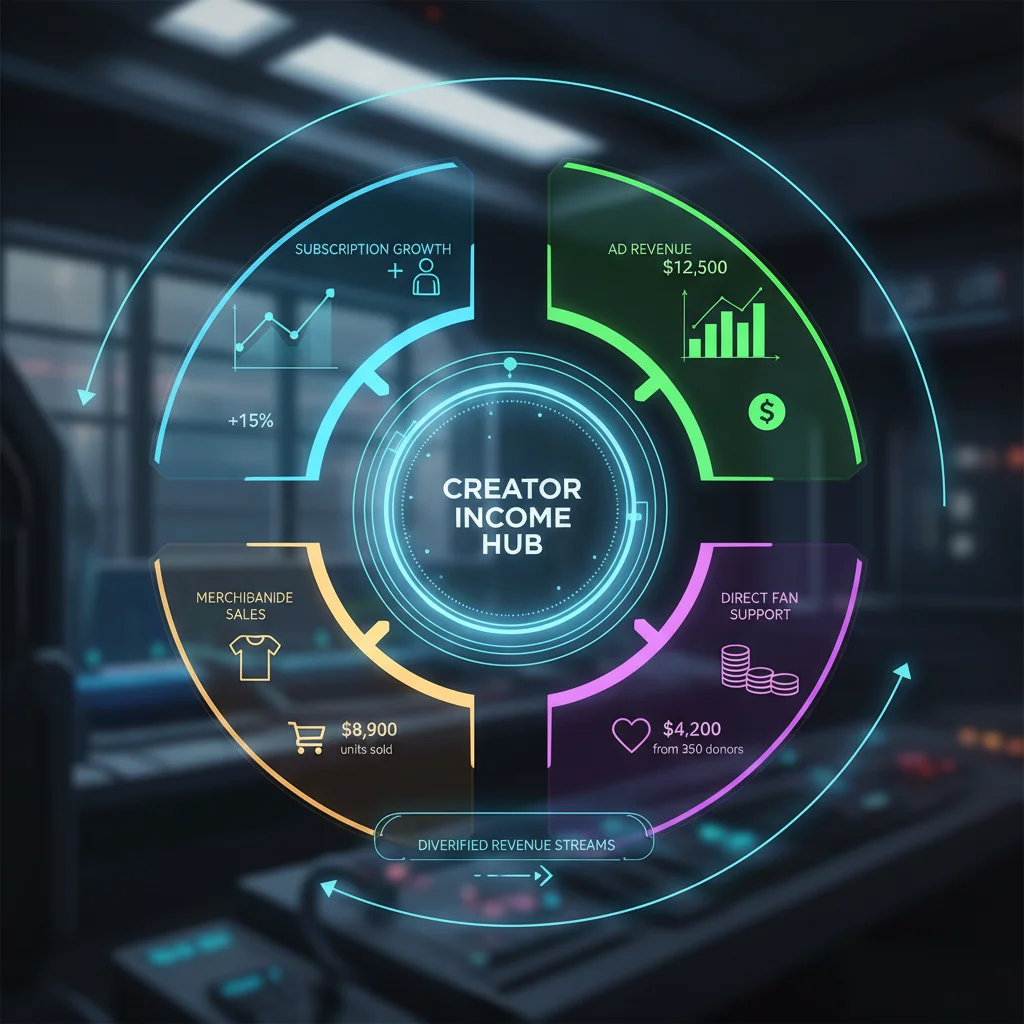
The first and most significant diversification is the shift towards direct-to-fan monetization. This model emphasizes building a direct relationship with the audience and offering them ways to support the creator financially, often in exchange for exclusive content, access, or experiences. This trend is fueled by platforms like Patreon, Substack, Buy Me a Coffee, and numerous others that facilitate recurring subscriptions, one-time donations, and premium content sales. Entrepreneurs are realizing that a smaller, highly engaged audience willing to pay directly is often more valuable than a massive, passive audience generating minimal ad revenue.
- Subscription Models: From exclusive newsletters to private communities and premium video content, subscriptions offer stable, predictable recurring revenue. Platforms like Substack and Ghost make it easy for writers, while Patreon and Memberful cater to a broader range of content creators.
- Digital Products and Services: Creators are increasingly leveraging their expertise to create and sell digital products. This includes online courses, e-books, templates, presets, digital art, and even software tools. Platforms like Gumroad, Teachable, and Thinkific have empowered creators to become digital product entrepreneurs.
- Merchandise and Physical Products: Branding extends beyond digital content. Many creators successfully sell branded merchandise, from apparel to custom art, turning their audience into brand ambassadors. Print-on-demand services have significantly lowered the barrier to entry for this revenue stream.
- Live Experiences and Events: Virtual workshops, online concerts, Q&A sessions, and even in-person meetups offer premium experiences that audiences are willing to pay for. This fosters deeper connections and provides unique monetization opportunities.
- Affiliate Marketing & Brand Partnerships: While still a form of external revenue, strategic affiliate marketing and authentic brand partnerships, where creators genuinely endorse products they believe in, are becoming more sophisticated and transparent. This differs from generic ad placements by leveraging trust and genuine recommendation.
Implications for US Entrepreneurs
For US entrepreneurs, this shift means several things. First, it necessitates a focus on building a strong, authentic brand and fostering deep audience relationships. Trust and loyalty are paramount. Second, it requires exploring and integrating multiple revenue streams, understanding that a diverse portfolio mitigates risk. Third, it opens up opportunities for entrepreneurs to build platforms, tools, and services that help creators diversify their income. This could include analytics dashboards for direct sales, specialized e-commerce solutions for creators, or platforms for managing recurring subscriptions. The emphasis will be on empowering creators to own their audience and their revenue streams, moving away from relying solely on the whims of large social media platforms.
Shift 2: The Rise of Empowered and Engaged Communities
The second major creator economy shifts for US entrepreneurs by 2026 revolves around the evolution of audience interaction from passive consumption to active, empowered community engagement. No longer content to simply watch or read, audiences are seeking deeper connections, belonging, and even a voice in the creative process. Creators who successfully cultivate these engaged communities will not only build more resilient businesses but also unlock new avenues for collaboration and growth.
Beyond Likes and Comments
Traditional social media metrics like likes, shares, and comments, while still relevant, are increasingly seen as vanity metrics. They indicate reach but not necessarily depth of engagement or loyalty. The true value lies in fostering environments where audiences feel a sense of ownership and connection. This means moving beyond the ephemeral interactions of public social feeds and into more intimate, dedicated spaces.
Dedicated Community Platforms
The rise of dedicated community platforms is a testament to this shift. Discord servers, private Slack groups, Mighty Networks, Circle, and even specialized forums are becoming central hubs for creator-audience interaction. These platforms allow for more structured discussions, collaborative projects, direct feedback, and the formation of sub-communities around shared interests. For creators, these spaces offer:
- Direct Feedback Loops: Creators can solicit direct feedback on content ideas, product launches, or creative direction, ensuring their output resonates with their core audience.
- Co-creation Opportunities: Communities can become collaborators, contributing ideas, user-generated content, or even directly assisting in creative projects. This not only deepens engagement but also lightens the creative load.
- Enhanced Loyalty and Retention: A strong community acts as a sticky factor, making it less likely for audience members to drift away. It creates a sense of belonging that transcends individual pieces of content.
- Word-of-Mouth Marketing: Engaged community members become powerful advocates, spreading the word about the creator and their work organically.
- Monetization through Premium Access: As mentioned in Shift 1, premium community access can be a significant revenue stream, offering exclusive content, direct interaction with the creator, or networking opportunities with like-minded individuals.
Implications for US Entrepreneurs
For US entrepreneurs, this shift presents both a challenge and an immense opportunity. Creators must develop strategies for community building and moderation that go beyond simply posting content. This means actively listening, responding, and fostering a positive, inclusive environment. For entrepreneurs building tools, there’s a growing demand for sophisticated community management platforms, analytics that measure genuine engagement (not just vanity metrics), and AI-powered moderation tools to help creators manage larger communities effectively. Educational resources on community building, psychology, and management will also be in high demand. The focus must be on empowering creators to build true relationships, not just gather followers.
Furthermore, this shift blurs the lines between creator and audience, giving rise to new forms of collaborative content creation and even decentralized autonomous organizations (DAOs) where community members have a stake in the creator’s enterprise. US entrepreneurs who can facilitate these more democratic and collaborative models will be well-positioned for success.
Shift 3: Platform Decentralization and Creator Ownership
The third and perhaps most disruptive of the creator economy shifts by 2026 is the move towards platform decentralization and greater creator ownership over their content, data, and audience relationships. For too long, creators have been beholden to the whims of centralized platforms – YouTube, Instagram, TikTok, Facebook – which dictate algorithms, monetization policies, and even content guidelines. This dependency creates significant risk, as a single platform change can decimate a creator’s business overnight. The future points towards a more distributed and creator-centric ecosystem.
The Centralization Problem
Centralized platforms offer convenience and reach, but they come at a cost. Creators don’t own their audience data; they rent it. They don’t own the algorithms that determine their visibility; they are subject to them. They don’t own the infrastructure; they merely operate within it. This lack of ownership creates a power imbalance, leaving creators vulnerable to demonetization, content removal, or sudden shifts in platform strategy that can be devastating. For US entrepreneurs, this vulnerability represents a systemic risk that needs to be addressed.
Web3 and Blockchain-Enabled Solutions
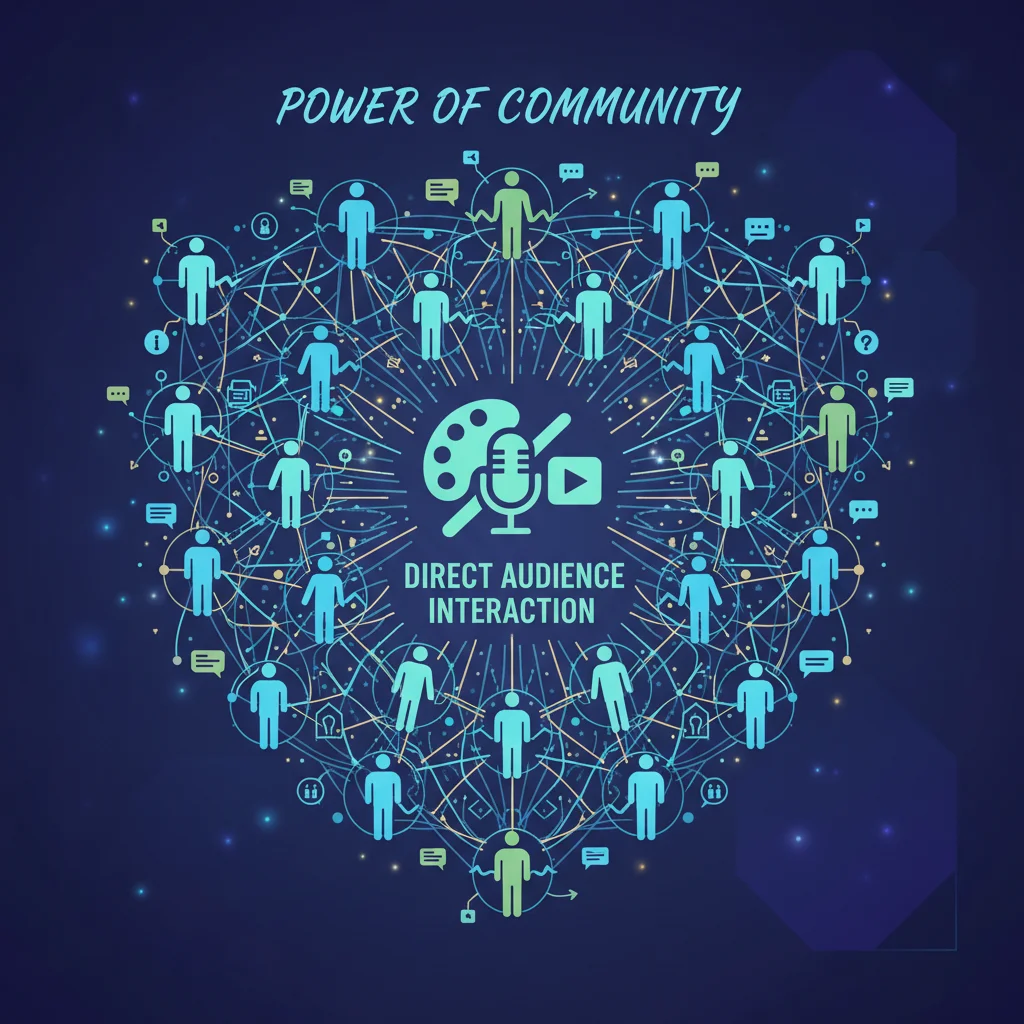
The drive for decentralization is largely powered by Web3 technologies, blockchain, and NFTs (Non-Fungible Tokens). While still nascent and often misunderstood, these technologies offer the promise of shifting power dynamics back to the creators. NFTs, for instance, allow creators to tokenize their content, giving fans verifiable ownership of digital assets and creating new forms of direct monetization and fan engagement. This moves beyond simple patronage to actual co-ownership and investment.
- NFTs as Digital Collectibles and Access Passes: Creators can sell NFTs representing unique pieces of art, music, videos, or even exclusive access to communities, events, or future content. This creates a new revenue stream and a deeper, more invested relationship with fans who become collectors or patrons.
- Decentralized Social Networks: Projects building on blockchain aim to create social media platforms where creators own their data and content, and algorithms are transparent or community-governed. This could free creators from arbitrary platform rules and provide more equitable monetization.
- Creator DAOs (Decentralized Autonomous Organizations): These are internet-native organizations owned and governed by their members. Creators can form DAOs with their most dedicated fans, allowing the community to collectively make decisions about content, projects, and even revenue distribution, giving fans a direct stake in the creator’s success.
- Self-Sovereign Identity: Blockchain-based identity solutions could allow creators to carry their reputation and audience relationships across different platforms, reducing their reliance on any single centralized entity.
Implications for US Entrepreneurs
This shift towards decentralization is perhaps the most complex but also the most transformative for US entrepreneurs. It demands a willingness to understand and experiment with emerging technologies like blockchain and NFTs. For creators, it means actively seeking out and migrating to platforms that offer greater ownership and control. For entrepreneurs building infrastructure, there’s a massive opportunity to develop user-friendly Web3 tools for creators: NFT marketplaces tailored for specific niches, decentralized content hosting solutions, smart contract templates for creator agreements, and educational resources to demystify these technologies.
The challenge will be bridging the gap between the technical complexities of Web3 and the practical needs of creators. US entrepreneurs who can simplify access to these powerful tools and demonstrate clear value propositions will be at the forefront of this new wave. The ultimate goal is to empower creators to build an independent, resilient digital presence that is not beholden to any single corporation or algorithm.
Preparing for the Future: Actionable Strategies for US Entrepreneurs
Navigating these three significant creator economy shifts requires foresight and strategic action. For US entrepreneurs, whether you are a creator yourself or building businesses to support creators, here are some actionable strategies to consider for the coming years:
1. Embrace a Portfolio Approach to Income
- Diversify Revenue Streams: Never rely on a single source of income. Actively pursue subscriptions, digital product sales, merchandise, brand partnerships, and direct fan support.
- Build Direct Relationships: Prioritize capturing audience contact information (e.g., email lists) to reduce reliance on platform algorithms for reach.
- Experiment Constantly: The monetization landscape is evolving. Be willing to test new models and adapt quickly based on audience feedback and market trends.
2. Cultivate Authentic Communities
- Invest in Dedicated Spaces: Move beyond public social feeds to create more intimate community hubs (e.g., Discord, private forums).
- Fostering Cultural Understanding: Create opportunities for audience members to engage with each other and with you, through Q&As, polls, collaborative projects, and live sessions.
- Empower Your Audience: Give your community a voice and opportunities to contribute. Consider co-creation models or even community governance for certain aspects of your brand.
- Prioritize Moderation: As communities grow, effective and empathetic moderation is crucial for maintaining a positive and safe environment.
3. Explore and Understand Decentralization
- Educate Yourself on Web3: Learn the fundamentals of blockchain, NFTs, and decentralized autonomous organizations (DAOs). Even if you don’t immediately adopt them, understanding their potential is vital.
- Experiment with NFTs: Consider how NFTs could be used to offer unique value to your audience, whether through digital collectibles, access tokens, or fractional ownership of projects.
- Seek Out Creator-Centric Platforms: Gravitate towards platforms that offer greater control over your content, data, and audience relationships, even if they are smaller or newer.
- Advocate for Creator Ownership: Support initiatives and technologies that empower creators with more control and autonomy over their digital assets and businesses.
4. Focus on Niche and Value
- Deep Niche Specialization: As the creator economy becomes more saturated, specializing in a specific niche with a dedicated audience will be more effective than trying to appeal to everyone.
- Deliver Exceptional Value: Whether it’s entertainment, education, or inspiration, consistently provide high-quality content and experiences that genuinely resonate with your target audience. Value is the ultimate differentiator.
5. Build a Resilient Personal Brand
- Authenticity is Key: In a world of AI-generated content, genuine human connection and authenticity will become even more valuable.
- Cross-Platform Presence: While aiming for decentralization, maintain a presence across relevant platforms to maximize reach, but always aim to direct your audience back to owned channels (e.g., your website, email list, private community).
- Continuous Learning: The digital world evolves rapidly. Stay curious, learn new skills, and adapt your strategies as new technologies and trends emerge.
Conclusion: The Entrepreneurial Renaissance
The creator economy is not just a passing trend; it represents a fundamental shift in how value is created, distributed, and consumed in the digital age. For US entrepreneurs, the three creator economy shifts – diversified monetization, empowered communities, and platform decentralization – are not merely predictions but actionable blueprints for future success. By embracing a multi-faceted approach to income, fostering deep and engaged audience communities, and actively exploring the opportunities presented by Web3 and creator ownership, entrepreneurs can build resilient, thriving businesses that stand the test of time.
The next few years will see an entrepreneurial renaissance, where individual creativity, authentic connection, and technological empowerment converge to create unprecedented opportunities. The time to prepare for these shifts is now. By proactively adapting to these changes, US entrepreneurs can not only survive but truly flourish in the dynamic and ever-expanding world of the creator economy.