Monetize Your Creative Passion: 6 Untapped Income Streams for 2026
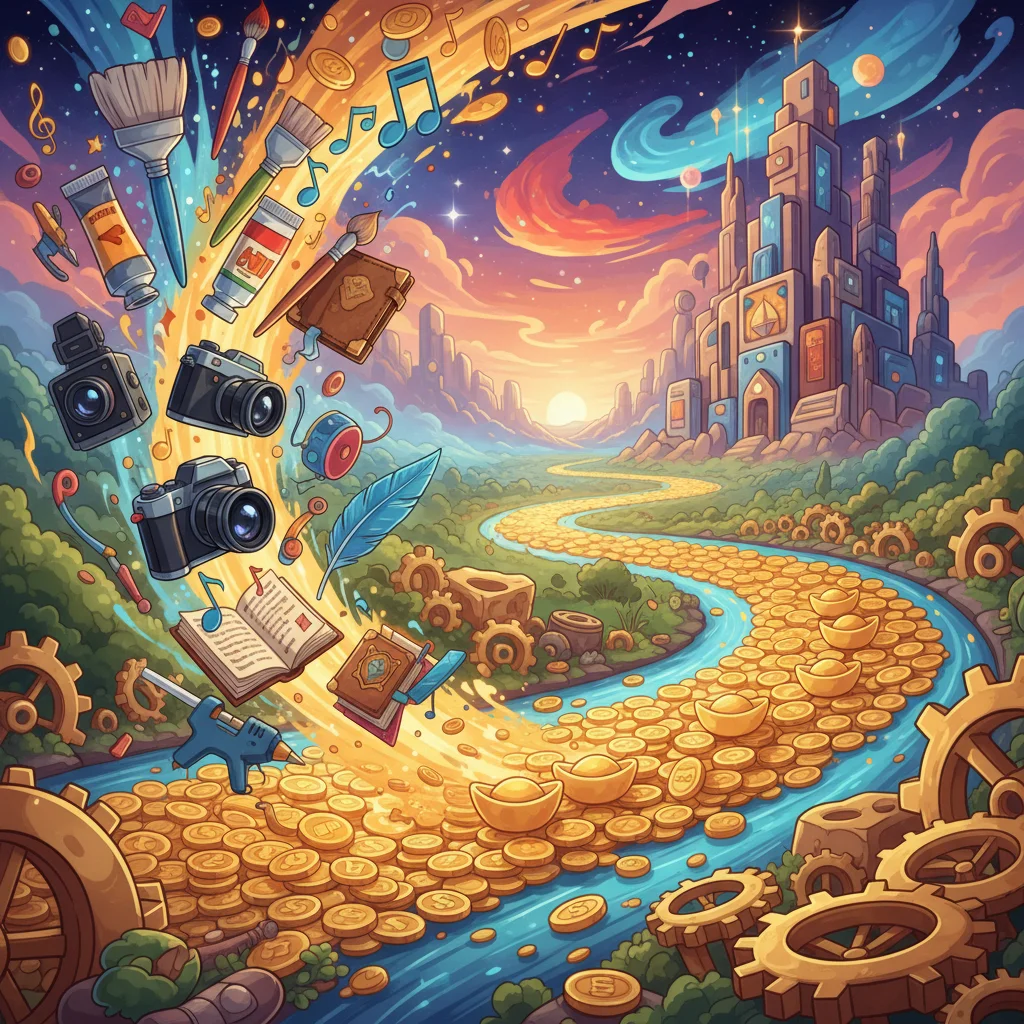
In an increasingly digital and interconnected world, the traditional nine-to-five is no longer the sole path to financial stability. For creatives, this shift presents an unprecedented opportunity: the chance to not only pursue their passions but to transform them into lucrative, sustainable businesses. The idea of monetizing your passion, once a distant dream for many, has become a tangible reality, especially as we look towards 2026 and beyond. The landscape of income generation is evolving rapidly, and with it, new and exciting avenues are opening up for artists, writers, musicians, designers, and innovators of all stripes. This comprehensive guide will delve into 6 untapped creative income streams that hold significant 5-figure potential, offering you actionable insights and strategies to turn your creative endeavors into a significant source of wealth.
Many individuals possess incredible creative talents but often struggle to see how these talents can translate into a substantial income. The common misconception is that art and commerce exist in separate spheres. However, the truth is that with the right approach, strategic planning, and understanding of market demands, your creative skills can be your most valuable asset. The key lies in identifying unique niches, leveraging digital platforms, and understanding the evolving consumer landscape. We’re not just talking about selling a few paintings or taking on freelance gigs; we’re exploring systematic ways to build multiple, often passive, income streams that can collectively generate a 5-figure income or more. This journey requires dedication, learning, and a willingness to adapt, but the rewards—financial freedom, creative fulfillment, and the joy of doing what you love—are immeasurable.
Before diving into the specific creative income streams, it’s crucial to understand the foundational principles that underpin successful creative monetization. Firstly, authenticity is paramount. Your audience will connect with your genuine passion and unique voice. Secondly, consistency in your creative output and marketing efforts is vital. Building a loyal following and a recognizable brand takes time and continuous effort. Thirdly, never stop learning and evolving. The digital landscape is constantly changing, and staying updated with new tools, platforms, and trends will give you a significant edge. Finally, think scalability. Can your creative output be replicated, licensed, or turned into a product that can reach a wider audience without requiring your constant, direct involvement? This is often the secret to unlocking true 5-figure potential.
The goal of this article is not just to list potential avenues but to inspire you to think differently about your creative abilities. It’s about empowering you to see yourself not just as an artist or creator, but as an entrepreneur, capable of building a thriving business around your unique talents. Let’s explore these exciting opportunities that promise to redefine how creatives earn their living in the coming years.
1. Specialized Niche Digital Product Creation
In the vast ocean of digital products, standing out requires more than just offering something good; it requires offering something uniquely tailored to a specific, underserved audience. Specialized niche digital product creation is one of the most potent creative income streams for 2026. This isn’t about creating generic templates or stock photos; it’s about identifying a micro-niche and developing highly specific, valuable digital assets for that audience. Think beyond the obvious. Instead of ‘social media templates,’ consider ‘social media templates for independent ceramists’ or ‘Instagram story stickers for sustainable fashion brands.’ The narrower your niche, the less competition you’ll face, and the more valuable your product will be to your target demographic.
Identifying Your Niche and Product
The first step is thoughtful niche identification. What creative skills do you possess? What specific problems do small businesses, fellow creatives, or even hobbyists face that your skills could solve? For instance, if you’re a graphic designer, instead of selling general logo packs, you could create a comprehensive brand kit specifically for eco-friendly skincare startups. If you’re a musician, instead of generic beats, you could produce royalty-free background music for independent documentary filmmakers. Conduct market research: scour online forums, social media groups, and competitor offerings to pinpoint gaps and unmet needs.
Types of Specialized Digital Products
- Customizable Templates: For designers, this could be Canva templates for specific industries, Notion templates for niche productivity systems, or website themes for particular service providers.
- Unique Digital Assets: Think specialized brush sets for digital artists (e.g., brushes for painting realistic water), unique sound effects for game developers, or highly specific 3D models for architects.
- Educational Resources: Create highly focused e-books, online courses, or workshops on a very specific creative technique or business strategy. For example, ‘Mastering Watercolor Botanicals for Illustrators’ or ‘SEO for Indie Game Developers.’
- Printables & Planners: Design unique planners for specific lifestyles (e.g., ‘zero-waste living planner,’ ‘travel blogger itinerary kit’) or specialized printable art for niche home decor styles.
- Software Presets & Filters: Develop unique Lightroom presets for food photographers, video editing LUTs for drone videographers, or audio mixing presets for podcast creators.
Marketing and Sales Strategies
Once you’ve created your specialized digital product, effective marketing is key. Leverage platforms like Etsy, Creative Market, Gumroad, or even your own e-commerce website (using Shopify or WooCommerce). Utilize content marketing by creating blog posts, videos, or social media content that addresses the problems your product solves, showcasing its value. Engage with your niche community on social media, forums, and relevant online groups. Offer free samples or lead magnets to build an email list. The beauty of digital products is their scalability: create once, sell repeatedly, generating passive income and unlocking that 5-figure potential.
2. Experiential Art & Immersive Installations
As the world grapples with digital overload, there’s a growing appetite for authentic, in-person experiences that engage all the senses. Experiential art and immersive installations represent a significant, yet largely untapped, creative income stream. This goes beyond traditional art exhibitions; it involves creating environments or events where the audience is an active participant, not just a passive observer. Think interactive light displays, soundscapes combined with visual projections, themed escape rooms with artistic narratives, or multi-sensory pop-up experiences. This field is ripe for innovation and allows creatives to charge premium prices for unique, memorable encounters.
The Rise of Experiential Demand
Consumers, particularly younger generations, are increasingly prioritizing experiences over material possessions. They seek shareable moments, emotional connections, and opportunities for self-expression. This trend has fueled the success of places like Meow Wolf, Van Gogh: The Immersive Experience, and various pop-up museums. Creatives with skills in visual arts, design, sound engineering, storytelling, and even coding can collaborate to build these captivating worlds.
Monetization Models
- Ticketed Events: The most straightforward model. Design a temporary or permanent installation and charge admission. This can range from small, intimate pop-ups to large-scale, multi-room experiences.
- Corporate & Brand Collaborations: Brands are constantly looking for innovative ways to engage their audience. Create custom experiential installations for product launches, marketing campaigns, or corporate events. This can command significant fees.
- Festival & Event Commissions: Music festivals, art fairs, and city-wide events often commission artists to create unique installations to enhance the attendee experience.
- Licensing & Franchising: If your concept is highly successful, you might be able to license your designs or even franchise your entire experiential model to other cities or organizations.
- Merchandise & Ancillary Sales: Complement the experience with themed merchandise, food/beverage, or digital takeaways (e.g., exclusive AR filters).
Skills and Collaboration
Creating immersive experiences often requires a multidisciplinary approach. Artists might collaborate with lighting designers, sound engineers, projection mapping specialists, carpenters, writers, and even technologists (for AR/VR elements). Developing a strong portfolio of smaller-scale interactive projects can help secure larger commissions. Networking within event planning, marketing, and the arts community is crucial for finding opportunities in this exciting creative income stream.
3. Niche Content Creation & Micro-Influencing
While content creation isn’t new, the emphasis on ‘niche’ and ‘micro-influencing’ is where the significant, untapped creative income streams lie for 2026. The days of needing millions of followers to make a substantial income are over. Instead, brands and audiences are increasingly valuing authenticity, expertise, and deep engagement within specific, often smaller, communities. If you have a unique creative passion, you can build a highly engaged audience around it and monetize that influence in multiple ways.
Finding Your Micro-Niche
The key is to go hyper-specific. Instead of ‘food blogger,’ think ‘vegan gluten-free baking for athletes.’ Instead of ‘travel photographer,’ consider ‘urban exploration photography in abandoned historical sites.’ This specificity allows you to become an authority in your chosen field, attracting a dedicated audience who trusts your recommendations and values your unique perspective. Platforms like TikTok, Instagram Reels, YouTube Shorts, and even specialized forums are perfect for building these micro-communities.
Monetization Avenues for Niche Content Creators
- Affiliate Marketing: Recommend products or services genuinely relevant to your niche (e.g., specific art supplies, niche software, unique crafting tools) and earn a commission on sales made through your unique links.
- Sponsored Content: Brands are eager to reach highly engaged niche audiences. Partner with brands whose products align with your content to create sponsored posts, videos, or reviews. Micro-influencers often have higher engagement rates, making them attractive to brands.
- Digital Products: Create and sell your own digital products tailored to your niche audience, as discussed in the first point. This could be presets, templates, e-books, or guides.
- Memberships & Subscriptions: Offer exclusive content, behind-the-scenes access, or direct interaction through platforms like Patreon, Buy Me a Coffee, or YouTube Memberships.
- Speaking Engagements & Workshops: As an authority in your niche, you can command fees for speaking at conferences, online summits, or hosting specialized workshops.
- Direct Sales of Creative Work: If your content showcases your art, music, or crafts, your audience becomes a direct market for your physical or digital creations.
Building Engagement
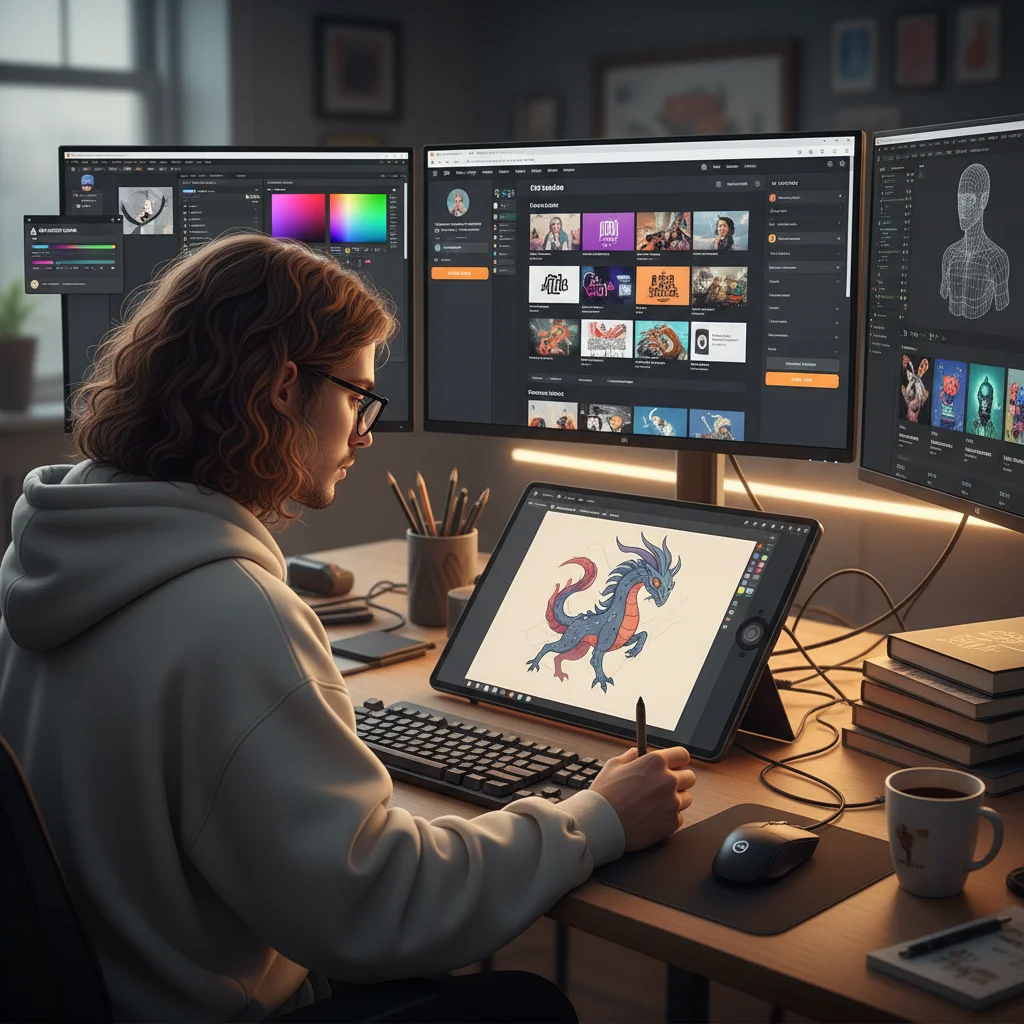
Authenticity, consistency, and interaction are paramount. Respond to comments, ask questions, and genuinely connect with your audience. Provide immense value through your content, whether it’s educational, entertaining, or inspiring. By fostering a strong community, you transform casual followers into loyal advocates, paving the way for substantial creative income streams.
4. AI-Assisted Creative Services & Productization
The advent of artificial intelligence has revolutionized many industries, and the creative sector is no exception. Far from replacing human creativity, AI tools are becoming powerful co-pilots, enabling creatives to work faster, more efficiently, and to offer entirely new services and products. AI-assisted creative services and productization represent a rapidly growing and highly profitable creative income stream for 2026. This involves leveraging AI for tasks like content generation, image manipulation, video editing, music composition, and even personalized design, then offering these enhanced outputs as premium services or scalable products.
Leveraging AI in Your Creative Workflow
Consider how AI can augment your existing skills:
- AI-Generated Art & Design: Use tools like Midjourney, DALL-E, or Stable Diffusion to create unique visual assets, concept art, or illustrations at scale. You can then sell these as stock images, use them for custom commissions, or integrate them into larger design projects.
- AI-Enhanced Writing: Leverage AI writing assistants (e.g., Jasper, Copy.ai) to generate blog post outlines, marketing copy, social media captions, or even first drafts of creative stories. You then edit and refine these for clients, offering faster turnaround times and higher output.
- AI Music & Sound Design: Tools like AIVA or Soundraw can help compose background music, jingles, or sound effects. Musicians can use AI to generate ideas, automate repetitive tasks, or create variations, offering bespoke music services for content creators, game developers, or filmmakers.
- AI Video Editing & Animation: AI can automate tasks like scene detection, color grading, and even generate basic animations or special effects. Videographers can offer faster, more sophisticated post-production services.
- Personalized & Customized Products: Use AI to generate highly personalized designs for merchandise (e.g., custom t-shirts based on user input), unique digital portraits, or tailored narratives for interactive experiences.
Monetization Strategies
- Premium Service Packages: Offer clients ‘AI-accelerated’ design, writing, or media packages, highlighting the speed and unique capabilities AI brings to your work.
- AI-Powered Digital Products: Sell unique AI-generated asset packs (e.g., seamless textures, abstract art collections, unique soundscapes) on marketplaces.
- Consulting & Training: Teach other creatives how to effectively integrate AI tools into their workflow. Offer workshops or one-on-one consulting.
- Custom AI Prompt Engineering: For those who master AI prompting, offer services to businesses or individuals who need specific AI outputs but lack the expertise to generate them effectively.
The key here is not to let AI replace your creativity, but to enhance it. By understanding and mastering these tools, you can position yourself at the forefront of a new wave of creative professionals, commanding higher fees and expanding your service offerings to tap into highly lucrative creative income streams.
5. Curated Subscription Boxes for Creative Niches
The subscription box model has proven incredibly popular across various consumer goods, but its potential for highly specific creative niches remains largely untapped. Curated subscription boxes offer a consistent, recurring creative income stream by delivering a thoughtful selection of tools, materials, inspiration, or finished products directly to a targeted audience. This model thrives on surprise, delight, and catering to a passionate community that loves discovering new things related to their craft or interest.
Identifying Your Niche Subscription
The success of a creative subscription box hinges on a well-defined niche. Think beyond ‘art supplies’ and consider ‘watercolor botanical painting kits,’ ‘calligraphy and lettering practice boxes,’ ‘indie comic artist starter packs,’ ‘gourmet coffee and writing prompt boxes,’ or ‘DIY sustainable crafting kits.’ The more specific and passionate your target audience, the easier it will be to source relevant items and build a loyal subscriber base.
What to Include in Your Box
A successful box typically includes a mix of:
- High-Quality Supplies: Unique or hard-to-find materials relevant to the niche.
- Tools: Small, specialized tools that enhance the creative process.
- Inspiration/Prompts: Cards with creative challenges, exclusive tutorials, or themed prompts.
- Finished Product Samples: Small, curated examples of what can be created with the box’s contents, or a small piece of art/craft by an indie artist.
- Educational Content: Links to online tutorials, exclusive video lessons, or a mini-magazine.
- Community Element: Access to a private online group for subscribers to share their creations.
Setting Up Your Subscription Box Business
- Sourcing: Build relationships with suppliers, independent artists, and small businesses to get unique items at wholesale prices. Consider collaborating with other creatives to feature their work.
- Pricing: Research competitor boxes. Your price should cover product costs, packaging, shipping, and a healthy profit margin. Offer different subscription tiers (monthly, quarterly, annual) for flexibility.
- Packaging & Branding: The unboxing experience is crucial. Invest in attractive, branded packaging that reflects your niche and delights subscribers.
- Platform: Use subscription box platforms like Cratejoy or build your own using Shopify with subscription apps.
- Marketing: Leverage social media, influencer collaborations, and email marketing. Offer initial discounts or limited-time offers to attract early subscribers. Showcase the unboxing experience through engaging content.
This model offers predictable recurring revenue and allows you to build a strong community around your creative passion, making it a highly attractive creative income stream with 5-figure potential.
6. High-Value Intellectual Property Licensing & Royalties
For many creatives, the most significant, yet often overlooked, source of long-term wealth comes from leveraging their intellectual property (IP). High-value IP licensing and royalties represent a truly passive and potentially very lucrative creative income stream for 2026. This involves creating original works (designs, music, characters, stories, patterns, photography) and then licensing the right to use those works to other businesses or individuals in exchange for a fee or a percentage of sales (royalties).
Understanding Your Intellectual Property
Virtually any original creative work can be considered intellectual property. This includes:
- Visual Art & Illustrations: Licensing your artwork for prints, merchandise, book covers, advertising, or product packaging.
- Photography: Licensing your images for stock photography, commercial use, editorial pieces, or advertising campaigns.
- Music & Sound FX: Licensing your compositions for film, TV, video games, commercials, podcasts, or background music libraries.
- Patterns & Surface Designs: Licensing your unique patterns for fabric, wallpaper, stationery, home goods, or digital products.
- Characters & Stories: Licensing your original characters for animation, toys, games, books, or brand mascots.
- Fonts: Designing and licensing unique typefaces to individuals or companies.

The Licensing Process
- Create & Protect: Focus on creating unique, high-quality work. Understand basic copyright law to protect your creations.
- Build a Portfolio: Develop a strong, diverse portfolio showcasing your best work.
- Identify Potential Licensees: Research companies, brands, publishers, or media producers who might be interested in your style or specific IP.
- Draft a Licensing Agreement: This is crucial. It specifies what IP is being licensed, for how long, for what use, in what territories, and the payment terms (flat fee, royalty percentage, or a combination). Seek legal advice for complex agreements.
- Negotiate & Manage: Don’t be afraid to negotiate. Once agreements are in place, track usage and ensure timely payment of royalties.
Platforms and Agents
You can pursue licensing directly or through agents. Stock platforms (Getty Images, Shutterstock for photos; AudioJungle for music; Spoonflower for patterns) offer a lower entry barrier but often lower payouts. For exclusive or higher-value licensing, an agent can connect you with larger clients and negotiate on your behalf, taking a commission but often securing better deals. Building a reputation and networking within relevant industries are key to unlocking the full 5-figure potential of IP licensing.
The Future is Creative: Embracing Your Entrepreneurial Spirit
The journey to monetizing your passion with these creative income streams is not a sprint, but a marathon. It requires dedication, continuous learning, and a willingness to adapt. The landscape of creative entrepreneurship is dynamic, with new tools, platforms, and consumer demands emerging constantly. By staying curious, honing your skills, and embracing an entrepreneurial mindset, you are not just surviving as a creative; you are thriving.
Each of these 6 untapped creative income streams offers a unique pathway to financial independence and creative fulfillment. Whether you’re designing specialized digital products for a niche market, crafting immersive art experiences, building a loyal audience as a micro-influencer, leveraging AI to supercharge your services, curating delightful subscription boxes, or strategically licensing your intellectual property, the potential for 5-figure income and beyond is real and accessible.
Remember that diversification is often the key to long-term success. While focusing on one or two streams initially can help you gain traction, exploring how these different avenues can complement each other will build a more resilient and robust creative business. For example, a niche content creator might also sell their own digital products and license their unique patterns for merchandise. An artist creating experiential installations might also license their visual concepts to brands.
Start small, experiment, and don’t be afraid to fail. Every creative endeavor, every product launch, and every marketing campaign is a learning opportunity. The most successful creative entrepreneurs are those who are persistent, adaptable, and deeply passionate about what they do. Your unique creative voice is your most valuable asset. It’s time to unleash its full potential and build the creative legacy you’ve always dreamed of.
The year 2026 is not just a date on the calendar; it’s a horizon brimming with possibilities for creatives. By strategically identifying and pursuing these untapped creative income streams, you can transform your passion into a powerful engine for financial growth and personal satisfaction. Take the first step today, research the stream that resonates most with you, and begin building your future as a successful creative entrepreneur.