Diversify Creative Skills: Unlock 15% Income Boost by 2026
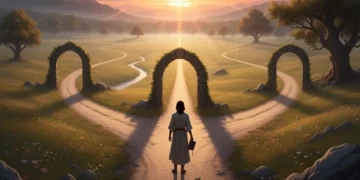
In an ever-evolving global economy, the ability to adapt and expand your professional toolkit is no longer a luxury but a necessity. For creative professionals, this means constantly looking for new avenues to explore, fresh skills to acquire, and innovative ways to apply their talents. The goal isn’t just to stay relevant, but to thrive, to command higher compensation, and to future-proof your career in an increasingly competitive landscape. This article will delve into three pivotal new areas for creative skill development, offering you a roadmap to not only diversify creative skills but also to potentially increase your income by a significant 15% by 2026.
The creative industries are experiencing a rapid transformation, driven by technological advancements, shifting consumer behaviors, and a growing demand for unique, personalized experiences. Artists, designers, writers, musicians, and other creative professionals who proactively embrace these changes will be best positioned for success. The key lies in understanding where the market is heading and equipping yourself with the capabilities that will be most valued in the near future. Let’s explore how you can strategically diversify creative skills to unlock unparalleled growth.
The Imperative to Diversify Creative Skills for Future Income Growth
Why is it so crucial to diversify creative skills now more than ever? The answer lies in the dynamic nature of work. Automation and artificial intelligence are redefining tasks, while global connectivity means more competition but also more opportunities. Relying on a single skill set, no matter how refined, can leave you vulnerable to market fluctuations. By intentionally expanding your repertoire, you build resilience, open doors to new client bases, and increase your overall value proposition.
Consider the traditional artist. While foundational skills in painting or sculpture remain invaluable, integrating digital art, 3D modeling, or even coding for interactive installations can dramatically expand their earning potential. Similarly, a graphic designer who understands UX/UI principles or motion graphics becomes far more marketable than one who doesn’t. The goal is to move beyond being a specialist in a narrow niche to becoming a versatile creative professional capable of tackling multifaceted projects.
Moreover, diversifying your skills often leads to cross-pollination of ideas, fostering innovation and leading to truly unique outputs. When you combine knowledge from different domains, you create something new and valuable that others might not have considered. This innovative edge is highly prized by employers and clients alike, directly translating into increased demand and, consequently, higher income.
Understanding the 15% Income Increase Target by 2026
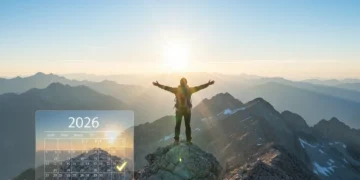
A 15% income increase by 2026 might seem ambitious, but it is entirely achievable with strategic skill development. This isn’t about working harder, but working smarter. It’s about investing your time and effort into learning skills that are currently in high demand or are projected to be so. These skills often command premium rates due to their specialized nature and the value they bring to businesses. For instance, early adopters of web design or video editing saw significant income boosts as those fields matured. We are on the cusp of similar transformations in new creative domains.
To achieve this target, you need to identify skills that are:
- Emerging and High-Demand: Skills that are relatively new but are quickly gaining traction in various industries.
- Complementary to Your Existing Talents: Skills that can augment your current creative strengths, making you a more holistic and valuable asset.
- Future-Proof: Skills that are less likely to be fully automated and require human creativity, empathy, and critical thinking.
The three areas we will explore meet these criteria, offering fertile ground for creative professionals looking to diversify creative skills and see tangible financial returns.
Area 1: AI-Powered Creativity and Generative Art
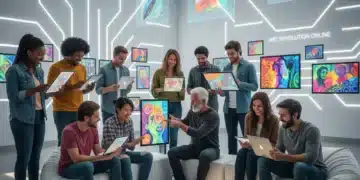
Artificial Intelligence, once perceived as a threat to creative jobs, is rapidly becoming a powerful collaborator. AI-powered creativity isn’t about replacing human artists but augmenting their capabilities, offering new tools, and opening up entirely new forms of artistic expression. This field is poised for exponential growth, and creatives who embrace it will be at the forefront of a new artistic revolution.
Understanding AI’s Role in Creative Processes
AI can assist in various stages of the creative process, from ideation and content generation to optimization and personalization. Generative AI models, such as DALL-E, Midjourney, and Stable Diffusion, can produce images, text, music, and even video from simple text prompts. This doesn’t diminish the role of the human creative; instead, it shifts it to one of a curator, prompt engineer, and visionary director.
For instance, a graphic designer can use AI to quickly generate multiple design variations, explore different color palettes, or even create unique textures and patterns. A writer can leverage AI to brainstorm ideas, overcome writer’s block, or generate preliminary drafts. A musician can use AI to compose new melodies or create intricate soundscapes. The focus here is on leveraging AI as a tool to enhance efficiency, explore new aesthetics, and push creative boundaries.
Key Skills to Develop in AI-Powered Creativity
To effectively diversify creative skills in this domain, consider focusing on:
- Prompt Engineering: The art and science of crafting effective text prompts to guide AI models to produce desired creative outputs. This requires a deep understanding of language, artistic concepts, and the specific capabilities of different AI models.
- AI Tool Proficiency: Becoming adept at using various AI-powered creative software and platforms (e.g., Midjourney, RunwayML, Adobe Sensei features, ChatGPT for content).
- Ethical AI in Art: Understanding the ethical implications, biases, and ownership issues surrounding AI-generated content. This knowledge is crucial for responsible and sustainable creative practice.
- Data Curation and Fine-tuning: For more advanced users, learning how to curate datasets for training AI models or fine-tune existing models for specific artistic styles or outcomes can be highly valuable.
- AI-Human Collaboration Methodologies: Developing workflows that seamlessly integrate AI tools into traditional creative processes, optimizing for efficiency and innovation.
Mastering these skills allows you to become an AI-powered creative, a role that will be increasingly in demand across advertising, entertainment, product design, and digital media. The ability to harness AI for unique artistic expressions will set you apart and justify a higher income.
Area 2: Immersive Experience Design (VR/AR/Metaverse)
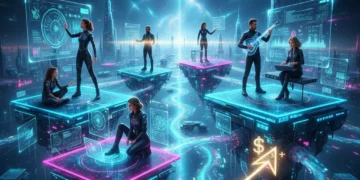
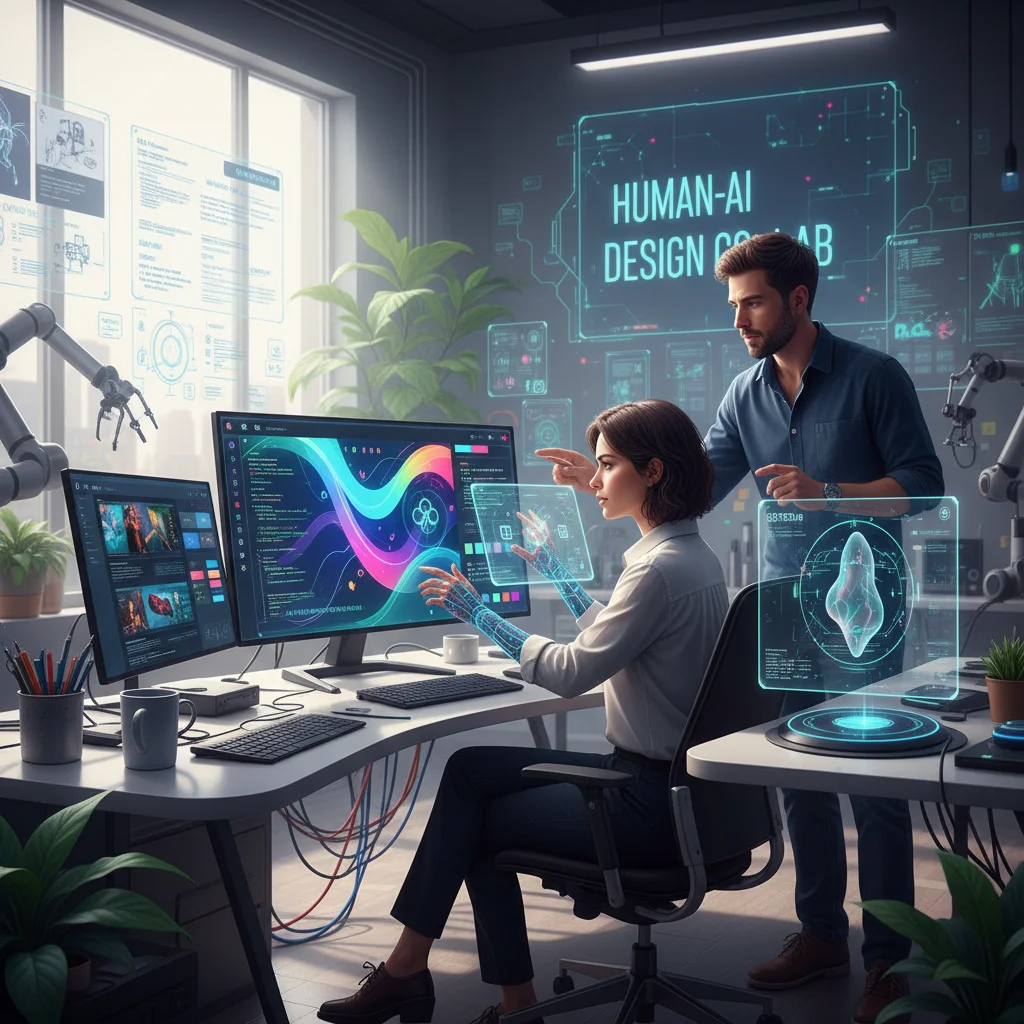
The rise of virtual reality (VR), augmented reality (AR), and the nascent metaverse presents a vast new frontier for creative professionals. These immersive technologies are moving beyond gaming into education, retail, healthcare, marketing, and entertainment, creating a significant demand for designers, storytellers, and artists who can craft compelling interactive experiences. Learning to diversify creative skills into this area offers immense potential for growth.
The Growing Landscape of Immersive Technologies
Immersive experiences are about transporting users to new realities or overlaying digital information onto the physical world. VR offers fully simulated environments, AR enhances reality with digital overlays, and the metaverse envisions a persistent, interconnected virtual space where users can interact, work, and play. Each of these technologies requires a unique blend of technical and creative expertise to build engaging and meaningful interactions.
Businesses are investing heavily in these areas to create innovative marketing campaigns, interactive product showcases, virtual training simulations, and new forms of entertainment. This creates a strong demand for creatives who can design compelling virtual worlds, interactive narratives, 3D assets, and intuitive user interfaces within these new paradigms.
Essential Skills for Immersive Experience Design
To successfully diversify creative skills into immersive experience design, focus on:
- 3D Modeling and Animation: Proficiency in software like Blender, Maya, or Cinema 4D to create environments, characters, and objects for virtual spaces.
- Spatial Design and Environment Art: Understanding how to design virtual spaces that are intuitive, engaging, and optimized for immersive interaction, considering aspects like scale, navigation, and user comfort.
- Interactive Storytelling and Narrative Design: Crafting stories that adapt to user choices and interactions within a non-linear, immersive environment. This is different from traditional linear storytelling.
- Game Engine Proficiency: Learning to use platforms like Unity or Unreal Engine, which are the primary tools for building VR/AR applications and metaverse experiences. This often involves visual scripting or basic coding knowledge.
- UI/UX for Immersive Environments: Designing user interfaces and experiences specifically tailored for VR/AR, considering factors like gaze interaction, hand tracking, and spatial audio.
- Concept Art for Immersive Worlds: Developing visual concepts for virtual environments, characters, and props that capture the essence and mood of an immersive experience.
Creatives with these skills can find roles as VR/AR designers, metaverse architects, 3D artists, interactive storytellers, and technical artists. The demand for these specialized roles is outpacing supply, making it a lucrative area for skill diversification.
Area 3: Sustainable Creative Practices and Eco-Conscious Design
As global awareness of environmental issues grows, so does the demand for sustainable practices across all industries, including the creative sector. Consumers and businesses alike are looking for products, services, and creative outputs that are environmentally responsible, ethically sourced, and contribute positively to the planet. This presents a unique opportunity for creatives to diversify creative skills by integrating sustainability into their work, adding significant value and appeal.
The Rise of Eco-Conscious Creativity
Sustainable creative practices involve minimizing environmental impact throughout the entire creative lifecycle, from concept and material selection to production, distribution, and disposal. This isn’t just about using recycled materials; it encompasses energy efficiency in digital processes, ethical supply chains, designing for longevity, and promoting conscious consumption through creative messaging.
Brands are actively seeking designers, marketers, and artists who understand and can implement sustainable principles. This includes designing eco-friendly packaging, creating marketing campaigns that promote sustainable living, developing products with a circular economy mindset, or even producing art installations from repurposed materials. The ability to align creative output with environmental values is becoming a powerful differentiator.
Key Skills for Sustainable Creative Practices
To effectively diversify creative skills in this area, consider developing:
- Sustainable Material Knowledge: Understanding eco-friendly materials, their properties, sourcing, and end-of-life options (e.g., biodegradable plastics, recycled fabrics, responsibly harvested wood, low-VOC paints).
- Circular Design Principles: Learning to design products and services that minimize waste and maximize resource utility, focusing on durability, repairability, reusability, and recyclability.
- Life Cycle Assessment (LCA) Basics: Understanding how to evaluate the environmental impact of a product or service throughout its entire life cycle, informing design decisions.
- Ethical Sourcing and Supply Chain Awareness: Knowledge of fair trade practices, responsible manufacturing, and transparent supply chains in creative industries.
- Green Marketing and Communication: Developing strategies to effectively communicate a brand’s sustainability efforts and engage consumers in eco-conscious choices without greenwashing.
- Energy-Efficient Digital Practices: Understanding how to optimize digital workflows, data storage, and computing power to reduce the carbon footprint of digital creative outputs (e.g., web design, video production).
- Upcycling and Repurposing Techniques: For physical artists and designers, mastering methods to transform waste materials into new, valuable creative works.
Creatives who can demonstrate a commitment to and expertise in sustainable practices will be highly sought after by environmentally conscious brands and organizations. This specialization not only aligns with growing societal values but also commands a premium in the market, helping you to diversify creative skills and enhance your income.
Strategies for Acquiring These New Skills
Now that we’ve identified the key areas, how do you go about acquiring these skills? The journey to diversify creative skills is an ongoing process of learning and application. Here are some actionable strategies:
Online Courses and Certifications
Platforms like Coursera, Udemy, edX, and Skillshare offer a wealth of courses on AI, 3D modeling, game development, sustainable design, and more. Look for courses taught by industry professionals and those that offer practical projects or certifications. Many universities also offer specialized online programs that can provide in-depth knowledge and credentials.
Workshops and Bootcamps
For a more intensive and hands-on learning experience, consider attending workshops or bootcamps. These often condense a significant amount of learning into a shorter period, providing focused instruction and practical application. They can be particularly effective for mastering specific software or techniques.
Self-Directed Learning and Personal Projects
Don’t underestimate the power of self-directed learning. There are countless free resources available, including YouTube tutorials, blogs, open-source software, and online communities. The best way to learn is by doing. Start personal projects that allow you to apply your new skills. For example, try generating AI art for a fictional brand, designing a simple VR experience, or creating a product concept using sustainable materials.
Networking and Mentorship
Connect with professionals already working in these emerging fields. Attend industry conferences (even virtual ones), join online forums, and participate in local meetups. Networking can open doors to mentorship opportunities, collaborations, and even job prospects. Learning from those with experience can accelerate your growth and provide invaluable insights into industry best practices.
Experimentation and Iteration
Embrace a mindset of continuous experimentation. These are rapidly evolving fields, and what works today might be refined tomorrow. Be open to trying new tools, techniques, and approaches. Don’t be afraid to fail; each iteration is a learning opportunity that helps you refine your skills and understanding.
Integrating New Skills into Your Creative Portfolio
Once you start acquiring these new skills, it’s crucial to showcase them effectively. Simply listing them on your resume isn’t enough; you need to demonstrate your proficiency through tangible work. Here’s how to integrate your efforts to diversify creative skills into your professional narrative:
Update Your Portfolio with Relevant Projects
Create dedicated sections in your portfolio for AI-generated art, VR/AR experiences, or sustainable design projects. Even if these are personal projects or speculative work, they demonstrate your initiative and capability. Provide clear explanations of your process, the tools you used, and the impact or intention behind the work.
Revamp Your Resume and LinkedIn Profile
Highlight your new skills prominently. Use keywords relevant to AI, VR/AR, and sustainability in your job descriptions and skill sections. Tailor your professional summary to reflect your expanded capabilities and your forward-thinking approach to creativity. For example, instead of just ‘Graphic Designer,’ you might be ‘Graphic Designer specializing in AI-enhanced visual content and sustainable branding.’
Educate Your Clients and Network
Proactively inform your existing clients and network about your new offerings. Explain how these new skills can add value to their projects. For instance, you could propose using AI to generate variations for a logo design or suggest incorporating sustainable materials into their next product packaging. This positions you as an innovator and problem-solver.
Create Thought Leadership Content
Write blog posts, create social media content, or even host webinars discussing your journey and insights into these new creative areas. Sharing your knowledge not only establishes you as an expert but also attracts potential clients and collaborators who are interested in these emerging trends. This reinforces your commitment to diversify creative skills and stay ahead of the curve.
Overcoming Challenges and Staying Motivated
Learning new skills, especially in complex and rapidly changing fields, can be challenging. It requires dedication, patience, and a willingness to step outside your comfort zone. Here are some tips to help you stay motivated on your journey to diversify creative skills:
Set Realistic Goals
Break down your learning objectives into smaller, manageable steps. Instead of aiming to master an entire game engine in a month, focus on completing a specific tutorial or creating a simple interactive scene. Celebrate small victories to maintain momentum.
Embrace a Growth Mindset
Understand that challenges are opportunities for learning. Not every attempt will be perfect, and that’s okay. Focus on continuous improvement rather than immediate perfection. The creative journey is iterative, and so is skill acquisition.
Find a Learning Community
Join online forums, Discord servers, or local groups dedicated to the skills you’re learning. Being part of a community provides support, allows you to ask questions, share your progress, and get feedback. Learning alongside others can be incredibly motivating.
Regularly Review Your Progress
Periodically assess how far you’ve come. Look back at your initial projects and compare them to your current work. This can be a powerful reminder of your growth and reinforce your motivation to continue learning and expanding your abilities to diversify creative skills.
Conclusion: Your Path to a 15% Income Boost by 2026
The creative landscape is ripe with opportunities for those willing to adapt and innovate. By strategically choosing to diversify creative skills into areas like AI-powered creativity, immersive experience design, and sustainable creative practices, you are not just learning new tools; you are investing in your future. You are positioning yourself at the vanguard of creative evolution, where demand for your unique blend of talents will be at its peak.
The 15% income increase by 2026 is a tangible goal, achievable through focused learning, consistent practice, and smart application of these emerging skills. Start today by choosing one area that excites you most, delving into its core principles, and beginning your journey of exploration. The future of creativity is collaborative, immersive, and conscious – and with these diversified skills, you will be an integral part of shaping it, enjoying both professional fulfillment and enhanced financial rewards.
Don’t wait for the market to force your hand. Be proactive, be curious, and be courageous in expanding your creative horizons. The investment you make in yourself now will undoubtedly pay dividends in the years to come.