Mastering Digital Storytelling 2026: Engage Audiences Longer
Mastering Digital Storytelling 2026: Engage Audiences Longer
In the ever-evolving digital realm, merely creating content is no longer enough. To truly capture and retain attention, brands and creators must become master storytellers. As we navigate towards 2026, the art of digital storytelling engagement has transformed into a critical differentiator, separating fleeting glances from lasting connections. This comprehensive guide will delve into the nuances of crafting narratives that not only resonate but compel audiences to stay engaged for twice as long, fostering deeper loyalty and impact.
The Evolution of Digital Storytelling: Why 2026 Demands More
The digital landscape is a noisy place. Every second, an avalanche of content floods our screens, vying for precious attention spans. What once worked in 2016 or even 2020 is now largely obsolete. Audiences are savvier, more discerning, and inherently resistant to overt marketing. In 2026, the demand for authentic, immersive, and value-driven narratives has reached an all-time high. The shift isn’t just about what you say, but how you say it, and more importantly, how you make your audience feel.
Traditional advertising models are losing their efficacy. Consumers crave experiences, not just products. They want to be part of a journey, to feel understood, and to align with brands that share their values. This is where effective digital storytelling engagement steps in. It’s about weaving a thread from your brand’s core message directly into the fabric of your audience’s lives, creating a narrative that they can see themselves in, learn from, and ultimately, be moved by.
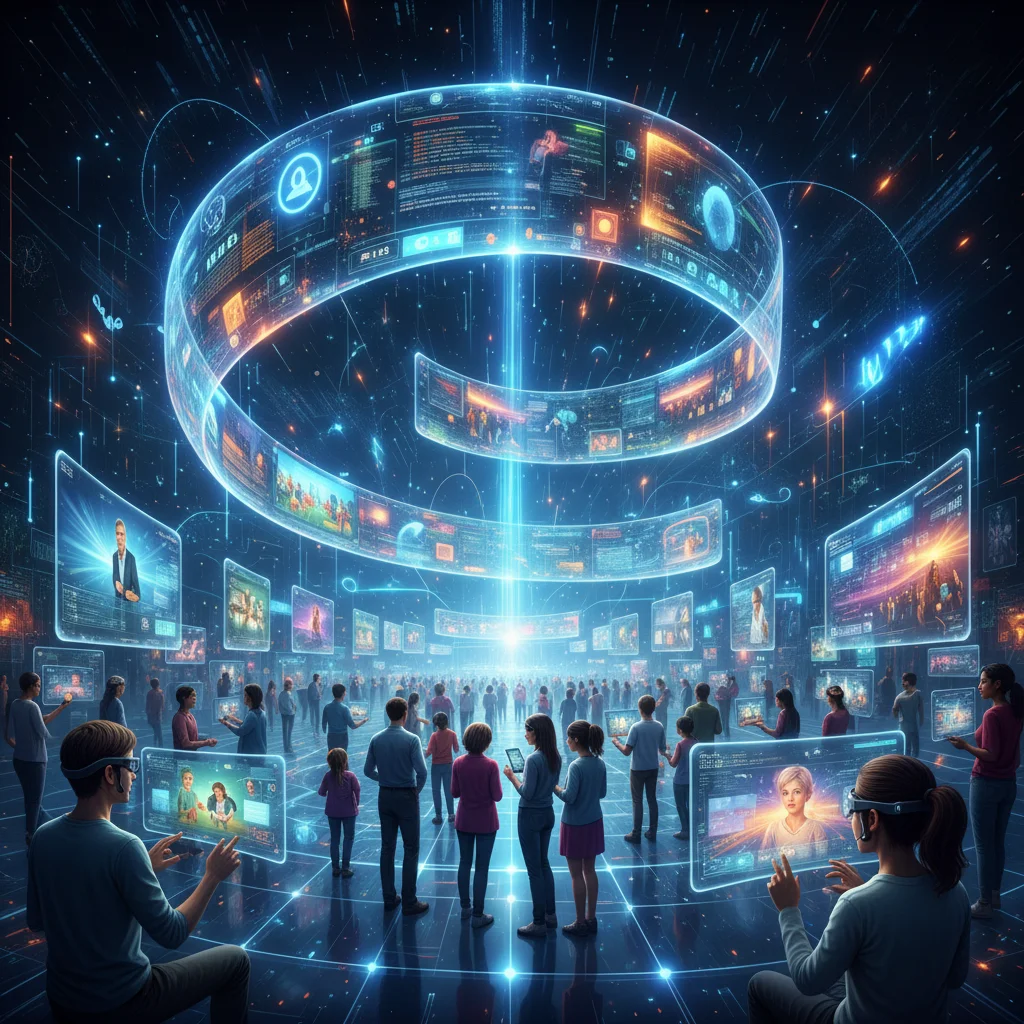
The technological advancements of the past few years, coupled with changing consumer behaviors, have paved the way for new forms of storytelling. From interactive content and personalized narratives to augmented reality (AR) and virtual reality (VR) experiences, the tools available to storytellers are more powerful than ever. However, technology alone is not the answer. At its heart, successful digital storytelling still relies on fundamental human desires: connection, emotion, and meaning.
Understanding Your Audience: The Cornerstone of Engagement
Before you can tell a compelling story, you must first understand who you’re telling it to. In 2026, audience understanding goes far beyond basic demographics. It requires deep dives into psychographics, behavioral patterns, pain points, aspirations, and even their preferred content consumption habits. Data analytics, AI-driven insights, and direct audience feedback are invaluable tools in building comprehensive audience personas.
Ask yourself:
- What problems does my audience face that my story can address or illuminate?
- What emotions do I want to evoke?
- What values do they hold dear?
- Where do they consume content, and in what formats?
- What are their attention spans like for different types of content?
By answering these questions, you lay the groundwork for narratives that are not only relevant but also deeply resonant. Personalization is key. The more you tailor your story to specific audience segments, the higher your chances of achieving significant digital storytelling engagement.
Leveraging predictive analytics can also help anticipate audience needs and preferences, allowing you to craft stories that hit home even before your audience explicitly articulates their desires. This proactive approach to understanding and serving your audience is a hallmark of successful digital storytelling in 2026.
Crafting Compelling Narratives: The Art of the Hook and Hold
A great story, regardless of its medium, needs a strong beginning, a captivating middle, and a satisfying (or thought-provoking) end. In the digital space, however, the “beginning” often needs to be an immediate hook.
The Irresistible Hook: Grabbing Attention in Seconds
With dwindling attention spans, your opening must be powerful. This could be a striking visual, a provocative question, an intriguing statistic, or a personal anecdote. The goal is to stop the scroll and create an immediate desire to know more. This initial engagement is crucial for setting the stage for deeper digital storytelling engagement.
Consider interactive elements from the outset. A short quiz, a poll, or a “choose your own adventure” style opening can instantly involve the audience, making them an active participant rather than a passive observer. Video content, especially short-form and highly visual, remains king for initial hooks across platforms like TikTok, Instagram Reels, and YouTube Shorts.
Developing the Narrative Arc: Sustaining Interest
Once you have their attention, how do you hold it? This is where a well-structured narrative arc becomes vital. Even short pieces of content can benefit from a clear beginning, rising action, climax, falling action, and resolution.
- Establish a clear purpose: What is the core message or emotion you want to convey?
- Introduce relatable characters: Whether it’s your brand personified, a customer testimonial, or an abstract concept made human, relatability fosters empathy.
- Create conflict or tension: This doesn’t have to be dramatic; it could be a problem that your product solves, a challenge overcome, or a question explored.
- Build towards a climax: The point of greatest interest or revelation.
- Provide a resolution or call to action: What do you want your audience to do or feel after experiencing your story?
Remember, the goal is to make the audience feel something. Emotion is the most powerful driver of memory and action. Humor, inspiration, empathy, curiosity, and even a touch of nostalgia can all contribute to sustained digital storytelling engagement.
Leveraging Modern Mediums for Enhanced Engagement
The digital landscape offers a rich tapestry of mediums, each with its unique strengths for storytelling. In 2026, successful storytellers don’t just pick one; they orchestrate a symphony across multiple channels.
Interactive Content: Making Audiences Participants, Not Spectators
Interactive content is no longer a novelty; it’s an expectation. Quizzes, polls, surveys, interactive infographics, “choose your own adventure” narratives, and playable ads all transform passive consumption into active participation. This significantly boosts digital storytelling engagement because audiences feel invested in the outcome.
Consider how a brand might use an interactive story to showcase a product. Instead of a static ad, imagine a scenario where a user can “design” their perfect outfit using the brand’s clothing, seeing the results in real-time, and then being directed to purchase. This creates a personalized, memorable experience.
Video Storytelling: Beyond the Screen
Video continues to dominate. However, the nature of video storytelling is evolving. Long-form documentaries, short-form viral clips, live streams, and interactive video experiences all have their place. The key is to match the story’s complexity and desired emotional impact with the appropriate video format.
Platforms like YouTube, TikTok, Instagram, and even LinkedIn have distinct video cultures. Understanding these nuances allows you to tailor your video narrative for maximum impact on each platform. Storytelling through video also extends to user-generated content (UGC), where real customers share their experiences, adding a layer of authenticity that traditional ads cannot replicate.

Audio Storytelling: The Rise of the Podcast and Audio Experiences
Podcasts, audiobooks, and even immersive audio experiences are experiencing a renaissance. Audio storytelling allows for a deeper, more intimate connection with the audience, often consumed during commutes, workouts, or moments of relaxation. It fosters imagination and provides a unique opportunity for narrative depth without visual distractions.
Brands can leverage audio for origin stories, expert interviews, behind-the-scenes glimpses, or even fictional narratives that subtly weave in brand messaging. The personal nature of audio makes it an incredibly powerful tool for fostering long-term digital storytelling engagement.
Augmented Reality (AR) and Virtual Reality (VR): Immersive Narratives
While still emerging for mainstream marketing, AR and VR offer unparalleled opportunities for immersive storytelling. Imagine a real estate company offering a VR tour of a future home, or a fashion brand allowing users to “try on” clothes using AR filters. These technologies transform storytelling into an experience that blurs the lines between digital and physical.
As these technologies become more accessible, brands that experiment with AR and VR storytelling will be at the forefront of innovation, creating memorable and highly engaging experiences that set them apart.
The Role of Authenticity and Transparency in 2026
In an era of deepfakes and misinformation, authenticity is paramount. Audiences are increasingly wary of polished, inauthentic content. They crave real stories, real people, and real connections. Brands that embrace transparency in their storytelling – showcasing their values, their challenges, and their humanity – will build stronger trust and loyalty.
This means being honest about your brand’s journey, admitting mistakes, and celebrating successes with genuine enthusiasm. User-generated content (UGC) plays a significant role here, as it provides authentic voices and perspectives that resonate deeply with peers. Encouraging and curating UGC is a powerful strategy for enhancing digital storytelling engagement.
Furthermore, ethical considerations in AI and data usage will be critical. Stories about how data is handled, how AI is used responsibly, and how privacy is protected can build consumer confidence and strengthen brand reputation. Transparency here isn’t just good practice; it’s a foundational element of trust in 2026.
Personalization at Scale: Tailoring Stories for Individual Journeys
Mass marketing is dead; personalized marketing is king. But in 2026, personalization goes beyond inserting a customer’s name into an email. It’s about delivering stories that are uniquely relevant to an individual’s past interactions, preferences, and current stage in their customer journey.
AI and machine learning are crucial here, enabling brands to analyze vast amounts of data to dynamically generate or recommend story elements that resonate with specific individuals. Imagine a customer receiving a story about how a product solved a problem they recently searched for, or a narrative that highlights features they’ve previously shown interest in.
This level of personalized digital storytelling engagement creates a feeling of being truly seen and understood by a brand, fostering a much deeper connection than generic messaging ever could. It moves from “telling a story to everyone” to “telling a story for you.”
Measuring the Impact of Digital Storytelling Engagement
Storytelling isn’t just about creativity; it’s also about results. In 2026, measuring the impact of your digital storytelling is more sophisticated than ever. Beyond traditional metrics like page views and click-through rates, focus on engagement metrics that truly reflect audience connection:
- Time on Content: How long are people spending with your story? A longer duration indicates higher engagement.
- Scroll Depth: Are users scrolling through the entire narrative, or dropping off early?
- Interaction Rates: For interactive content, track clicks, submissions, and participation rates.
- Sentiment Analysis: What emotions are evoked by your story, as expressed in comments and social media mentions?
- Shareability: How often is your story being shared, and what kind of conversations is it sparking?
- Brand Recall and Affinity: Surveys and brand tracking tools can measure how your storytelling impacts perception.
- Conversion Rates: Ultimately, does your storytelling lead to desired actions, such as purchases, sign-ups, or inquiries?
By constantly analyzing these metrics, you can refine your storytelling strategies, understanding what resonates most effectively with your audience and optimizing for even greater digital storytelling engagement.

The Future of Digital Storytelling: Trends to Watch Beyond 2026
The landscape of digital storytelling engagement is ceaselessly evolving. Looking beyond 2026, several trends are poised to redefine how we connect through narratives:
Hyper-Personalized AI-Driven Narratives
Imagine AI not just recommending content, but dynamically generating unique story variations tailored to an individual’s real-time mood, context, and even biometric data. This could lead to truly adaptive narratives that respond to the user, creating an unprecedented level of immersion and personal relevance.
The Metaverse as a Storytelling Canvas
As the metaverse matures, it will offer entirely new dimensions for storytelling. Brands and creators will be able to build immersive worlds where users don’t just consume stories, but live within them, interact with characters, and influence outcomes. This will be the ultimate frontier for experiential digital storytelling engagement.
Ethical AI and Transparent Storytelling
With the rise of generative AI, the ethical implications of content creation will become even more pronounced. Stories about ethical AI use, data privacy, and the provenance of content will be crucial for building trust. Brands that champion transparency in their use of AI for storytelling will gain a significant advantage.
Sensory Storytelling
Beyond visual and auditory, future storytelling might increasingly engage other senses. Haptic feedback, scent diffusion technologies, and even taste-based experiences could become integrated into digital narratives, creating multi-sensory experiences that leave an even deeper impression.
Decentralized Storytelling and Creator Economies
Web3 technologies and NFTs could empower individual creators and communities to own, monetize, and collectively build narratives in decentralized ways. This could lead to more diverse, community-driven stories that resonate with niche audiences on a global scale, fostering new forms of digital storytelling engagement.
Conclusion: Your Journey to Enhanced Digital Storytelling Engagement
The art of digital storytelling in 2026 is a dynamic blend of creativity, technology, empathy, and strategic thinking. It’s about moving beyond mere information dissemination to creating meaningful experiences that captivate, educate, and inspire. By deeply understanding your audience, crafting compelling narrative arcs, leveraging modern mediums, embracing authenticity, and personalizing at scale, you can transform your content into stories that not only grab attention but hold it, fostering deep and lasting digital storytelling engagement.
The brands and creators who master these principles will not just survive in the crowded digital space; they will thrive, building communities, driving loyalty, and ultimately, achieving their objectives by telling stories that truly matter. The narrative is yours to shape. Begin your journey today to become a master of digital storytelling, and watch your audience engagement soar.