Mastering AI Art in 2026: 5 New Tools Boosting Creative Output by 30%
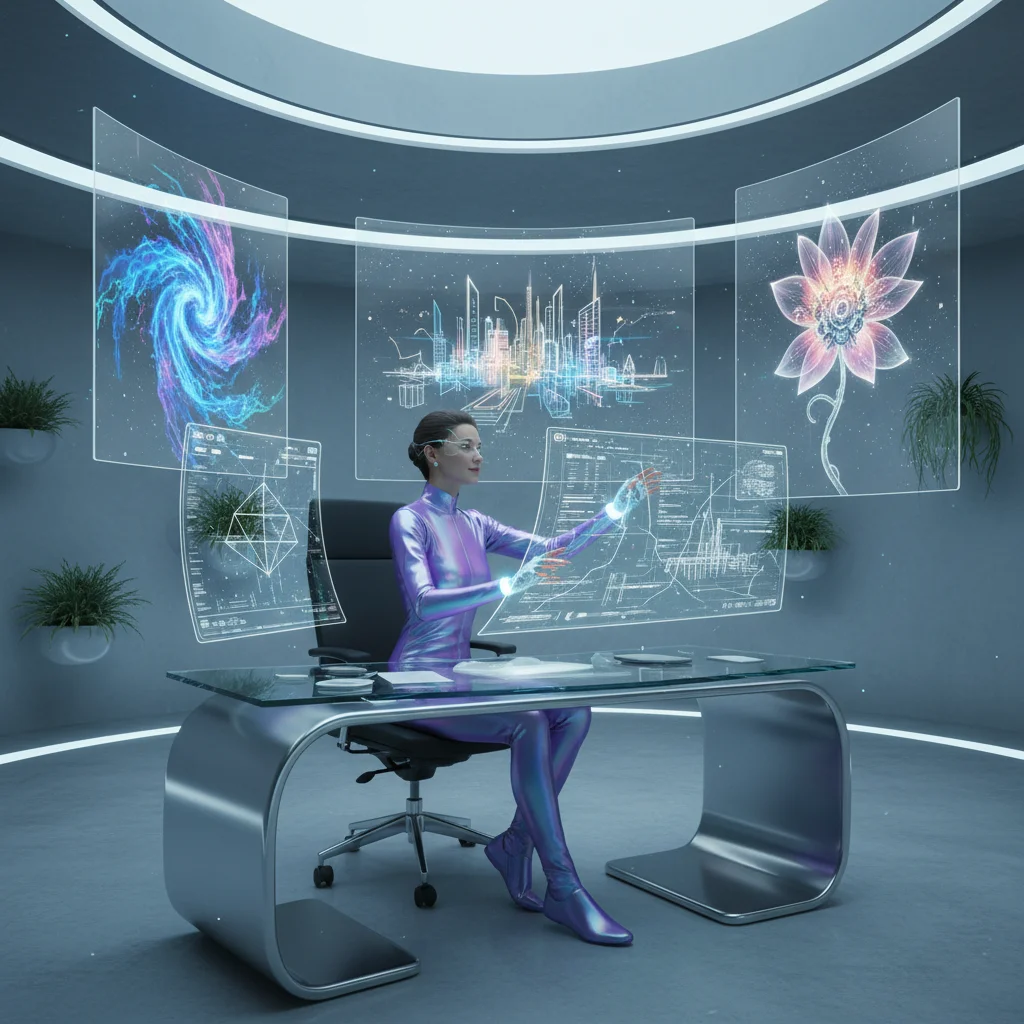
The landscape of digital art is in a perpetual state of evolution, driven relentlessly by technological advancements. As we peer into 2026, the promise of Artificial Intelligence (AI) in revolutionizing creative output is not just a distant dream but a tangible reality. The integration of AI into artistic workflows is set to redefine what’s possible, empowering artists to achieve unprecedented levels of efficiency, innovation, and artistic expression. This article delves into the most anticipated AI Art Tools 2026, exploring how these groundbreaking technologies are projected to boost creative output by an astounding 30%.
For years, AI has been a fascinating concept, often confined to the realms of science fiction. Today, it stands as a pivotal force shaping industries across the board, and the creative sector is no exception. Generative AI, machine learning, and advanced algorithms are no longer just buzzwords; they are becoming essential components in the artist’s toolkit. From generating complex textures to composing entire musical pieces, AI’s capabilities are expanding at an exponential rate. The year 2026 promises to be a landmark year, introducing a new generation of AI art tools that will fundamentally alter how art is conceived, created, and consumed.
The impact of these emerging AI Art Tools 2026 extends beyond mere automation. They are designed to act as intelligent collaborators, augmenting human creativity rather than replacing it. Imagine a tool that can instantly generate variations of a concept, suggest color palettes based on emotional intent, or even animate static images with realistic fluidity. These are not just productivity enhancers; they are catalysts for new forms of artistic expression, allowing artists to explore uncharted creative territories with greater ease and speed. The 30% boost in creative output isn’t just about doing more; it’s about doing more, better, and with unparalleled innovation.
This comprehensive guide will introduce you to five standout AI art tools that are poised to make significant waves in 2026. We will explore their core functionalities, discuss how they differ from current offerings, and speculate on their potential to reshape the digital art world. Whether you are a seasoned digital artist, a graphic designer, a photographer, or simply an enthusiast curious about the future of creativity, understanding these tools will be crucial for staying ahead in an increasingly AI-driven artistic landscape.
Prepare to embark on a journey into the future of art, where human intuition meets artificial intelligence to forge a new era of boundless creativity. Let’s explore the innovations that will define AI Art Tools 2026 and empower a new generation of artists.
The Dawn of a New Artistic Era: Why AI Art Matters in 2026
The year 2026 marks a significant turning point in the evolution of digital art. The maturation of AI technologies, coupled with increasingly sophisticated hardware, means that the capabilities of AI Art Tools 2026 will transcend anything we’ve seen before. The focus has shifted from simply generating images to creating intelligent, intuitive systems that understand artistic intent and can execute complex creative tasks with remarkable precision.
One of the primary reasons AI art matters so much in 2026 is its potential to democratize creativity. High-end artistic skills often require years of dedicated practice and expensive training. While AI won’t replace this fundamental human element, it can significantly lower the barrier to entry for many. Aspiring artists with brilliant ideas but limited technical proficiency can leverage AI tools to bring their visions to life, fostering a more inclusive and diverse creative community. This democratization doesn’t diminish the value of skilled artists; instead, it provides them with powerful assistants to amplify their existing talents.
Furthermore, the speed and efficiency offered by AI Art Tools 2026 are unparalleled. Imagine being able to iterate through hundreds of design concepts in minutes, or to generate a series of unique illustrations for a project in a fraction of the time it would take manually. This increased efficiency translates directly into the projected 30% boost in creative output. Artists can spend less time on repetitive or technically challenging tasks and more time on conceptualization, refinement, and injecting their unique artistic voice into the work.
The ethical considerations surrounding AI art are also becoming more central to the development of these tools. In 2026, we anticipate seeing more robust frameworks for intellectual property, attribution, and data provenance embedded within the tools themselves. This ensures that artists can use AI responsibly and ethically, protecting their original work while harnessing the power of generative models. Transparency in how AI models are trained and how they generate content will be a key feature, building trust and fostering a healthier ecosystem for AI-assisted creativity.
Finally, the collaborative potential of AI Art Tools 2026 is immense. Imagine AI not just as a standalone generator, but as a proactive partner in the creative process. Tools that can analyze an artist’s portfolio, understand their style, and then suggest relevant modifications or entirely new directions based on that understanding. This level of intelligent collaboration opens up new avenues for artistic exploration and pushes the boundaries of what’s possible when human and artificial intelligence work in tandem.
Tool 1: "Visionary Canvas" – The Intuitive AI Art Studio
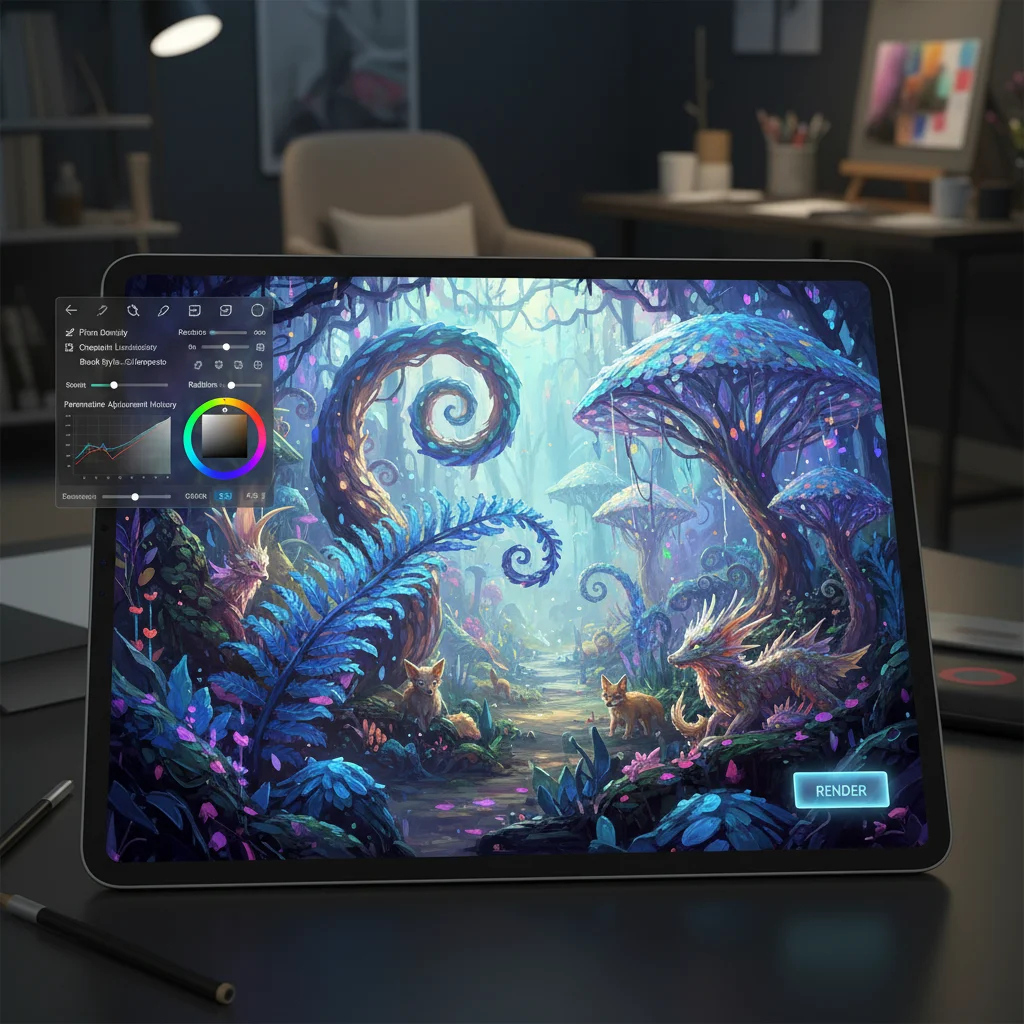
Our first groundbreaking tool for 2026 is "Visionary Canvas." This isn’t just another image generator; it’s a comprehensive AI-powered art studio designed from the ground up to understand and anticipate artistic intent. Visionary Canvas distinguishes itself through its incredibly intuitive natural language processing (NLP) capabilities, allowing artists to describe their visions in plain English, much like conversing with a human assistant.
What makes Visionary Canvas revolutionary is its "Emotional Intelligence Engine." This feature allows the AI to interpret not just the literal meaning of prompts but also the underlying mood, tone, and emotional context. For example, prompting "a serene forest at dawn" would yield results that genuinely evoke tranquility and softness, rather than just a literal depiction of trees and light. This deep understanding of human emotion in art is a significant leap forward for AI Art Tools 2026.
Key features of Visionary Canvas include:
- Adaptive Style Learning: The tool learns from an artist’s personal style over time, adapting its output to match their aesthetic preferences and even suggesting stylistic variations that align with their work.
- Dynamic Scene Generation: Beyond static images, Visionary Canvas can generate short, looping animated scenes or interactive environments based on textual prompts, opening new possibilities for digital artists and game developers.
- Multi-Modal Input: Artists can provide input not only through text but also by sketching, uploading reference images, or even using vocal commands, making the creative process more fluid and accessible.
- Real-time Collaborative Editing: Multiple artists can work simultaneously on the same AI-generated canvas, with the AI intelligently merging their contributions and offering suggestions for harmonious integration.
The impact of Visionary Canvas on creative output is expected to be profound. By streamlining the ideation phase and automating many of the initial rendering steps, artists can dedicate more time to refining details, exploring complex narratives, and pushing their creative boundaries. This tool alone could account for a significant portion of the projected 30% increase in efficiency for digital artists.
Tool 2: "Echo Sculptor" – 3D Modeling and Texturing with AI
For artists working in 3D, "Echo Sculptor" is set to be a game-changer among AI Art Tools 2026. Traditional 3D modeling can be incredibly time-consuming and technically demanding. Echo Sculptor leverages advanced AI to simplify and accelerate the entire 3D asset creation pipeline, from conceptualization to texturing and rendering.
The core innovation of Echo Sculptor lies in its "Generative Mesh Synthesis." Artists can describe a 3D object or scene using natural language, and the AI will generate a highly detailed, topologically sound 3D mesh in seconds. Need a "gnarled ancient oak tree with glowing runes"? Echo Sculptor can create it, complete with intricate bark textures and emission maps for the runes.
Key functionalities include:
- Text-to-3D Object Generation: Input a textual description, and the AI generates a fully textured 3D model, ready for integration into game engines, architectural visualizations, or animated films.
- Procedural Material Design: AI-driven material generation allows artists to describe desired surface properties (e.g., "weathered stone with moss" or "polished chrome with subtle scratches"), and the tool creates PBR-ready textures.
- Automated Retopology and UV Unwrapping: Two of the most tedious tasks in 3D modeling are automated by Echo Sculptor, ensuring clean meshes and efficient UV layouts, saving countless hours for artists.
- Style Transfer for 3D: Apply the artistic style of a 2D image or another 3D model to newly generated geometry, maintaining consistency across projects or experimenting with unique aesthetics.
Echo Sculptor’s ability to rapidly prototype 3D assets and automate complex technical processes will significantly boost the productivity of 3D artists and designers. The time saved on modeling and texturing can be redirected towards creative direction, animation, or scene composition, directly contributing to the overall increase in creative output. This tool is a testament to how AI Art Tools 2026 are bridging the gap between artistic vision and technical execution in 3D.
Tool 3: "Symphony Weaver" – AI for Auditory and Visual Harmony
Art is not solely visual; sound plays an integral role in many creative endeavors, from animation and film to interactive installations. "Symphony Weaver" is an innovative AI tool for 2026 that focuses on creating harmonious auditory and visual experiences. It’s designed to generate bespoke soundtracks, sound effects, and even synchronize visual elements to a generated score, all with AI intelligence.
Symphony Weaver’s unique selling proposition is its "Emotional Resonance Engine," which enables the AI to understand the emotional context of visual art or a narrative and compose accompanying audio that enhances that feeling. If an artist creates a somber landscape in Visionary Canvas, Symphony Weaver can generate a melancholic orchestral piece and ambient sounds like distant wind or soft rain to match.
Highlights of Symphony Weaver include:
- Contextual Music Composition: Generates royalty-free music tailored to specific visual themes, emotional tones, or narrative beats, complete with instrumentation and tempo variations.
- Dynamic Soundscape Generation: Creates immersive environmental soundscapes (e.g., bustling city, tranquil forest, alien world) that can evolve and react to visual cues or user interaction.
- Automated Visual-Audio Synchronization: For animators and video creators, Symphony Weaver can intelligently synchronize visual elements (e.g., particle effects, character movements) to the rhythm and dynamics of a generated soundtrack.
- Voice Synthesis with Emotional Nuance: Advanced AI voice generation capable of conveying a wide range of emotions and speaking in various styles and accents, perfect for narration or character dialogue.
By automating the complex and often time-consuming process of sound design and music composition, Symphony Weaver empowers artists to create richer, more immersive experiences without needing specialized audio expertise. This integration of audio and visual creation within a single AI framework highlights the holistic approach of the next generation of AI Art Tools 2026. It significantly enhances the overall quality and impact of creative projects, contributing to the substantial boost in output.
Tool 4: "Pixel Alchemist" – Advanced Image Manipulation and Enhancement
While generative AI creates new art, "Pixel Alchemist" focuses on refining, transforming, and enhancing existing images with unparalleled precision and creativity. This tool is a powerful suite for photographers, graphic designers, and digital painters seeking to elevate their work beyond traditional editing software. Pixel Alchemist is a prime example of how AI Art Tools 2026 will empower artists to achieve perfection with minimal effort.
The standout feature of Pixel Alchemist is its "Intelligent Content-Aware Transformation." Unlike simple content-aware fill, this AI understands the semantic meaning of objects and scenes within an image. It can flawlessly remove complex objects, extend backgrounds with believable detail, or even transform elements (e.g., changing a summer scene to winter) while maintaining photorealistic integrity.
Notable features include:
- Semantic Image Editing: Edit images by describing changes in natural language, such as "make the sky more dramatic" or "change the subject’s outfit to a futuristic suit."
- Hyper-Realistic Upscaling and Detail Enhancement: Upscale images to extreme resolutions without loss of detail, even adding plausible new details to low-resolution sources.
- AI-Powered Style Transfer with Control: Apply the artistic style of one image to another with granular control over the intensity, texture, and color palette transfer, enabling unique artistic fusions.
- Dynamic Lighting and Atmospheric Effects: Non-destructively alter lighting conditions, add volumetric fog, rain, snow, or lens flares that realistically interact with the scene’s geometry and light sources.
Pixel Alchemist will drastically reduce the time spent on post-processing and image manipulation, allowing artists to iterate faster and achieve higher quality results. Photographers can salvage seemingly unusable shots, graphic designers can rapidly prototype visual concepts, and digital painters can refine their creations with unprecedented ease. This efficiency gain is a direct contributor to the overall 30% increase in creative output promised by the AI Art Tools 2026.
Tool 5: "Narrative Architect" – Storytelling through AI-Generated Visuals
Our final innovative tool, "Narrative Architect," focuses on the intersection of storytelling and visual art. This AI is designed for authors, comic artists, animators, and content creators who need to visualize complex narratives quickly and effectively. Narrative Architect is not just an image generator; it’s a visual storyteller, making it a distinctive entry among AI Art Tools 2026.
The core strength of Narrative Architect lies in its "Sequential Art Generation." Users can input a script, a story outline, or even just a series of plot points, and the AI will generate a sequence of visual panels or scenes that depict the narrative progression. This can range from comic book layouts to animated storyboard sequences, complete with consistent character designs and environmental settings.
Key features include:
- Script-to-Visual Storyboard: Automatically generates visual storyboards or comic panels from a written script, maintaining character consistency, setting, and emotional beats across scenes.
- Character and Environment Consistency: The AI learns and maintains character appearances, clothing, and environmental details across multiple generated visuals, crucial for narrative cohesion.
- Automated Scene Progression: Given a narrative arc, the tool can generate transitional scenes or interpolate between keyframes, creating smoother visual storytelling.
- Interactive Narrative Exploration: Allows creators to explore different visual interpretations of a story, experimenting with camera angles, character expressions, and stylistic choices on the fly.
Narrative Architect dramatically accelerates the pre-production phase for any visual storytelling project. Authors can visualize their chapters, comic artists can rapidly prototype layouts, and animators can quickly develop storyboards, all while maintaining artistic control. This tool empowers creators to focus on the narrative itself, knowing that the visual execution can be rapidly generated and iterated upon, contributing significantly to the overall boost in creative output. The ability to visualize stories at an unprecedented pace solidifies its position as a transformative force in AI Art Tools 2026.
The Broader Impact: Beyond the 30% Boost
While the projected 30% boost in creative output is a significant metric, the true impact of these AI Art Tools 2026 extends far beyond mere efficiency. These tools are fostering a paradigm shift in how artists interact with technology and how art is created and consumed. The implications are vast and multifaceted.
Enhanced Collaboration and Accessibility
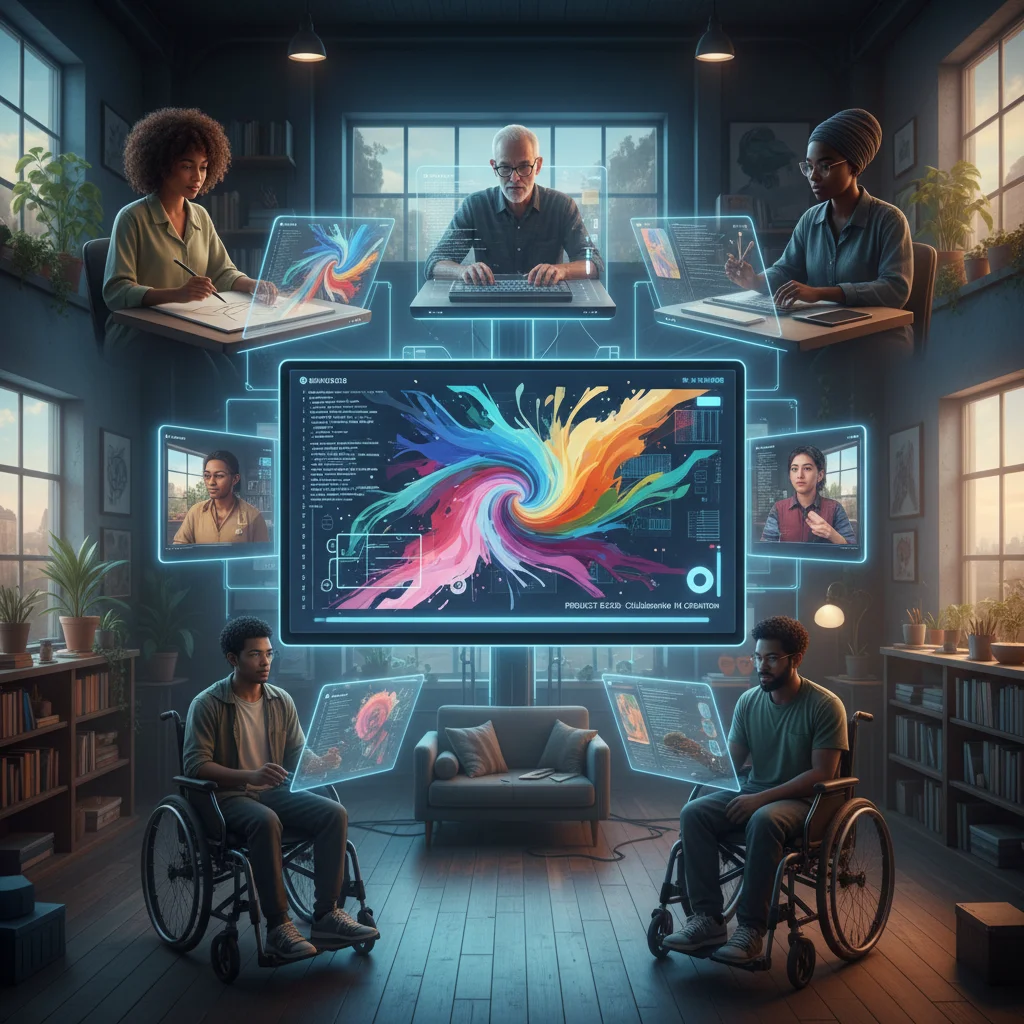
The collaborative features embedded in tools like Visionary Canvas and the ability to simplify complex tasks in Echo Sculptor mean that artists can work together more seamlessly, regardless of geographical barriers or individual skill sets. This increased accessibility will bring more diverse voices and perspectives into the art world, enriching the global creative landscape.
New Forms of Artistic Expression
With AI handling much of the heavy lifting, artists will be free to experiment with entirely new forms of expression. Interactive art installations that react to viewer emotions, dynamic narratives that evolve with user input, and hyper-personalized digital experiences will become more feasible. These tools are not just making existing art forms easier; they are enabling the birth of entirely new ones.
Accelerated Learning and Skill Development
For aspiring artists, these AI tools can serve as invaluable learning aids. By observing how AI interprets prompts, generates variations, and applies styles, individuals can rapidly develop their understanding of composition, color theory, and artistic techniques. The feedback loops provided by intelligent AI assistants will accelerate skill development, creating a more knowledgeable and capable artistic community.
Ethical Considerations and the Future of Creativity
As AI becomes more integrated, the dialogue around ethics, intellectual property, and the definition of "art" will undoubtedly intensify. The development of AI Art Tools 2026 will likely come with more robust ethical guidelines and features designed to protect artists’ rights and ensure responsible AI usage. Discussions will shift from "Is it art?" to "How can we best leverage AI to expand the boundaries of human creativity ethically?"
Conclusion: Embracing the Future of Art with AI
The year 2026 stands on the cusp of a profound transformation in the creative industries, largely driven by the advancements in artificial intelligence. The five tools we’ve explored — Visionary Canvas, Echo Sculptor, Symphony Weaver, Pixel Alchemist, and Narrative Architect — represent just a glimpse into the incredible potential of AI Art Tools 2026. They are designed not to replace human creativity but to augment it, providing artists with unprecedented power, speed, and versatility.
The projected 30% boost in creative output is more than just a statistic; it signifies a liberation of artistic energy, allowing creators to focus on the core of their craft: imagination, emotion, and storytelling. By automating tedious tasks, offering intelligent suggestions, and enabling new forms of expression, these AI tools are set to redefine the creative workflow for artists across all disciplines.
Embracing these technologies is not merely about staying current; it’s about unlocking new frontiers of artistic possibility. For any artist, designer, or creative professional looking to thrive in the coming years, understanding and integrating these advanced AI Art Tools 2026 into their practice will be essential. The future of art is collaborative, innovative, and undeniably intelligent. Are you ready to create it?