Artist Portfolio 2026: Boost Conversions with 4 Key Elements
Building an Artist’s Portfolio in 2026: 4 Essential Elements for a 50% Higher Conversion Rate
In the rapidly evolving landscape of the art world, an artist’s portfolio is no longer just a collection of their best work; it’s a dynamic, strategic tool essential for career advancement. As we look towards 2026, the demands on an artist portfolio 2026 are becoming more sophisticated, requiring a blend of artistic excellence, digital savvy, and compelling storytelling. The goal? To not only showcase your talent but to convert interest into opportunities, sales, and collaborations. This comprehensive guide will delve into the four essential elements that can elevate your artist portfolio and potentially increase your conversion rate by a remarkable 50%.
Gone are the days when a static website or a physical binder was enough. Today’s art market is global, fiercely competitive, and deeply intertwined with digital platforms. Artists need to think like entrepreneurs, understanding that their portfolio is their primary marketing asset. It’s the first impression, the silent advocate, and the ultimate determinant of whether a potential client, gallery, or collector moves from casual browsing to committed engagement. Mastering these four elements is not just about keeping up; it’s about setting yourself apart and thriving in the contemporary art ecosystem.
The journey to a high-converting artist portfolio 2026 begins with a deep understanding of your audience and your unique artistic voice. It involves strategic choices about what to include, how to present it, and how to ensure it reaches the right eyes. Let’s explore how to transform your portfolio from a mere display into a powerful conversion engine.
1. Strategic Curation: Quality Over Quantity with a Clear Narrative
The first and arguably most critical element of an effective artist portfolio 2026 is strategic curation. This isn’t just about picking your favorite pieces; it’s about making deliberate choices that serve a specific purpose and tell a cohesive story. In an age of information overload, attention spans are short. A portfolio brimming with too many pieces, or pieces that don’t align with your current artistic direction, can dilute your message and overwhelm your audience.
The Power of Selectivity
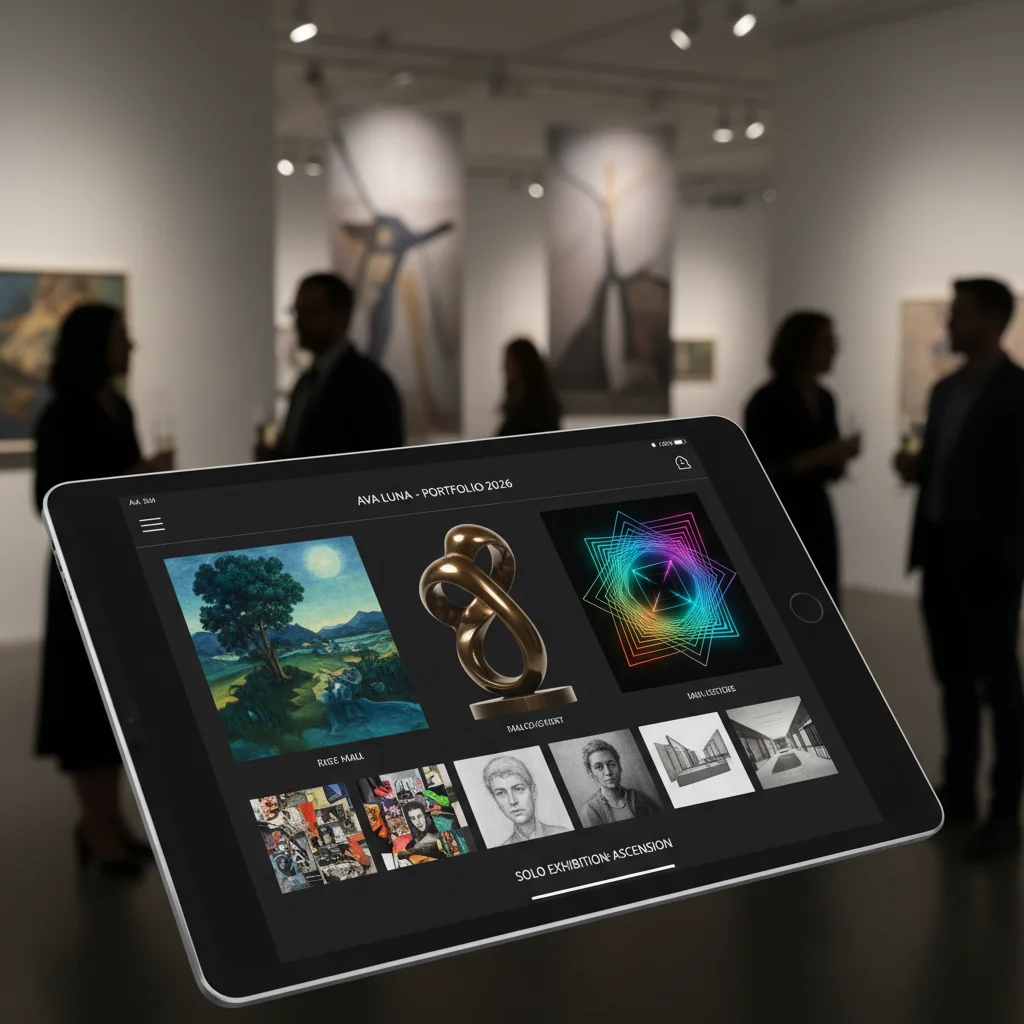
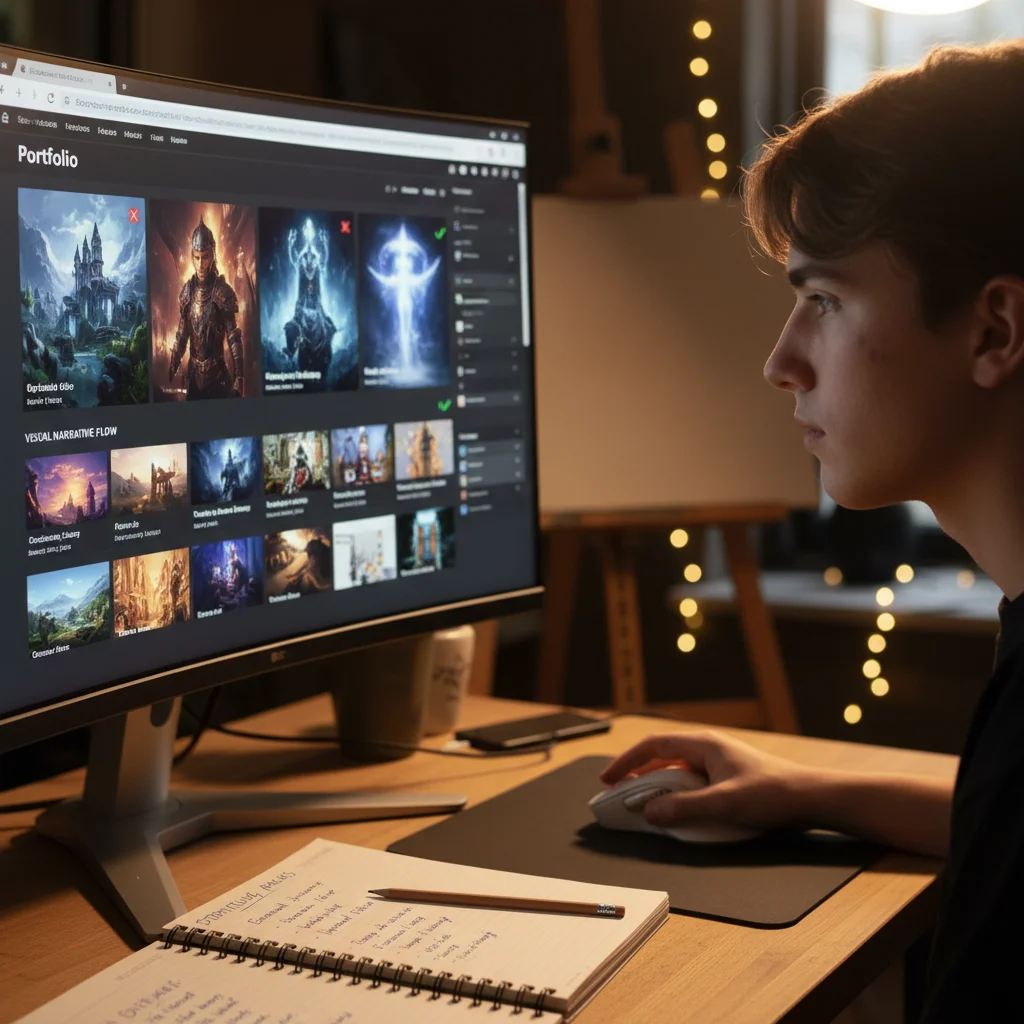
Think of your portfolio as a highly curated exhibition. Every piece must earn its place. Aim for quality over quantity. Instead of showing 50 good pieces, present 10-15 exceptional ones that truly represent your artistic vision, skill, and current focus. This selectivity demonstrates confidence, professionalism, and a clear understanding of your artistic identity. It also makes it easier for viewers to grasp your style and message quickly.
Developing a Cohesive Narrative
Beyond individual pieces, your portfolio needs to tell a story. What themes do you explore? What techniques do you master? What message do you want to convey? Your curated selection should reveal a progression, a consistent aesthetic, or a clear artistic statement. For instance, if you’re a painter exploring environmental themes, ensure your chosen works consistently reflect this focus. A coherent narrative helps potential clients and galleries understand your artistic journey and what makes your work unique. This narrative should be subtly woven through the order of your pieces, the accompanying descriptions, and your artist statement.
Targeting Your Audience
Consider who you are trying to reach. Are you aiming for gallery representation, commission work, or art sales to individual collectors? Your curation should be tailored to that specific audience. A portfolio for a gallery might emphasize conceptual depth and technical mastery, while one for a private collector might focus on aesthetic appeal and emotional resonance. Having a core portfolio, with slight variations for different target audiences, can significantly boost your conversion rates.
Regular Review and Refresh
The art world is constantly moving, and so should your portfolio. Regularly review your work and remove pieces that no longer align with your current artistic goals or that don’t represent your best work. Add new, stronger pieces as you create them. An outdated portfolio signals a lack of engagement and can deter potential opportunities. Aim to refresh your portfolio at least once or twice a year, or after significant artistic developments.
2. Compelling Storytelling: Beyond the Image
In 2026, art is not just about what you see; it’s about what you feel, what you think, and the connection you make. This is where compelling storytelling comes into play. While your visuals are paramount, the words that accompany them can deepen the viewer’s appreciation, create emotional resonance, and ultimately drive conversion. Storytelling transforms a mere artwork into an experience.
The Artist Statement: Your Voice, Your Vision
Your artist statement is a concise, powerful declaration of your artistic vision, process, and influences. It should be authentic, engaging, and free of jargon. This is not just a descriptive text; it’s an invitation into your world. A well-crafted artist statement helps viewers understand the ‘why’ behind your art, fostering a deeper connection. It should be easily accessible within your portfolio, preferably on a dedicated ‘About’ page or prominently displayed alongside your work.
Individual Artwork Descriptions: The Narrative Arc
Each artwork in your portfolio deserves a thoughtful description. Go beyond just listing the title, medium, and dimensions. Share the inspiration, the process, any challenges encountered, or the specific message you intended to convey. For example, instead of just saying ‘Oil on canvas, 24×36 inches’, you might write: ‘This piece explores the transient beauty of urban decay, capturing the interplay of light and shadow on forgotten industrial structures, a reflection on resilience and transformation.’ These narratives add layers of meaning and make your work more memorable and relatable.
Process and Behind-the-Scenes Content
People are often fascinated by the creative process. Including glimpses into your studio, sketches, works-in-progress, or even short videos of you working can build trust and engagement. This ‘behind-the-scenes’ content humanizes your practice and allows viewers to feel more invested in your journey. It also showcases your dedication and professionalism. Consider dedicating a section of your portfolio or blog to process documentation.
Impact and Testimonials
If your work has been featured in exhibitions, publications, or received awards, highlight these achievements. Testimonials from satisfied clients, collectors, or gallerists can be incredibly powerful. Social proof builds credibility and trust, reassuring potential buyers that investing in your art is a valuable decision. These narratives of success and positive experiences are crucial for boosting conversion rates.
3. Optimized Digital Presence: Accessibility and Professionalism
In 2026, your digital presence is your primary gallery. An optimized digital portfolio is not just a convenience; it’s a necessity for reaching a global audience and making a professional impression. This involves more than just uploading images; it requires strategic design, technical optimization, and consistent maintenance.
Intuitive Website Design and User Experience (UX)
Your portfolio website should be clean, professional, and easy to navigate. A cluttered or confusing site will deter visitors. Prioritize high-quality imagery, fast loading times, and a responsive design that looks good on all devices (desktops, tablets, and mobile phones). Ensure clear calls to action (e.g., ‘Inquire About This Piece,’ ‘Shop Now,’ ‘Contact Me’). Simple, elegant design allows your art to speak for itself without distractions. Consider using platforms specifically designed for artists, which often come with built-in features for galleries and e-commerce.
High-Quality Imagery and Multimedia
This cannot be stressed enough: your images must be professional. Invest in good photography or learn how to photograph your work effectively. Ensure images are high-resolution, color-accurate, and well-lit. Beyond static images, consider incorporating video (e.g., short clips of sculptures rotating, time-lapses of paintings being created, or artist interviews) to provide a more immersive experience. For digital artists, animations or interactive elements can be particularly impactful.
Search Engine Optimization (SEO) for Artists
Even the most stunning portfolio won’t convert if no one can find it. Implement basic SEO practices to make your portfolio discoverable. Use relevant keywords in your website’s text, image alt tags, and descriptions (e.g., ‘abstract expressionist painter,’ ‘contemporary landscape art,’ ‘commissioned portrait artist’). Ensure your website is structured logically, and consider having a blog where you can regularly post content related to your art, further boosting your search engine ranking. Think about what terms a potential collector might use to find art like yours.
Secure E-commerce Integration (if applicable)
If you intend to sell your work directly from your portfolio, seamless and secure e-commerce functionality is essential. Provide clear pricing, shipping information, and multiple payment options. Transparency and ease of transaction build trust and encourage purchases. A smooth checkout process is a critical conversion factor. Even if you don’t sell directly, clear instructions on how to inquire about purchasing art are vital.
4. Active Engagement and Community Building: Beyond the Screen
The final, yet equally crucial, element for an artist portfolio 2026 with a 50% higher conversion rate is active engagement and community building. Your portfolio isn’t a static monument; it’s a hub for interaction. Building relationships, fostering a community around your art, and actively engaging with your audience transforms passive viewers into enthusiastic supporters and buyers.
Social Media Presence and Strategy
Leverage social media platforms that align with your artistic style and target audience. Instagram, Pinterest, and even TikTok can be powerful tools for artists. Share your work, your process, and your artistic insights. Engage with comments, respond to messages, and participate in relevant conversations. Social media is not just for broadcasting; it’s for connecting. A strong, consistent social media presence drives traffic back to your portfolio, increasing visibility and potential conversions.
Email List Building and Newsletters
An email list is one of your most valuable assets. Offer visitors to your portfolio a reason to sign up for your newsletter (e.g., exclusive content, early access to new works, studio updates). Email allows for direct communication, bypassing algorithms, and building a loyal following. Regular, engaging newsletters can keep your audience informed and interested, leading to higher conversion rates when you release new work or announce exhibitions.
Networking and Collaborations
Attend art events, join online artist communities, and seek out collaboration opportunities. Networking, both online and offline, expands your reach and introduces your work to new audiences. Collaborating with other artists, designers, or even brands can generate cross-promotion and bring fresh eyes to your portfolio. These interactions are not just about visibility; they’re about building a reputation and making meaningful connections in the art world.
Interactive Elements and Calls to Action
Encourage interaction on your portfolio. This could include comment sections on blog posts, polls related to your work, or clearly visible contact forms. Make it easy for people to reach out, ask questions, or provide feedback. Every interaction is an opportunity to build a relationship and guide a potential client towards conversion. Clear and compelling calls to action (CTAs) are vital – whether it’s ‘Explore My Latest Collection,’ ‘Book a Studio Visit,’ or ‘Subscribe for Updates.’ Make it clear what you want your visitors to do next.
The Synergy of the Four Elements for Your Artist Portfolio 2026
It’s important to understand that these four elements are not isolated components but rather interconnected pillars supporting your entire artistic career. Strategic curation provides the foundation, ensuring that only your best and most relevant work is presented. Compelling storytelling adds depth and emotional connection, transforming viewers into admirers. An optimized digital presence ensures that your art is accessible, professionally displayed, and easily discoverable by a global audience. Finally, active engagement and community building foster loyalty, trust, and ultimately, a higher conversion rate by creating a vibrant ecosystem around your art.
Imagine a collector discovering your work through a thoughtfully crafted social media post (Engagement), clicking through to your beautifully designed website (Digital Presence). They then explore a curated selection of pieces (Curation), each accompanied by a fascinating story of its inspiration and creation (Storytelling). They feel a strong connection, read glowing testimonials, and seamlessly make a purchase through your secure e-commerce system. This is the ideal conversion journey, and it’s built upon the effective integration of these four elements.
Measuring Success and Adapting
To truly achieve a 50% higher conversion rate with your artist portfolio 2026, you must also be willing to measure your efforts and adapt. Utilize analytics tools (like Google Analytics) to track website traffic, bounce rates, time spent on pages, and conversion pathways. Which pieces are viewed most? Which calls to action are most effective? Understanding these metrics allows you to refine your strategy, optimize your content, and continuously improve your portfolio’s performance. Feedback from potential clients or gallery owners can also be invaluable.
Conclusion: Your Artist Portfolio in 2026 as a Conversion Machine
Building an artist’s portfolio in 2026 is an ongoing, dynamic process that goes far beyond simply showcasing your art. By focusing on strategic curation, compelling storytelling, an optimized digital presence, and active engagement, you are not just presenting your work; you are crafting an immersive experience. You are building a brand, fostering relationships, and creating a powerful tool designed to convert interest into tangible opportunities and sales.
Embrace these four essential elements, dedicate time to refining each one, and commit to continuous learning and adaptation. The art world of tomorrow rewards those who are not only creatively brilliant but also strategically savvy. By investing in these areas, you will not only elevate your artist portfolio 2026 but also significantly increase your chances of achieving a 50% higher conversion rate, propelling your artistic career to new heights.
Your art deserves to be seen, understood, and cherished. A well-constructed portfolio, guided by these principles, ensures it reaches the right audience and inspires them to take action. Start implementing these strategies today, and watch your artistic journey flourish in the years to come.