Current American Traditions: 7 Time-Sensitive Cultural Engagements You Can’t Miss This Year
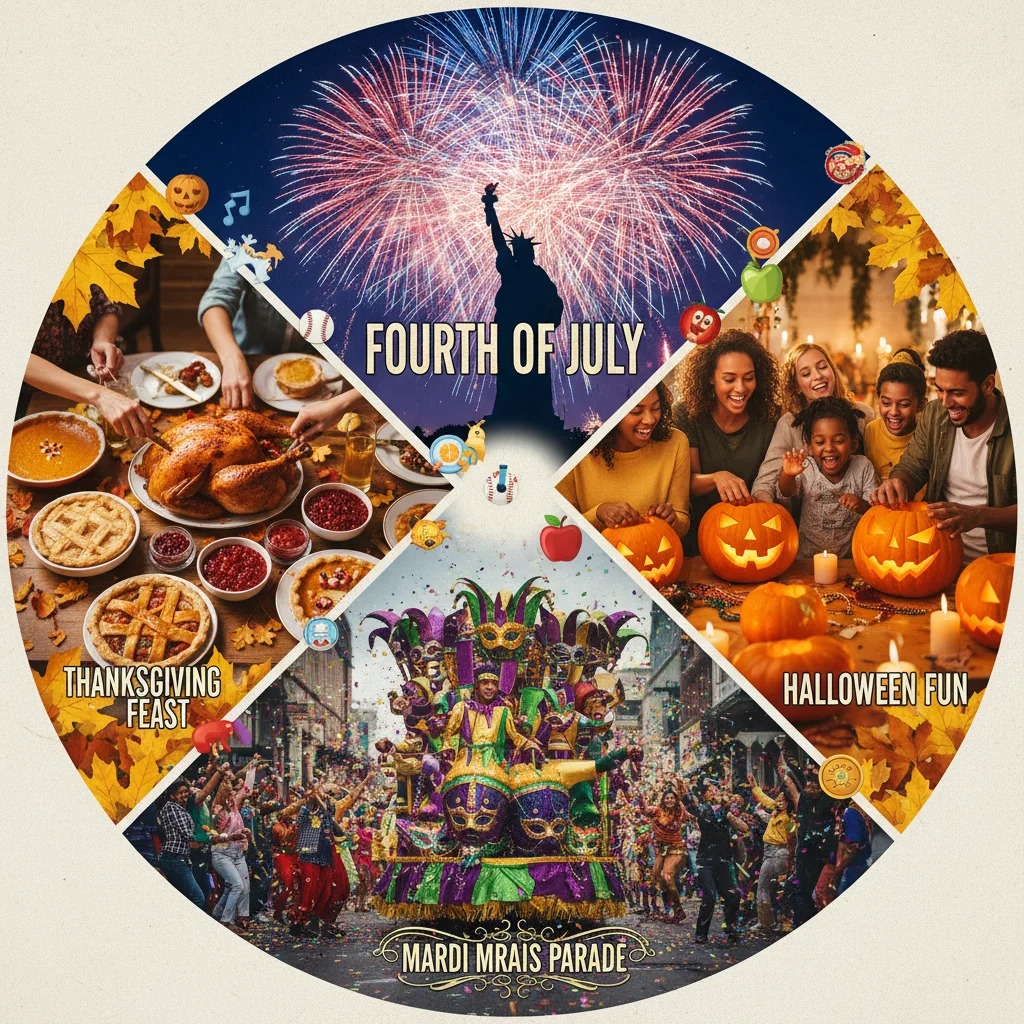
The United States is a vast tapestry woven with countless threads of culture, history, and innovation. Within this rich landscape, American cultural traditions stand as pillars, offering glimpses into the nation’s collective soul. These aren’t just quaint customs; they are vibrant, living expressions of identity, community, and shared values. While some traditions are celebrated year-round, many are deeply tied to specific seasons, holidays, or historical anniversaries, making them time-sensitive engagements that offer unique insights into the American experience. Missing them means missing a significant piece of the cultural puzzle.
This year, as the calendar pages turn, an array of these profound and often exhilarating American cultural traditions awaits your engagement. From the solemnity of national observances to the exuberance of regional festivals, each tradition offers a distinct flavor of American life. Understanding and participating in these events not only enriches your personal experience but also fosters a deeper appreciation for the diversity and dynamism that characterize the U.S. cultural fabric. This article will guide you through seven essential, time-sensitive American cultural traditions that are must-sees and must-dos in the current year, ensuring you don’t miss out on these defining moments.
We’ll delve into the historical roots, the modern interpretations, and the unique aspects that make each of these traditions an unmissable part of the American calendar. Whether you’re a long-time resident or a curious newcomer, preparing to immerse yourself in these experiences will undoubtedly leave you with lasting memories and a more profound connection to the spirit of America. So, let’s embark on this cultural journey, highlighting the specific periods and ways you can engage with these cherished American cultural traditions.
1. The Electrifying Spectacle of Mardi Gras (Late Winter/Early Spring)
Kicking off our list of time-sensitive American cultural traditions is the unparalleled spectacle of Mardi Gras. While celebrated in various forms across the globe, the American iteration, particularly in New Orleans, Louisiana, is a phenomenon unto itself. Occurring annually on Shrove Tuesday (Fat Tuesday), the day before Ash Wednesday, its timing shifts with the liturgical calendar, typically falling between early February and early March. This makes it a truly time-sensitive event that requires planning to experience its full glory.
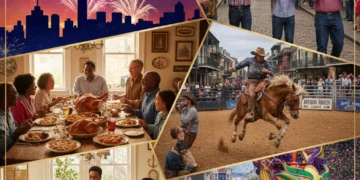
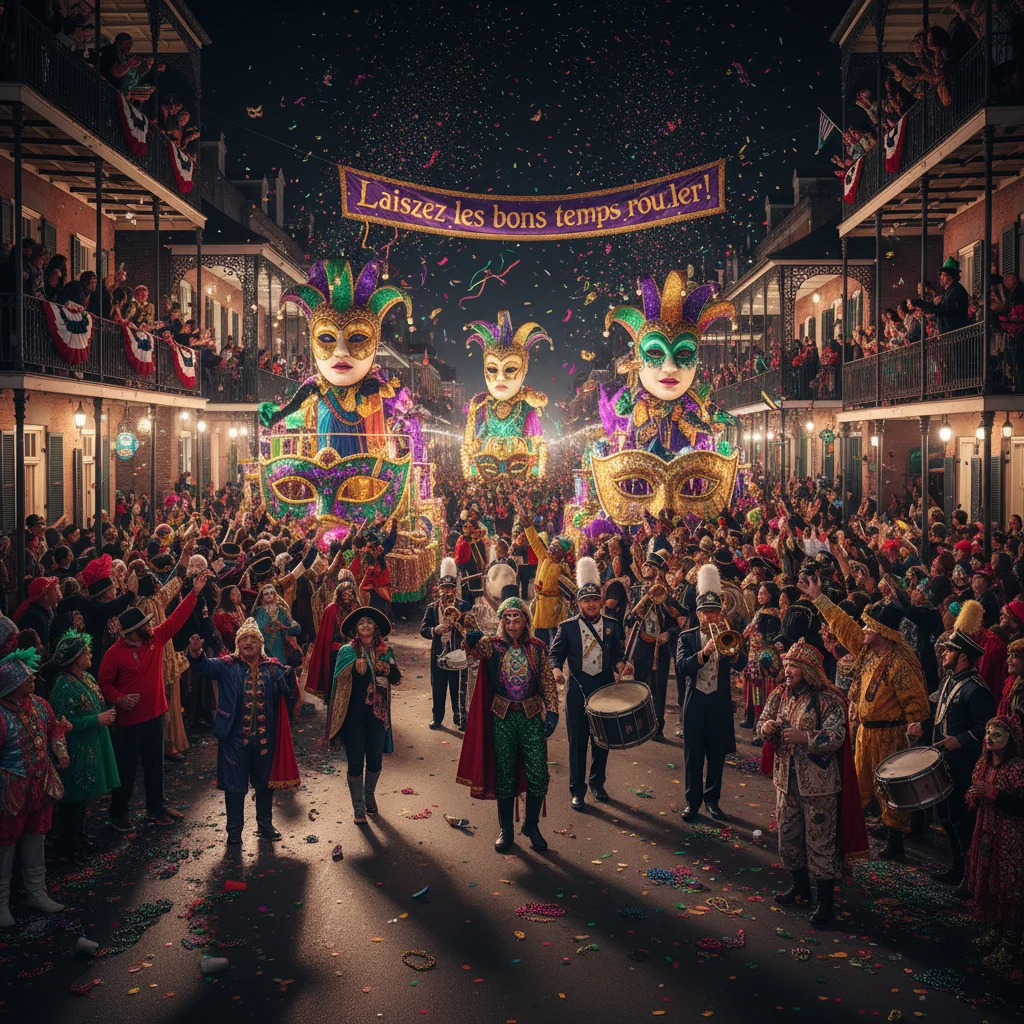
Mardi Gras in New Orleans is more than just a party; it’s a centuries-old tradition blending French colonial heritage, African American influences, and a unique local spirit. The celebration is characterized by elaborate parades featuring dazzling floats, marching bands, and ‘krewes’ (social organizations) throwing beads, doubloons, and other trinkets to enthusiastic crowds. The air is thick with music, laughter, and the intoxicating aroma of Creole cuisine. The costumes range from whimsical to breathtakingly intricate, with participants and spectators alike donning masks and vibrant attire to embrace the festive anonymity.
The weeks leading up to Fat Tuesday are filled with a series of parades, balls, and events, culminating in the grand finale on the last day. For first-timers, navigating the crowds and understanding the etiquette of bead-catching can be part of the adventure. Beyond the revelry, Mardi Gras carries a deeper cultural significance, serving as a period of indulgence before the solemn observance of Lent. It’s a powerful expression of community, artistic creativity, and the enduring resilience of New Orleans’ unique culture. Engaging with Mardi Gras is to witness one of the most vibrant and historically rich American cultural traditions firsthand, a truly unforgettable experience.
2. The Patriotic Grandeur of Independence Day (July 4th)
No discussion of American cultural traditions would be complete without highlighting Independence Day, celebrated unequivocally on July 4th. This national holiday commemorates the adoption of the Declaration of Independence in 1776, marking the United States’ break from British rule. It’s a day steeped in patriotic fervor, celebrated from coast to coast with a consistent set of customs that unite Americans in their shared history and aspirations.
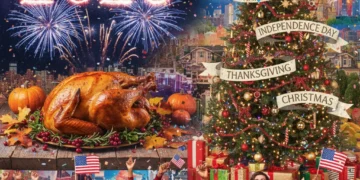
The centerpiece of Independence Day celebrations is almost universally fireworks. Elaborate pyrotechnic displays light up the night sky in cities and towns across the nation, drawing crowds who gather to watch the dazzling explosions. Beyond the fireworks, the day is filled with parades, often featuring marching bands, civic groups, and military personnel, all adorned in red, white, and blue. Family gatherings, barbecues, and picnics are also quintessential to the Fourth of July experience, bringing communities and families together for outdoor festivities.
The significance of Independence Day extends beyond mere celebration; it’s a moment for reflection on the nation’s founding principles, its struggles, and its ongoing journey. Speeches and readings of the Declaration of Independence are common, reminding citizens of the sacrifices made for liberty. For many, it’s a day to express national pride, to honor veterans, and to appreciate the freedoms enjoyed. Engaging with Independence Day is to participate in one of the most fundamental and unifying American cultural traditions, a powerful reminder of the nation’s origins and enduring spirit.
3. The Spooky Fun of Halloween (October 31st)
As autumn leaves begin to change, another of the beloved American cultural traditions emerges: Halloween. Celebrated annually on October 31st, this holiday has evolved from ancient Celtic harvest festivals and Christian observances into a distinctly American celebration of all things spooky and sweet. Its time-sensitive nature makes it a highly anticipated event, especially for children, but increasingly for adults too.
The most iconic aspect of Halloween is ‘trick-or-treating,’ where children dress in costumes and go door-to-door in their neighborhoods, asking for candy with the phrase, “Trick or treat!” Homes are often elaborately decorated with jack-o’-lanterns (carved pumpkins), fake cobwebs, skeletons, and other ghoulish adornments. Costume parties are popular among adults, ranging from elaborate themed events to casual gatherings. Haunted houses, corn mazes, and pumpkin patches also become popular attractions during the Halloween season, offering family-friendly scares and autumnal fun.
Halloween embodies a unique blend of historical folklore, playful fright, and community engagement. It’s a time for creativity, imagination, and a safe exploration of the macabre. The preparation for Halloween often begins weeks in advance, with costume planning, home decorating, and event scheduling. Participating in Halloween, whether by handing out candy, dressing up, or visiting a haunted attraction, offers a delightful immersion into one of America’s most whimsical and widely embraced American cultural traditions, showcasing a lighter, more fantastical side of the nation’s cultural expression.
4. The Heartfelt Gratitude of Thanksgiving (Fourth Thursday in November)
Moving into the late autumn, the fourth Thursday of November brings one of the most cherished and family-oriented American cultural traditions: Thanksgiving. This national holiday is dedicated to expressing gratitude and is deeply rooted in the historical narrative of the Pilgrims and Native Americans sharing a harvest feast in 1621. While its historical accuracy is often debated, the spirit of thankfulness and togetherness remains central to its modern observance.
The quintessential Thanksgiving celebration revolves around a large family meal, often featuring a roasted turkey as the centerpiece, accompanied by traditional dishes such as stuffing, mashed potatoes, cranberry sauce, and pumpkin pie. It’s a day for families and friends to gather, share a bountiful feast, and express appreciation for their blessings. Beyond the dinner table, Thanksgiving often includes watching the Macy’s Thanksgiving Day Parade in New York City, a long-standing tradition featuring elaborate floats, giant balloons, and musical performances. American football also plays a significant role, with professional games being a common backdrop to the day’s festivities.
Thanksgiving serves as a poignant reminder of the importance of community, family bonds, and the act of giving thanks. It’s a time to pause amidst the hustle and bustle of modern life and reflect on the good things, big and small. The preparation for the holiday, from cooking elaborate meals to traveling to be with loved ones, is a significant part of the tradition itself. Engaging with Thanksgiving offers a deeply personal and unifying experience, embodying the spirit of gratitude that lies at the heart of many American cultural traditions.

5. The Festive Cheer of Christmas (December 25th)
As the year draws to a close, the holiday season culminates with Christmas, another of the universally recognized American cultural traditions. Celebrated on December 25th, Christmas is primarily a Christian holiday commemorating the birth of Jesus Christ, but in the United States, it has evolved into a widespread cultural celebration observed by many, regardless of religious affiliation. Its time-sensitive nature means the entire month of December is often referred to as the ‘holiday season,’ filled with festive preparations.
Christmas in America is characterized by a rich array of traditions. Decorating homes with lights, wreaths, and ornaments, often centered around a Christmas tree, is a common practice. The exchange of gifts among family and friends is a central element, often attributed to the legendary figure of Santa Claus. Special meals, caroling, attending church services, and watching classic holiday movies are also integral parts of the celebration. Many communities host Christmas parades, light displays, and festive markets, adding to the joyous atmosphere.
The spirit of Christmas is one of generosity, goodwill, and togetherness. It’s a time for reflection, joy, and reconnecting with loved ones. For children, the anticipation of Santa’s visit and opening presents on Christmas morning is a magical experience. For adults, it’s an opportunity to create cherished memories and uphold family traditions. Participating in Christmas festivities, whether through decorating, gift-giving, or simply enjoying the festive ambiance, offers a deep dive into one of the most widely celebrated and emotionally resonant American cultural traditions, showcasing the nation’s capacity for collective joy and benevolence.
6. The Poetic Solemnity of Memorial Day (Last Monday in May)
Shifting from celebrations to observances, Memorial Day, observed on the last Monday in May, is a crucial time-sensitive entry among American cultural traditions. This national holiday is dedicated to honoring and mourning the military personnel who have died while serving in the United States Armed Forces. It marks the unofficial start of summer for many, but its primary purpose is one of solemn remembrance and respect.
Key traditions associated with Memorial Day include visiting cemeteries and memorials, where flags are often placed on graves of military service members. Many towns and cities hold parades, and ceremonies are conducted at war memorials, often featuring speeches, wreath-laying, and moments of silence. The national moment of remembrance occurs at 3:00 p.m. local time. While it is a day of national mourning, it also often involves family gatherings, barbecues, and weekend trips, blending the solemn with the communal aspects of American life.
Memorial Day serves as a powerful reminder of the sacrifices made to protect the nation’s freedoms. It’s a day to reflect on the cost of liberty and to pay tribute to those who gave their lives. Engaging with Memorial Day traditions, whether by attending a ceremony, observing the moment of remembrance, or simply flying the American flag, offers a profound connection to the nation’s military history and its enduring respect for its fallen heroes. It is a testament to the fact that not all American cultural traditions are about revelry; some are about deep, collective remembrance and honor.
7. The Vibrant Commemoration of Juneteenth (June 19th)
Finally, we spotlight Juneteenth, a relatively newer addition to the federal holiday calendar but a deeply significant and long-standing tradition within the African American community, now gaining wider national recognition. Celebrated on June 19th, Juneteenth commemorates the day in 1865 when Union soldiers arrived in Galveston, Texas, announcing the freedom of enslaved people, over two years after the Emancipation Proclamation had been issued. This makes it a critical and time-sensitive observance among American cultural traditions.
Juneteenth celebrations often include parades, festivals, family reunions, and community gatherings. Food plays a central role, with red drinks (like red soda and hibiscus tea) and red foods (like red velvet cake and watermelon) symbolizing resilience and joy. Educational events, historical reenactments, and musical performances are also common, focusing on African American history, culture, and achievements. It’s a day for reflection on the struggles and triumphs of African Americans, and for celebrating freedom and equality.
The growing recognition of Juneteenth as a national holiday underscores its importance in the broader American narrative. It represents a vital moment in the nation’s journey towards justice and equality, and its observance is a powerful affirmation of freedom for all. Engaging with Juneteenth traditions provides an opportunity to learn about a crucial chapter in American history, celebrate African American culture, and participate in a movement towards a more inclusive future. It’s a powerful and evolving example of American cultural traditions that are shaping the nation’s identity.
Embracing the Rich Tapestry of American Cultural Traditions
The United States is a land of continuous evolution, and its cultural landscape reflects this dynamism. The seven time-sensitive American cultural traditions we’ve explored – Mardi Gras, Independence Day, Halloween, Thanksgiving, Christmas, Memorial Day, and Juneteenth – represent just a fraction of the incredibly diverse customs that shape the nation. Yet, they are powerful examples of how Americans come together, whether in celebration, remembrance, or shared experience, at specific points in the year.
Each of these traditions, with its unique history, customs, and significance, contributes to the vibrant and complex identity of the United States. They offer moments for joy, reflection, patriotism, gratitude, and communal solidarity. Engaging with these events is not merely about observing; it’s about participating, learning, and connecting with the deeper currents of American life. They provide opportunities to understand the historical narratives, the social values, and the artistic expressions that have woven together to form the American spirit.
As you plan your year, consider making space for these time-sensitive cultural engagements. Whether it’s catching beads at a Mardi Gras parade, lighting fireworks on the Fourth of July, carving a pumpkin for Halloween, sharing a meal on Thanksgiving, exchanging gifts at Christmas, honoring fallen heroes on Memorial Day, or celebrating freedom on Juneteenth, each experience offers a unique window into the soul of America. These American cultural traditions are not static; they evolve, adapt, and continue to tell the story of a nation in progress. By embracing them, you become a part of that ongoing narrative, enriching your own understanding and contributing to the perpetuation of these invaluable cultural treasures. Don’t miss the chance to immerse yourself in the heart of American heritage this year.
Conclusion
In conclusion, the American cultural calendar is punctuated by a series of time-sensitive traditions that are far more than mere dates on a schedule; they are the rhythmic pulse of the nation. These seven traditions, from the boisterous revelry of Mardi Gras to the solemn reflections of Memorial Day and the celebratory spirit of Juneteenth, offer a comprehensive glimpse into the diverse values and historical journey of the United States. They are opportunities for connection, education, and immersion into the very fabric of American society. By understanding their significance and participating in their observance, one gains not only cherished memories but also a profound appreciation for the intricate and ever-evolving tapestry of American cultural traditions. This year, make it a point to engage with these unique and powerful expressions of American identity.